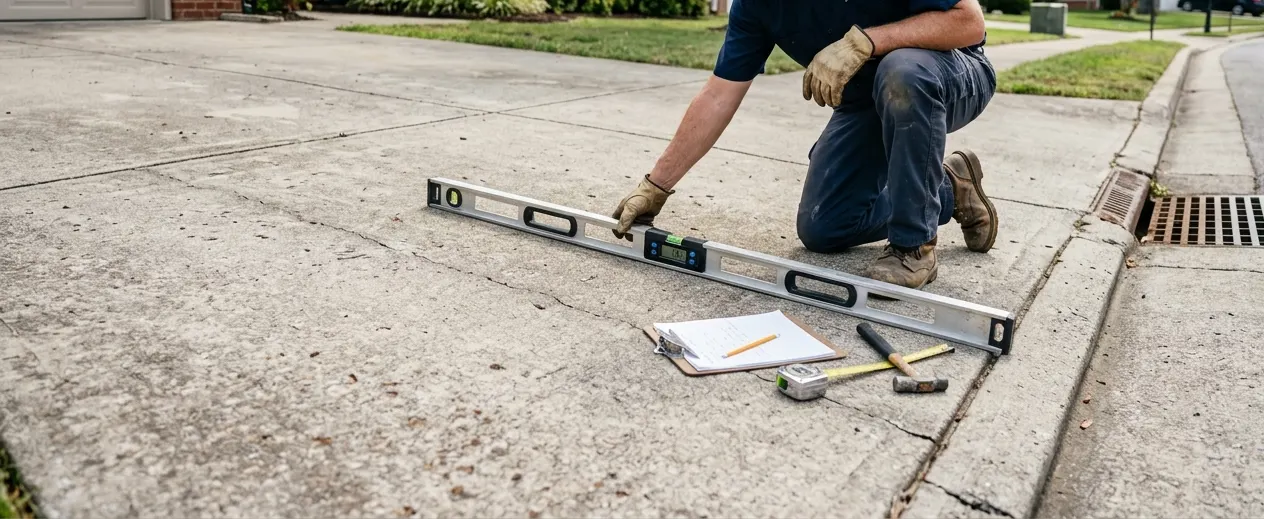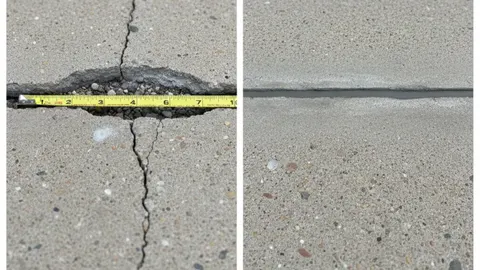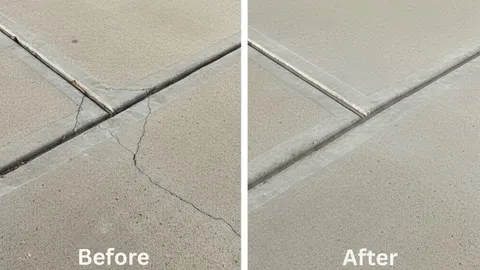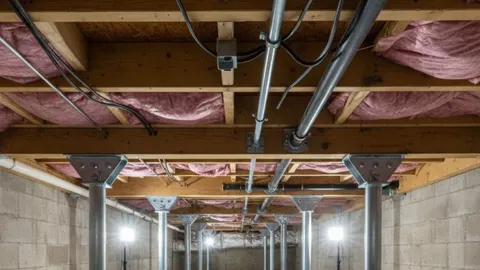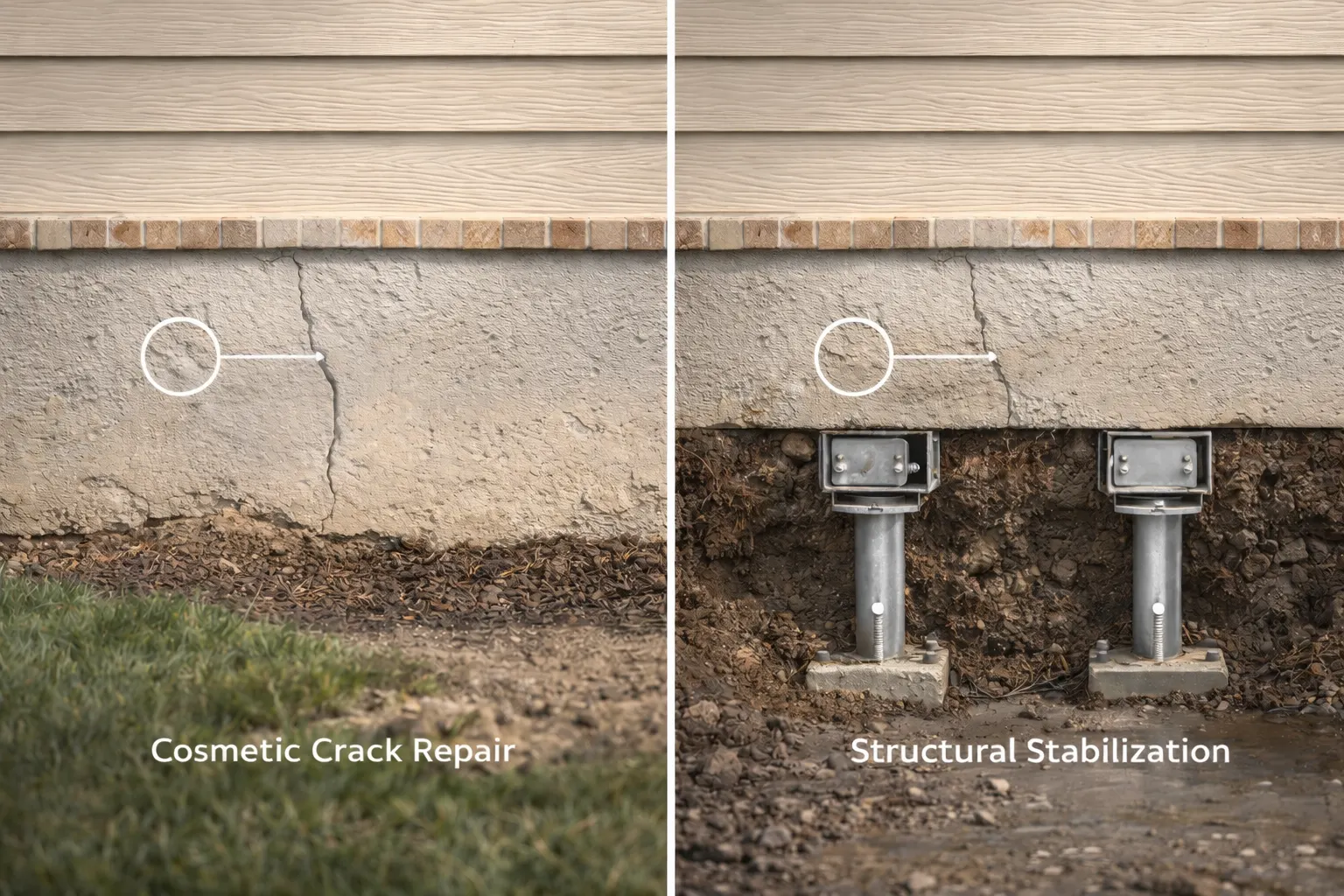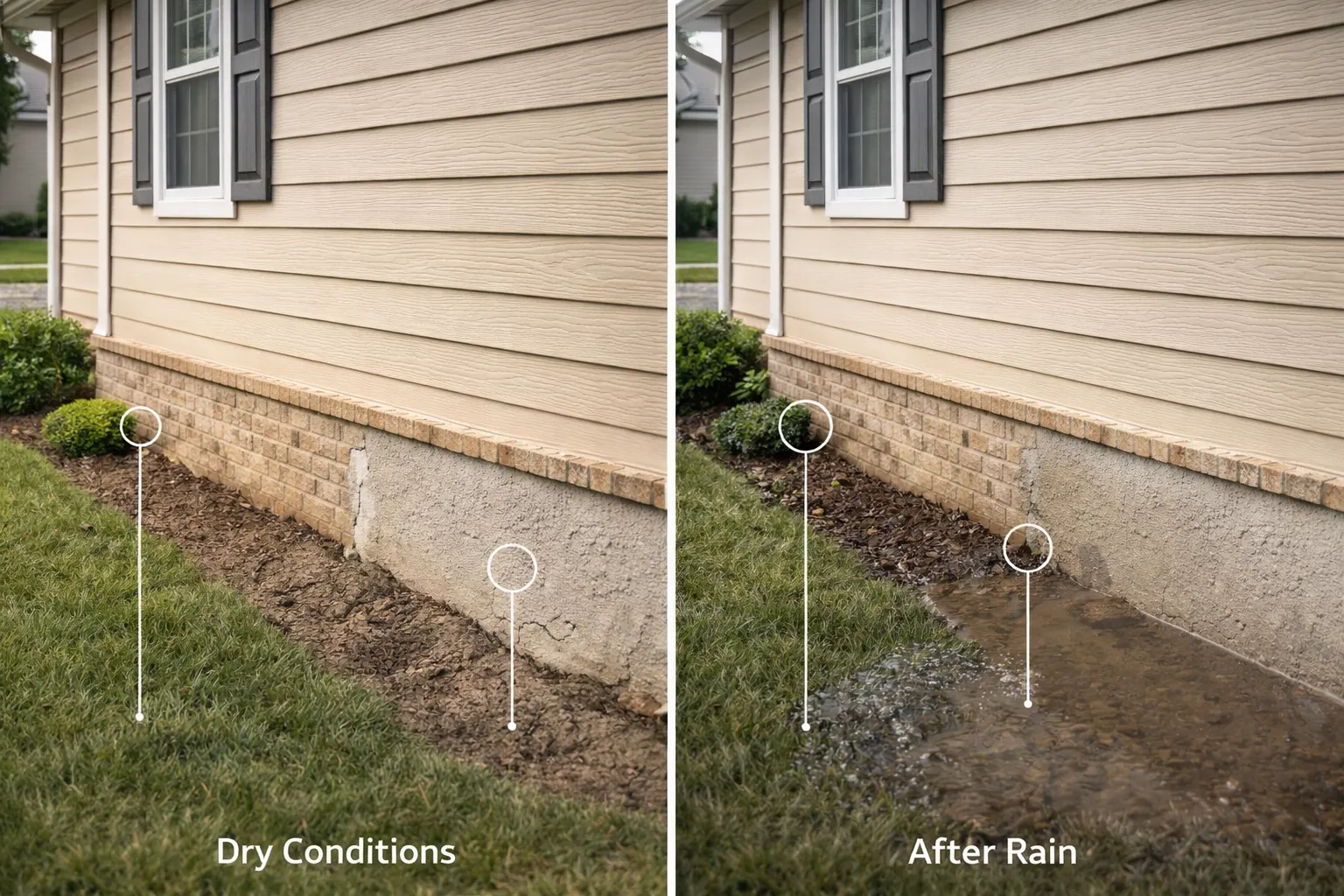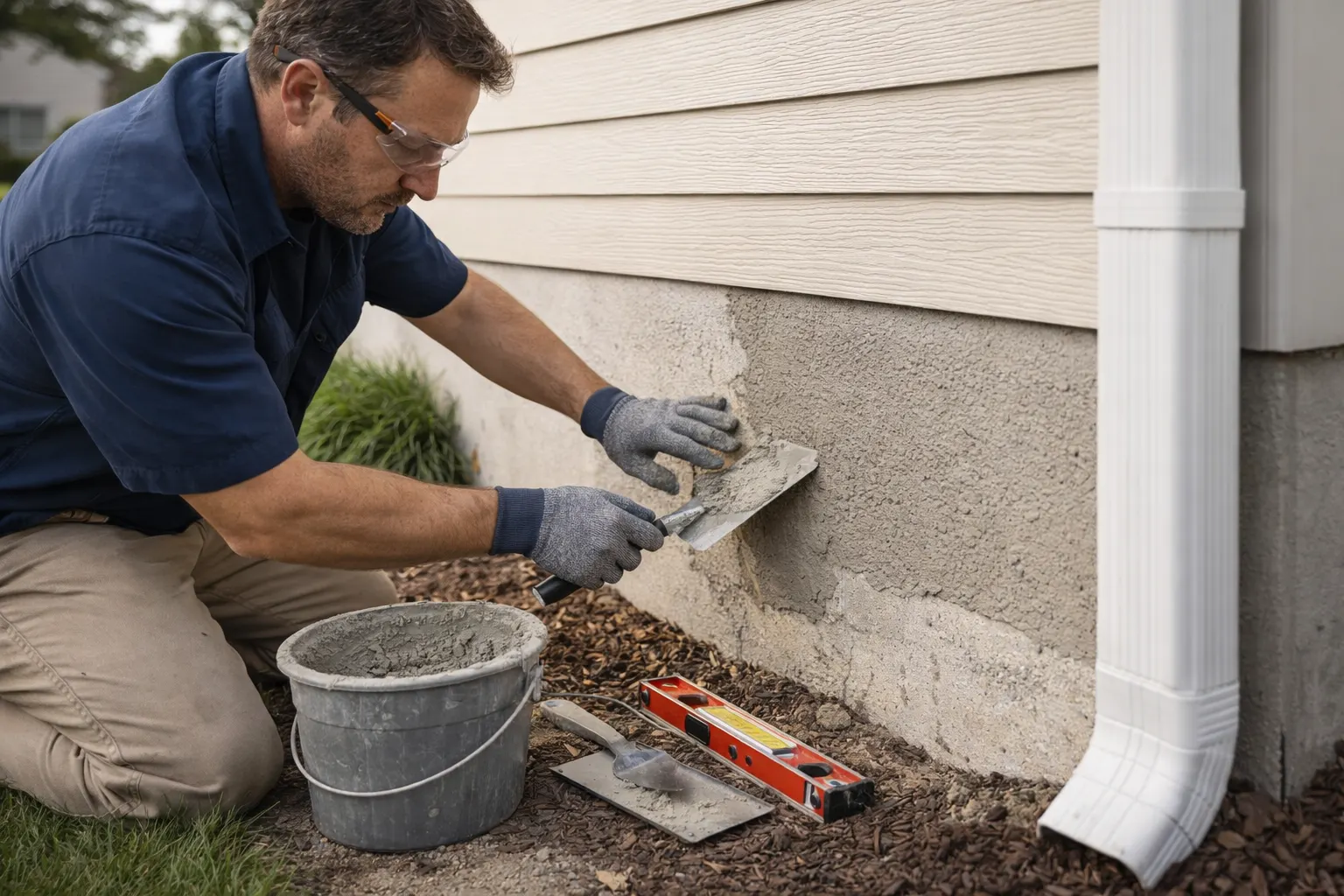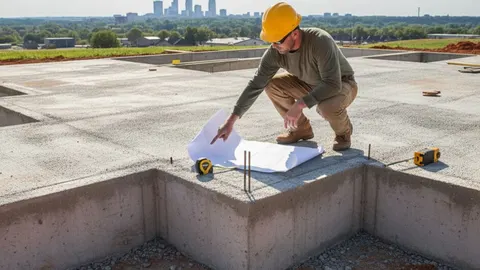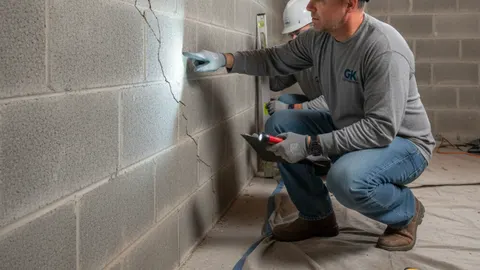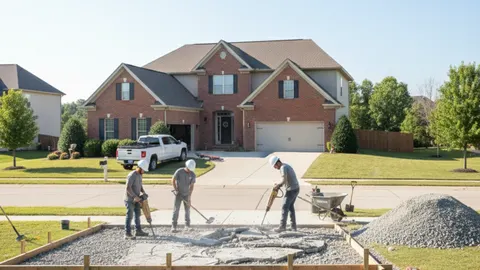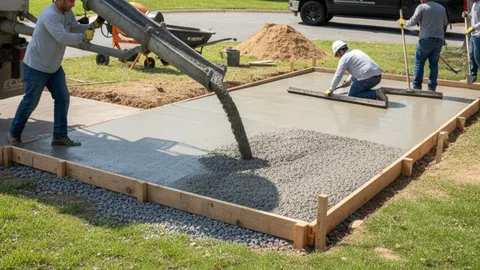
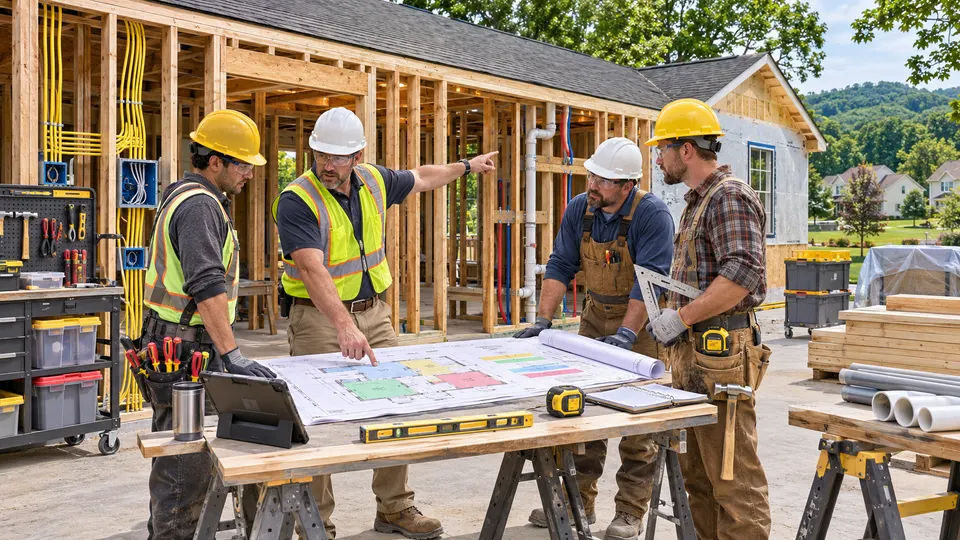
If your project only needs one trade, you may not need a general contractor at all. A straightforward patio slab, concrete driveway, or other single-scope job can usually go straight to the contractor doing that work. Once several trades have to work in the right order, permits or inspections are involved, or one part of the project affects another, a general contractor usually makes more sense. The general contractor vs. hiring individual trades decision is less about project size than coordination. If one missed step can hold up three other crews, cost you another inspection, or force finished work to be torn out, someone needs to manage the whole job.
That’s how we look at it at GK Construction Solutions . Sometimes you need us to manage the entire project. Sometimes you just need a good concrete crew. I’d rather tell you which situation you’re in than sell you management you don’t need.
What Does “Managing the Trades Yourself” Actually Involve?
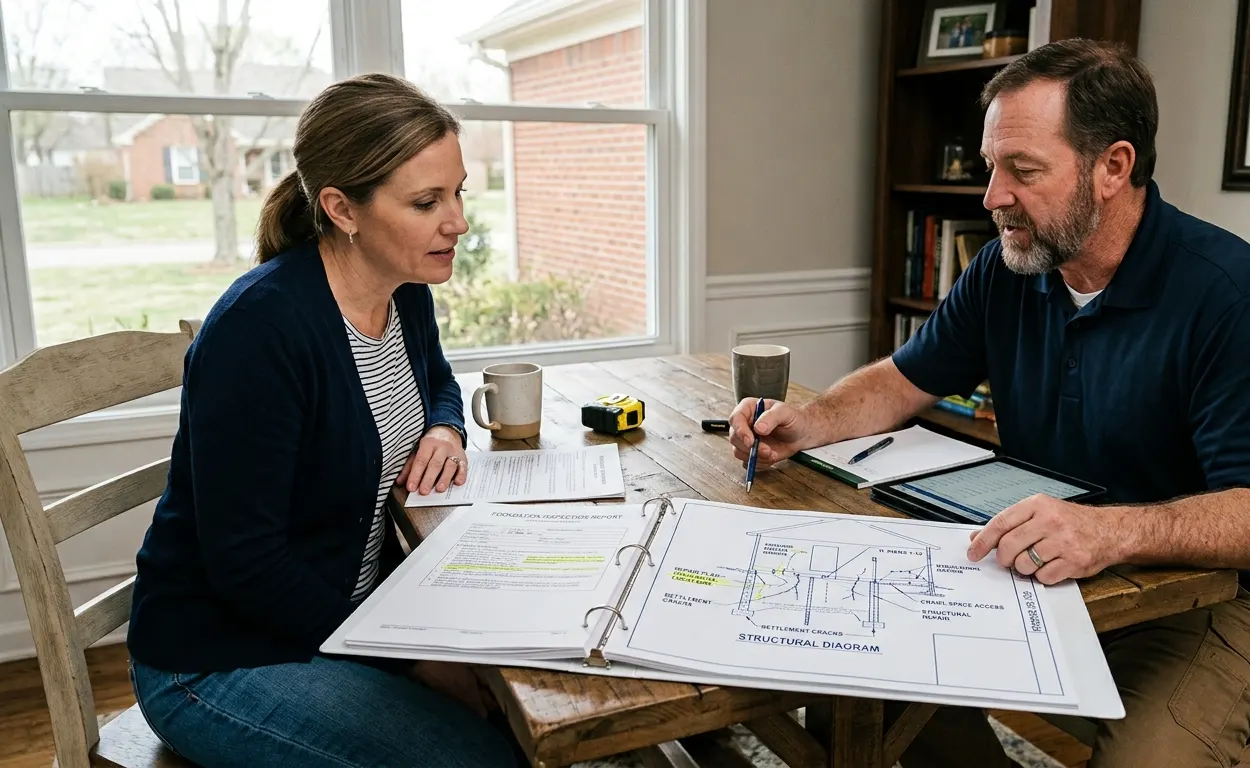
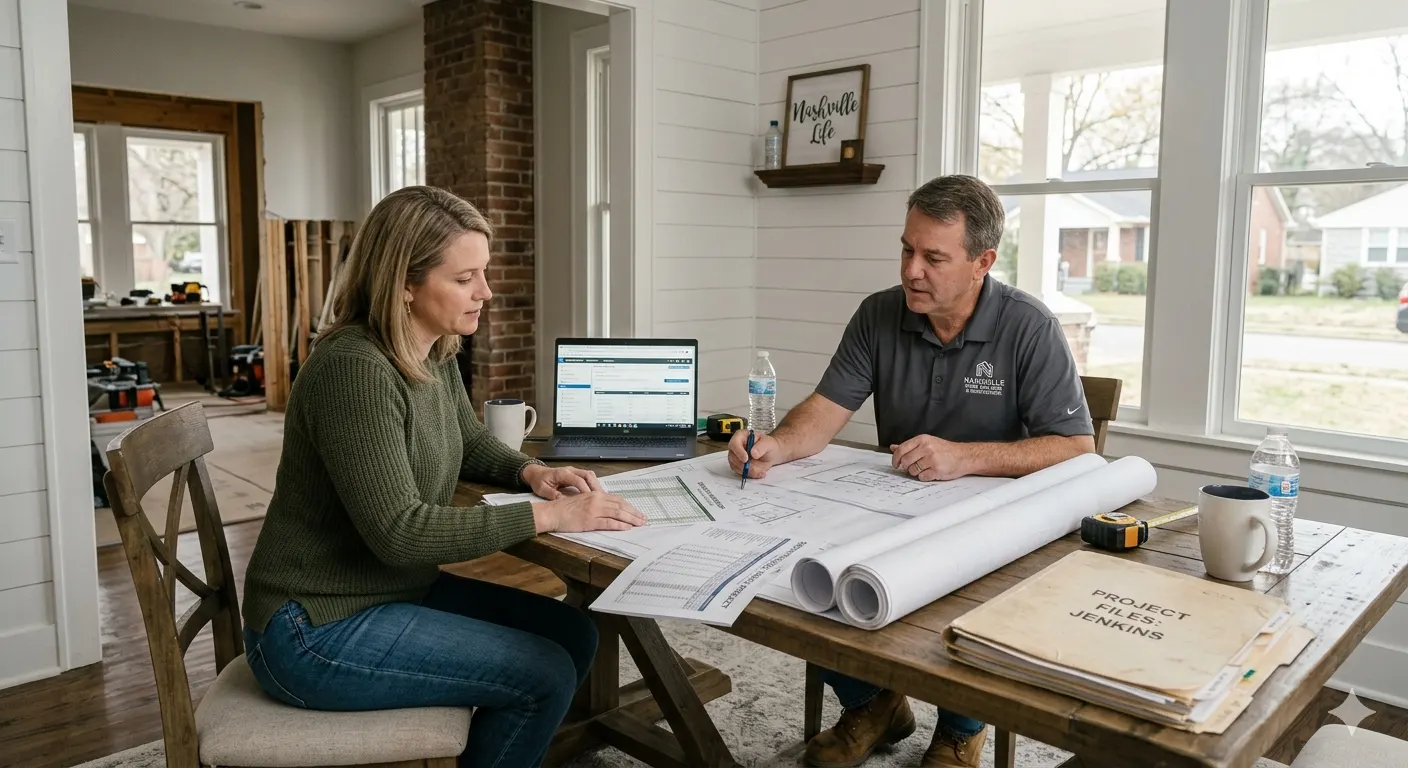
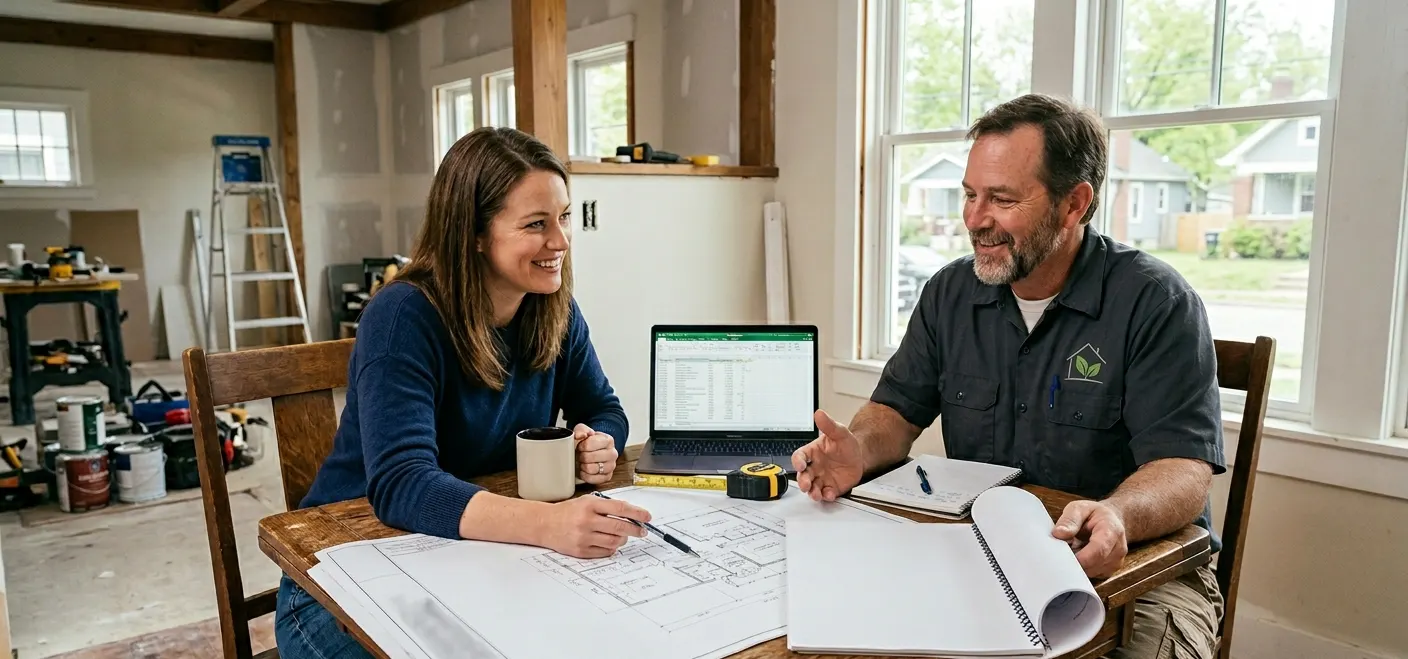
Managing the trades yourself means you become the person responsible for keeping the project moving. You hire each contractor separately, get everyone there in the right order, sort out scheduling conflicts, track permits and inspections, and deal with problems when one trade’s work affects another.
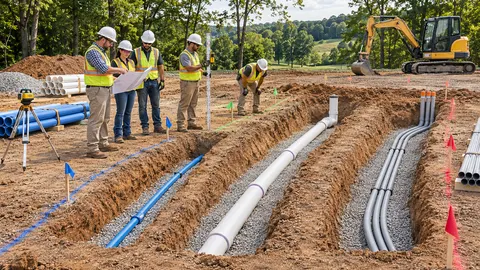
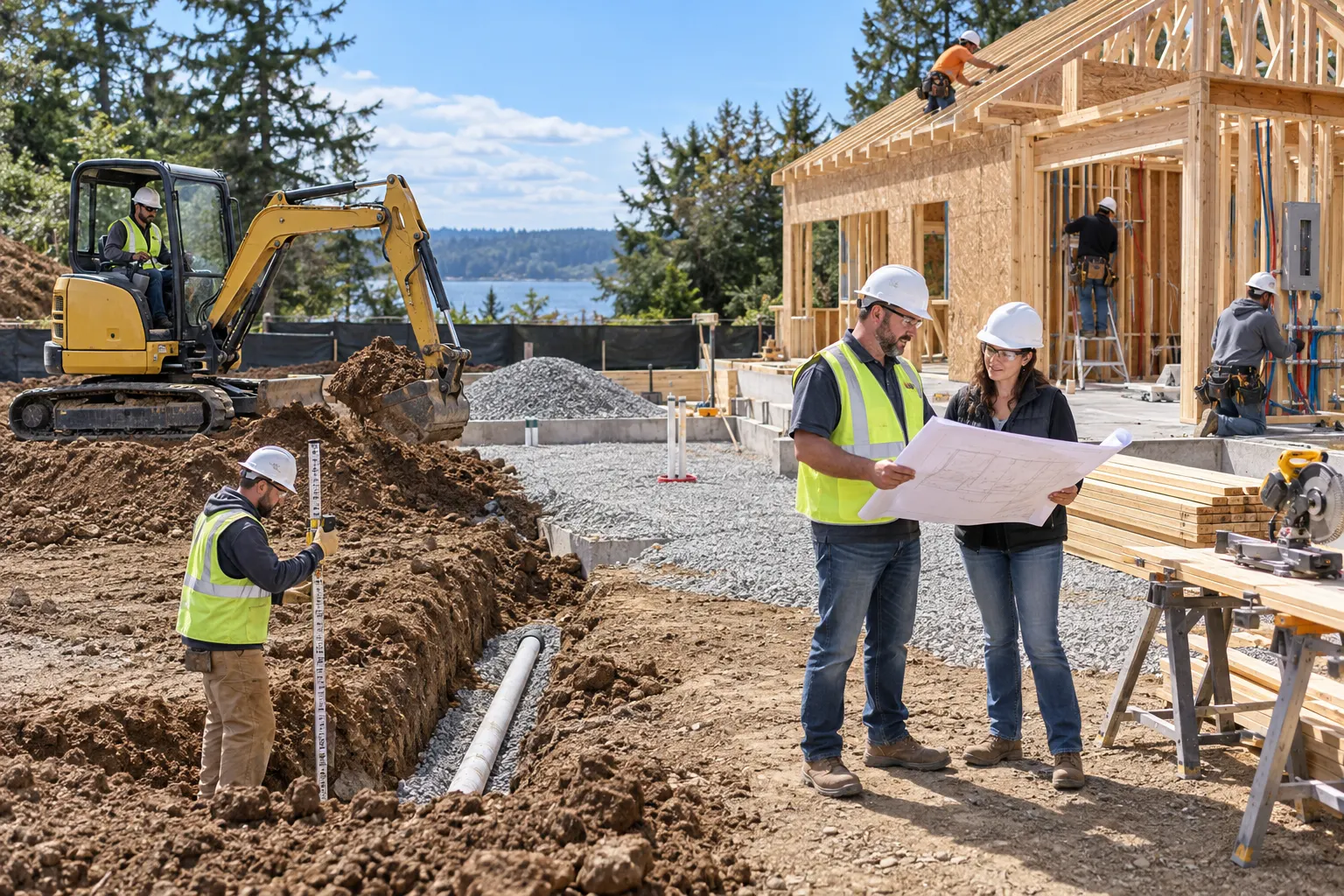
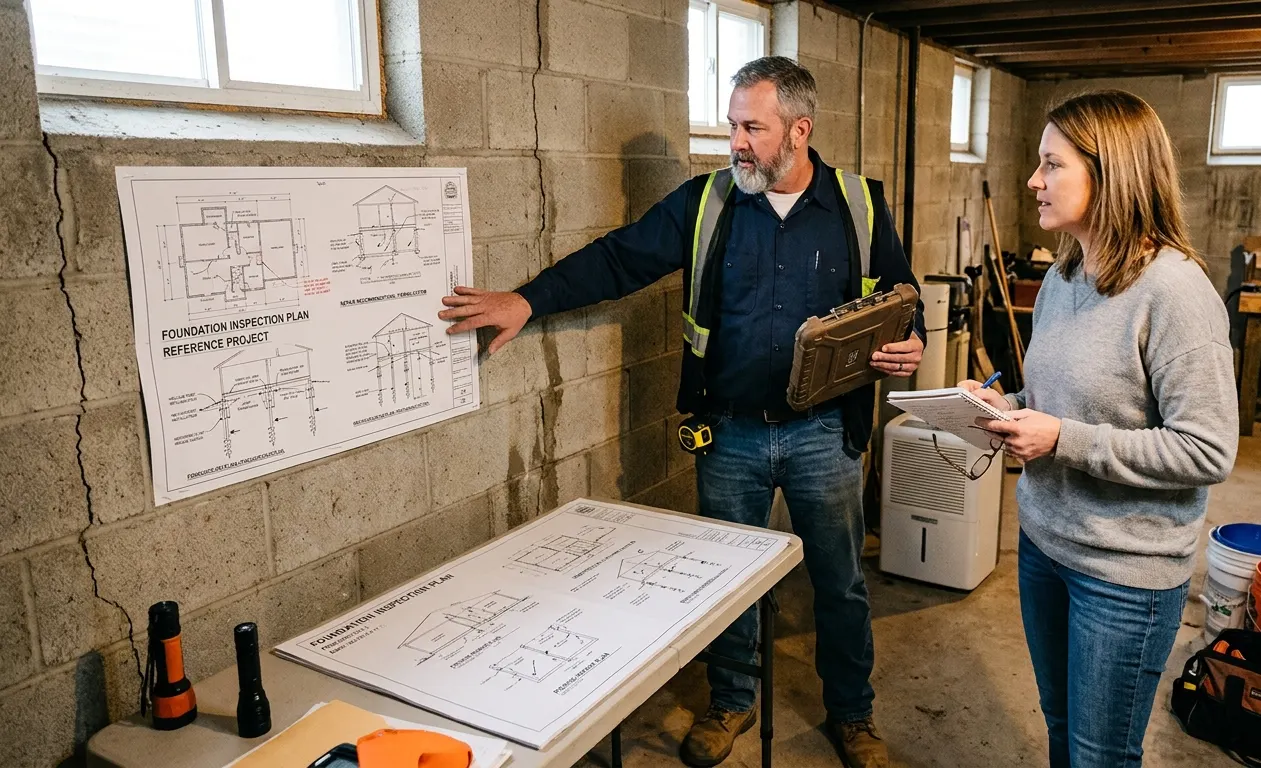
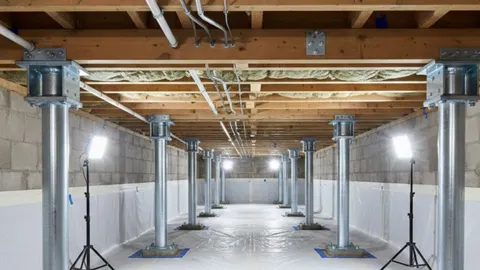
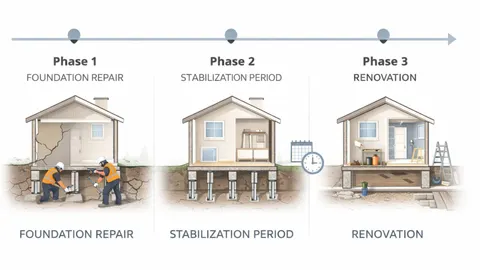
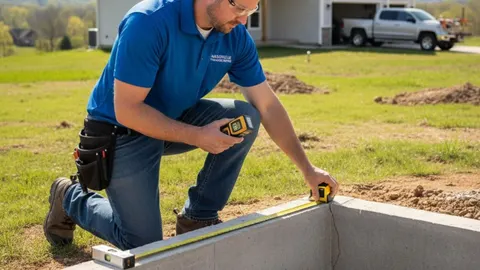
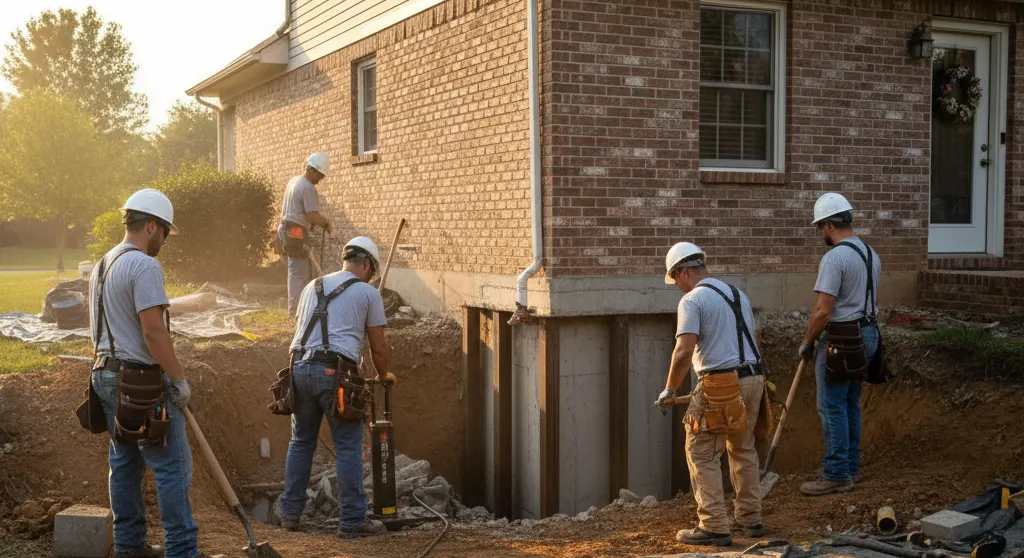
That’s manageable on a simple job. It gets much harder when excavation, drainage, concrete, framing, electrical, or plumbing work has to happen in a specific sequence. Picture an addition. Excavation comes before the foundation. Underground plumbing may need to be installed and inspected before any concrete is placed. Framing can’t start until the foundation is ready, and later work may depend on inspections passing at several points along the way. When you manage that yourself, each contractor is responsible only for their own piece. Nobody is automatically responsible for making the whole sequence work. That’s the job a general contractor takes on.
Which Projects Are Fine to Hire One Trade For?
If the scope is clearly limited to one trade, hiring that contractor directly is often the simplest option.
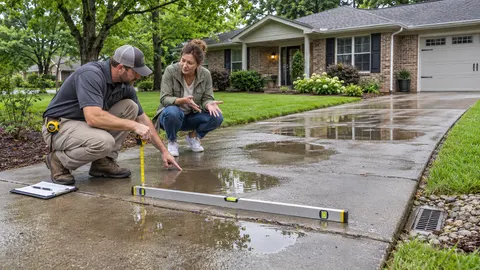
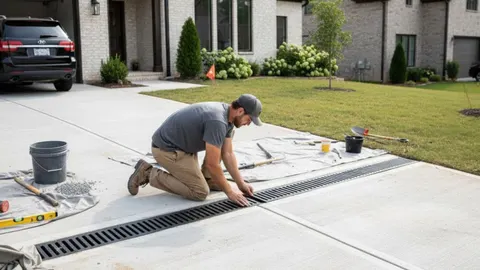
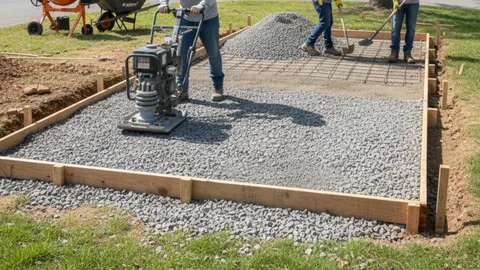
A basic concrete patio is a good example. If the site is easy to reach, the grading is straightforward, drainage is already handled, and nothing else ties into the project, you may only need a concrete contractor.
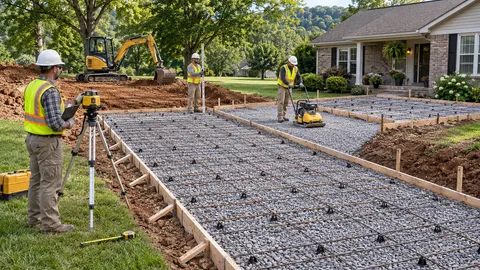
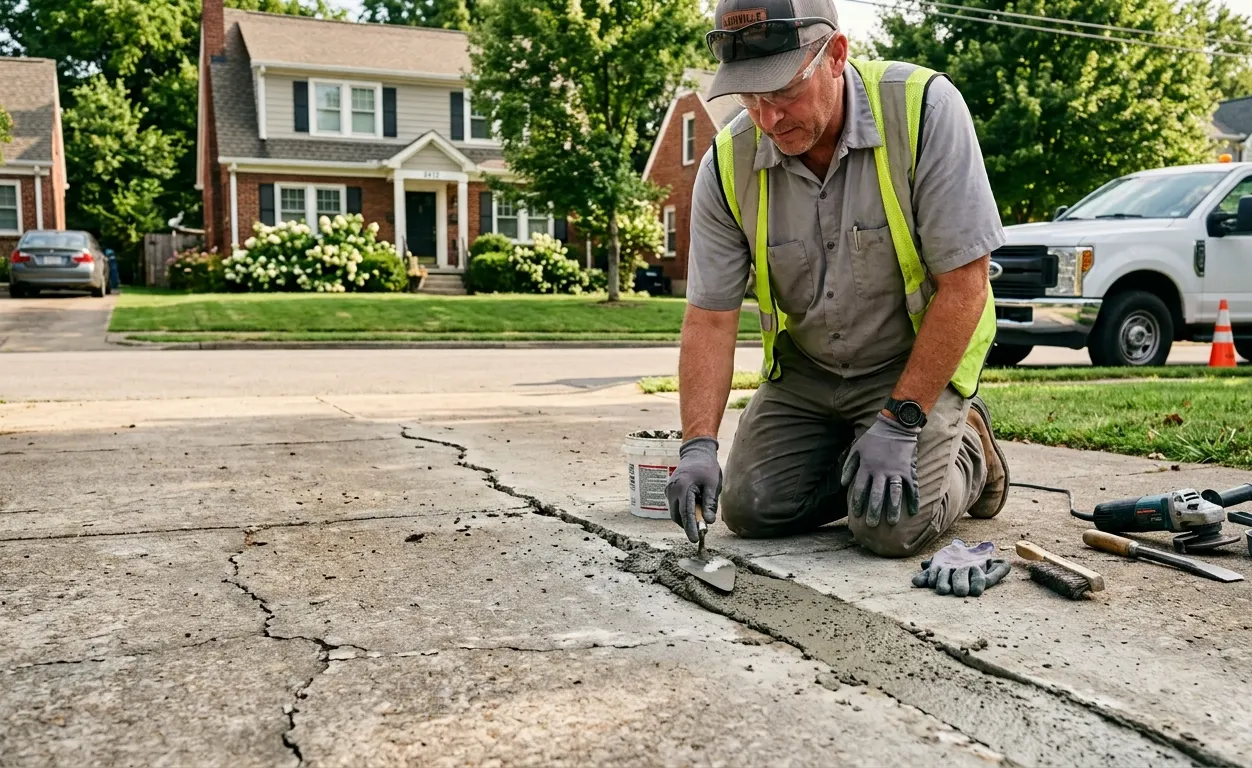
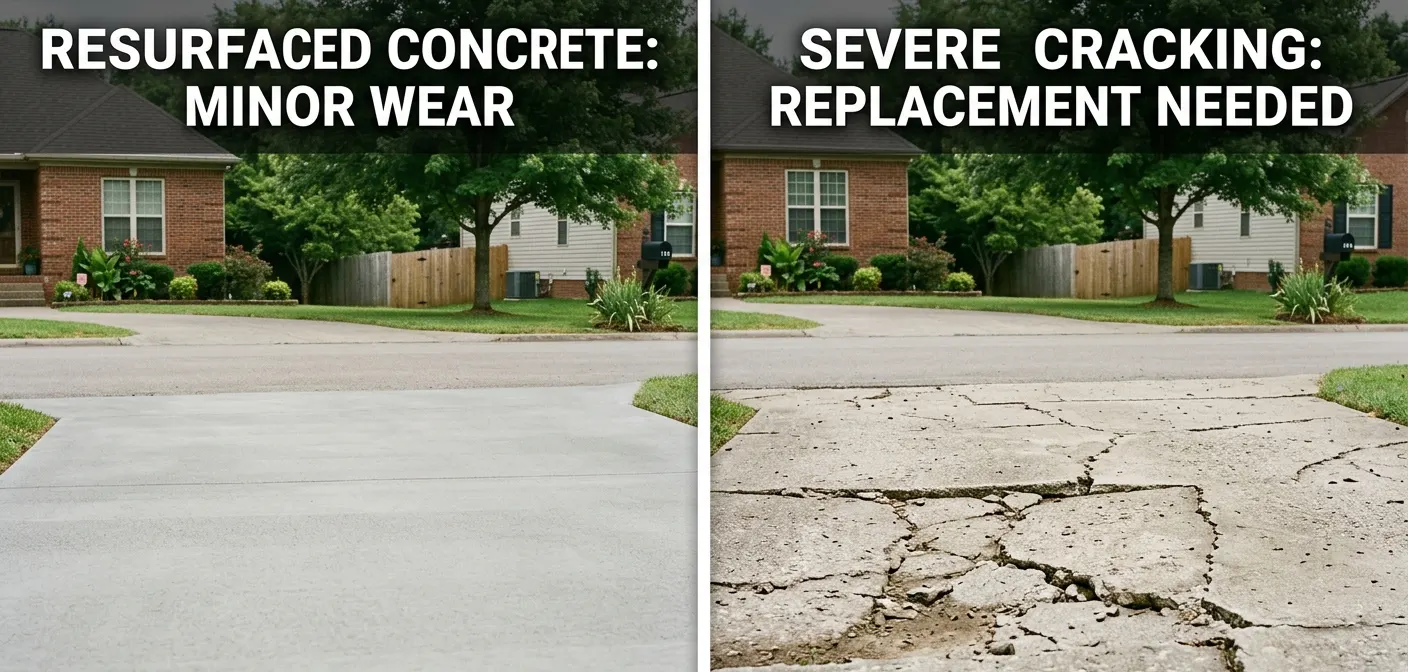
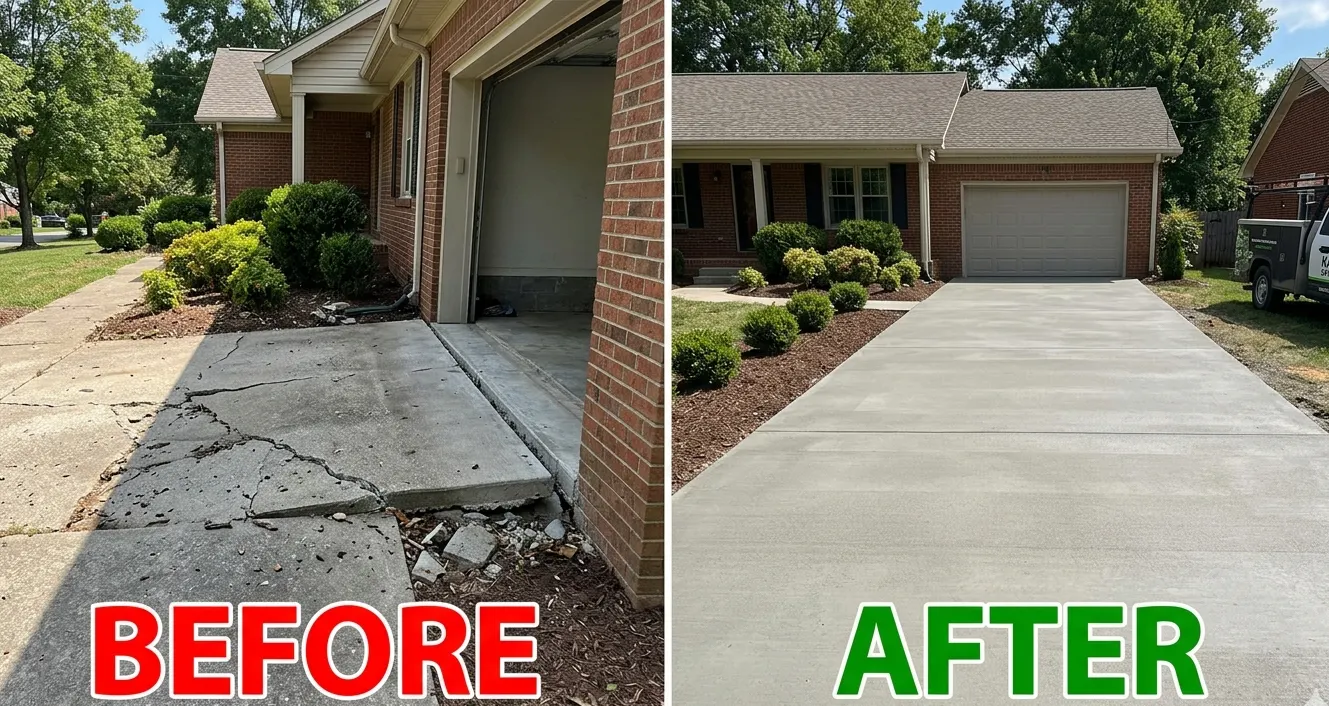
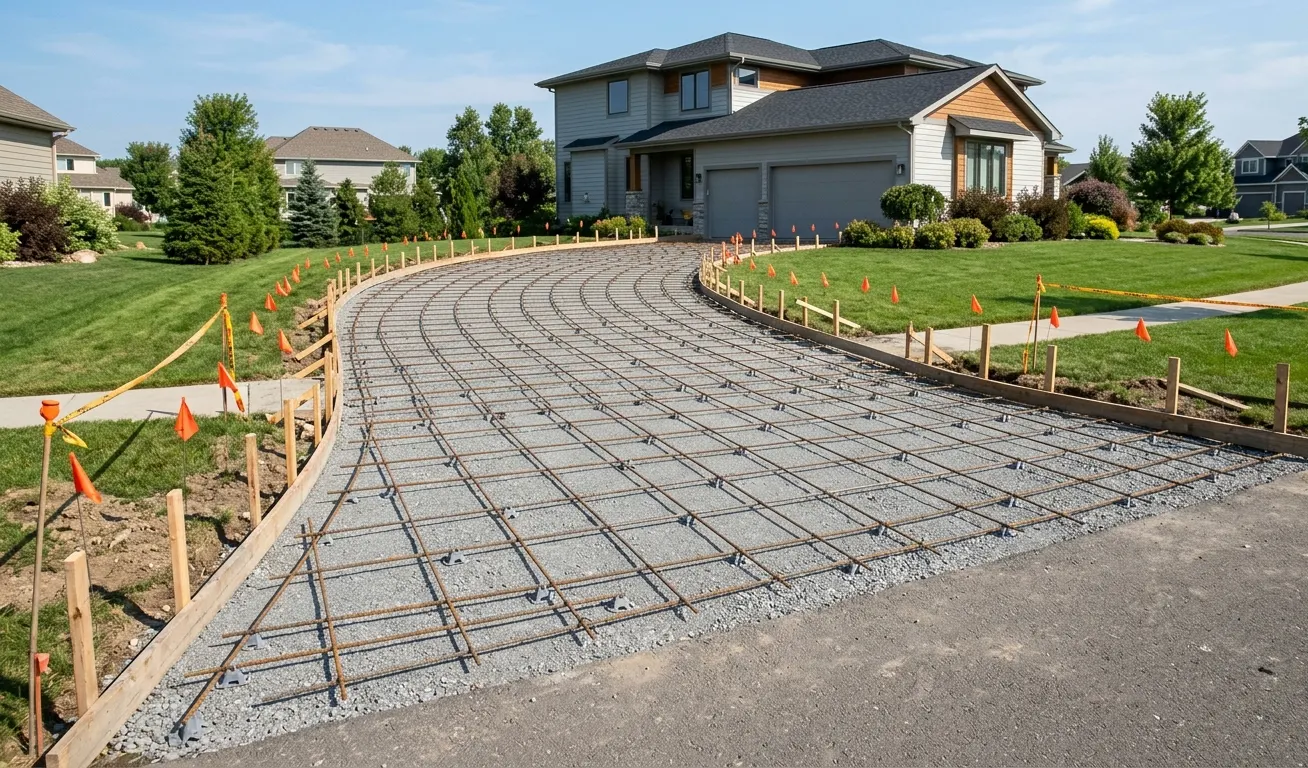
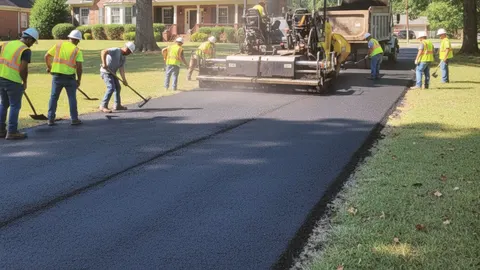
The same goes for a standard driveway replacement. If the work is demolition, site prep, forming, reinforcement, pouring and finishing, there may be no reason to add a general contractor on top.
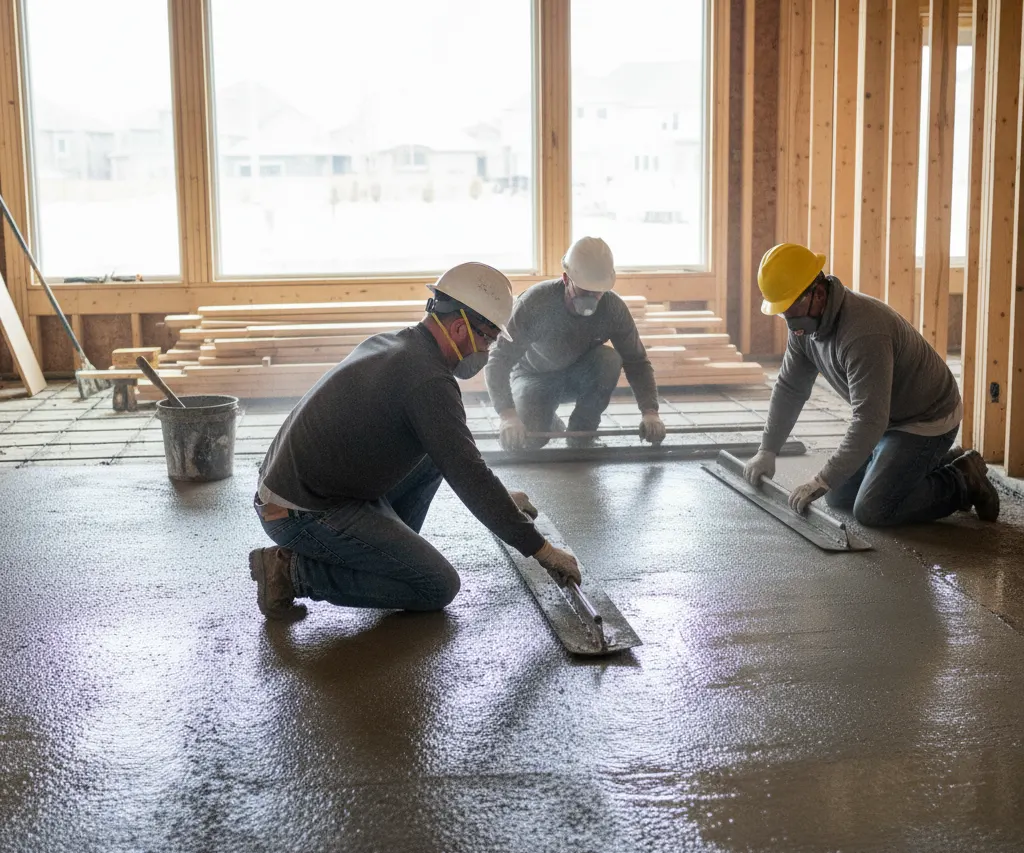
A small concrete pad, a sidewalk repair or another isolated improvement usually falls in the same category: one qualified contractor can own it from start to finish.
The real question isn’t “Is this a big project?” It’s “How many different scopes have to come together?” If the answer is one, hire the right trade.
Which Projects Usually Need a General Contractor?
Projects with multiple trades are where general contracting earns its keep.
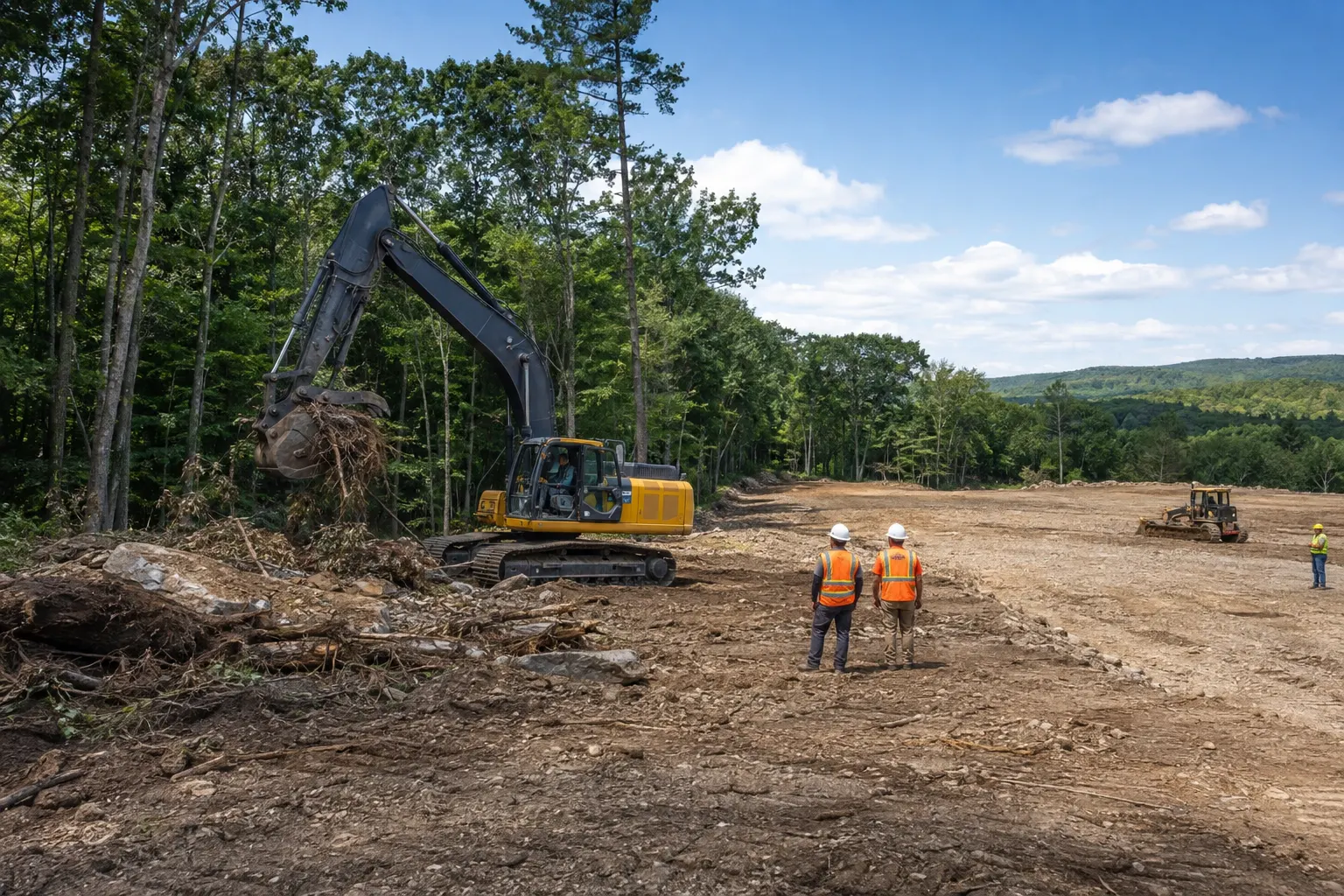
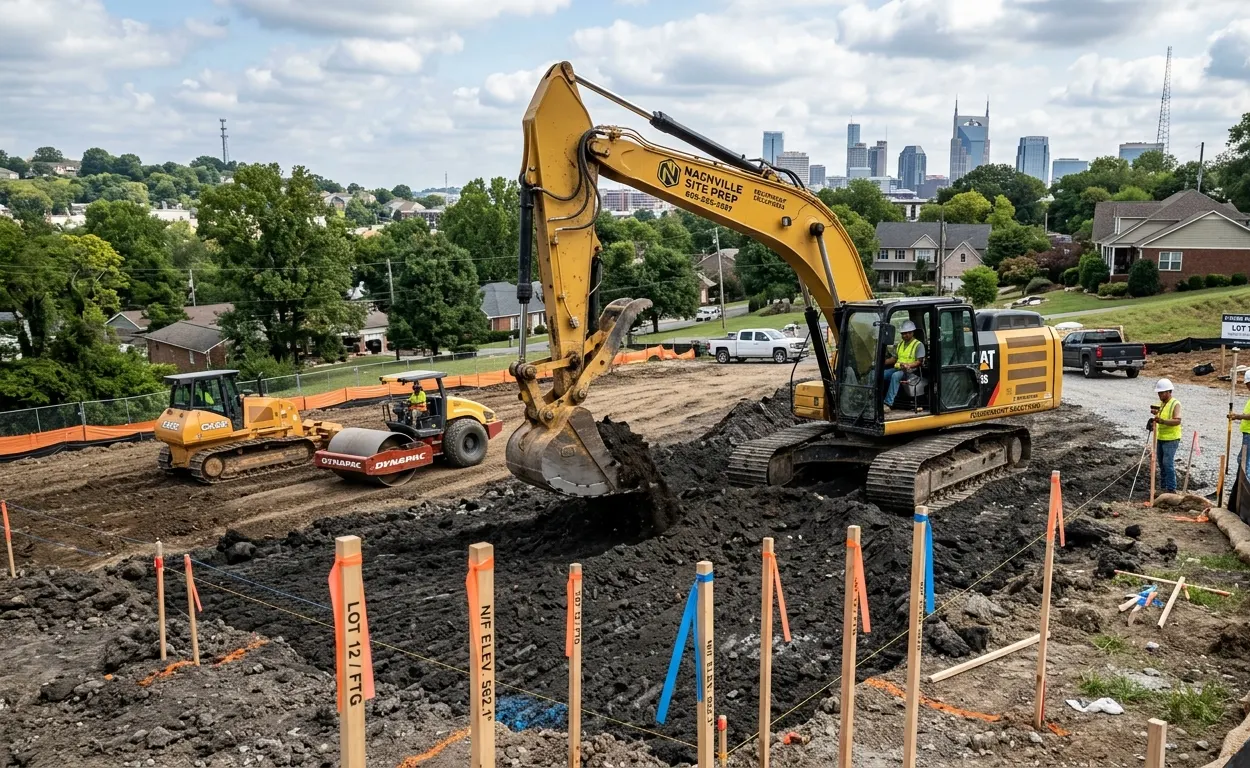
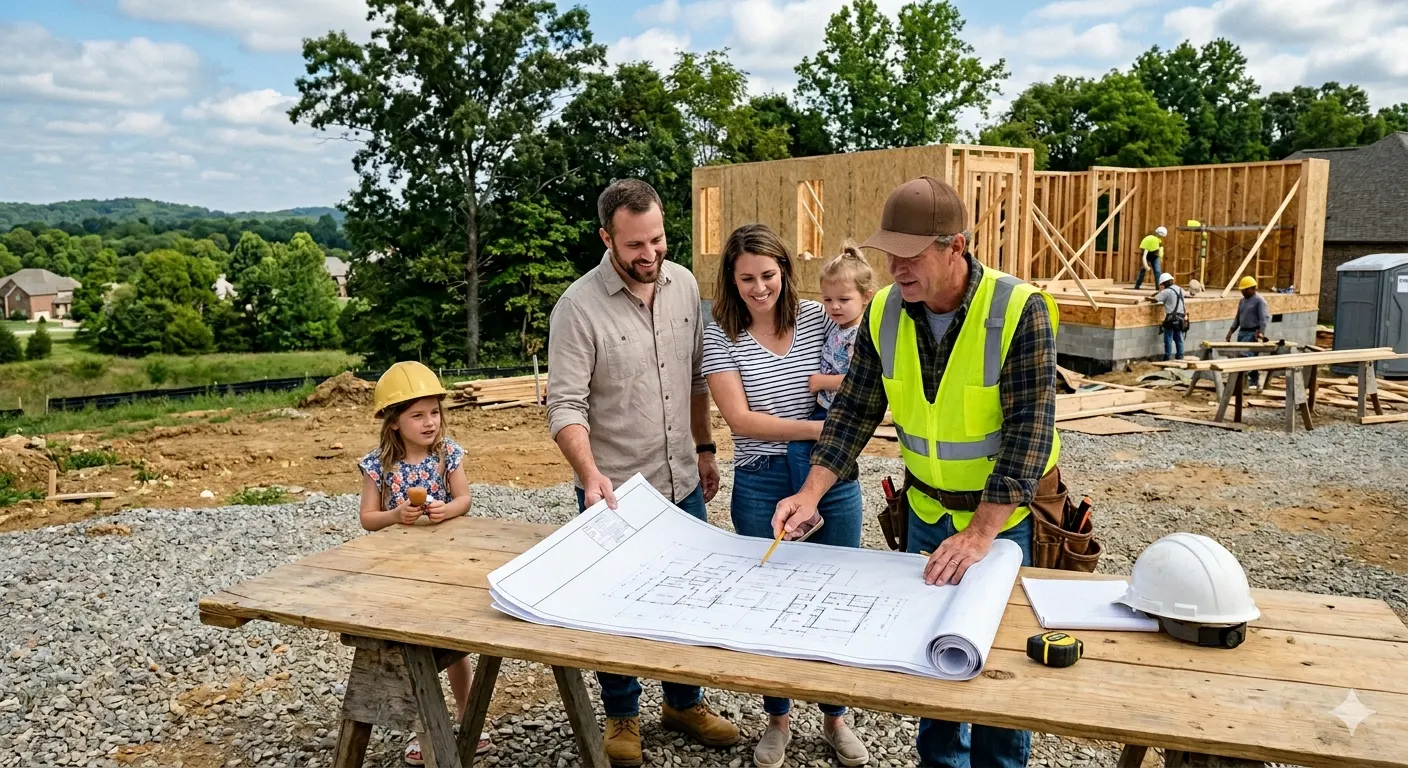
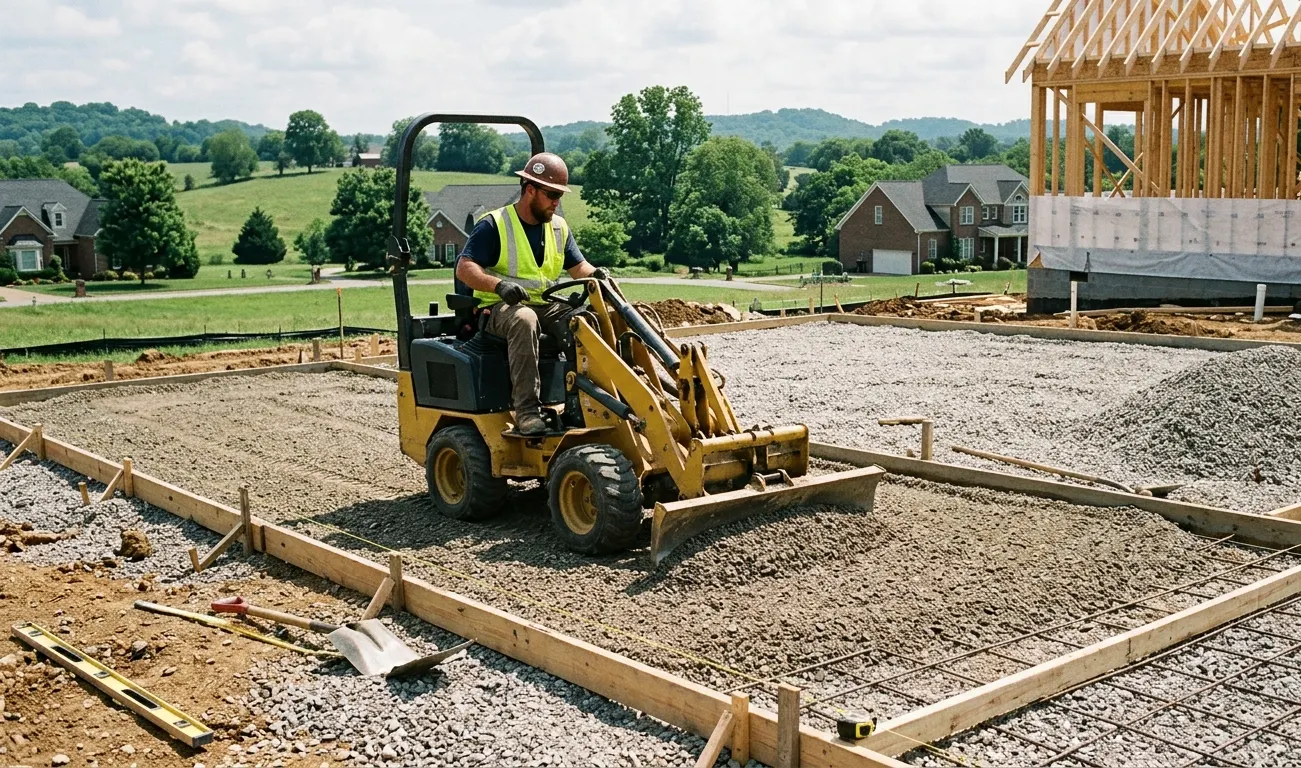
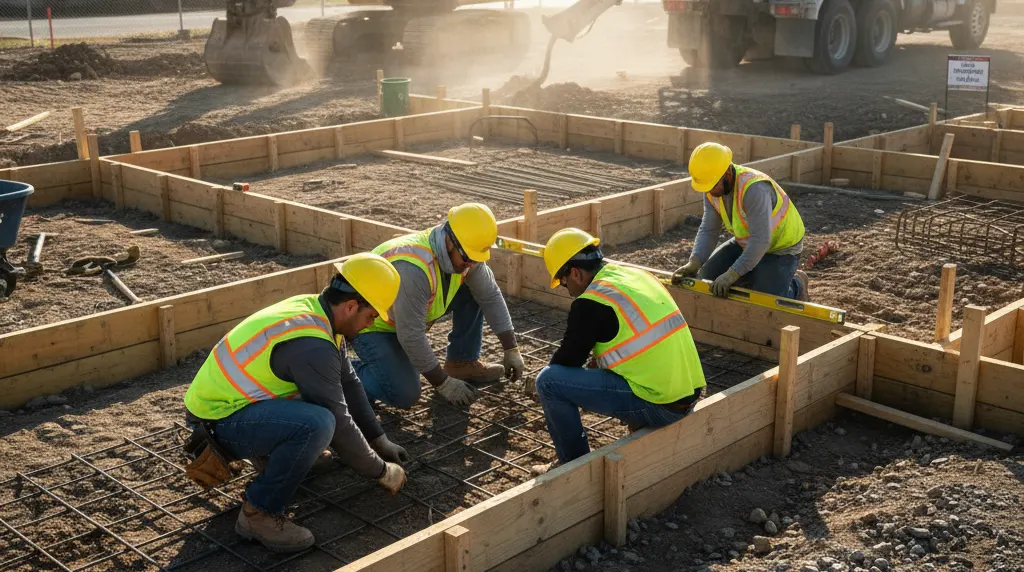
An addition can involve excavation, concrete, framing, roofing, electrical, plumbing, HVAC, insulation, drywall and finishes. A larger site project might combine excavation, retaining walls, underground utilities, drainage and concrete.
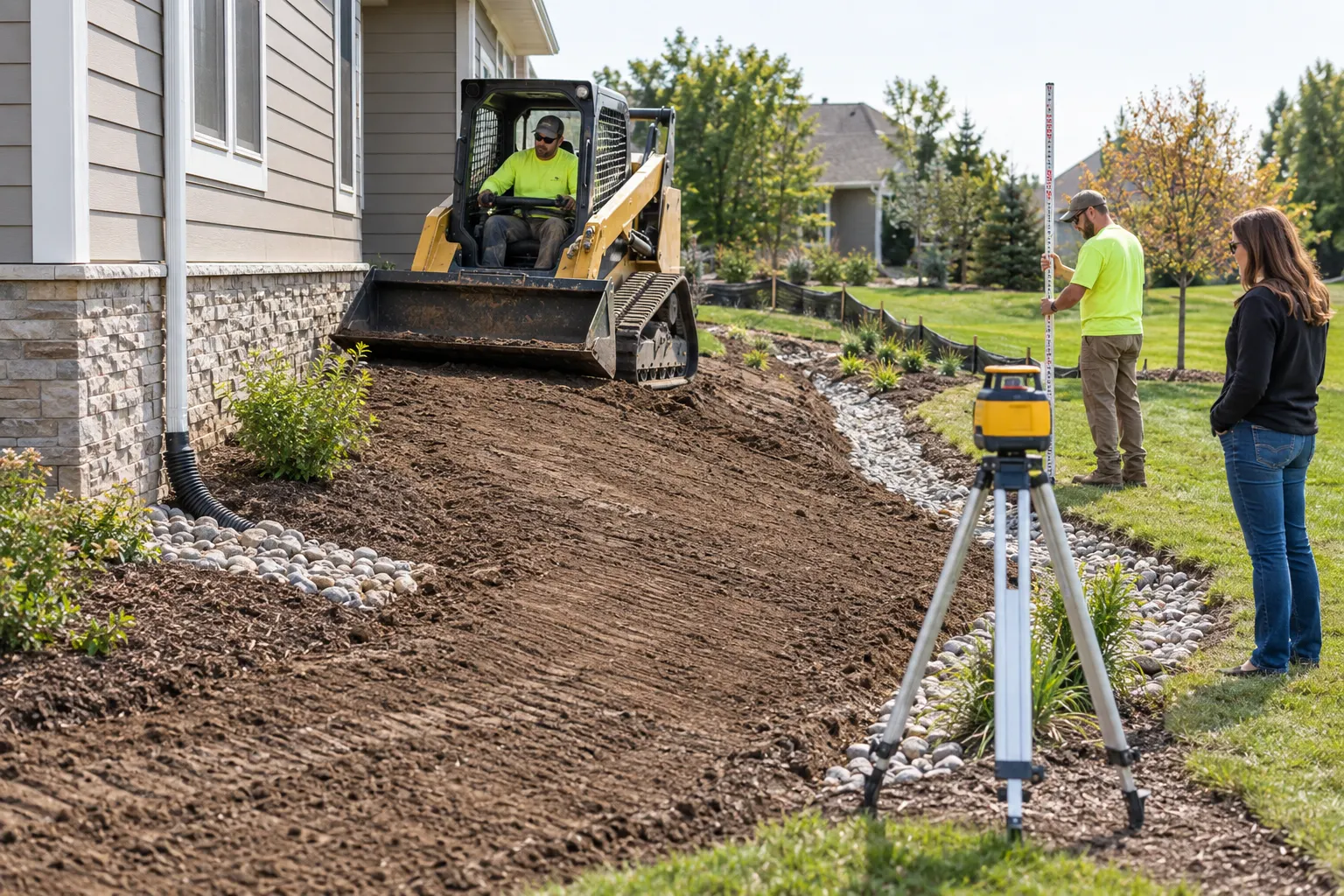
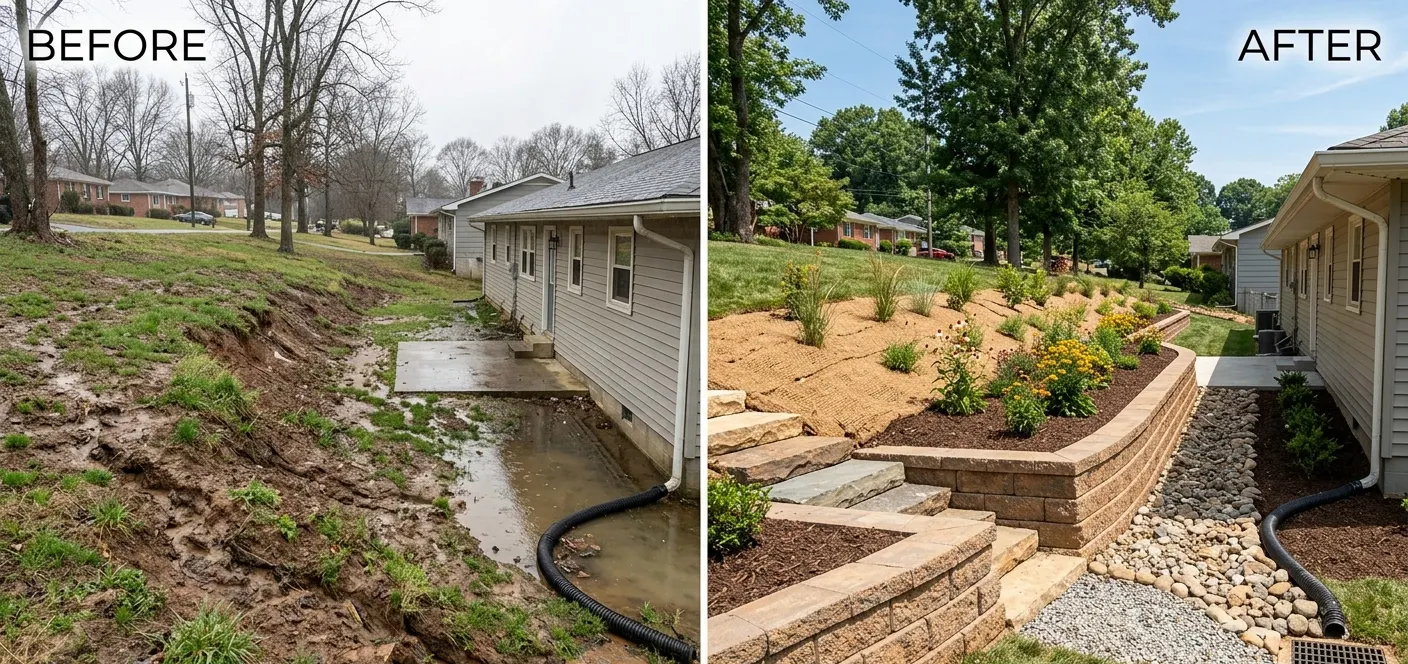
Even a patio can cross into general contracting territory when it’s part of a bigger outdoor project with grading, retaining walls, utilities, structures or major drainage changes.
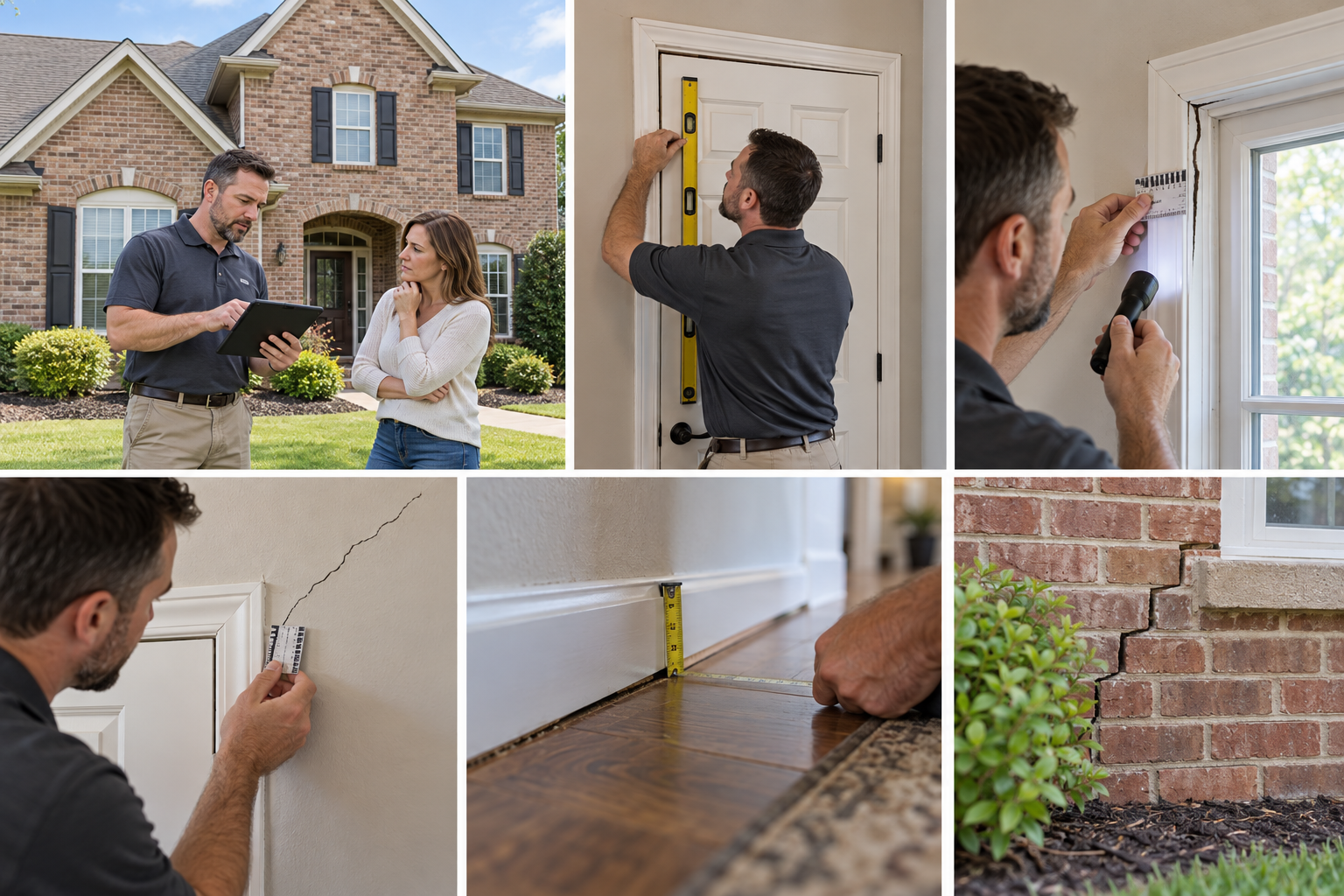
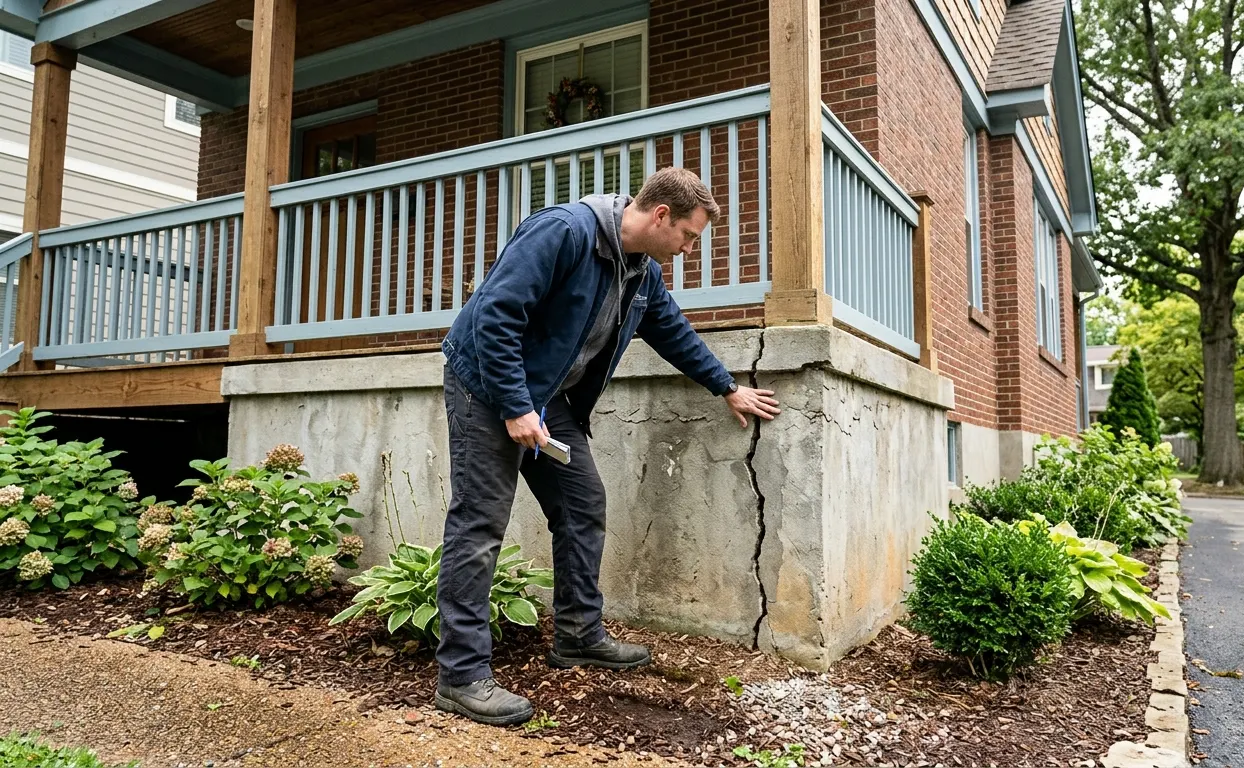
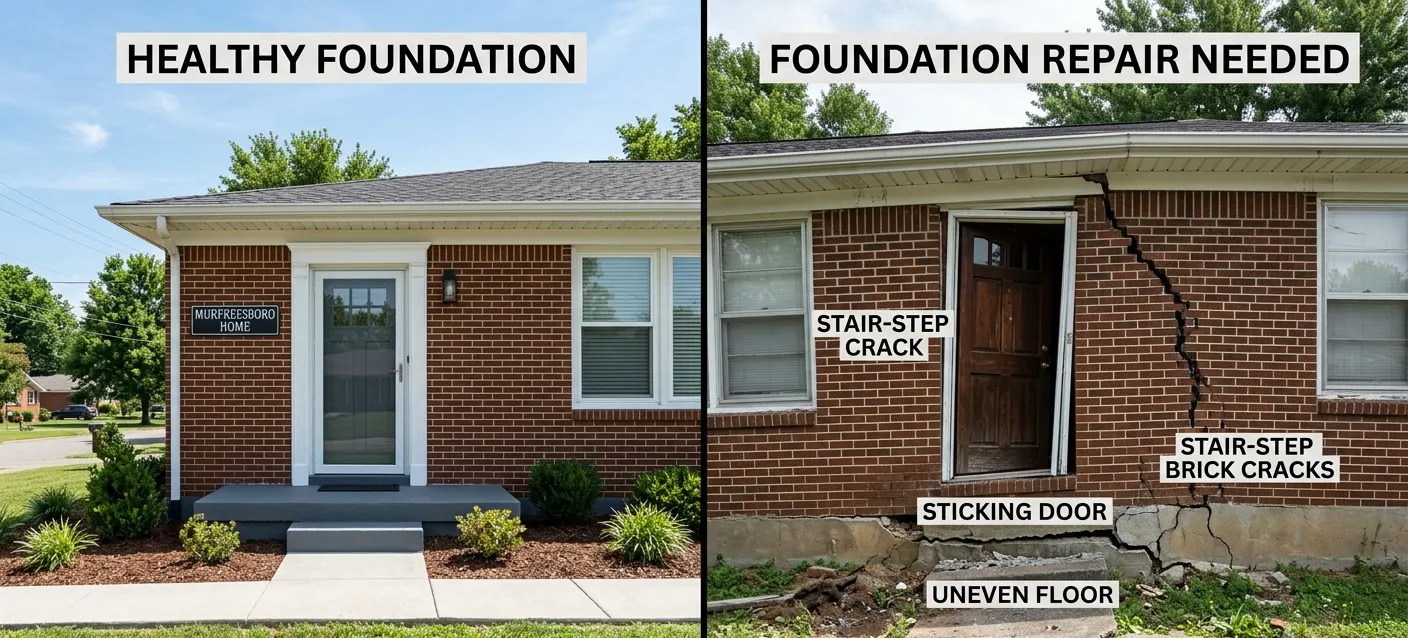
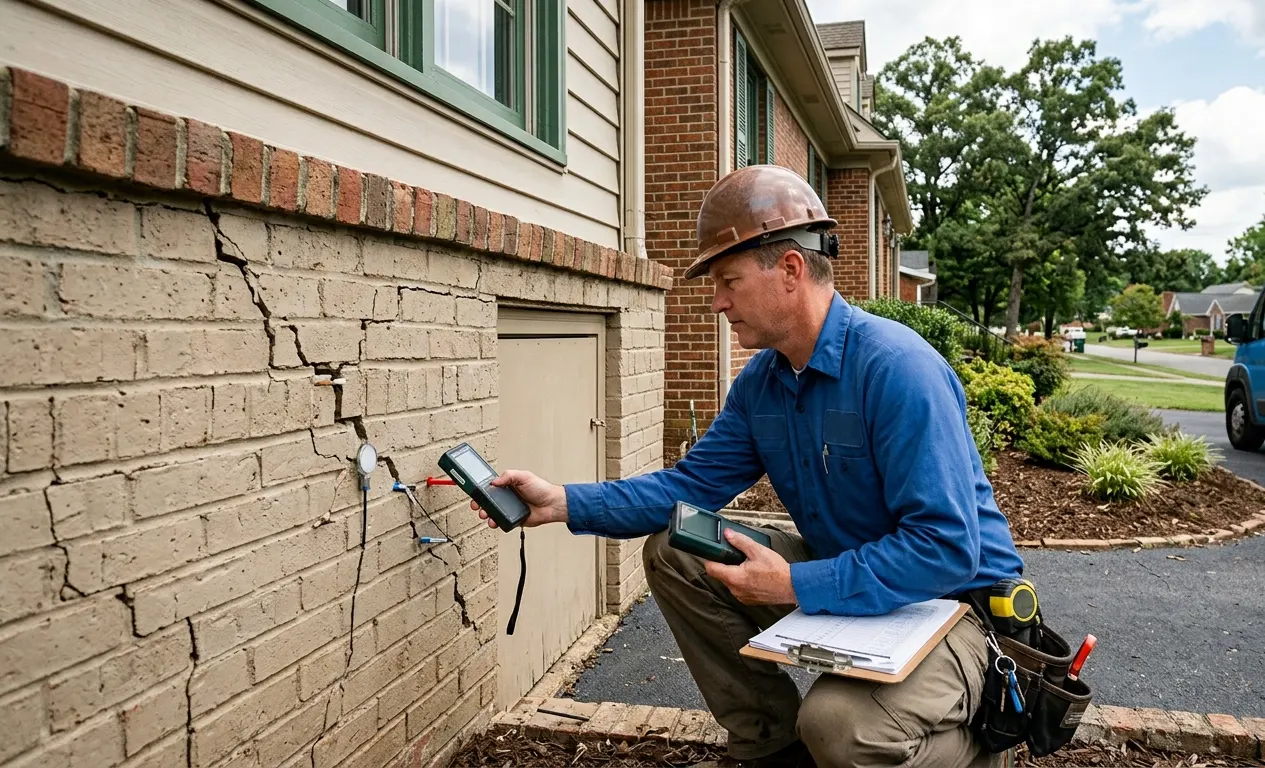
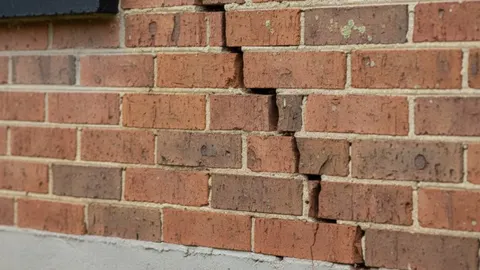
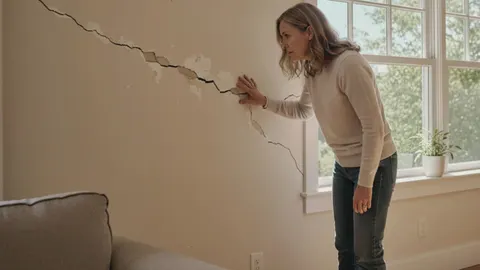
Structural work is another strong sign. Once a project touches foundations, framing, load-bearing elements, or several parts of the building at once, you don’t want each trade solving only its own piece without anyone watching the whole picture. Permits and required inspections add another layer on top of that. Our general contracting work is most valuable when several moving pieces have to stay coordinated from site prep through the finished job.
What Does a General Contractor Handle That Homeowners Usually Miss?
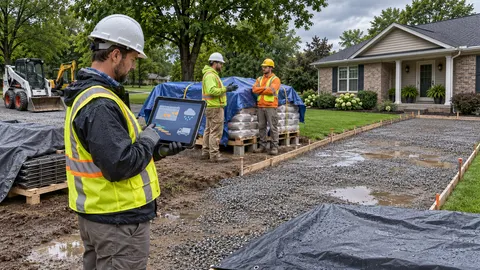
The biggest one is sequencing. Good construction isn’t just about getting the right contractors onto the property. They have to arrive at the right time. If the concrete crew shows up before the underground work is finished, somebody loses a day. If concrete goes in before required work is inspected, part of it may have to be opened back up. If framing dimensions don’t match the foundation, the next crew inherits the problem.
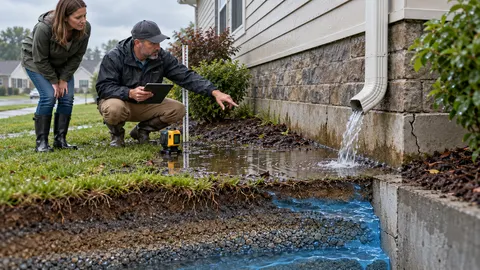
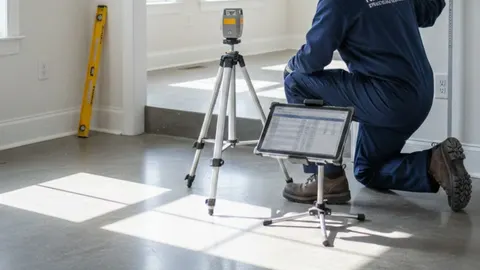
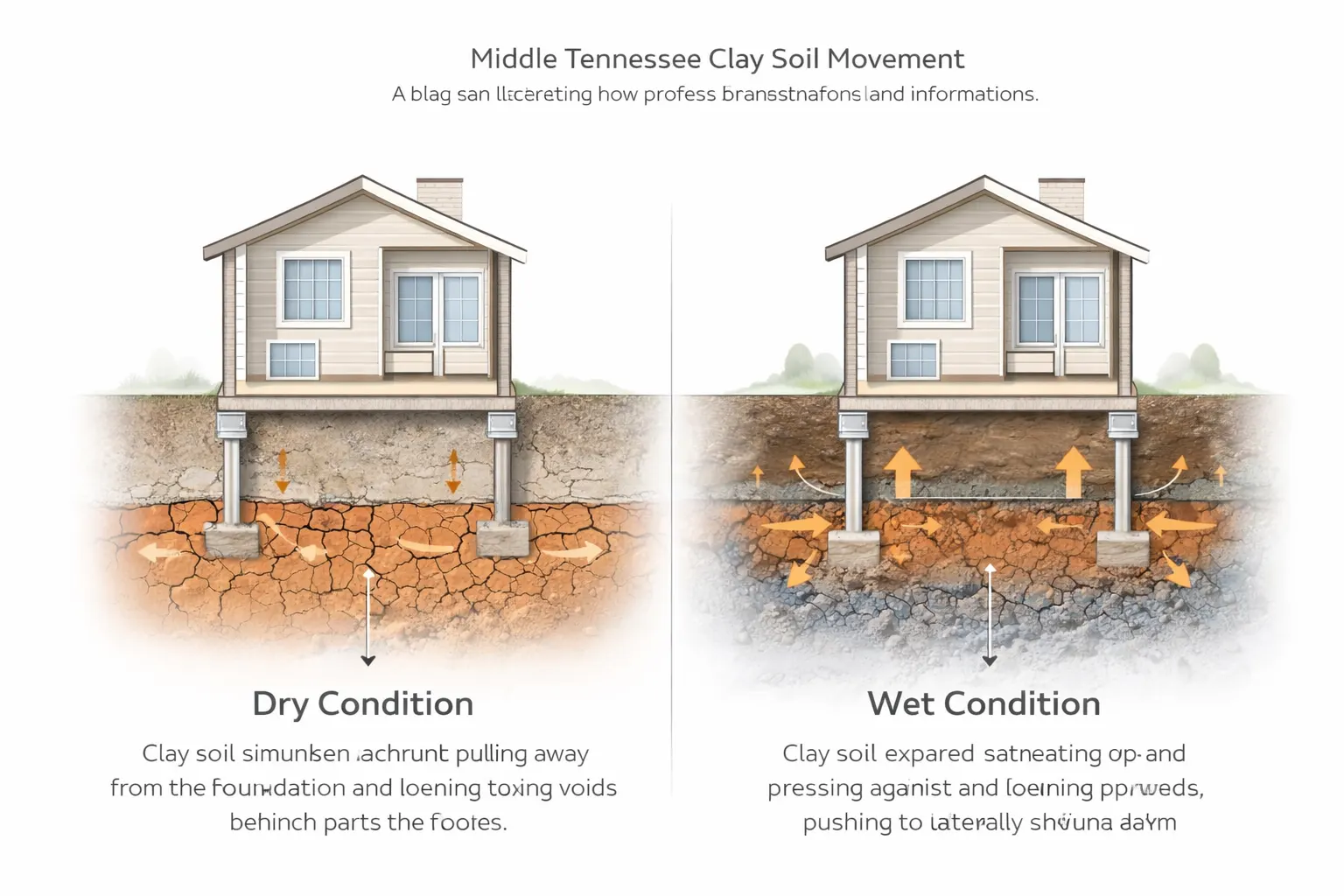
A general contractor builds the schedule around those dependencies. We also coordinate inspections, which means knowing when work has to stop for an inspector and when the next phase can safely begin. Then there are change orders. Construction sometimes uncovers conditions nobody could see beforehand: poor soil under the excavation, an old drain line right where a new footing needs to go, or damaged material behind a wall. Someone has to explain what changed, what it affects, and what your options are before work continues.
Most importantly, a general contractor gives you one point of accountability. Instead of the concrete crew blaming the excavator while the excavator blames the plans, you have one person responsible for the whole job.
Does Hiring the Trades Yourself Really Save Money?
Sometimes it does. If you know construction, understand scheduling, have reliable trade contacts, and have the time to manage the work, you can avoid paying for general contractor management. That’s the appeal. But the math changes fast once delays and rework start.
Saving on markup doesn’t help much if a crew arrives before the site is ready and charges for lost time. It doesn’t help if one trade installs something in the wrong spot and another crew has to tear it out. And it doesn’t help if an inspection gets missed and finished work has to be exposed again.
You also have to put a value on your own time. Calls, schedules, material deliveries, inspections, questions, and disputes can turn into a second job when several contractors are involved.
So when you’re weighing a general contractor vs hiring individual trades, I’d take the cost of coordination problems as seriously as the GC fee itself. If you’re comparing contractors, these questions to ask before hiring a general contractor will help you find out who will actually manage those details.
What Does Tennessee Require of Contractors?
Tennessee licensing depends partly on the value and type of work. According to the Tennessee Board for Licensing Contractors , you need a state contractor license before bidding, offering a price, negotiating, or contracting on projects of $25,000 or more, counting both materials and labor. Some trades have their own licensing requirements, and local licensing or permit rules can still apply below the state threshold.
Before you hire anyone, check the license yourself instead of just asking whether they have one. The state’s online license lookup takes a couple of minutes and shows whether a license is active.
Don’t assume that splitting a larger project into smaller contracts gets around the licensing rules, either. Tennessee looks at the project as a whole and the contractor’s role in it, and dividing a job up to dodge the requirement isn’t allowed. Permits are a separate question. Having a license doesn’t mean every project needs a permit, and a project under the licensing threshold isn’t automatically permit-free. Your local building department sets most permit and inspection requirements, so confirm them before work starts.
How We Decide Whether a Job Needs Us as GC or Just as the Concrete Crew
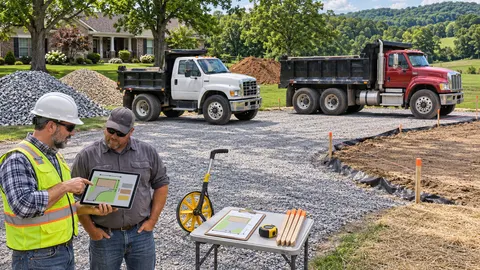
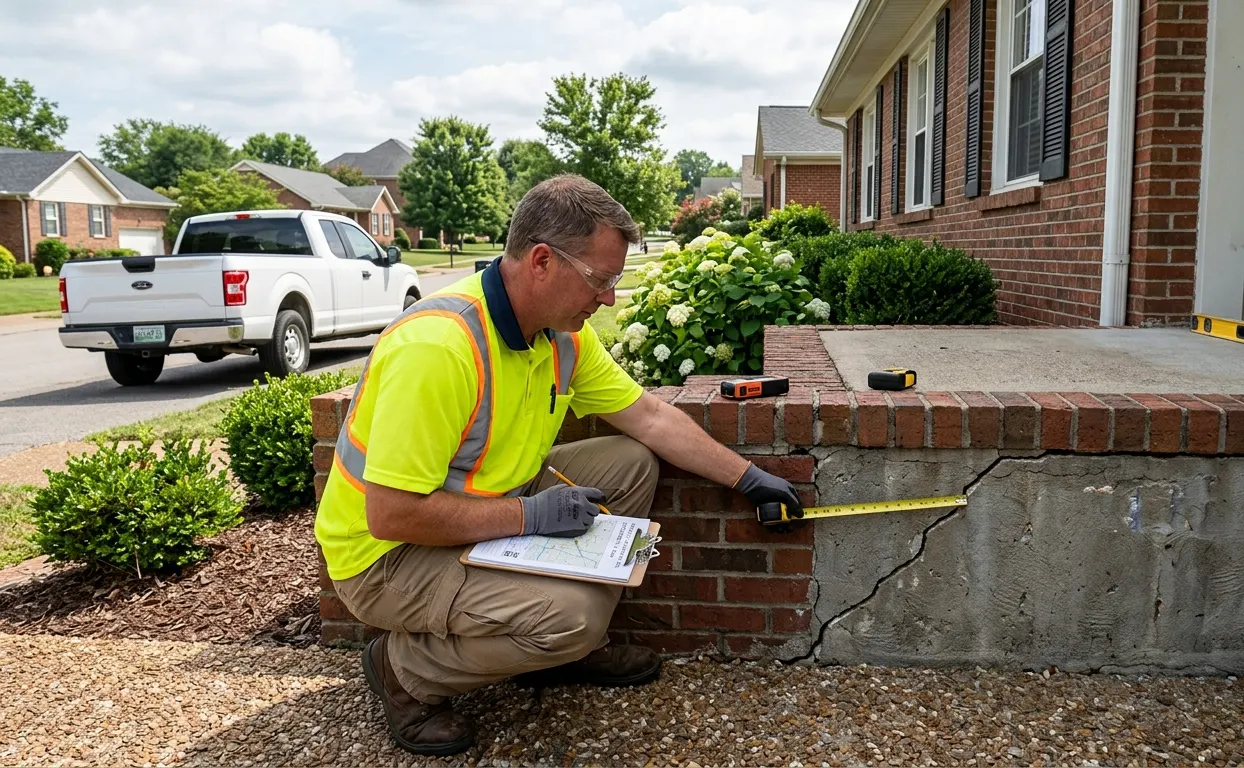
We start by looking at the entire scope. If you call us about a driveway and the job really is just a driveway, there’s no reason to turn it into a general contracting project. We’ll focus on the concrete work you actually need. If you call about a patio but the job involves significant excavation, drainage changes, retaining walls, structural elements, utilities, or several other trades, coordination becomes part of the work. The same goes for site development and additions.
My rule of thumb is simple: if more than two trades are involved, or anything has to pass an inspection before it gets covered up, you need someone running the schedule. Once one contractor’s work depends on another finishing something correctly and on time, those dependencies stack up fast.
We also look at risk. If one scheduling mistake would only push the project back a day, managing it yourself can be reasonable. If one mistake could mean tearing out concrete, failing an inspection, idling several crews or changing structural work, I’d want one person responsible for the whole sequence.
Here’s a situation we see more often than you’d think. A homeowner hires an excavator, a plumber and a concrete crew separately for a garage or shop slab. The concrete crew is booked before the plumber’s under-slab lines have been inspected, so the pour gets canceled the morning of, and the ready-mix order and crew have to be rescheduled. In the worst version, the slab gets poured anyway, and a section has to be cut out so the inspector can see the pipe. One person watching the sequence would have held the pour until the inspection passed. That’s where the real cost of coordination shows up: not in the GC fee, but in the days lost and the work done twice.
General Contractor vs Hiring Individual Trades: A Simple Way to Decide
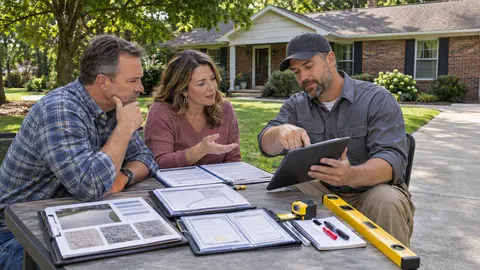
If one qualified trade can complete the entire scope without depending on several other contractors, hiring that trade directly makes perfect sense. If the job needs several trades, structural work, permits, inspections, excavation plus concrete, or careful sequencing, a general contractor gives you much better control over the project. Either way, don’t make the choice based only on avoiding a markup. Ask what happens if schedules conflict. Ask who handles inspections, who decides which crew goes first, and who takes responsibility when one trade’s work affects another.
If every answer points back to you, you’re not just the homeowner anymore. You’re acting as the general contractor. We’re comfortable telling you when that extra layer of management is worth paying for and when it isn’t. If you’re planning a patio, driveway, addition, excavation, concrete project, or larger site job in Middle Tennessee, contact us for a quote . Tell us what you’re trying to build, and we’ll help you figure out whether you need one trade or someone coordinating the whole project.