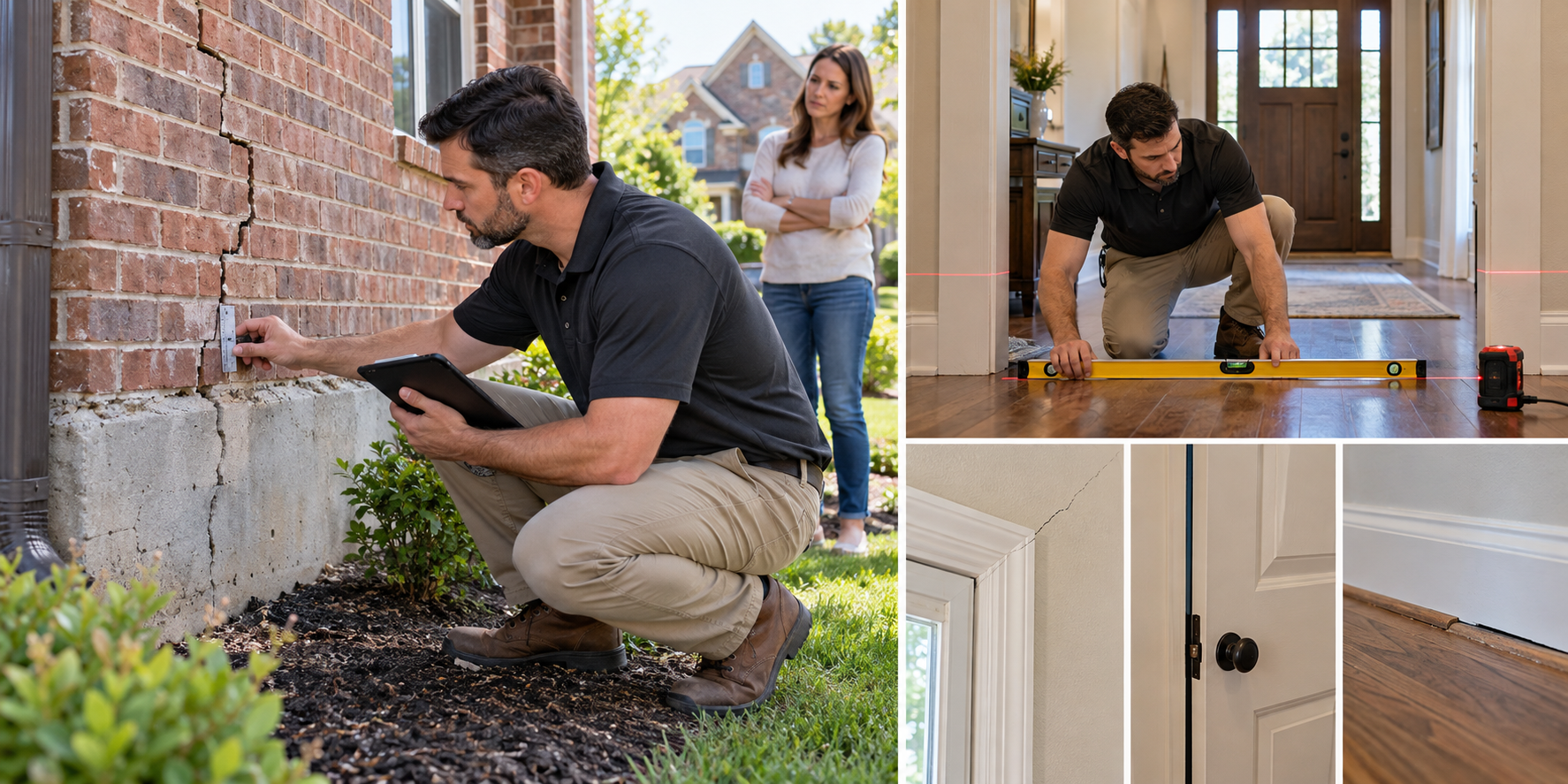
You notice a crack near a window. Then a door starts sticking. A few weeks later, one part of the floor seems slightly lower than the rest. At that point, it is natural to wonder what is happening with your Foundation and what a professional inspection will actually involve. At GK Construction Solutions, we understand that homeowners often worry that calling for an inspection automatically means they will be told they need a major repair. That is not how a useful evaluation should work. The first goal is to understand what is happening. For homeowners researching
foundation repair in Murfreesboro, TN, knowing what to expect during an inspection can make the process much less stressful. A good inspection looks at the symptoms inside the home, visible foundation conditions, drainage, grading, soil conditions, and patterns of movement before determining whether repair may be necessary.
What Happens During a Foundation Inspection?
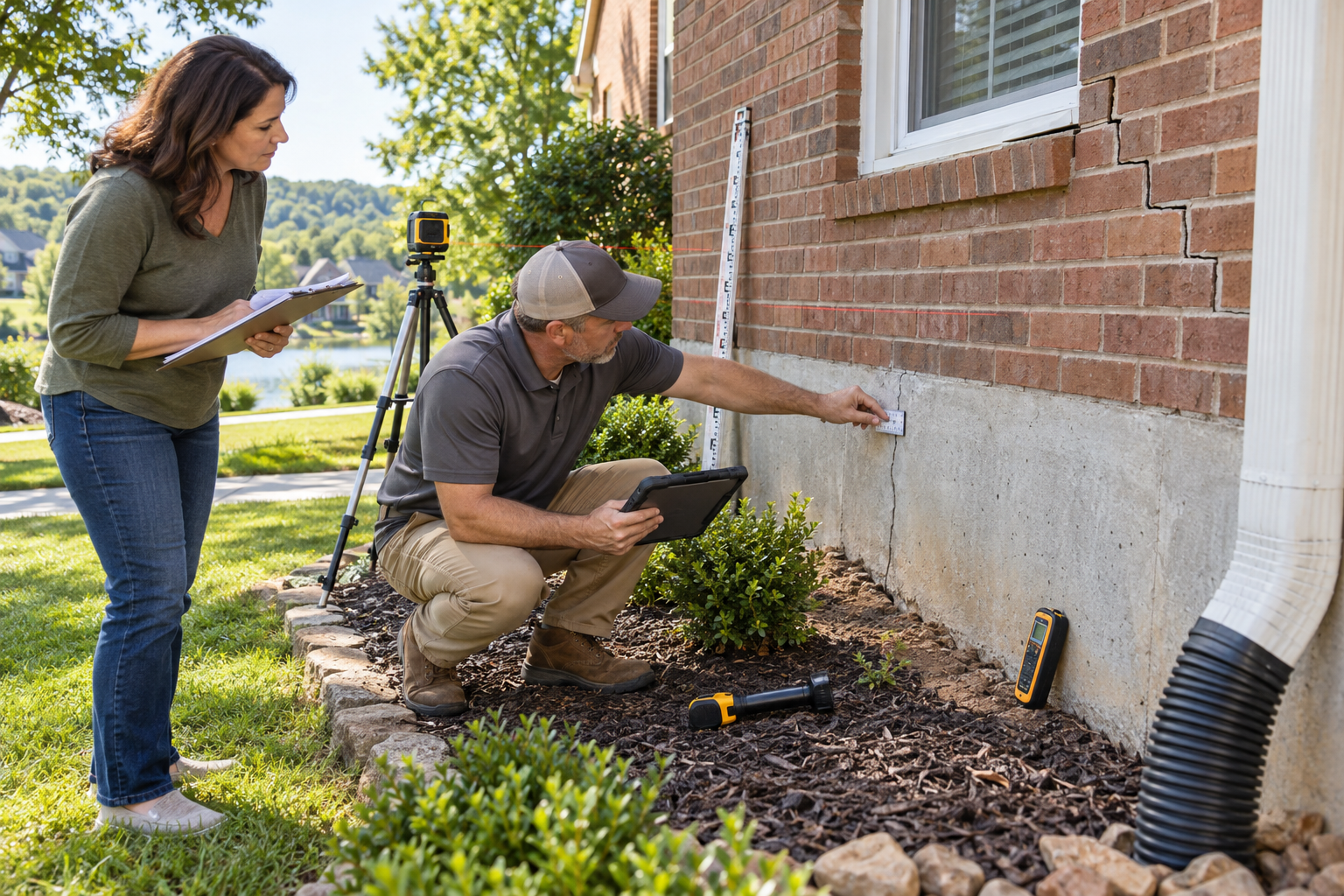
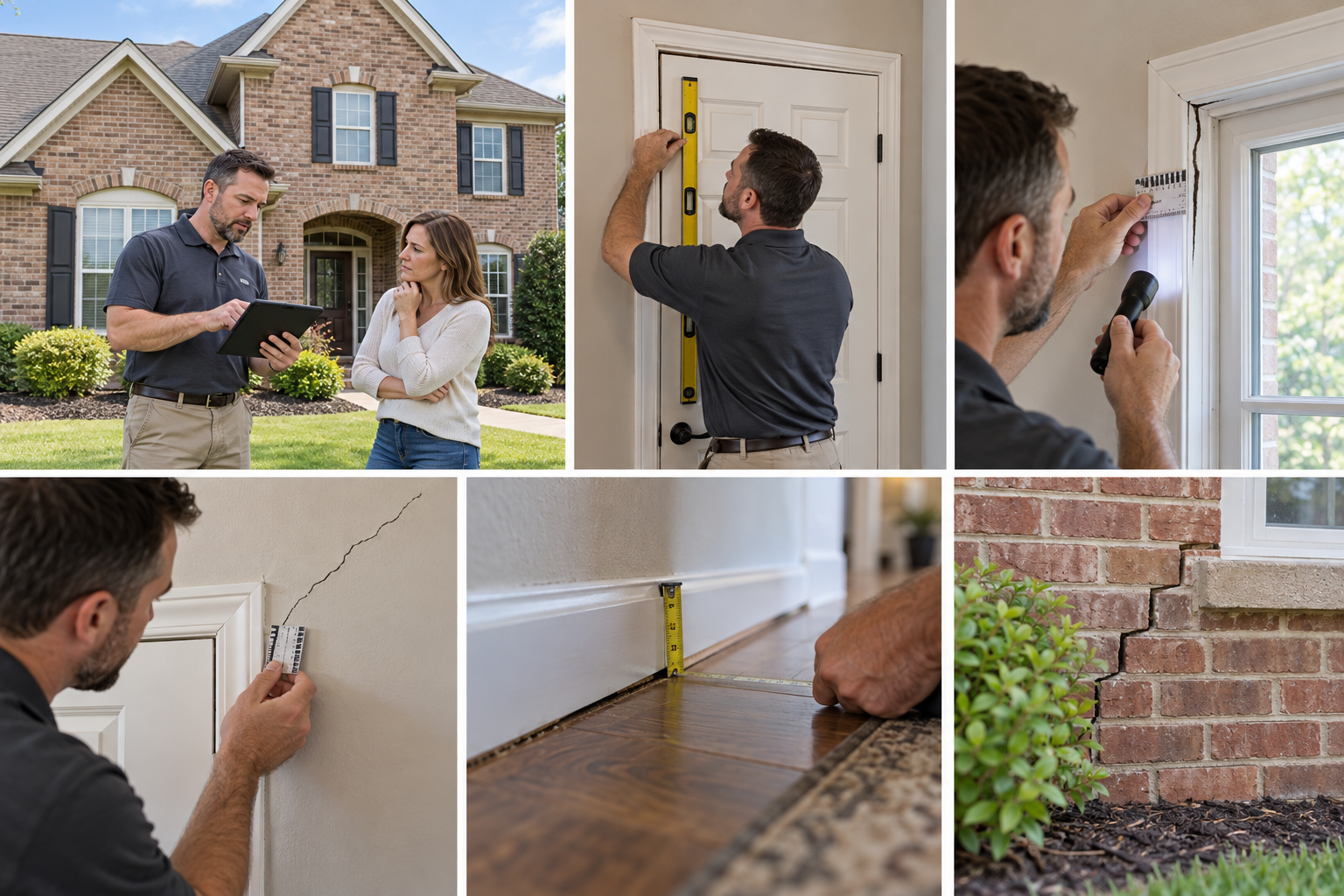
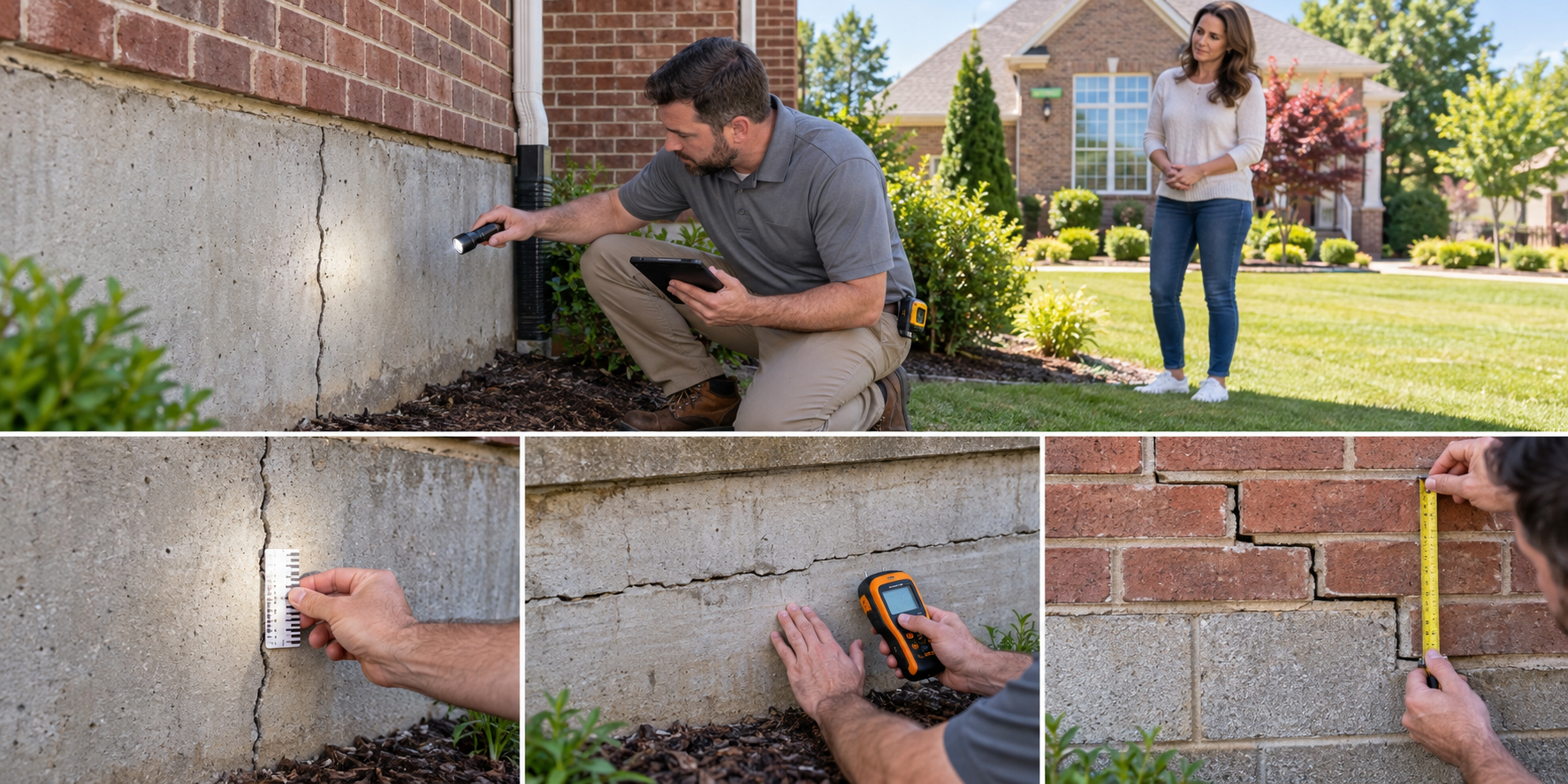
During a foundation inspection, a contractor evaluates the visible structure and surrounding property to look for evidence of settlement, movement, moisture, drainage problems, and other conditions that could affect the home. The process commonly begins with questions about when you first noticed the problem and whether cracks, uneven floors, or sticking doors have changed over time. The inspector may then examine exterior foundation walls, brick or masonry cracks, gaps around openings, drainage patterns, gutters, downspouts, grading, and areas where water collects. Inside the home, the inspection may include wall cracks, floor slopes, doors, windows, trim separation, and other alignment changes. Crawl spaces or basements may also be reviewed when safely accessible. The Tennessee Department of Health recommends keeping rainwater away from foundation walls and watching for moisture in basements and crawl spaces, so drainage is an important part of a complete evaluation. The inspection should end with an explanation of what was observed and whether monitoring, drainage correction, further evaluation, or foundation repair appears appropriate.
What Should You Tell the Contractor Before the Inspection?
Your observations can provide useful context. Before the inspection begins, explain what made you concerned and approximately when you first noticed it. Mention whether cracks have become wider, doors have recently started sticking, floors feel different, or water collects near the home after rain. It also helps to mention previous foundation work, drainage improvements, plumbing leaks, additions, or major renovations if you know about them. A contractor is trying to understand change over time, not simply what the property looks like on one particular day. GK Construction Solutions' guide on
spotting early foundation problems discusses warning signs such as cracking, uneven floors, and sticking doors that can help homeowners recognize when closer evaluation makes sense.
What Does an Exterior Foundation Inspection Include?
The exterior inspection usually starts with a walk around the home. The contractor may look at visible foundation surfaces, brick, block, concrete, siding transitions, window openings, and areas where walls meet the ground. Cracks are evaluated by more than their presence. The inspector may consider their direction, width, location, displacement, and whether similar cracking appears elsewhere. Stair-step cracks through masonry, widening gaps, or visibly displaced materials may deserve closer attention than a small stable hairline crack. GK Construction Solutions' Murfreesboro foundation information notes that stair-step cracking, gaps around window frames, uneven floors, and other changes can indicate that further evaluation is worthwhile.
Why Does the Inspector Check Drainage and Grading?
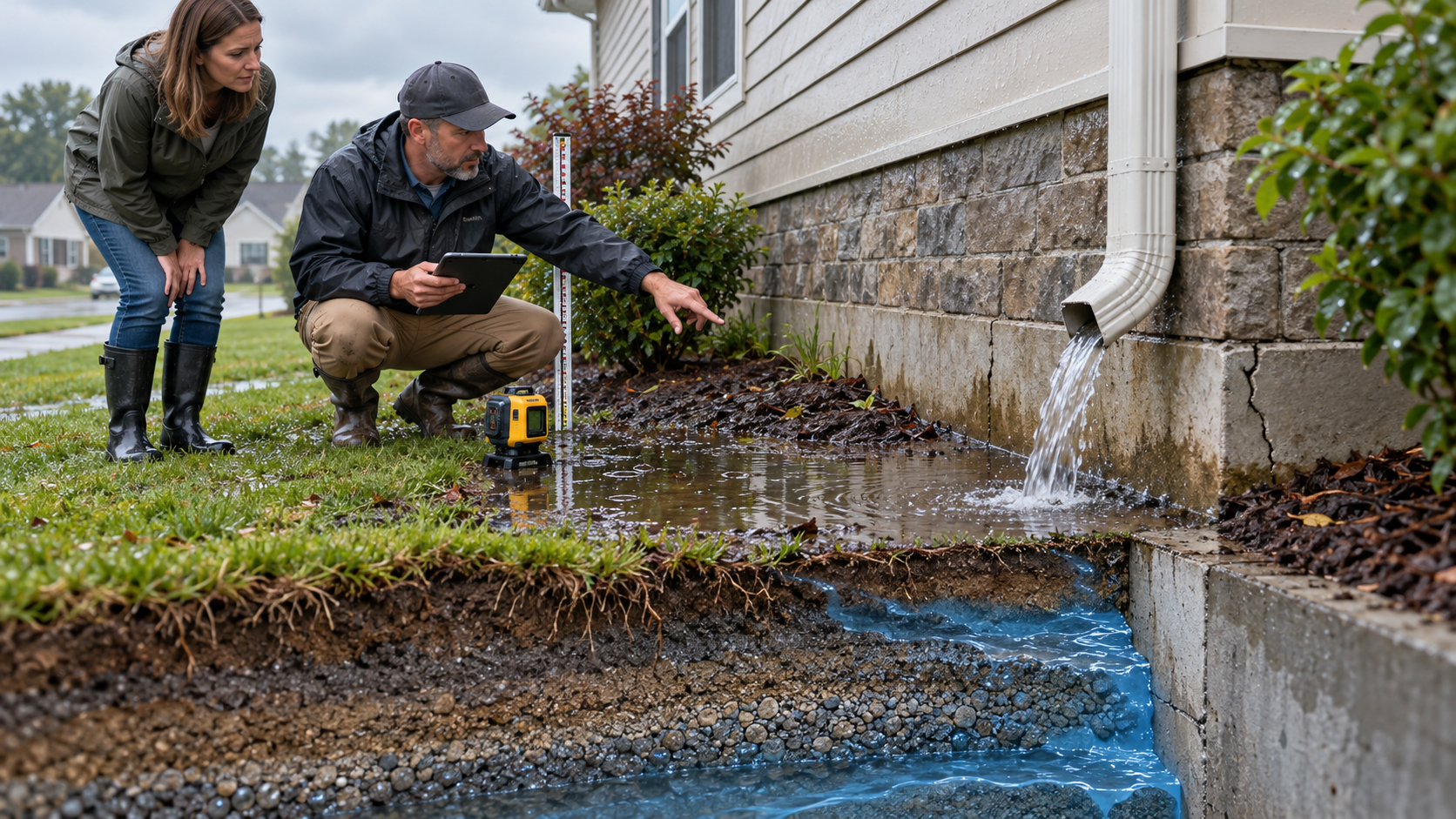
Because a foundation does not exist separately from the ground supporting it. Water that repeatedly collects beside the house can contribute to changing soil conditions, erosion, or moisture around foundation walls. The
Tennessee Department of Health recommends maintaining gutters, sloping ground away from the foundation, and using drainage solutions when water collects near a home.
During an inspection, a contractor may therefore look at:
- Yard slope around the structure
- Areas where water pools
- Gutter and downspout discharge
- Soil erosion near the foundation
- Low areas beside exterior walls
- Moisture around crawl spaces or basements
For foundation repair Murfreesboro TN, understanding these site conditions can be just as important as looking at the crack itself.
What Does the Inspector Look for Inside the Home?
Inside, the goal is to determine whether visible changes suggest movement in the structure. An inspector may look for wall and ceiling cracks, doors that no longer close correctly, windows that bind, trim separation, uneven floors, and gaps around interior finishes. No single symptom automatically proves that the foundation is failing. A sticking door may have a simple hardware problem. A drywall crack may be cosmetic. The concern becomes stronger when several symptoms occur in a consistent pattern. For example, an uneven floor combined with diagonal wall cracks and several misaligned doors can provide more information than any one symptom alone. Our article on
common foundation repair techniques explains why the repair method should be selected only after the type and cause of movement are understood.
Will the Contractor Check a Crawl Space or Basement?
When these areas are safely accessible, they can provide useful information. A crawl space may reveal moisture, support conditions, framing changes, or signs that water has been entering the area. A basement may show foundation-wall cracks, water staining, moisture, or wall movement that is less visible from outside. The federal Healthy Housing Reference Manual explains that foundation walls support structural loads and that foundation cracking and moisture can indicate conditions that deserve further evaluation. The Tennessee Department of Health also recommends checking damp basements and crawl spaces and correcting water intrusion rather than ignoring persistent moisture.
Does a Foundation Inspection Include Measuring Uneven Floors?
It may. If uneven floors are part of the concern, the contractor may evaluate where slopes, dips, or changes occur and compare them with other visible symptoms. The purpose is not simply to prove that a floor is imperfect. Many homes, particularly older ones, have some variation. What matters is whether the floor condition appears connected to settlement or continuing movement. The inspector may also consider whether framing, subfloor problems, moisture, or another condition could explain the unevenness. A good foundation evaluation should avoid blaming every interior problem on the foundation without supporting evidence.
What Types of Foundation Cracks Will Be Checked?
The inspector may evaluate vertical, horizontal, diagonal, stair-step, and other crack patterns. Crack direction alone does not provide a complete diagnosis. The contractor should also consider width, displacement, location, surrounding materials, and whether the crack appears to be changing. A small stable crack can have very different implications from one that keeps widening or is accompanied by wall movement. GK Construction Solutions' Murfreesboro service page specifically notes that not all cracks are equal and that identifying the cause should come before choosing a repair.
Does a Foundation Inspection Mean You Need Foundation Repair?
No. An inspection is meant to determine what is happening. The result may be that a condition should simply be monitored. Another property may need drainage correction, concrete work, or repairs to a specific area. More significant settlement or structural movement may require a larger repair plan. This is particularly important for homeowners searching for foundation repair in Murfreesboro, because choosing a repair method before understanding the problem can lead to unnecessary or incomplete work. GK Construction Solutions states that it evaluates factors including soil conditions, drainage patterns, the age of the home, and its layout before recommending foundation repairs.
What Should You Ask After the Foundation Inspection?
Before the contractor leaves, make sure you understand what was found.
Useful questions include:
- What signs of movement did you find?
- Does the problem appear active or stable?
- What may be contributing to it?
- Does drainage need attention?
- Should the condition be monitored?
- Is repair recommended now?
- What repair options are appropriate?
- Would another specialist, such as a structural engineer, be appropriate?
You should understand why a recommendation is being made, not simply receive the name of a repair method. If repairs are recommended, our guide on
what to expect during a foundation repair project can help explain what may happen during the next stage.
Homeowner Foundation Inspection Checklist
Before your appointment, take a few minutes to walk through the property. Write down where you have noticed cracks, floor changes, sticking doors, moisture, or other unusual conditions. Take dated photographs if possible so you can compare them later. Outside, check whether water pools beside the house after rain and where downspouts discharge. Inside, pay attention to changes rather than cosmetic imperfections that have existed for many years. Also gather any previous repair documents, inspection reports, or information about drainage work. You do not need to diagnose anything yourself. The checklist simply helps make sure important observations are not forgotten during the inspection.
Why Choose GK Construction Solutions for Foundation Inspections?
At
GK Construction Solutions, we believe a foundation concern should be understood before a repair is recommended. Our Murfreesboro foundation service considers visible cracking, uneven floors, door and window alignment, soil conditions, drainage patterns, and the layout and age of the property. Our broader construction experience also includes concrete construction, excavation, grading, and site-related work, which helps us look beyond one crack or one room. Homeowners can learn more about our
Murfreesboro concrete and foundation services, including residential foundation and concrete work. For homeowners considering foundation repair in Murfreesboro, TN, our goal is to explain what we see clearly, identify contributing conditions, and help determine whether monitoring, maintenance, drainage work, or repair is the appropriate next step.
Frequently Asked Questions
How Long Does a Foundation Inspection Take?
There is no single inspection time that applies to every property. The size of the home, number of symptoms, accessibility of crawl spaces or basements, and complexity of the site can all affect the visit. A home with one small crack may require less evaluation than a property showing movement in several areas.
Do I Need to Move Furniture Before a Foundation Inspection?
Usually, you do not need to empty rooms. However, moving items away from obvious cracks, access panels, crawl-space entrances, or problem areas can make inspection easier. Make sure the contractor can safely access the areas you want evaluated.
Should I Take Pictures of Foundation Cracks?
Yes. Dated photographs can help show whether cracks are changing. Try to photograph the same area from a similar position over time. Pictures are useful for monitoring, but they should not replace professional evaluation when several structural warning signs are present.
Can a Foundation Inspection Find Drainage Problems?
Yes. Drainage is often part of the evaluation because water around the structure can affect soil and foundation conditions. An inspector may examine grading, downspouts, pooling water, erosion, and moisture near foundation walls.
Will a Foundation Inspector Look at Sticking Doors and Windows?
Yes, when those symptoms are relevant to the concern. Doors and windows that have recently become misaligned can provide clues about structural movement, especially when cracks or uneven floors are developing at the same time.
Should I Get a Foundation Inspection Before Buying a Home?
A specialized foundation evaluation may be useful if a general home inspection identifies significant cracks, uneven floors, wall movement, or other structural concerns. It can provide more focused information about the condition before you make decisions about the property.
Final Thoughts
A Foundation inspection should give you information, not simply a repair quote. The contractor should look at the home as a complete system, including visible foundation walls, cracks, floors, doors, windows, drainage, grading, moisture, and surrounding soil conditions. The goal is to determine whether the changes are stable, progressing, or connected to another problem around the property. Preparing a simple homeowner checklist before the inspection can also make the visit more useful. Note what has changed, photograph visible cracks, watch where water travels after rain, and share any previous repair history you have. The clearer the information going into the inspection, the easier it is to understand what should happen next.
Schedule a Foundation Evaluation Before Guessing at the Repair
If you are seeing cracks, uneven floors, sticking doors, drainage problems, or other changes around your Murfreesboro home,
schedule an evaluation with GK Construction Solutions. We can review the visible symptoms and surrounding site conditions and help you understand whether monitoring, drainage improvements, or foundation work may be appropriate.
Follow our social media pages below: