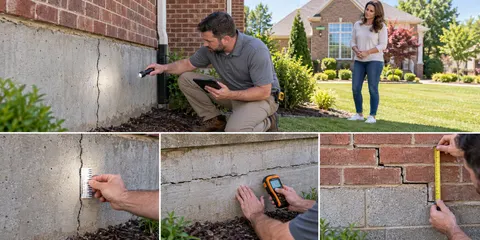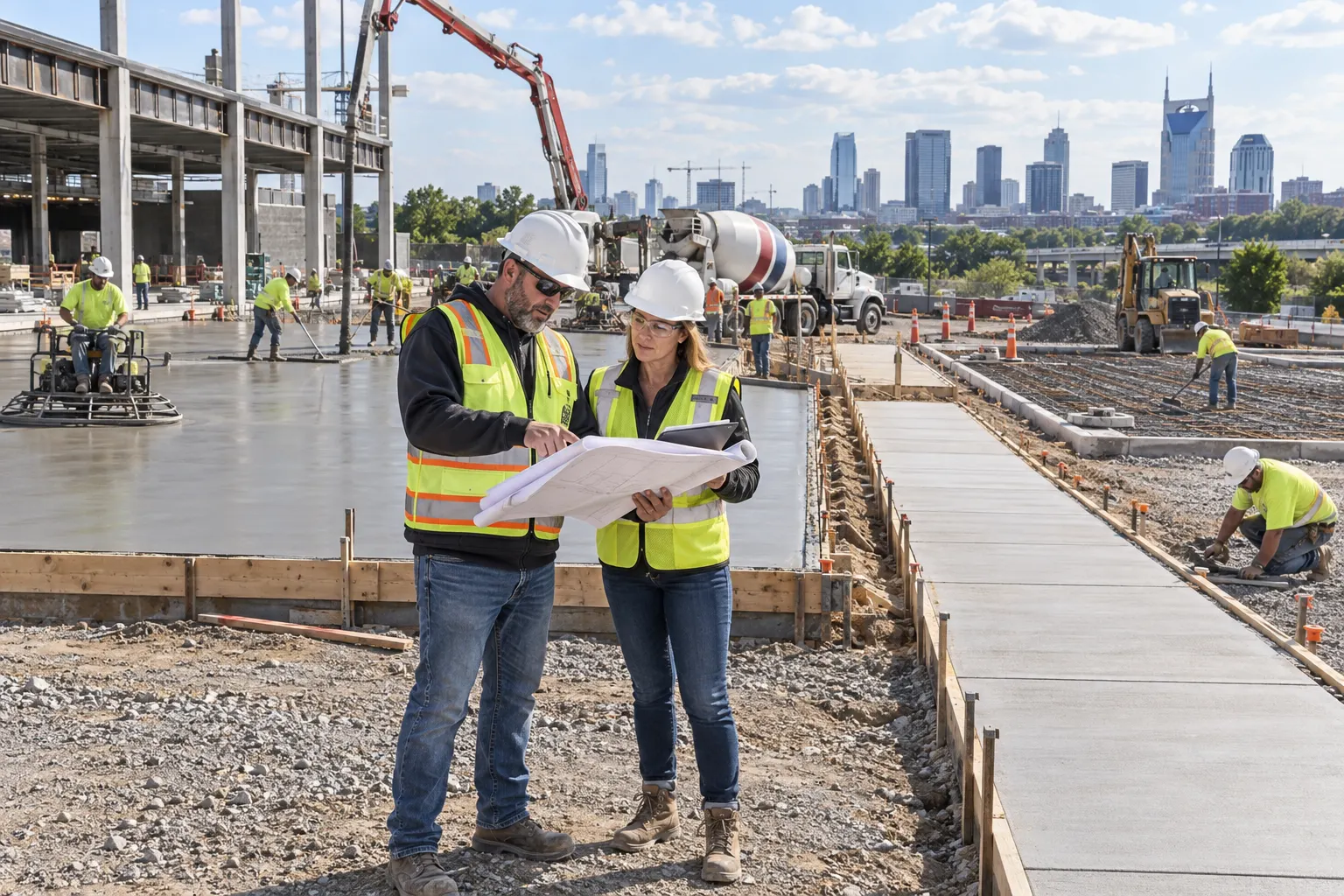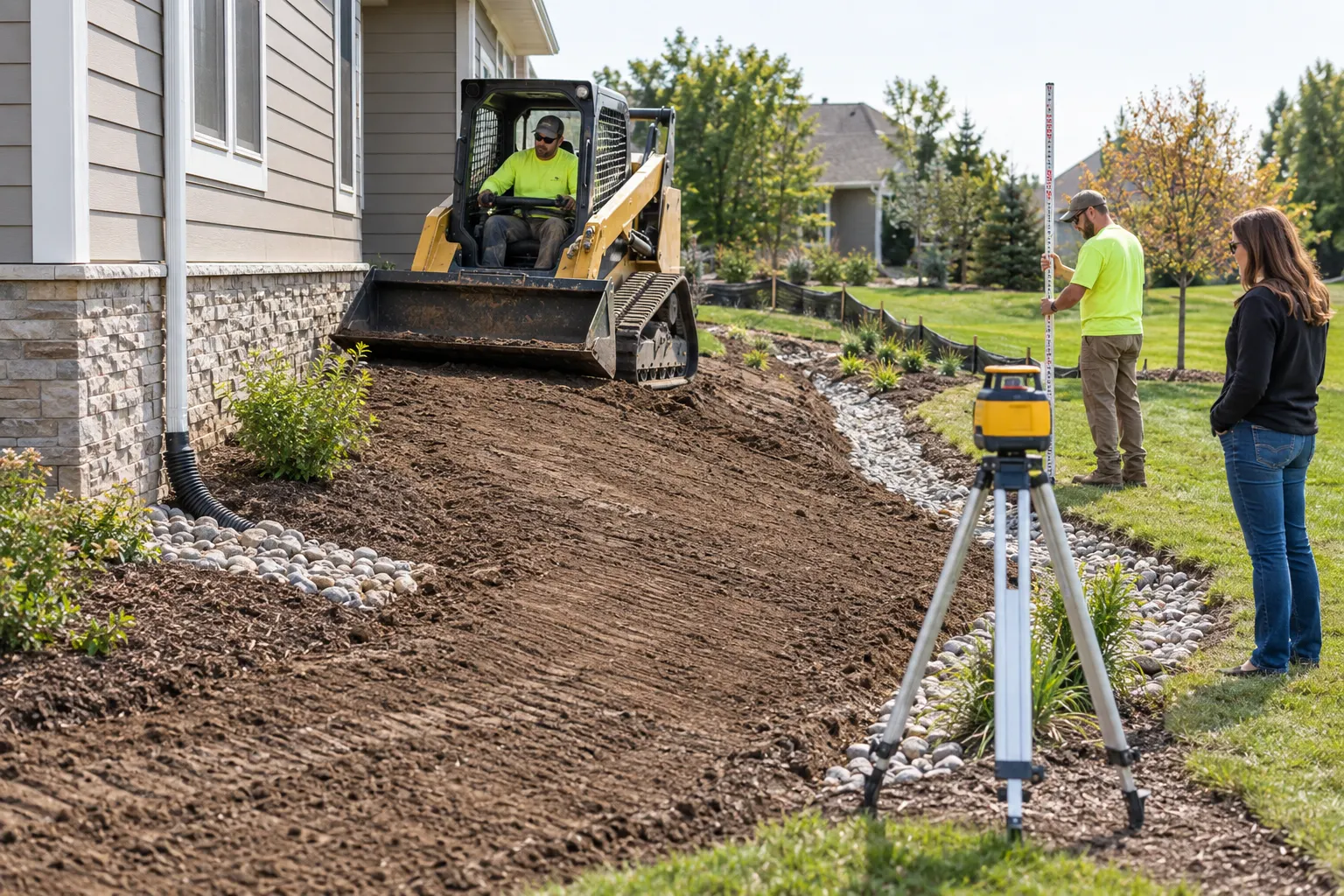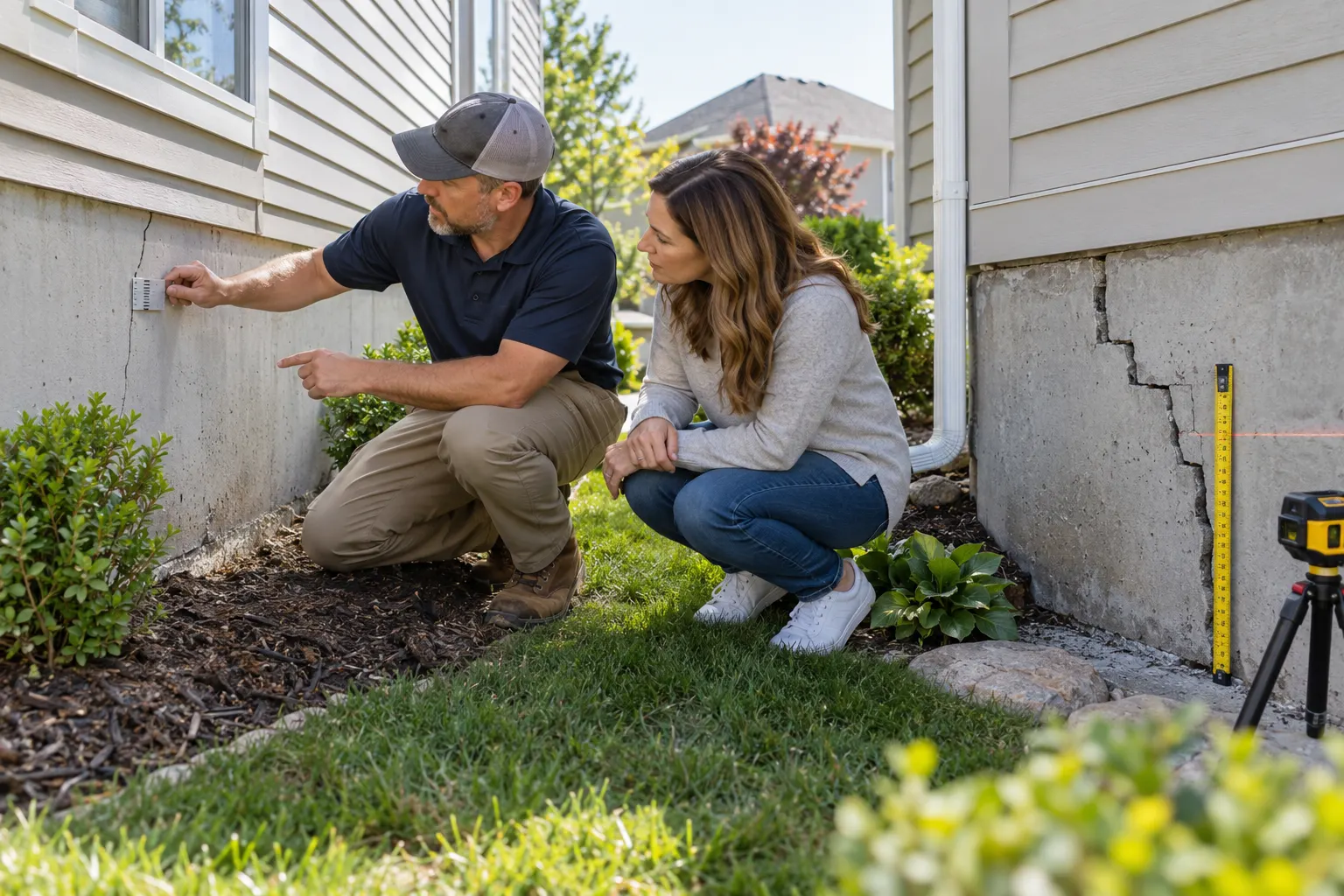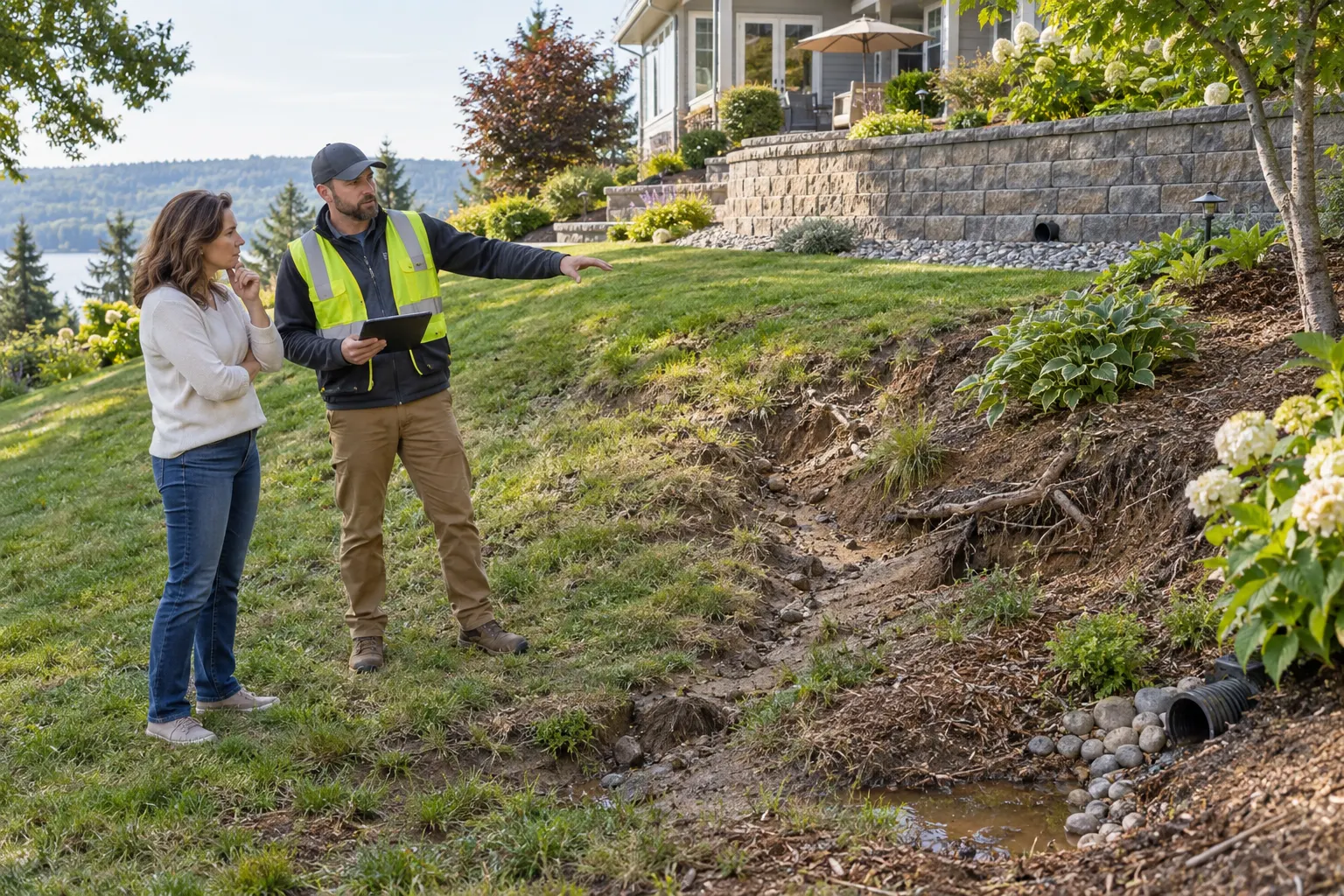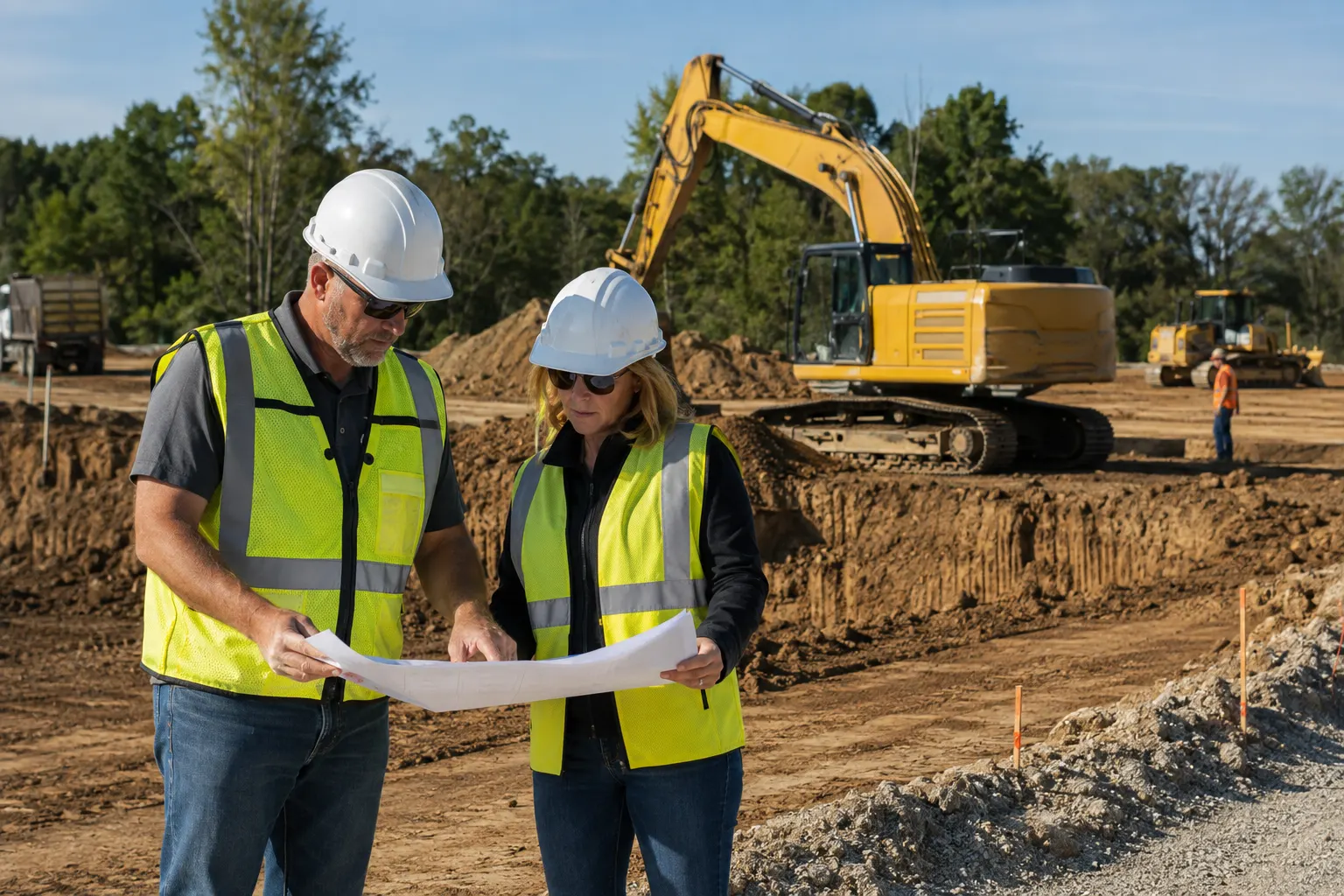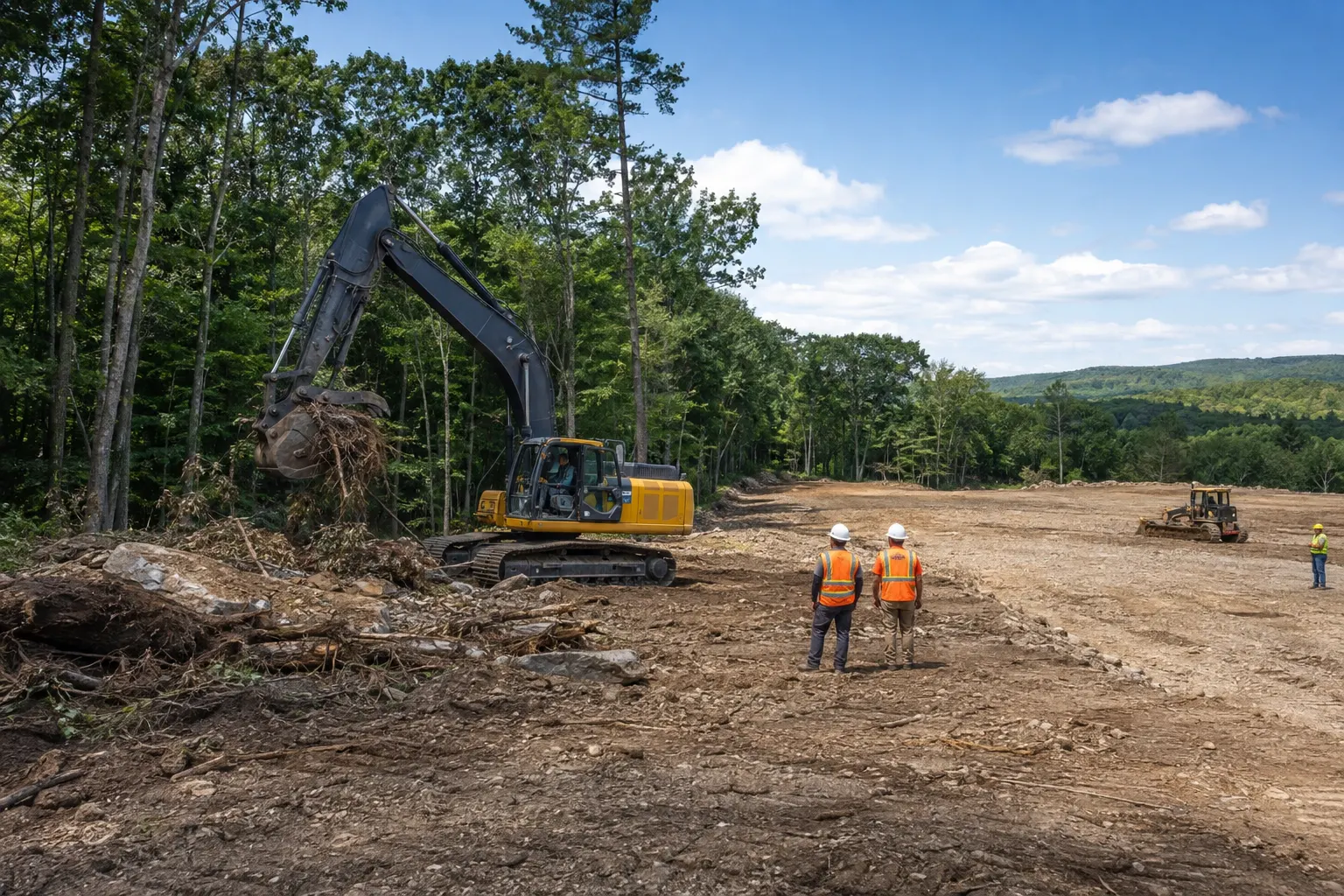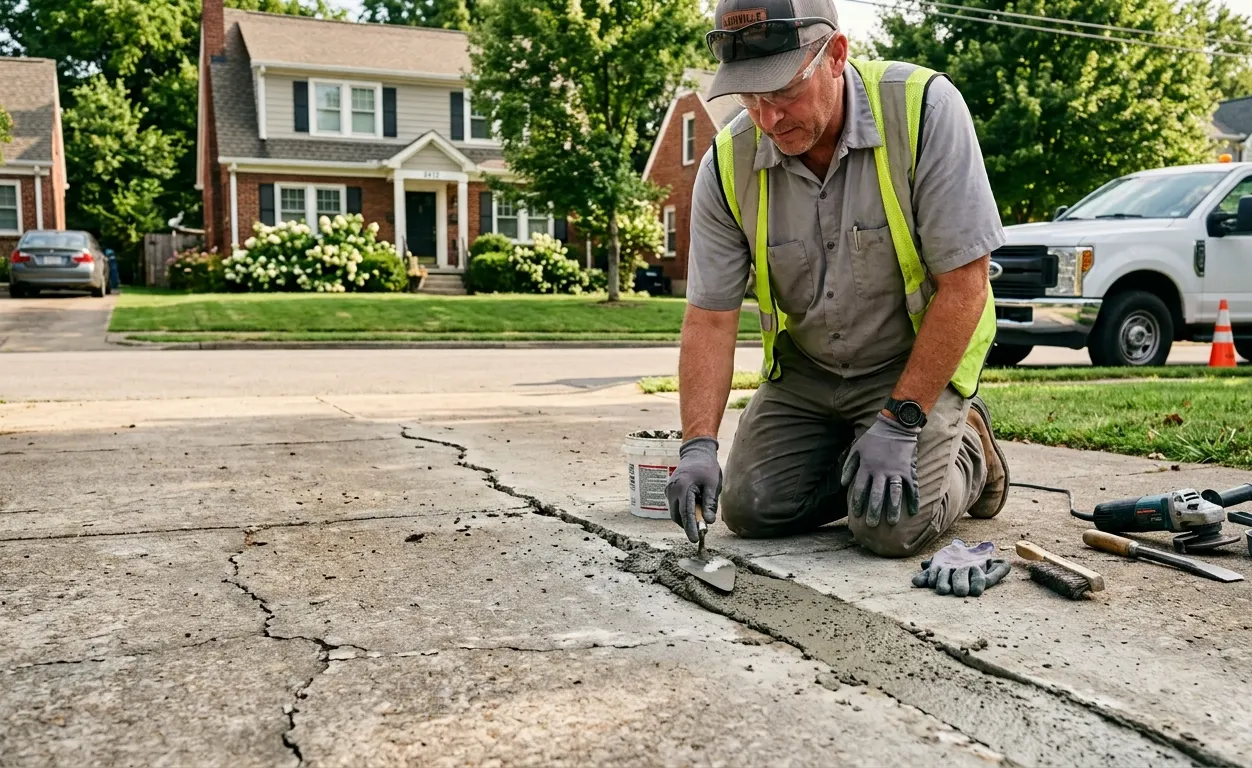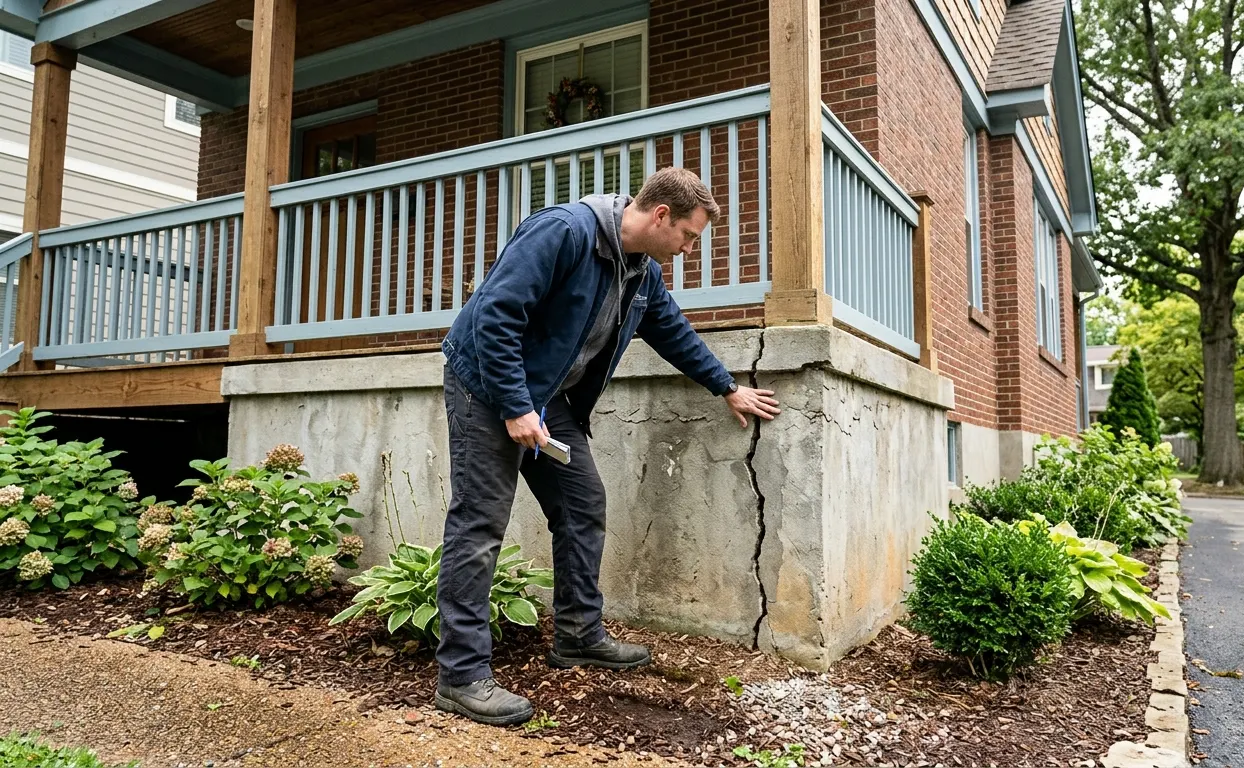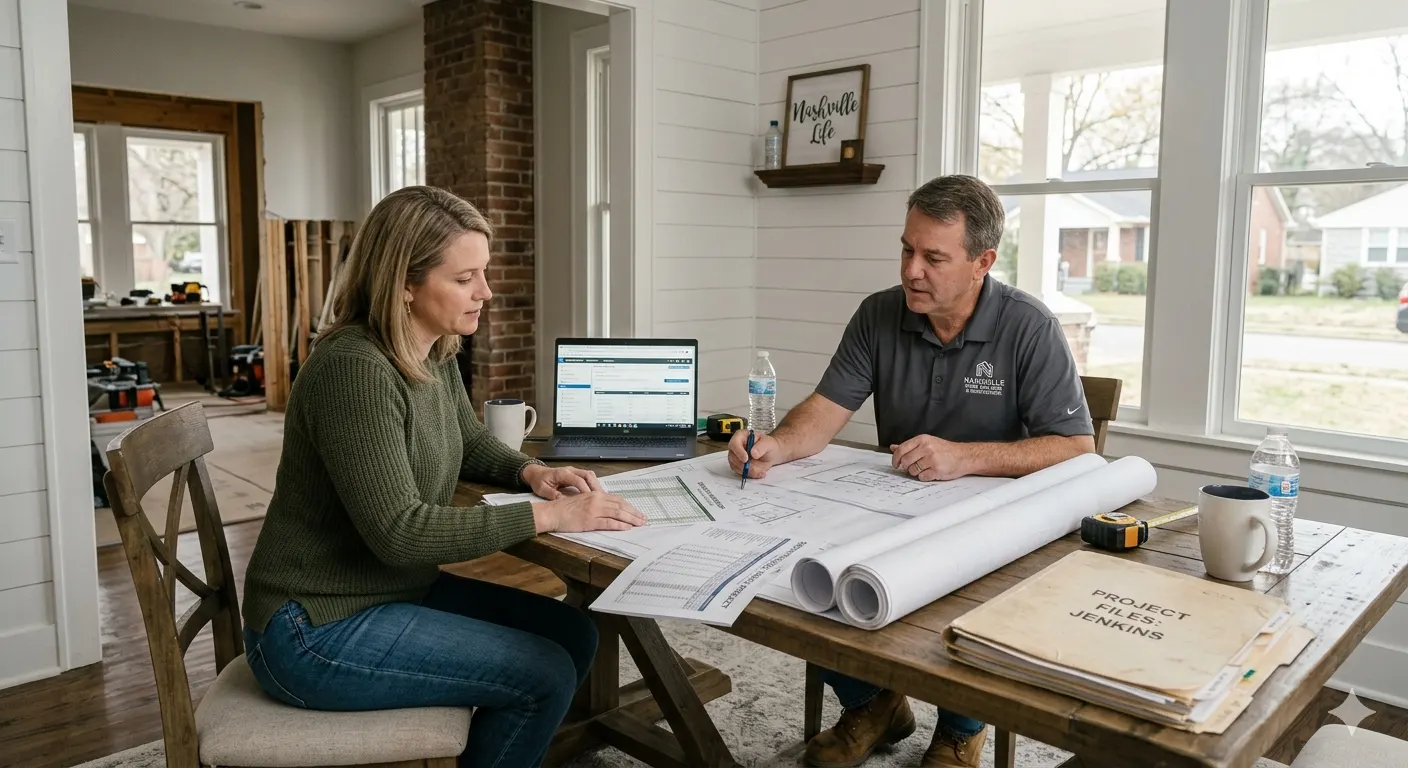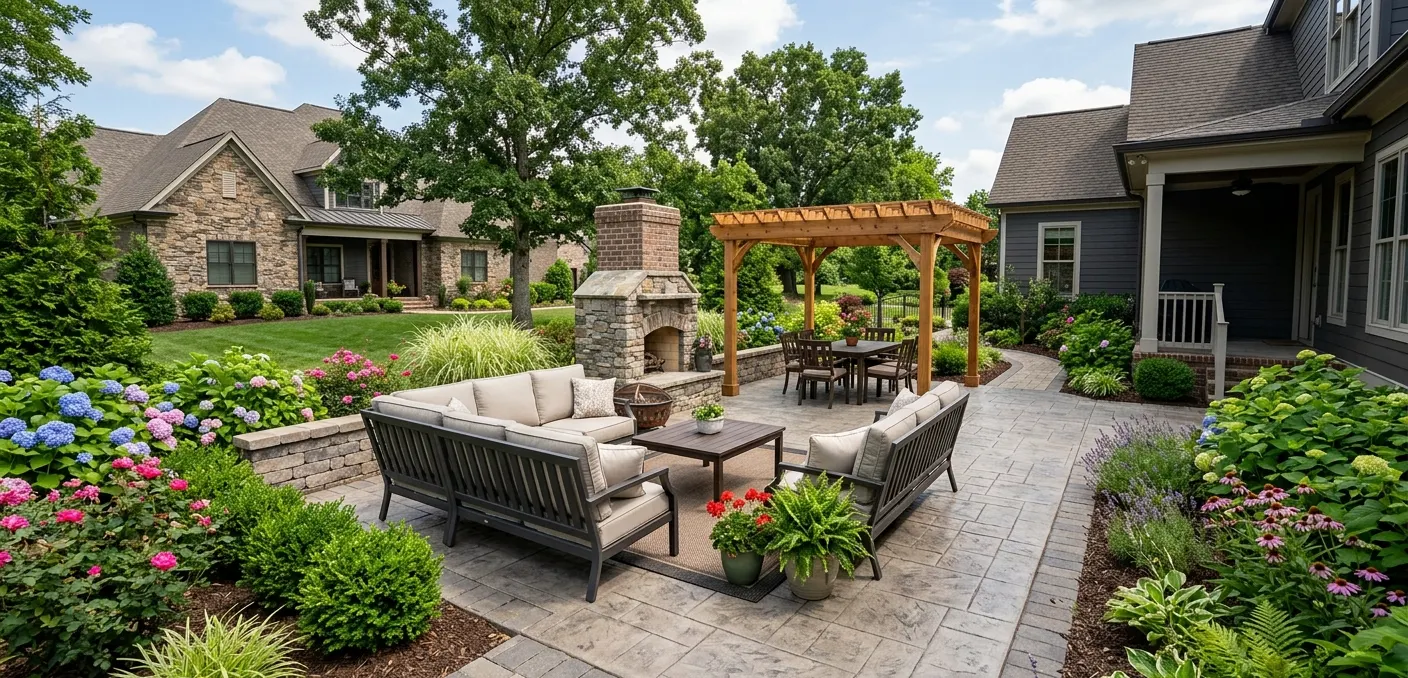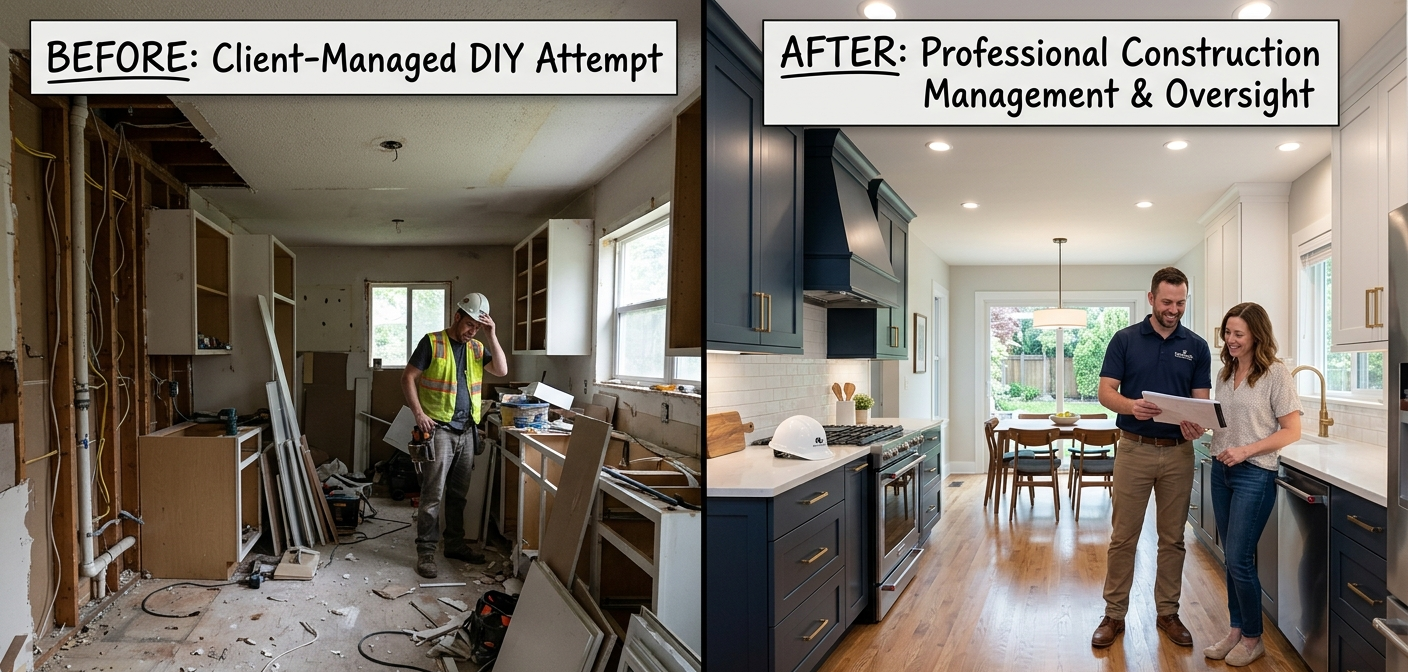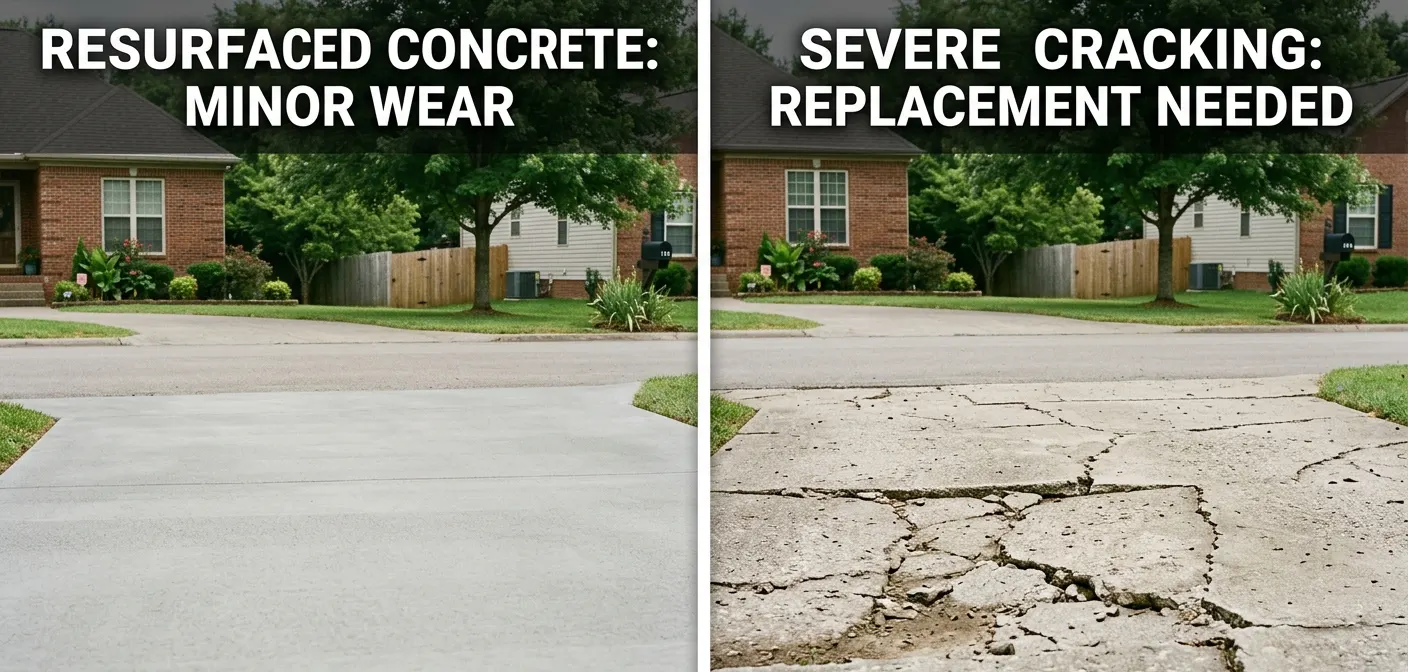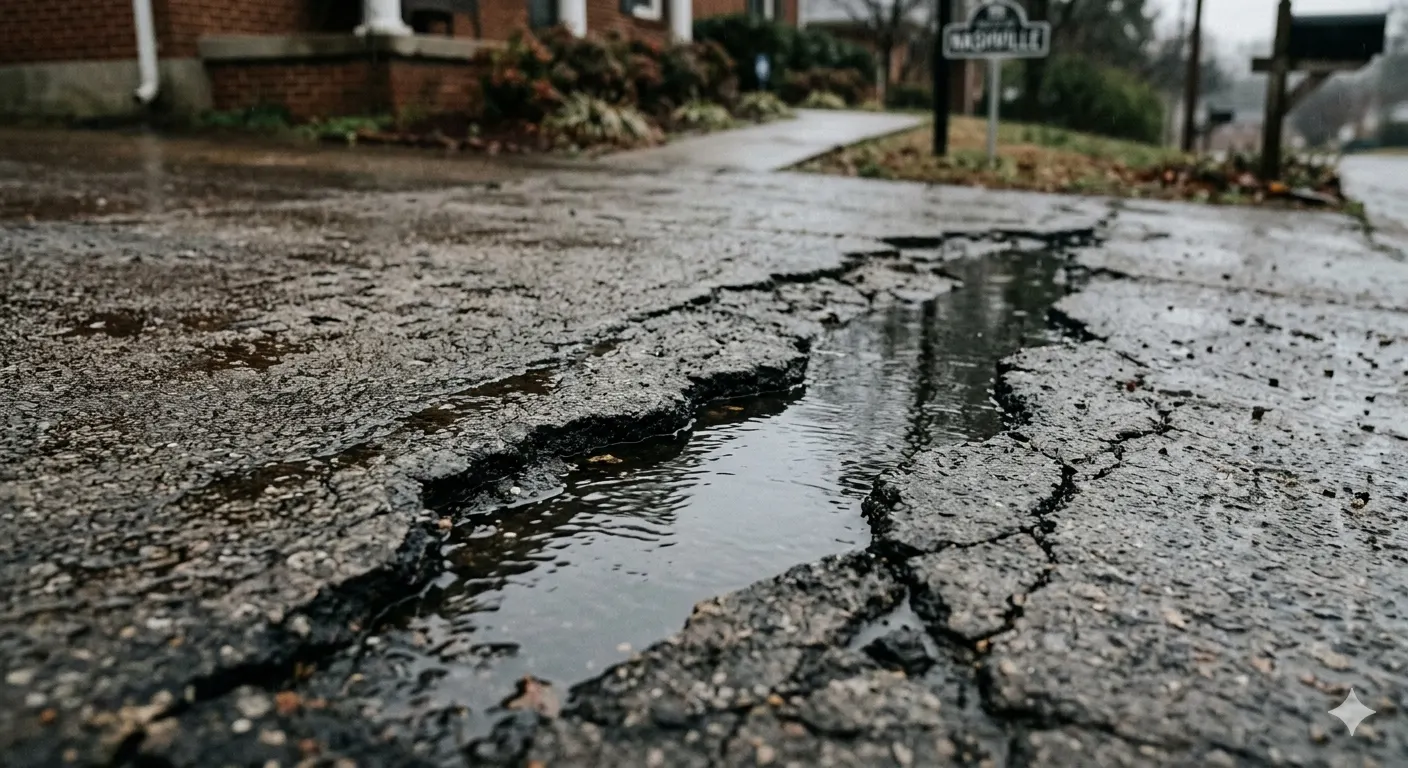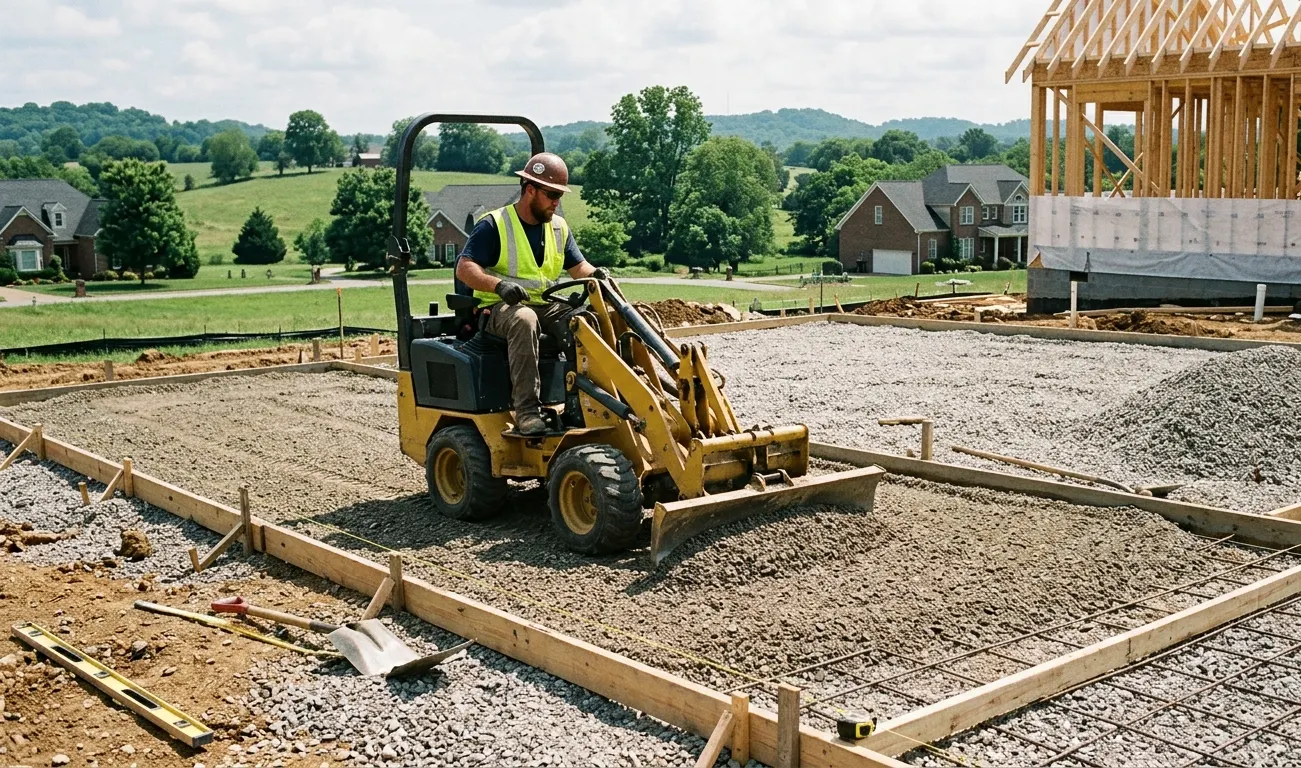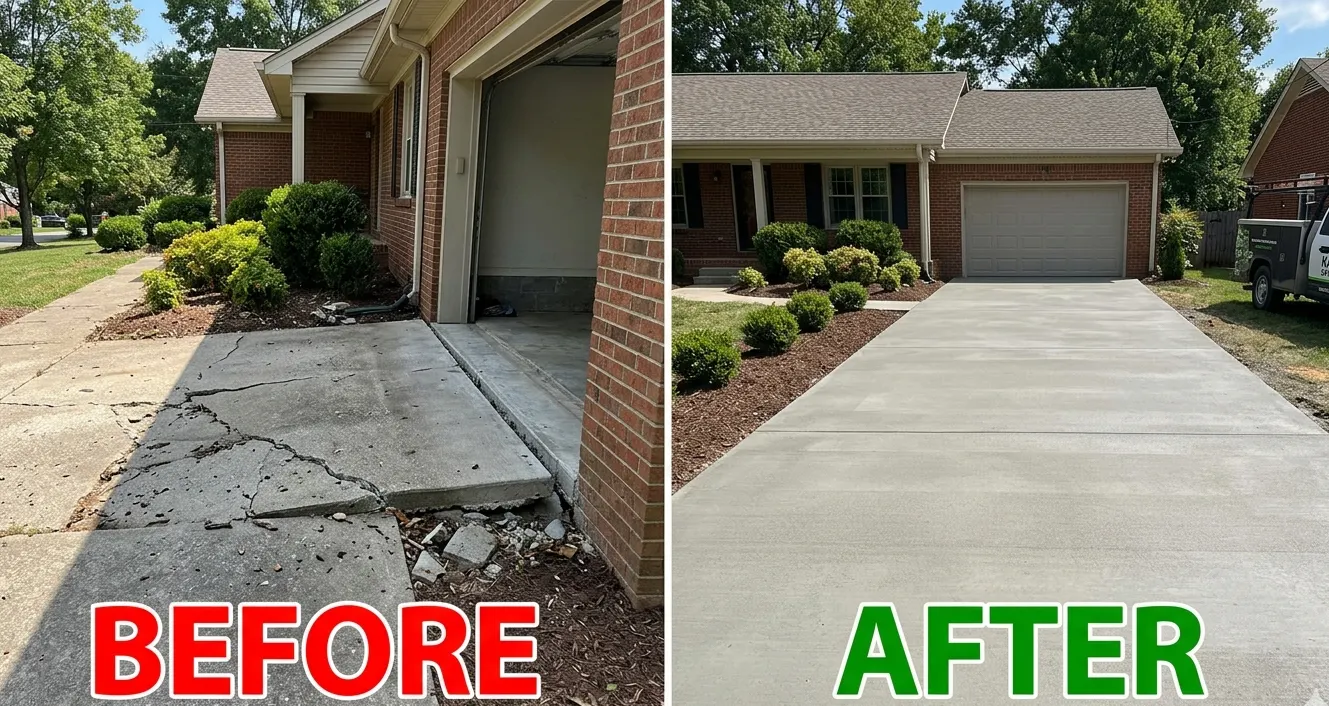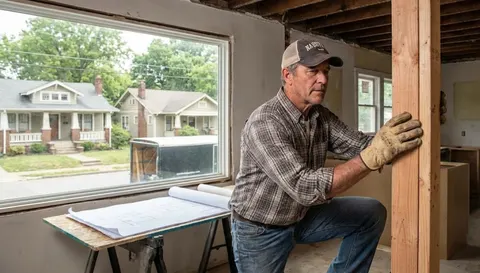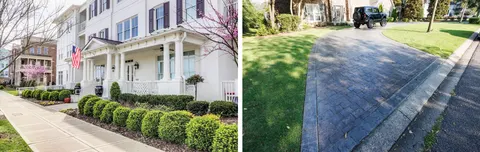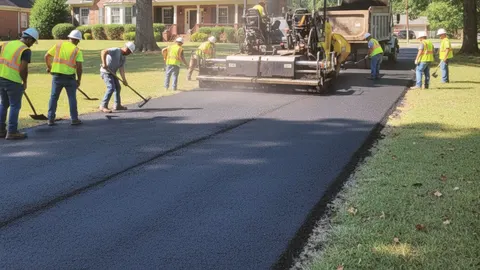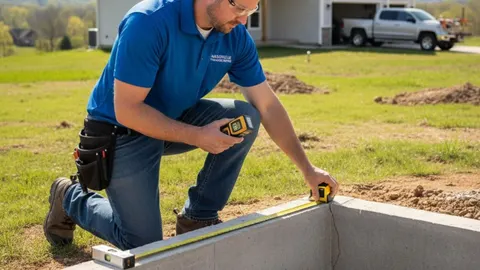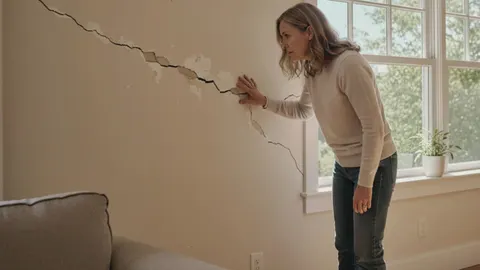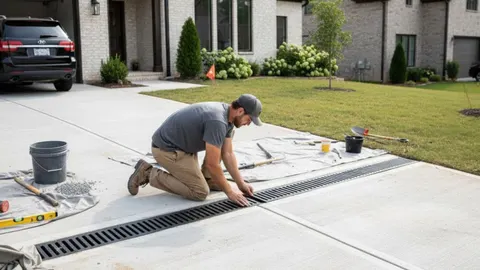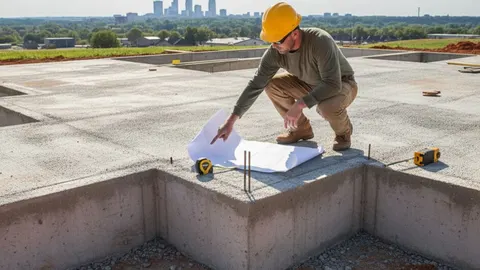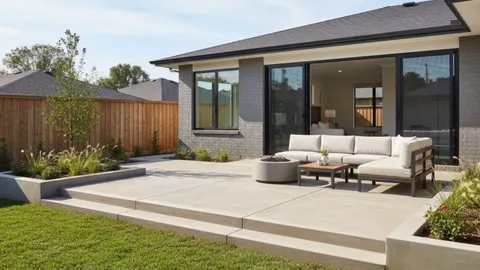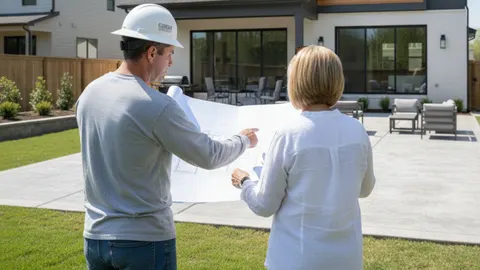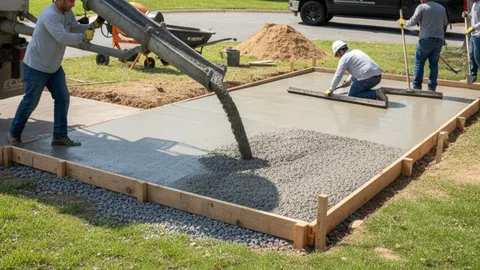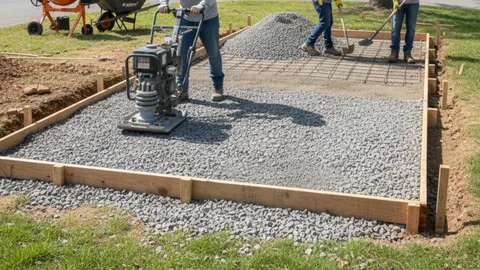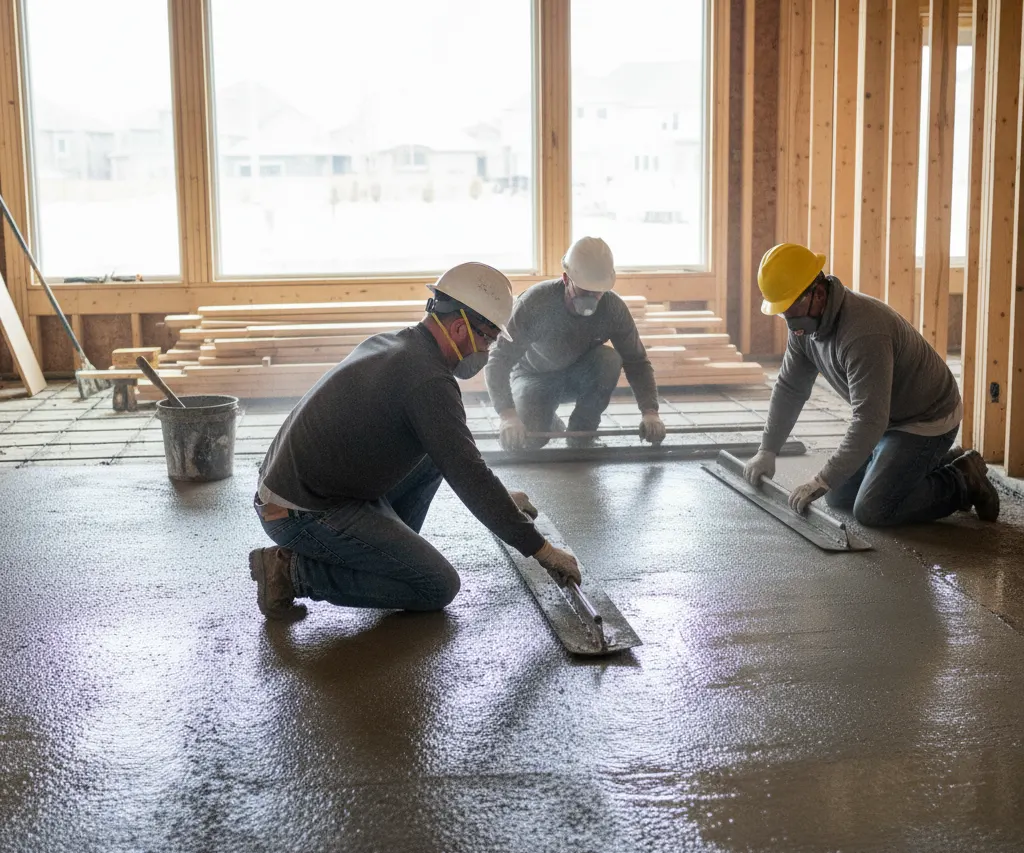
The three biggest concrete contractor red flags I’d watch for are these: someone asking for most of the money up front in cash, a vague quote that says nothing about thickness, base, reinforcement, or joints, and a contractor who can’t or won’t show proof of a license and insurance.
If you’re comparing two or three concrete estimates, price matters, but it shouldn’t be the only thing you compare.
At GK Construction Solutions , I’d much rather you ask too many questions before the job starts than find out halfway through that you and your contractor had completely different expectations. Concrete is expensive to tear out and redo. A few minutes spent checking a contractor and reading the quote carefully can save you a lot of trouble later.
They Want Most of the Money Up Front, in Cash
A big upfront cash payment is a reason to slow down and ask more questions. A fair payment schedule ties payments to clear stages of the work instead of putting almost all the risk on you before anything happens.
The Federal Trade Commission lists the same warning signs: contractors who want full payment up front or will only take cash, who claim to have leftover materials from another job, or who pressure you to decide on the spot.
Concrete jobs do involve materials, equipment, labor, and scheduling, so a deposit is normal. Handing over most of the contract amount before any work starts is not. Ask what the deposit covers, when the later payments are due, and what part of the job triggers each one.
We ask for a deposit to get your job on the schedule and order materials, with the balance due when the work is complete. Whatever the terms are, they should be in writing.
The Quote Is One Line With No Specifications
A quote that just says “concrete driveway” or “patio installation” with a total price underneath leaves too much unanswered. Ask what you’re actually getting. The estimate should spell out the planned thickness, the concrete strength, how the base will be prepared, whether reinforcement is included, and how control joints will be handled. Those details affect both the price and how long the concrete lasts.
A cheaper proposal isn’t really cheaper if it leaves out excavation, stone base, reinforcement, demolition, or other work that another contractor included. Our estimates spell out the slab thickness, concrete strength, base depth, reinforcement, control joints, and any demolition, grading and haul-off, so the scope is settled before the crew shows up. You shouldn’t be figuring out basic specs after the forms are already going in.
They Can’t Show a License or Certificate of Insurance
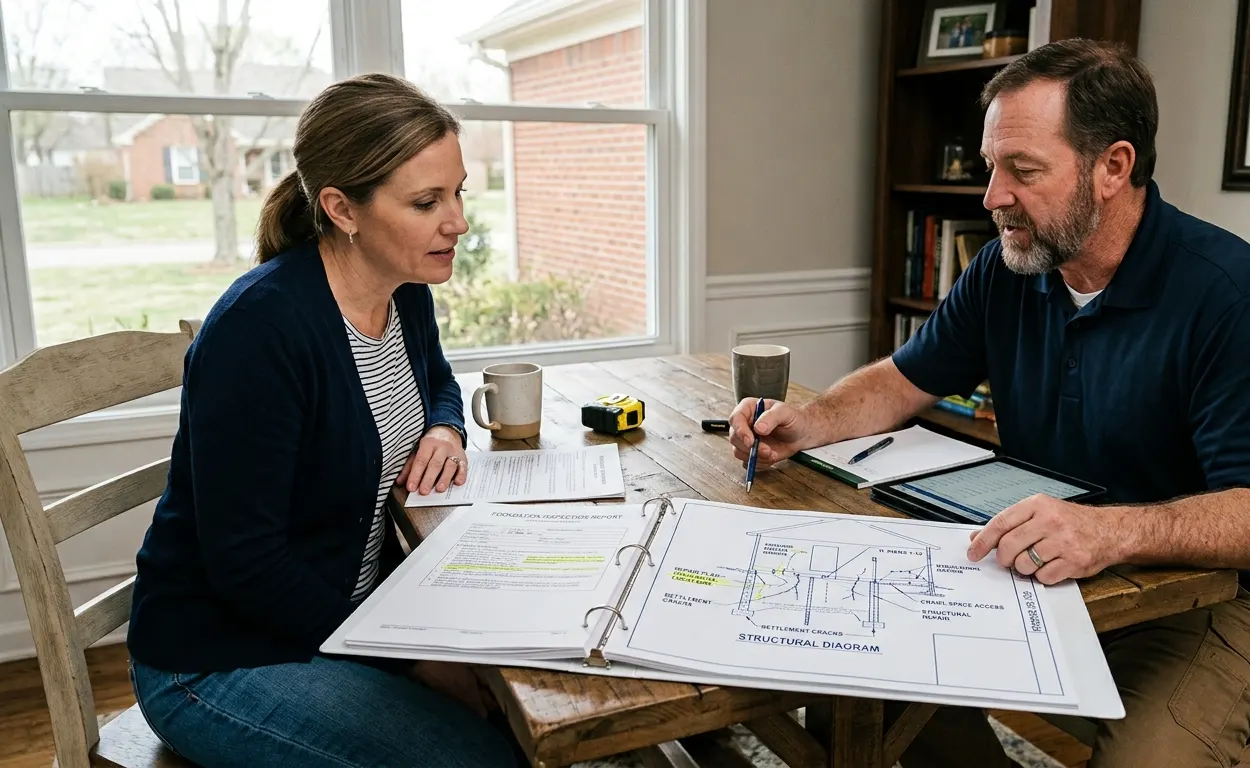
If a contractor says they’re licensed and insured, asking for proof shouldn’t start an argument.
Ask for their license information where licensing applies, and ask for a current certificate of insurance. Insurance matters because concrete work involves crews, heavy equipment, excavation, trucks, and the real chance of property damage. Don’t rely on a business card or truck decal that says “licensed and insured.” Check what you can before you sign. A contractor organized enough to take on your project should be organized enough to hand over basic business paperwork.
They Offer “Leftover Concrete” and a Same-Day Deal
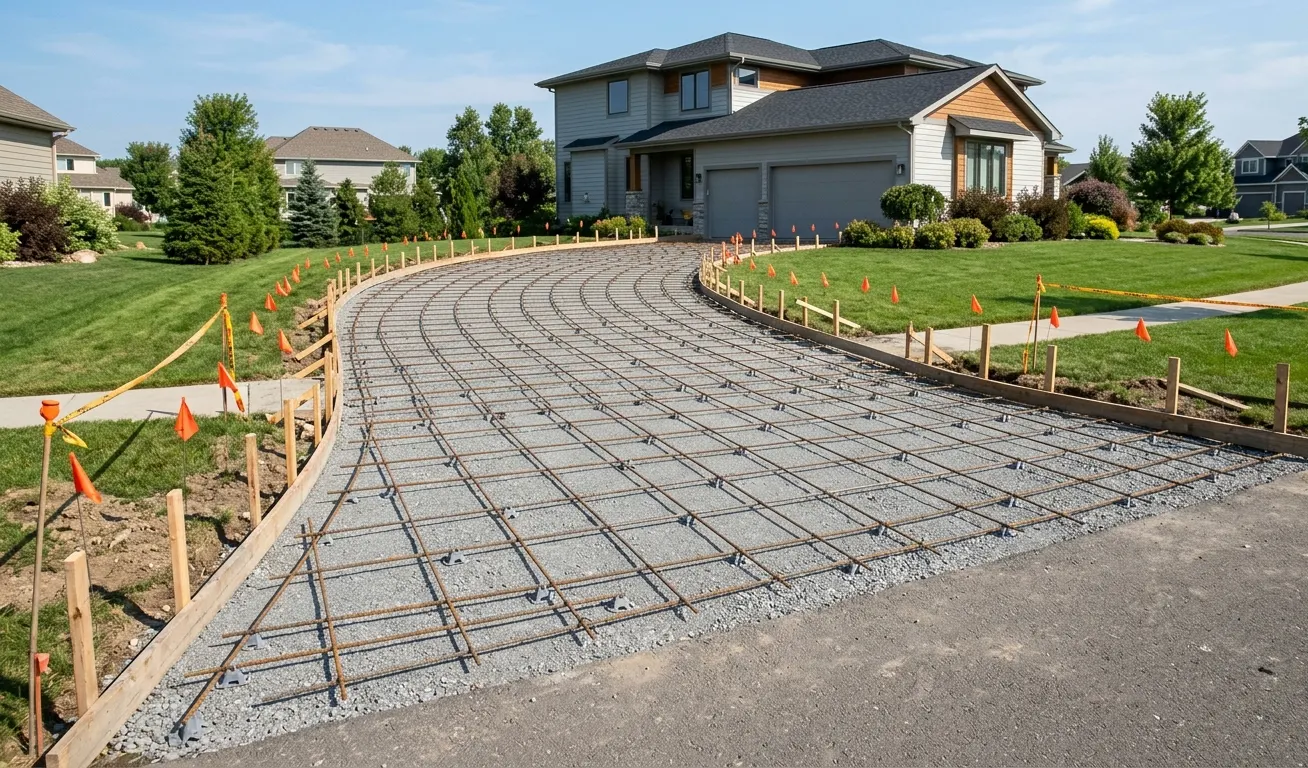
Be very careful when someone shows up unannounced, says they have concrete left over from another job, and offers a special price if you agree right now. Ready-mix concrete is time-sensitive, which makes the story sound believable. The problem is that a proper concrete job takes far more than pouring whatever happens to be in the truck. The site may need excavation, grading, compaction, a stone base, forms, reinforcement and drainage planning before any concrete goes down. You also need to know what mix it is and whether there’s enough of it for your project. Your driveway, patio or walkway shouldn’t be designed around somebody else’s leftover load.
There’s No Mention of Site Prep, Drainage or Permits
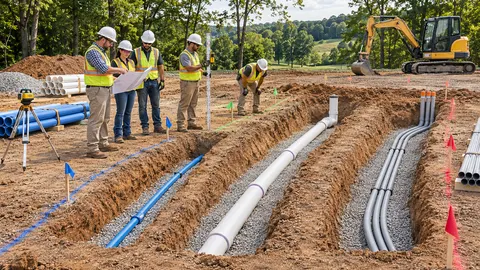
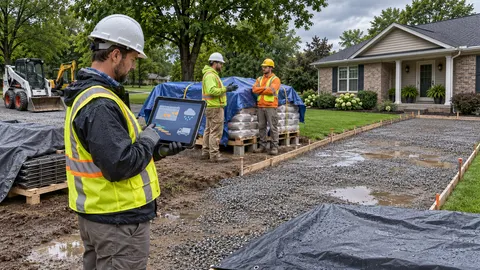
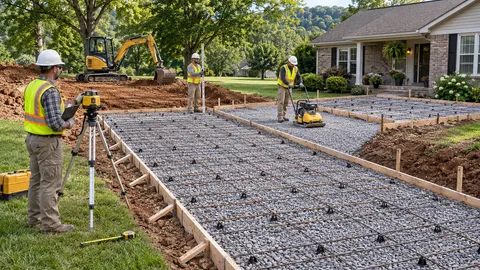
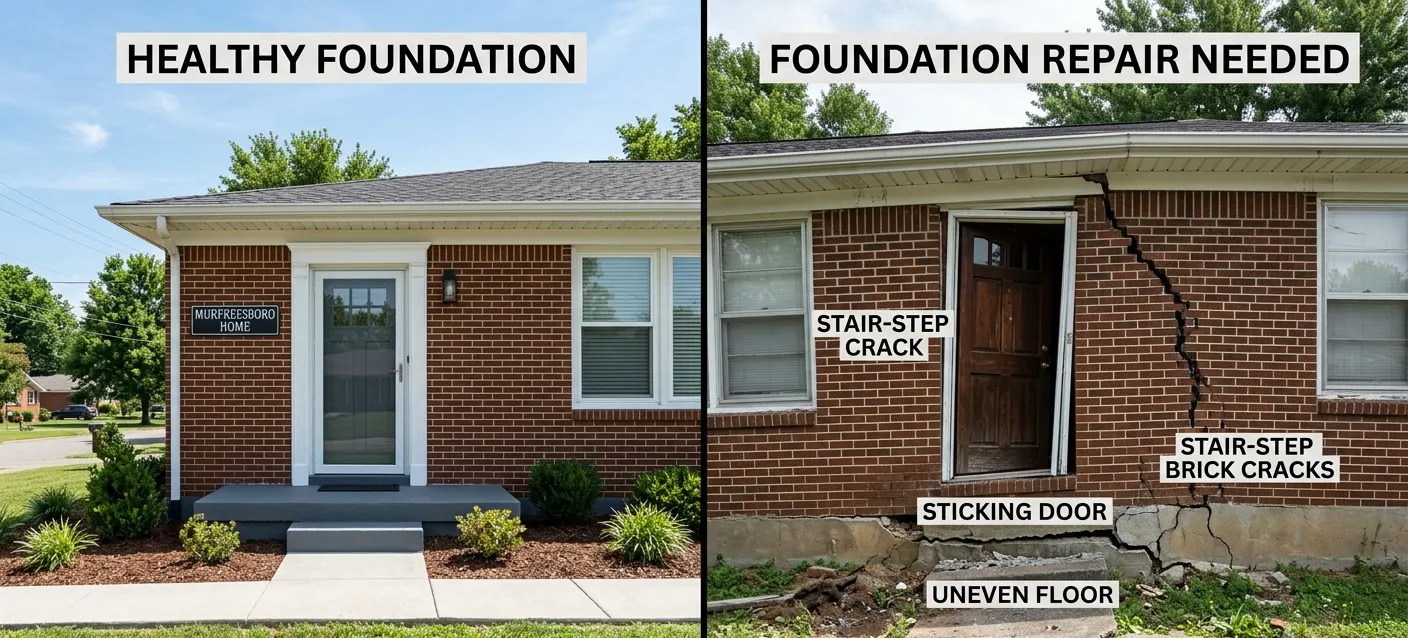
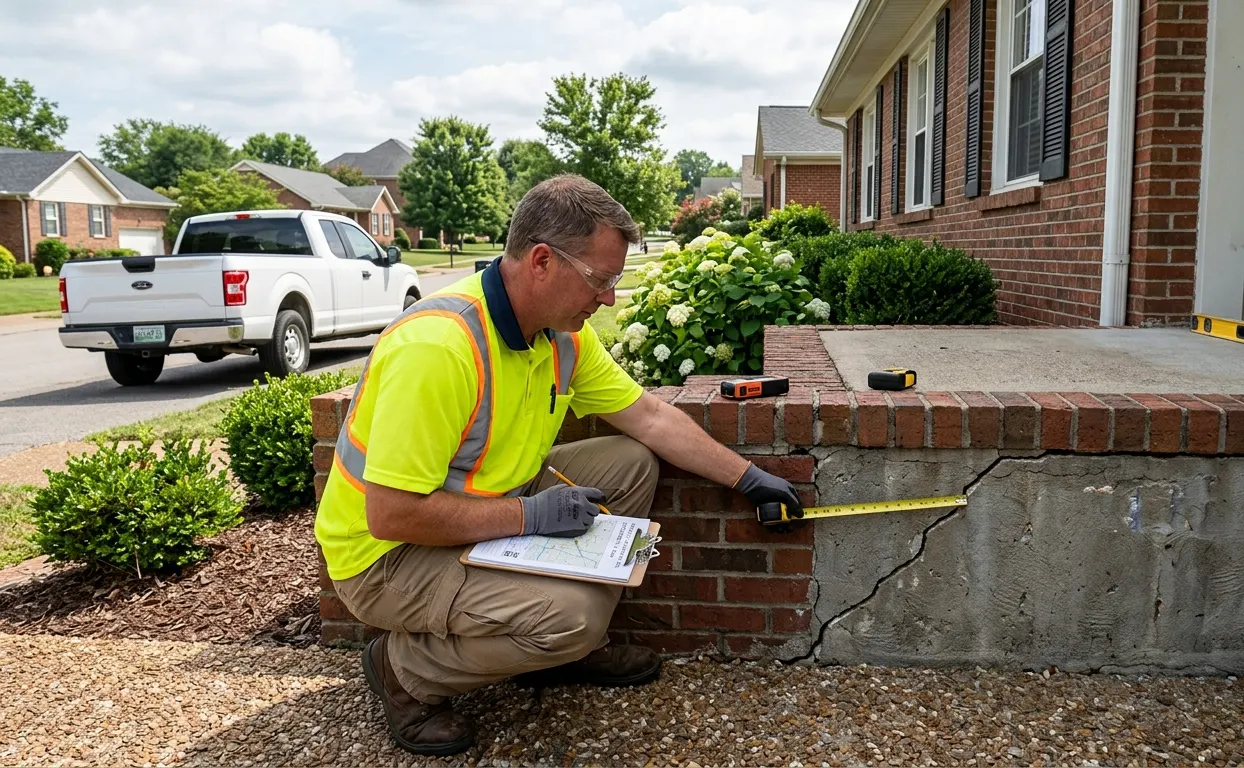
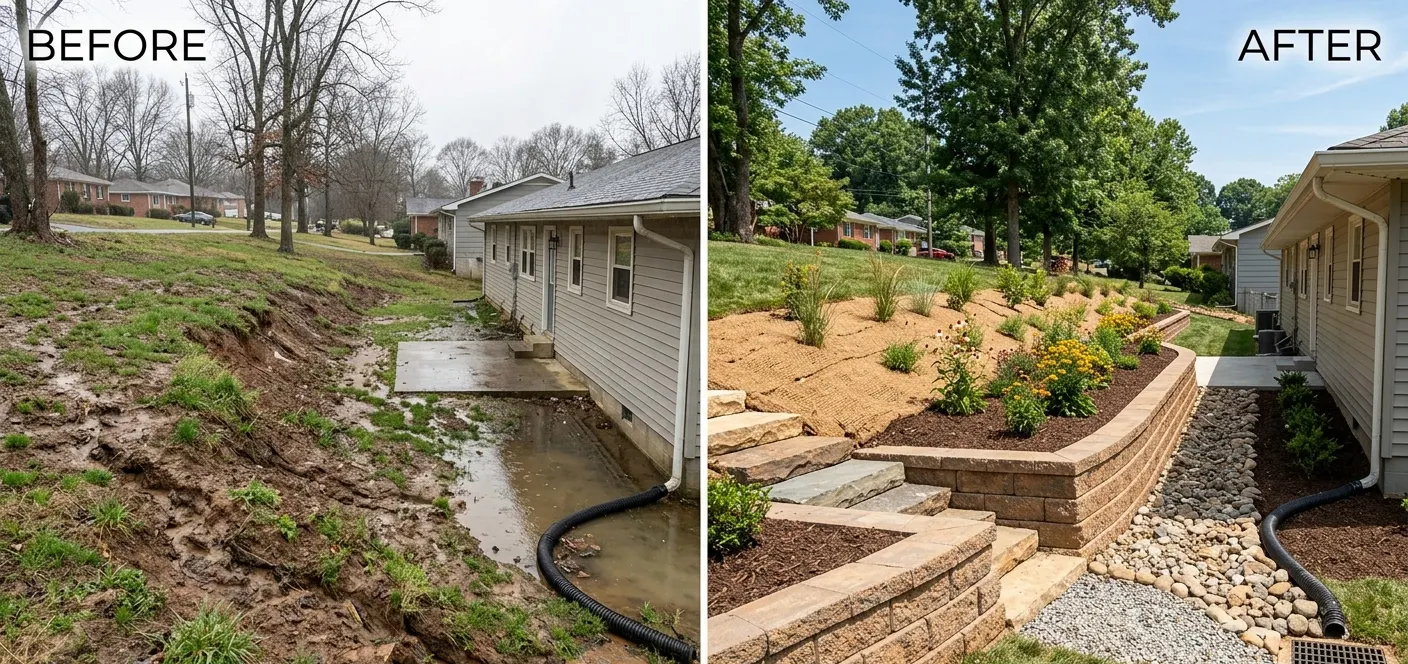
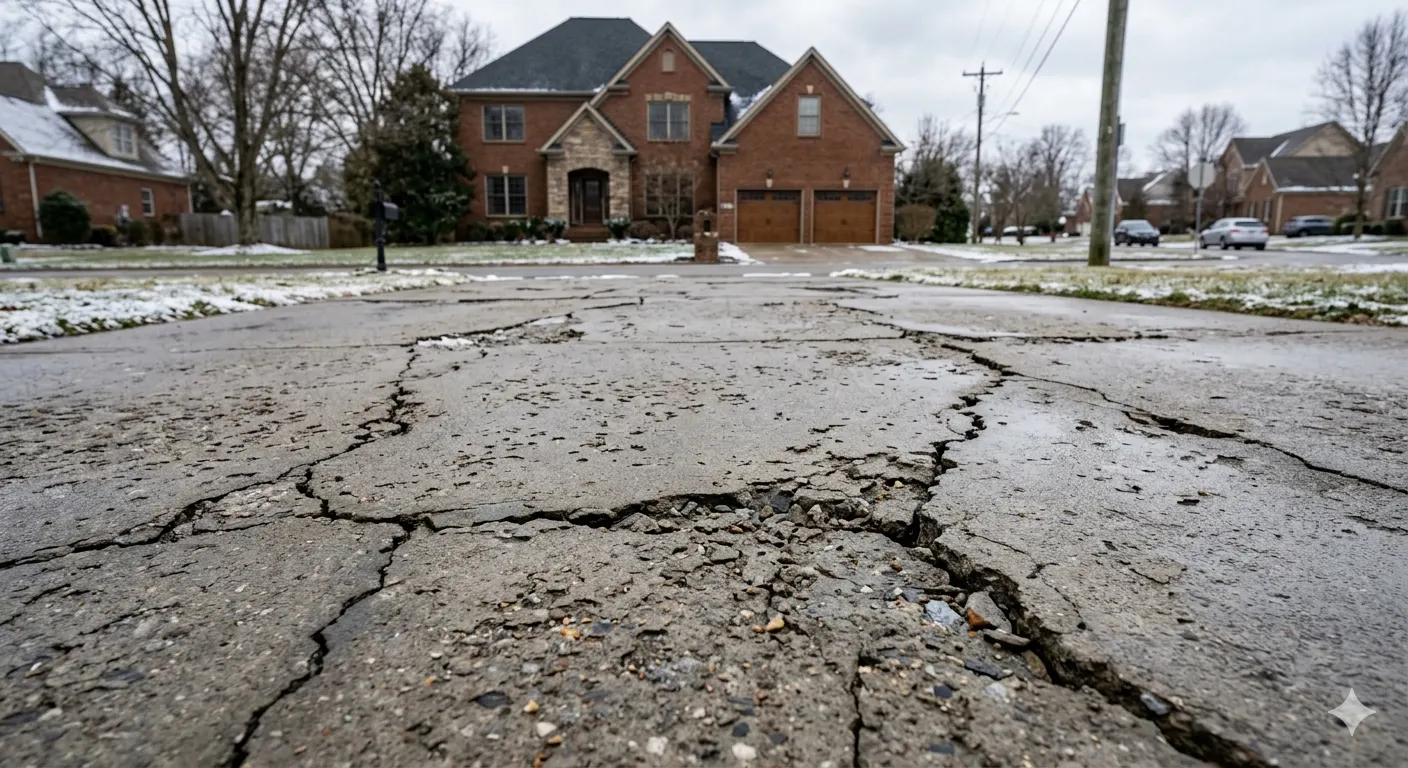
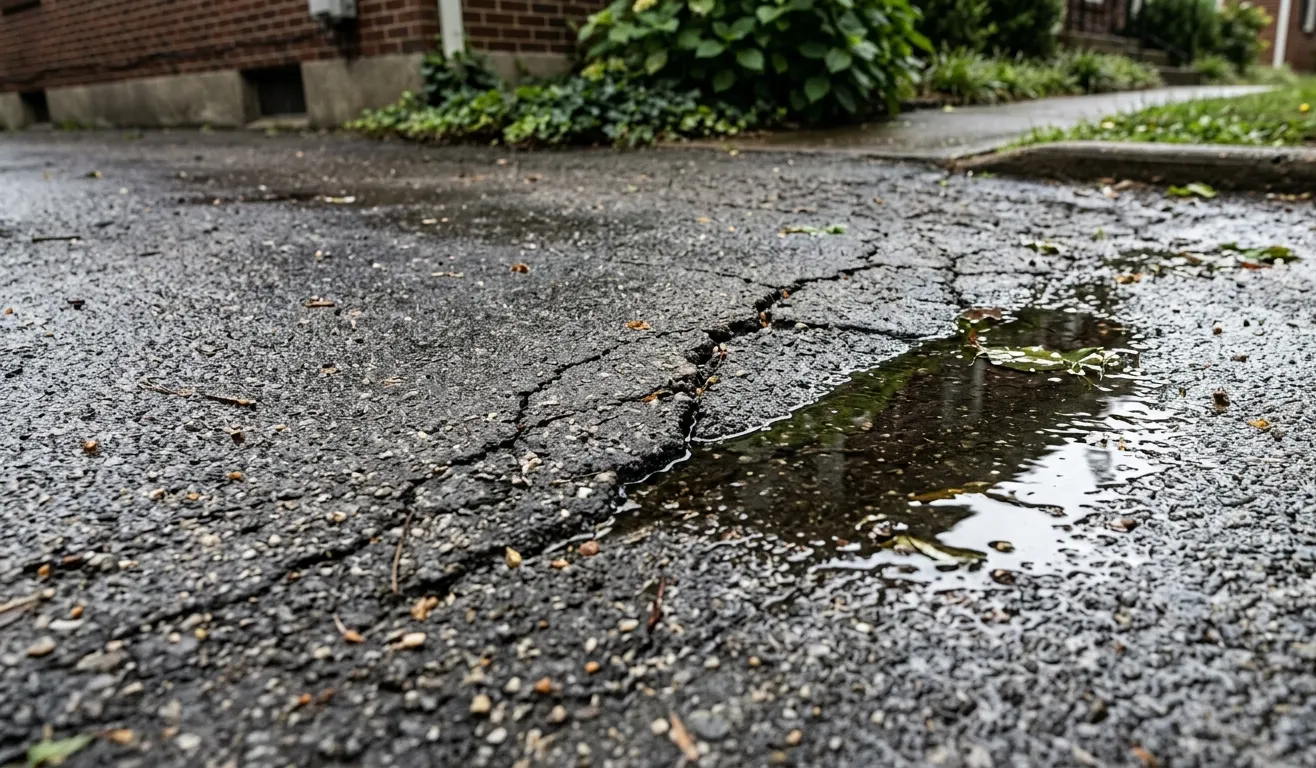
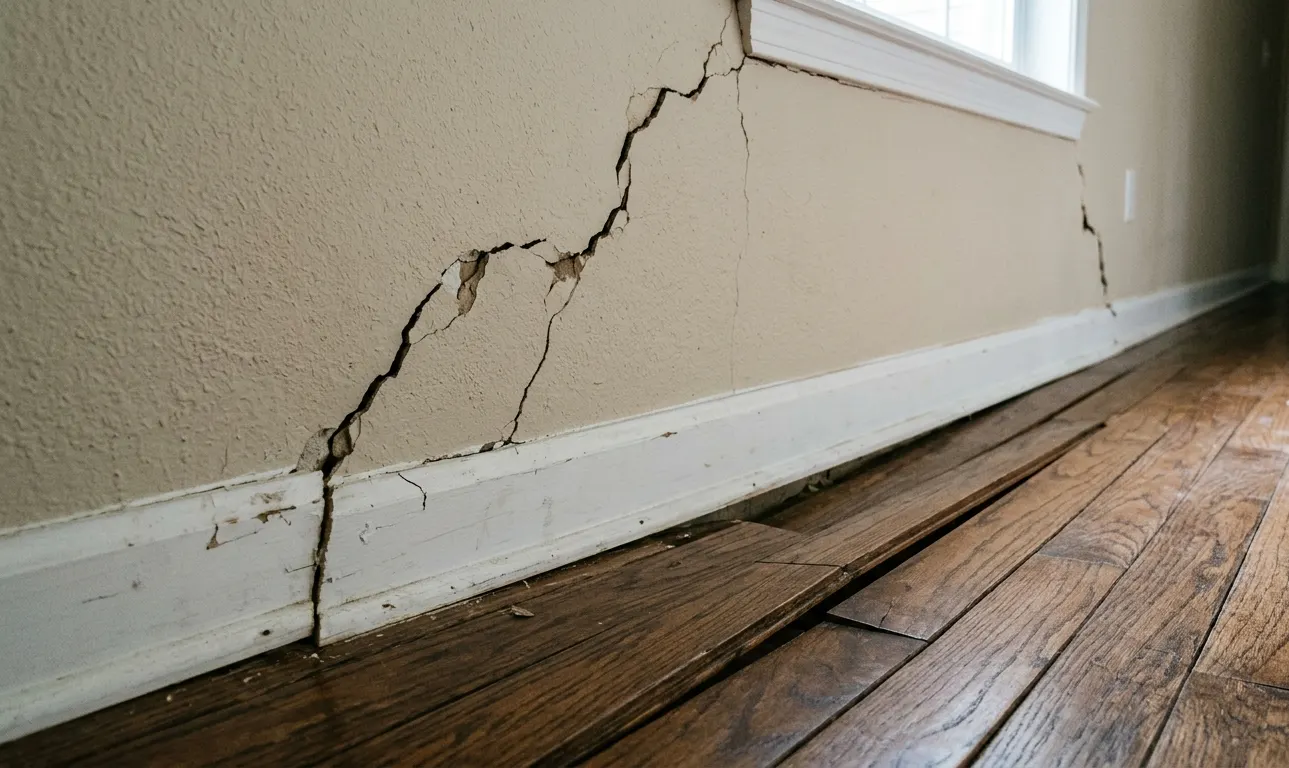
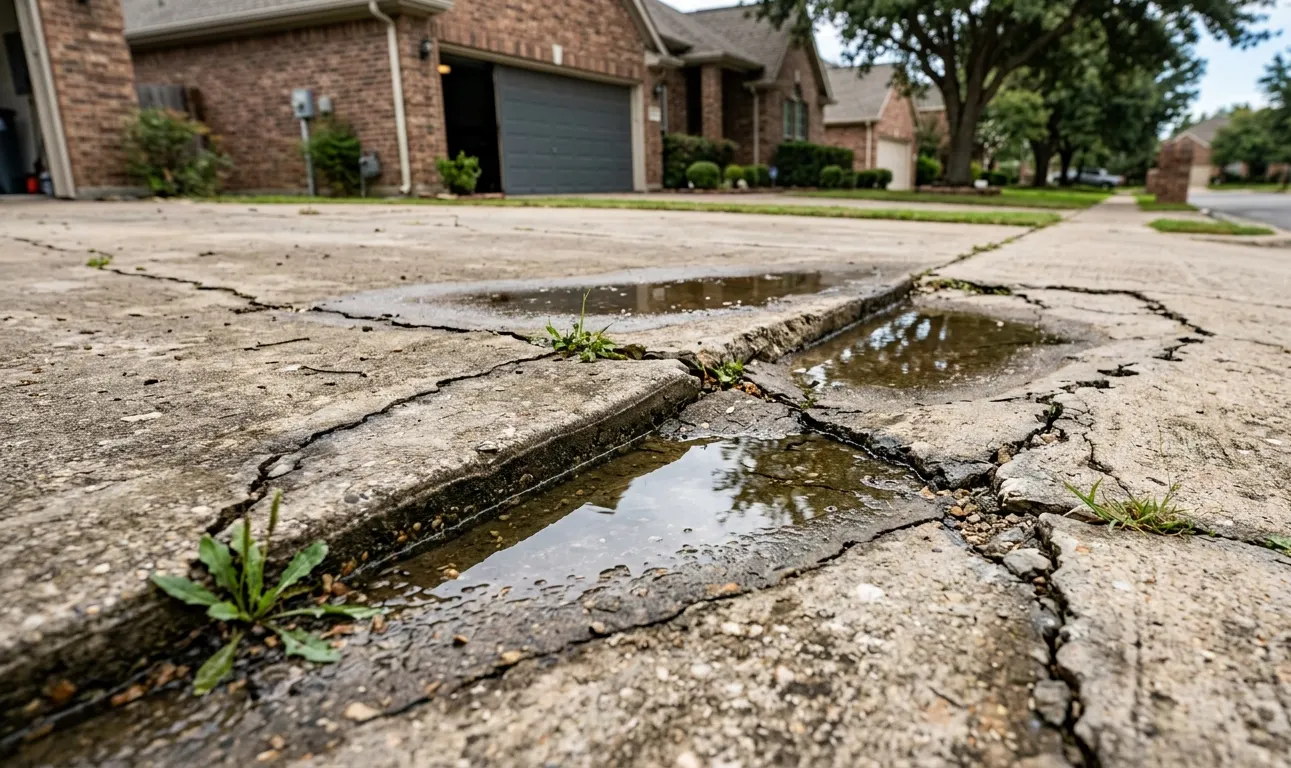
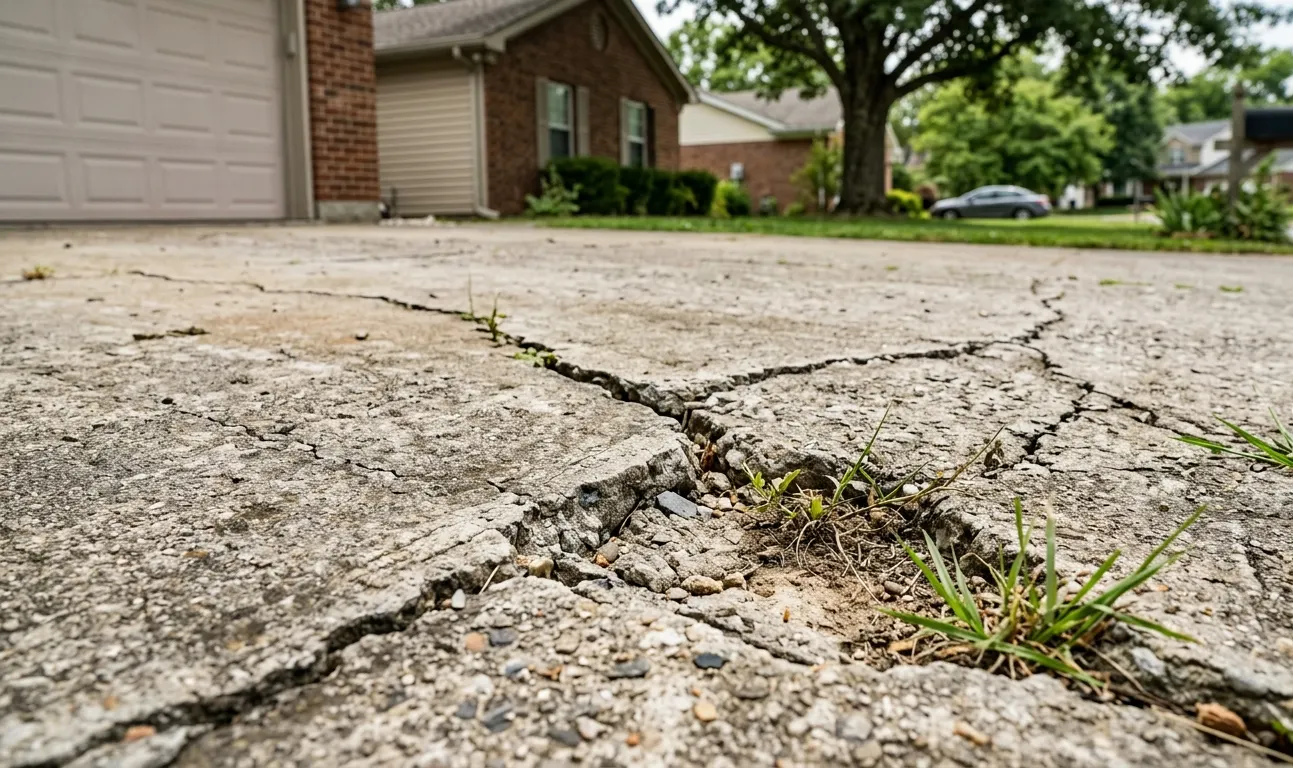
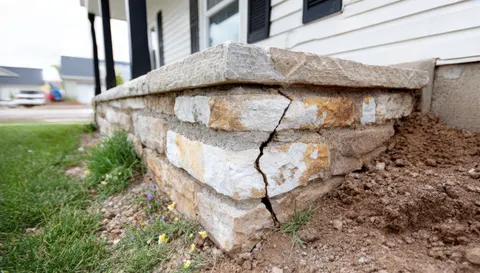
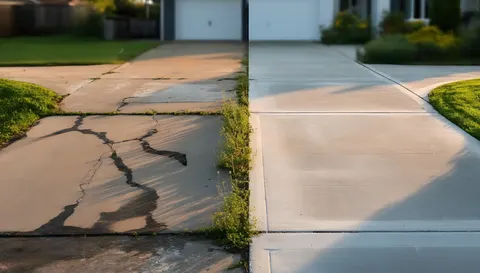
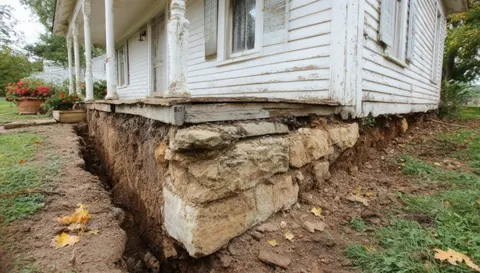
Concrete starts with the ground underneath it. If a contractor only talks about pouring and finishing and never mentions excavation, subgrade, compaction, base stone or drainage, I’d ask why. Poor prep leads to settling, cracking, low spots and water problems down the road.
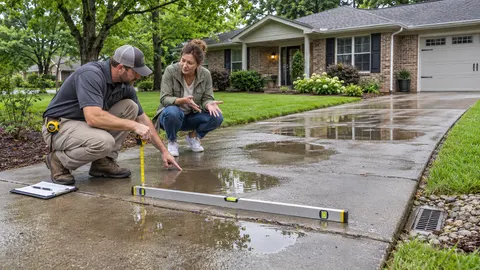
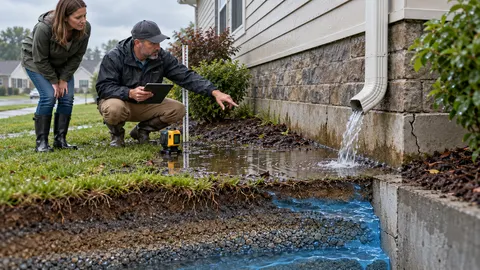
Drainage deserves its own question. A patio can look great and still be a bad installation if it sends rainwater toward your foundation, and a slab with a low spot will leave you with puddles after every storm. Permits are worth asking about too. Not every concrete job needs one, but your contractor should know whether the work triggers local permits or inspections, and should handle them, instead of leaving you to find out after construction starts.
All of this should come up before the price is final.
They Have No Local References or Past Work You Can Check
You should be able to see proof that a contractor has done work like yours before. Ask for recent local references, photos, reviews, or finished projects. For bigger jobs, you may even be able to drive past a previous project and see how it’s held up. Photos help, but every slab looks its best the day it’s finished. In reviews, pay attention to what people say about communication, scheduling, cleanup, and how the contractor handled problems.
Commercial property owners should look past appearance too. Experience with site access, scheduling, reinforcement, safety, and large pours matters as much as finish quality. Those are some of the same points to weigh when deciding what to look for in a commercial concrete contractor .
They Pressure You to Sign Today
A legitimate quote still makes sense tomorrow. Be wary of lines like “This price is only good if you sign right now,” especially when you haven’t had time to read the contract or compare estimates. Material prices do change, and no contractor can hold a quote forever. That’s different from inventing urgency to stop you from asking questions. If someone gets irritated because you want one evening to look over the scope, that tells you a lot about how communication will go once the job starts. Pressure is one of the most important concrete contractor red flags, because rushed decisions make it easy to miss what’s left out.
The Warranty Is Only a Verbal Promise
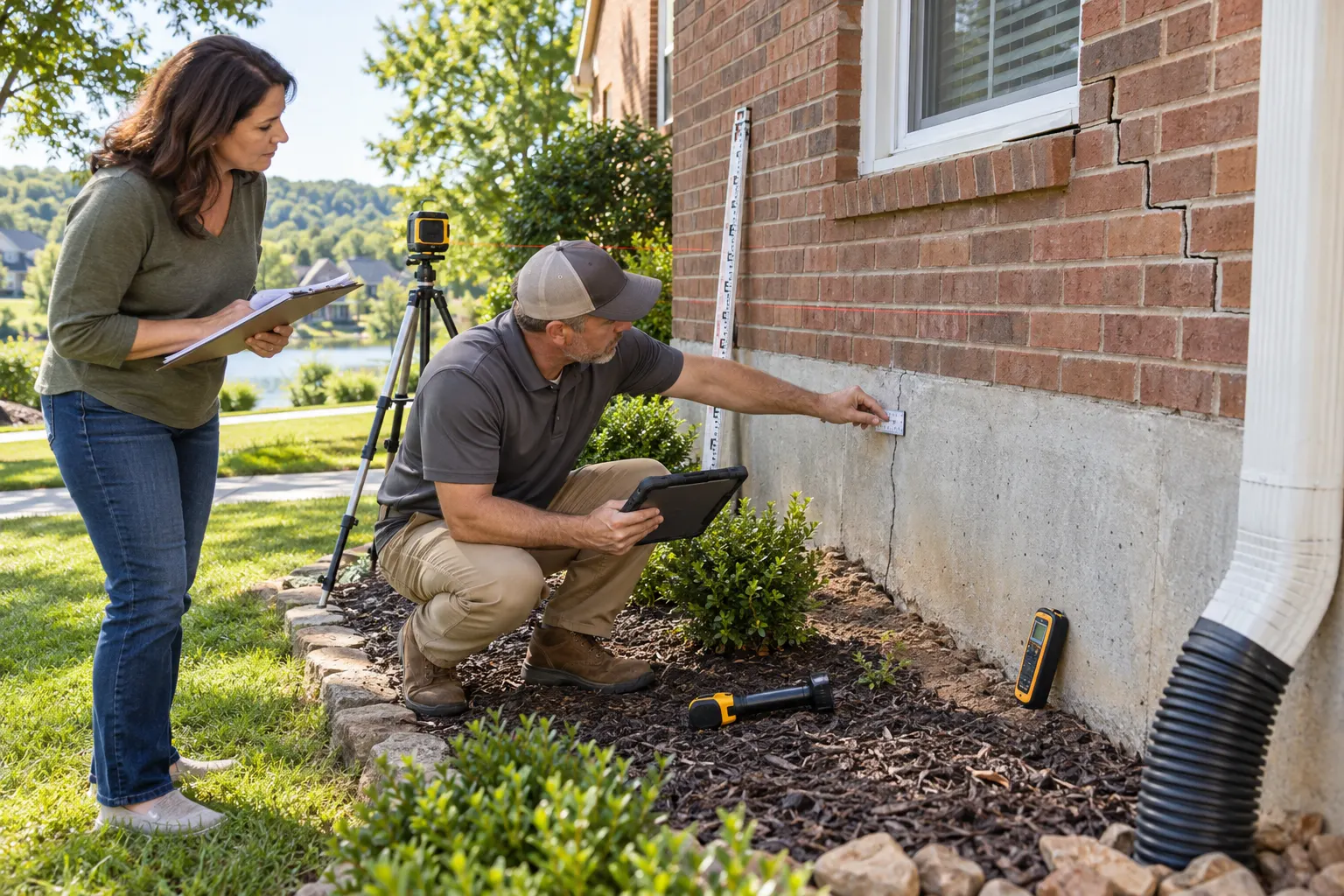
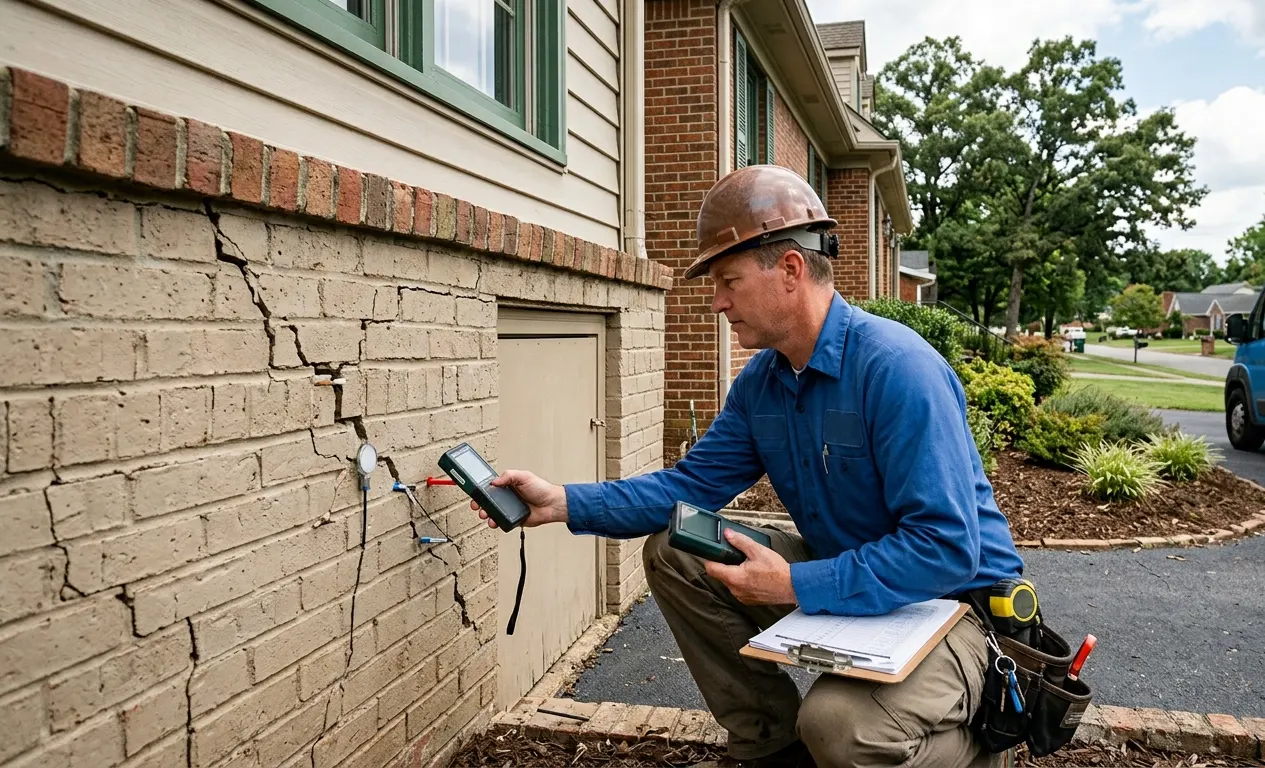
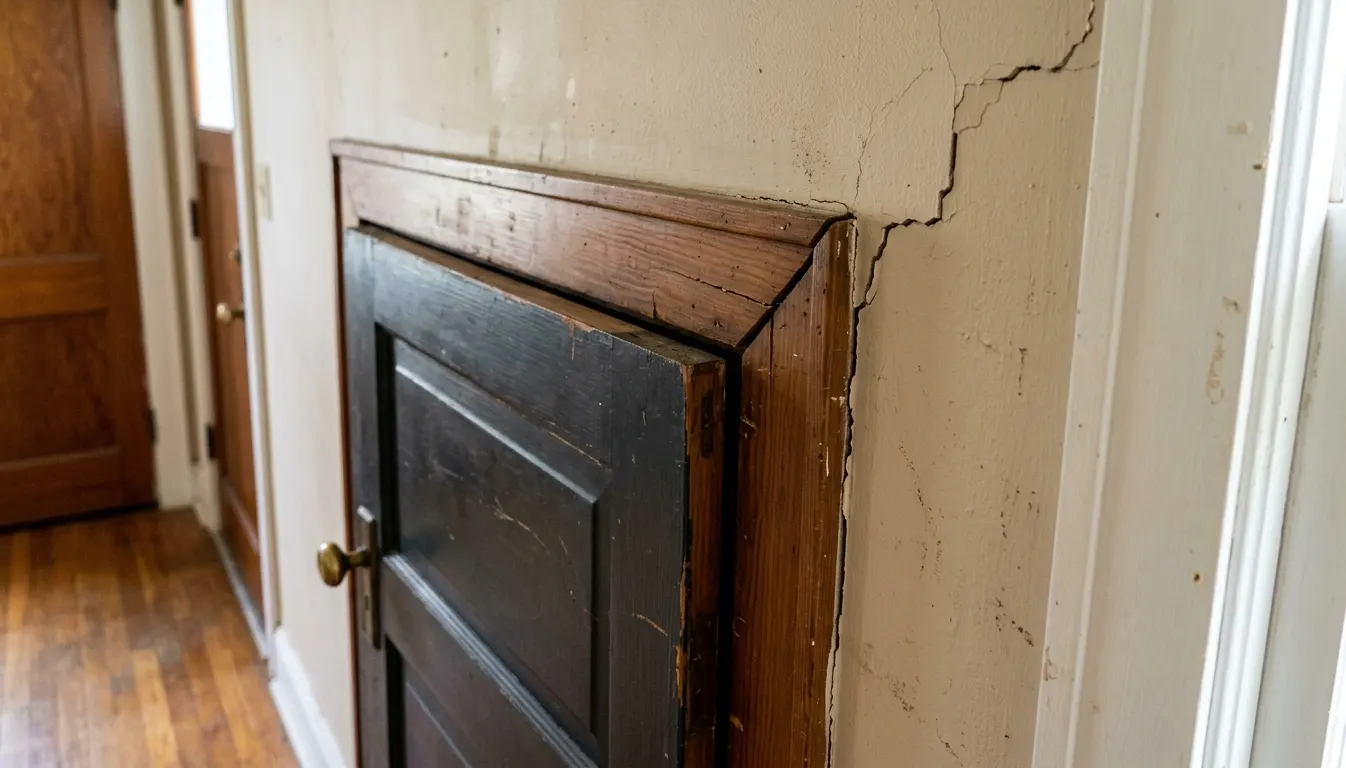
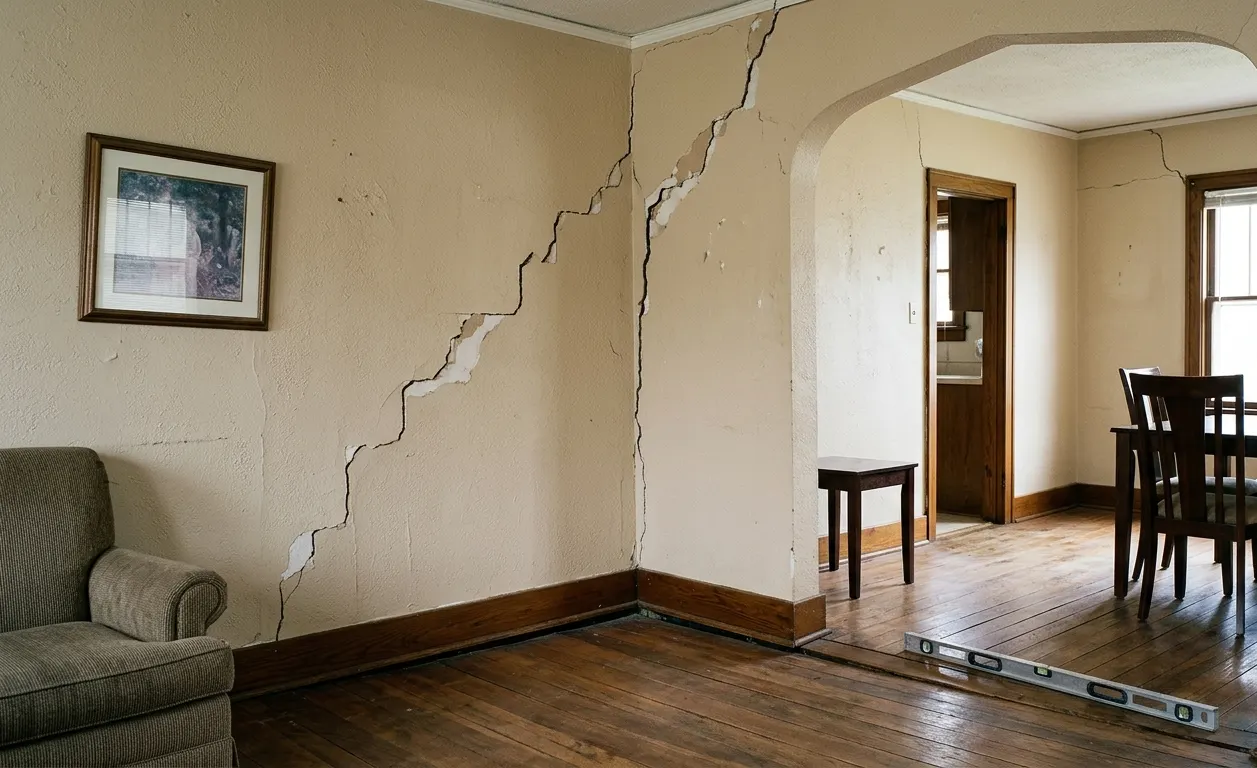
If a contractor offers a warranty, ask to see it in writing before you sign. You need to know what’s covered and what isn’t. Concrete can crack for different reasons, and not every crack means the job failed. Soil movement, drainage, heavy loads, and weather all affect slabs over time. That’s why a vague promise like “we guarantee it won’t crack” deserves a second look.
A useful warranty explains what it covers, how long it lasts, what it excludes, and what happens if you think there’s a covered problem. Whatever warranty we offer on a job is written into the contract, so you know exactly where you stand before work begins. If a salesperson promises something that never shows up in the contract, ask for it to be added before you sign.
What Should a Good Concrete Quote Include?
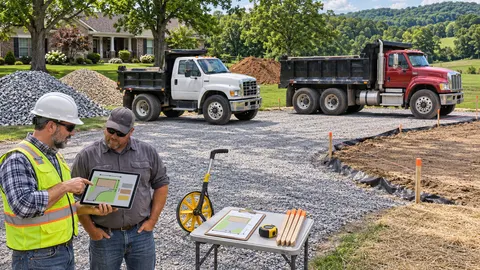
A good quote lets you compare contractors on the same scope, instead of comparing two totals that cover completely different work. At a minimum, I’d look for:
- A clear description of the project
- Approximate dimensions or square footage
- Planned concrete thickness
- Concrete strength or mix specification
- Excavation and removal
- Subgrade and base preparation
- Reinforcement, such as rebar or wire mesh, where specified
- Forms and control joints
- Drainage and slope
- Demolition and haul-off, if needed
- Who’s responsible for permits, when they apply
- The project price and payment schedule
- How changes or unexpected conditions are handled
- Warranty terms
- Cleanup
That’s the same list we work from when we put our own quotes together. An estimate doesn’t need to be twenty pages long. It just needs to be clear enough that you and the contractor agree on what’s included.
A Low Price Isn’t Always a Red Flag, but an Unexplained One Can Be
Contractors have different overhead, equipment, crews, suppliers, and schedules, so estimates won’t always match. A lower bid can be completely legitimate. What I’d want to know is why it’s lower. Maybe one contractor owns their excavation equipment and another rents it. Maybe one has easier access to materials. Those are fair differences. But if one quote is far lower because it skips the base prep, uses thinner concrete, leaves out reinforcement the other bids include, or has no demolition allowance, you’re not comparing the same job. Ask the contractor to walk you through the scope. Any big price difference should come with an explanation.
If the job involves more than concrete, like excavation, utilities, or several other trades, it’s also worth deciding whether you need a general contractor or just the individual trades before you compare bids.
Trust the Contractor Who’s Comfortable With Questions
Most concrete contractor red flags have one thing in common: the contractor wants a commitment before giving you enough information to make a good decision. A professional contractor should be happy to talk about insurance, licensing, specifications, site prep, payment terms, scheduling, warranties, and what happens if conditions change. You shouldn’t feel bad for asking. You’re hiring someone to build something on your home or business property that may be there for decades.
If you’re comparing concrete quotes in Nashville, Murfreesboro, or anywhere in Middle Tennessee, contact us for a quote . Ask us the same questions you’re asking everyone else, and we’ll walk you through the scope before you decide.