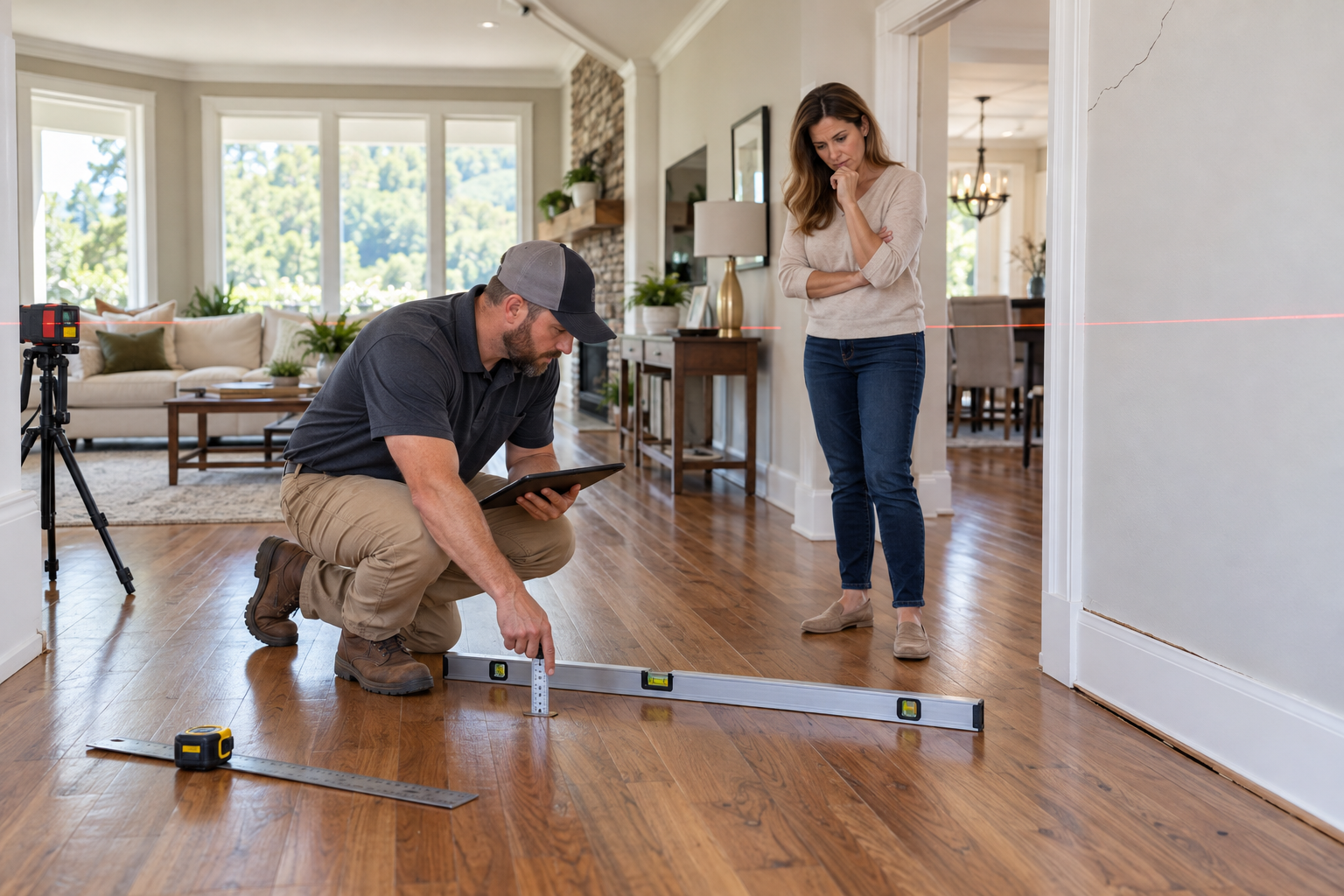
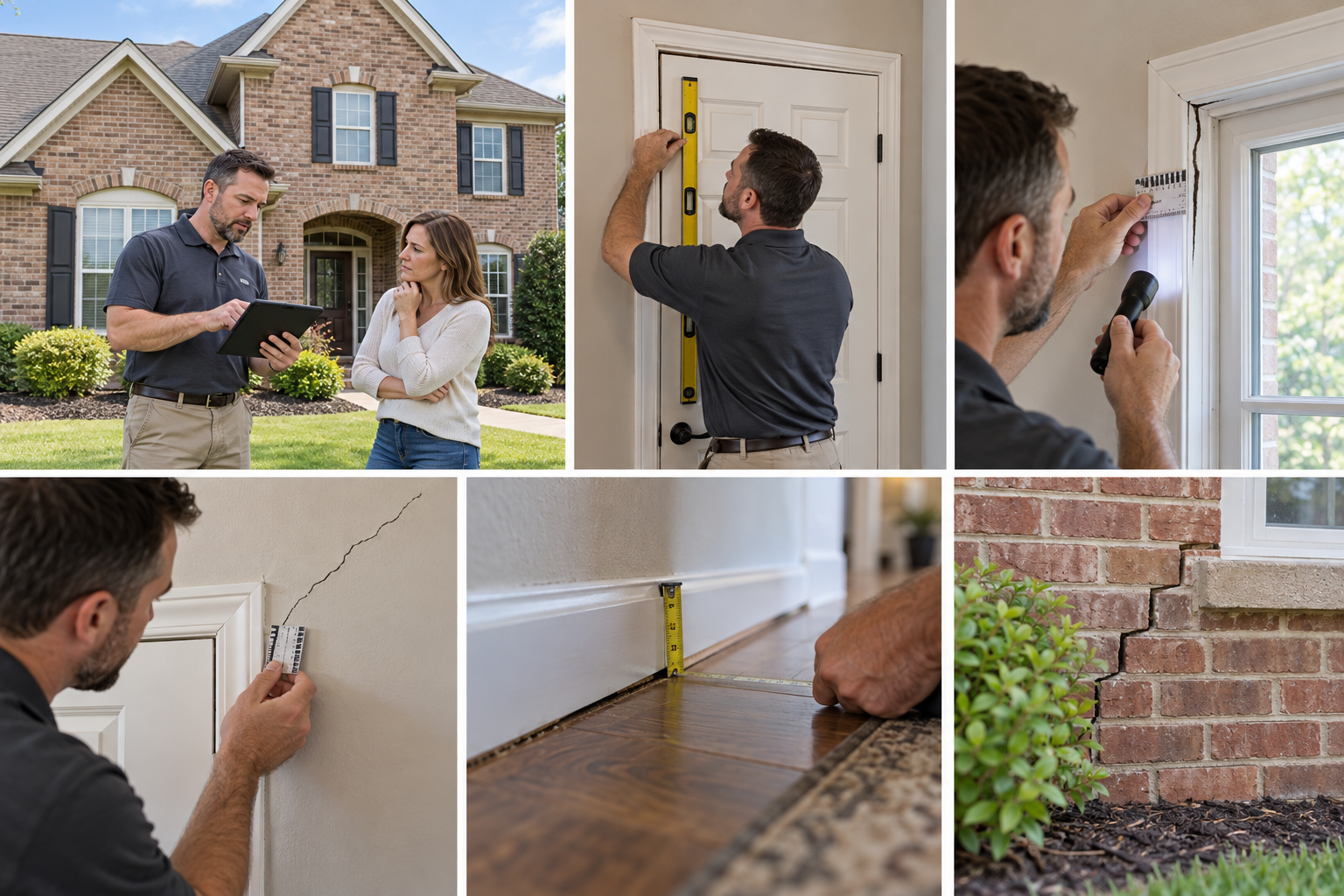
You may notice it when a chair seems slightly tilted, a ball rolls across the room on its own, or one side of the floor feels lower than the other. An uneven floor can be easy to dismiss, especially in an older home. Sometimes flooring materials, framing, or normal age-related changes are responsible. Other times, the Foundation or the soil supporting it may be moving. At GK Construction Solutions, we encourage Nashville homeowners to look beyond the floor itself. A slope becomes more meaningful when it is new, getting worse, or appearing alongside wall cracks, sticking doors, gaps around trim, or other structural changes. For homeowners researching
foundation repair in Nashville, the goal is not to assume every uneven floor means serious damage. It is to determine whether the floor is stable or part of a larger pattern of movement.
Can Uneven Floors Be a Sign of Foundation Problems?
Yes, uneven or sloping floors can be a sign of foundation movement, especially when the change is getting worse or appears with other symptoms such as widening cracks, sticking doors, misaligned windows, gaps between walls and ceilings, or visible foundation movement. A floor can become uneven when one part of the structure settles more than another, a condition commonly called differential settlement. However, foundation problems are not the only possible cause. Aging floor joists, moisture damage, framing issues, poor original construction, or localized subfloor problems can also create dips and slopes. GK Construction Solutions recommends looking at the entire pattern rather than diagnosing a home from the floor alone. If several areas of the house are changing together, or if a previously level floor is becoming noticeably uneven, the structure deserves closer evaluation. Drainage should also be considered because the Tennessee Department of Health recommends keeping rainwater away from foundation walls through proper grading, gutters, and downspouts.
What Causes Floors to Become Uneven?
Uneven floors can develop for several reasons, which is why the cause needs to be identified before deciding on a repair. Foundation settlement is one possibility. If the soil beneath one section of the structure loses support or changes differently from surrounding soil, part of the foundation may move downward. Framing can also cause floor problems. Damaged joists, weakened structural members, moisture, or older construction can create local dips even when the foundation itself is stable. In other cases, the subfloor or finished flooring may be responsible. The important distinction is whether the problem is limited to the flooring system or connected to movement throughout the structure. Our guide to
foundation settlement versus foundation failure explains why uneven floors become more concerning when they occur with progressive cracks, sticking doors, or other signs of movement.
How Can You Tell if an Uneven Floor Is Caused by the Foundation?
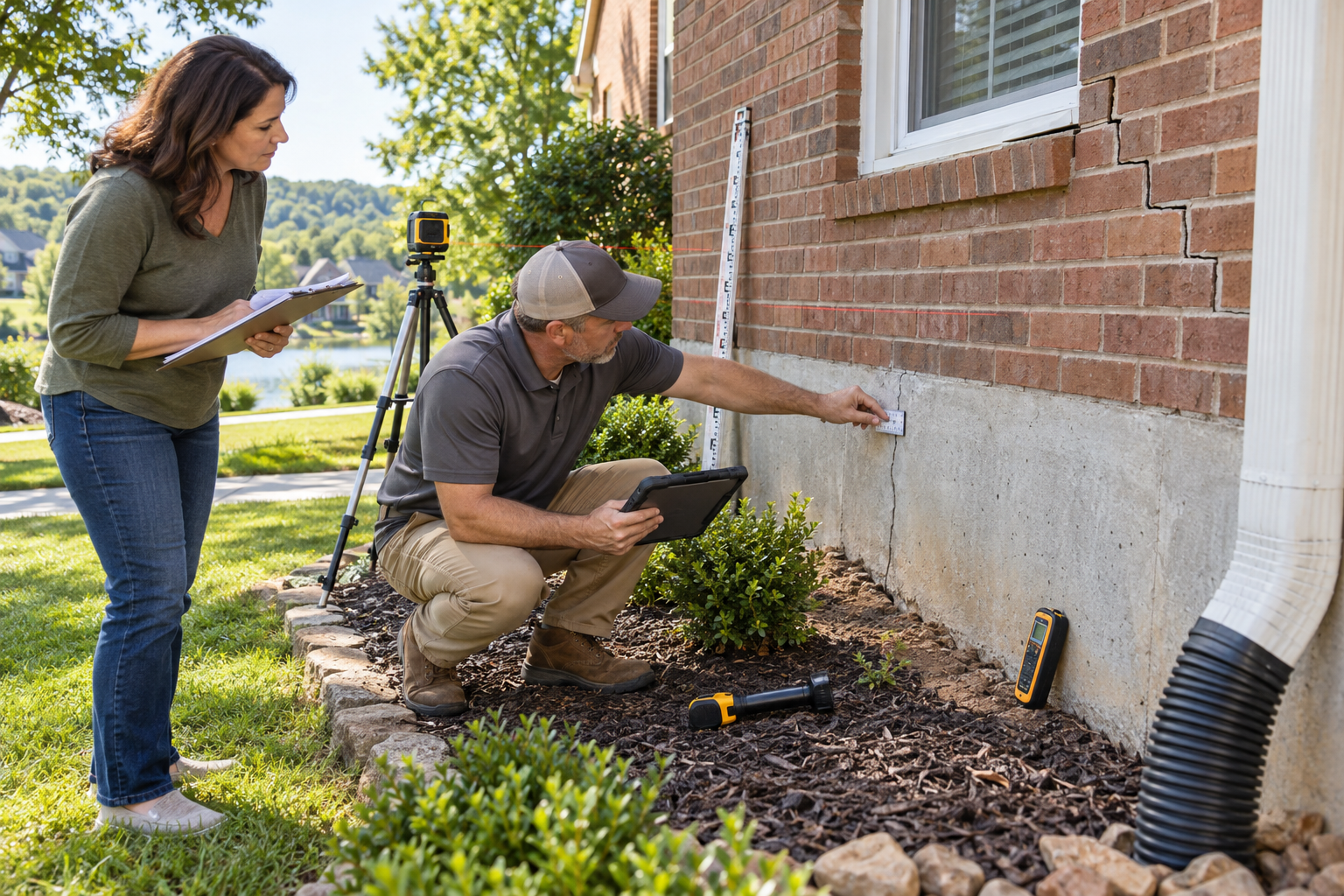
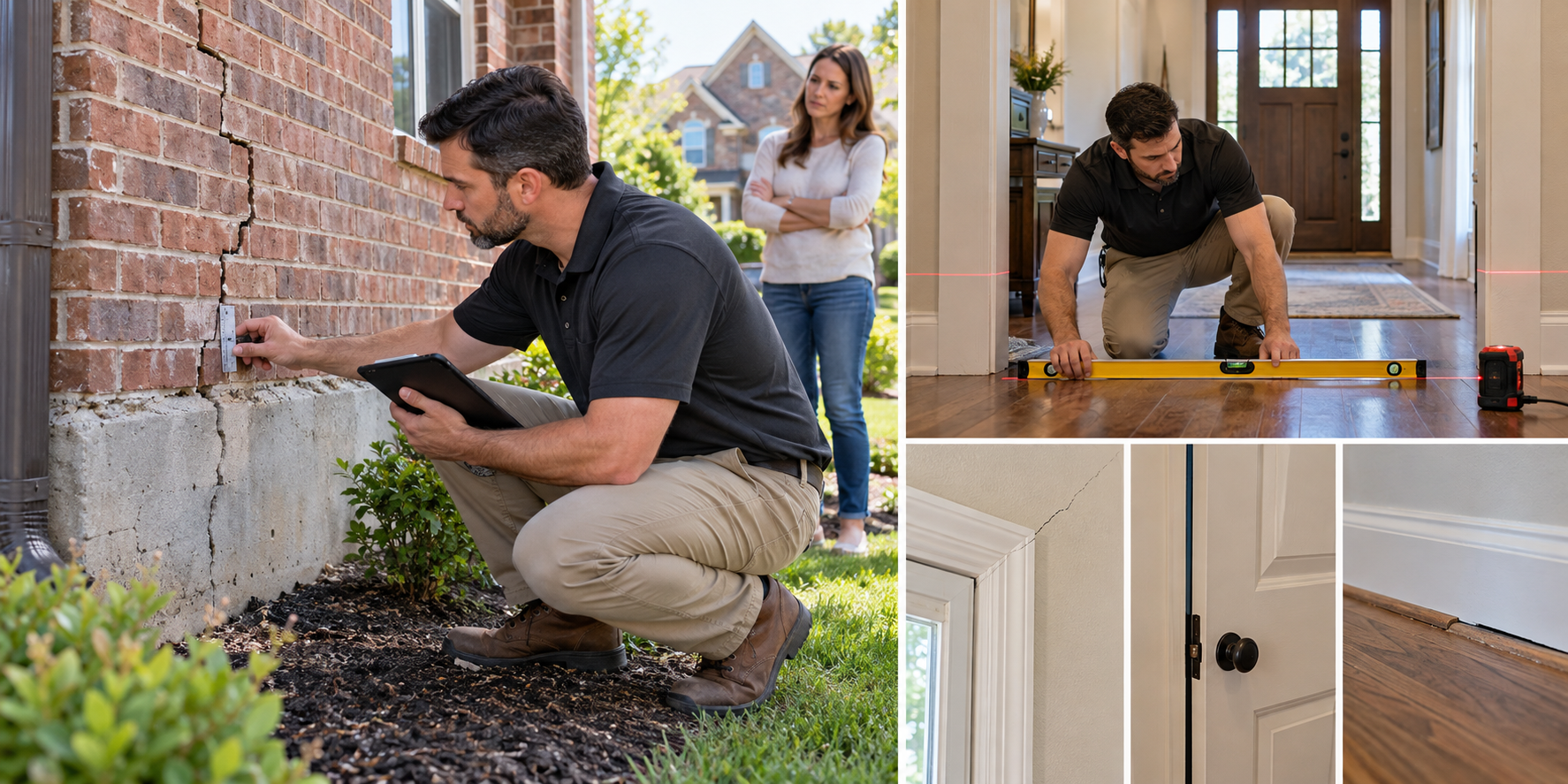
Start by looking for other changes around the same part of the house. If the floor slopes toward one wall and that wall also has widening cracks, sticking doors, or separation near the ceiling, the symptoms may be connected. Walk through several rooms. Does only one small section feel uneven, or does the slope continue across a larger portion of the home? Also check exterior masonry, visible foundation walls, doors, windows, and trim. GK Construction Solutions'
guide to spotting early foundation problems identifies uneven floors alongside cracks and sticking doors as warning signs worth evaluating together. For foundation repair Nashville, a pattern across several parts of the home generally provides more useful information than one uneven floorboard.
Is It Normal for an Older House to Have Uneven Floors?
Some older homes have floors that are not perfectly level. Wood framing can change over time, construction methods were different decades ago, and limited settlement may have occurred long before the current owner moved in. A floor that has been slightly uneven for many years and has not changed may be less concerning than a slope that developed recently. The important word is change. If an old floor suddenly becomes steeper, cracks begin appearing nearby, or doors that previously worked normally start sticking, further evaluation makes sense. Normal age does not automatically explain new movement.
What Is Differential Foundation Settlement?
Differential settlement happens when different areas of the foundation move by different amounts. For example, one corner may settle while another section remains relatively stable. This uneven movement can affect the framing above the foundation and may eventually show up as sloping floors, diagonal cracks, door alignment problems, or gaps between building materials. GK Construction Solutions explains in its
foundation settlement versus failure guide that progressive or uneven movement deserves more attention than small changes that stabilize. The floor itself may therefore be one visible symptom of movement occurring lower in the structure.
Can Water and Drainage Problems Cause Uneven Floors?
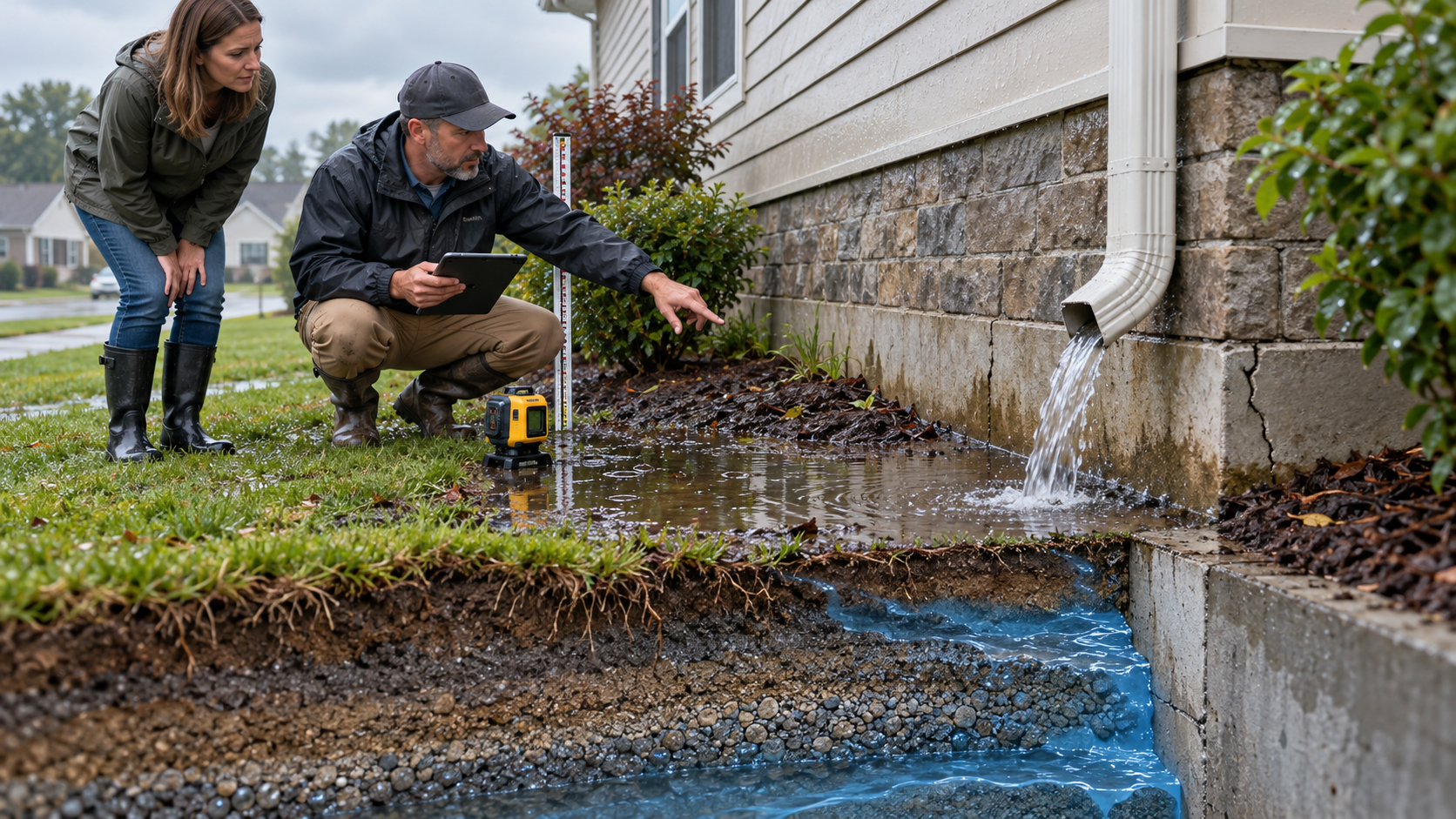
They can contribute to conditions that lead to foundation movement. Water that repeatedly collects beside a home can change the moisture conditions of the supporting soil. Poor drainage can also contribute to erosion or create uneven soil conditions around different sides of the structure. The
Tennessee Department of Health advises homeowners to maintain gutters, direct downspouts away from the home, and slope the ground away from foundation walls. At GK Construction Solutions, we also look at drainage and grading when evaluating structural symptoms. Our guide on
how proper site grading helps prevent foundation problems explains how water moving toward a house can affect surrounding soil and why grading should be included in the evaluation.
Does Nashville Soil Affect Foundation Movement?
Soil conditions can influence how foundations perform. Different soils absorb, hold, and release water differently. Some may soften when saturated, while others can change volume as moisture conditions fluctuate. That means two homes experiencing the same rainfall may not experience identical soil movement. GK Construction Solutions discusses the connection between moisture changes and foundation stress in its article on
how Tennessee soil conditions affect home foundations. For homeowners considering foundation repair nashville, drainage, grading, soil conditions, and visible structural symptoms should be evaluated together rather than assuming the floor itself is the only problem.
What Other Signs Should You Watch for With Uneven Floors?
An uneven floor becomes more concerning when other signs develop at the same time.
Watch for:
- Cracks that continue widening
- Stair-step cracks in brick or block
- Doors that suddenly stick or fail to latch
- Windows that become difficult to open
- Gaps between walls and ceilings
- Trim pulling away from walls
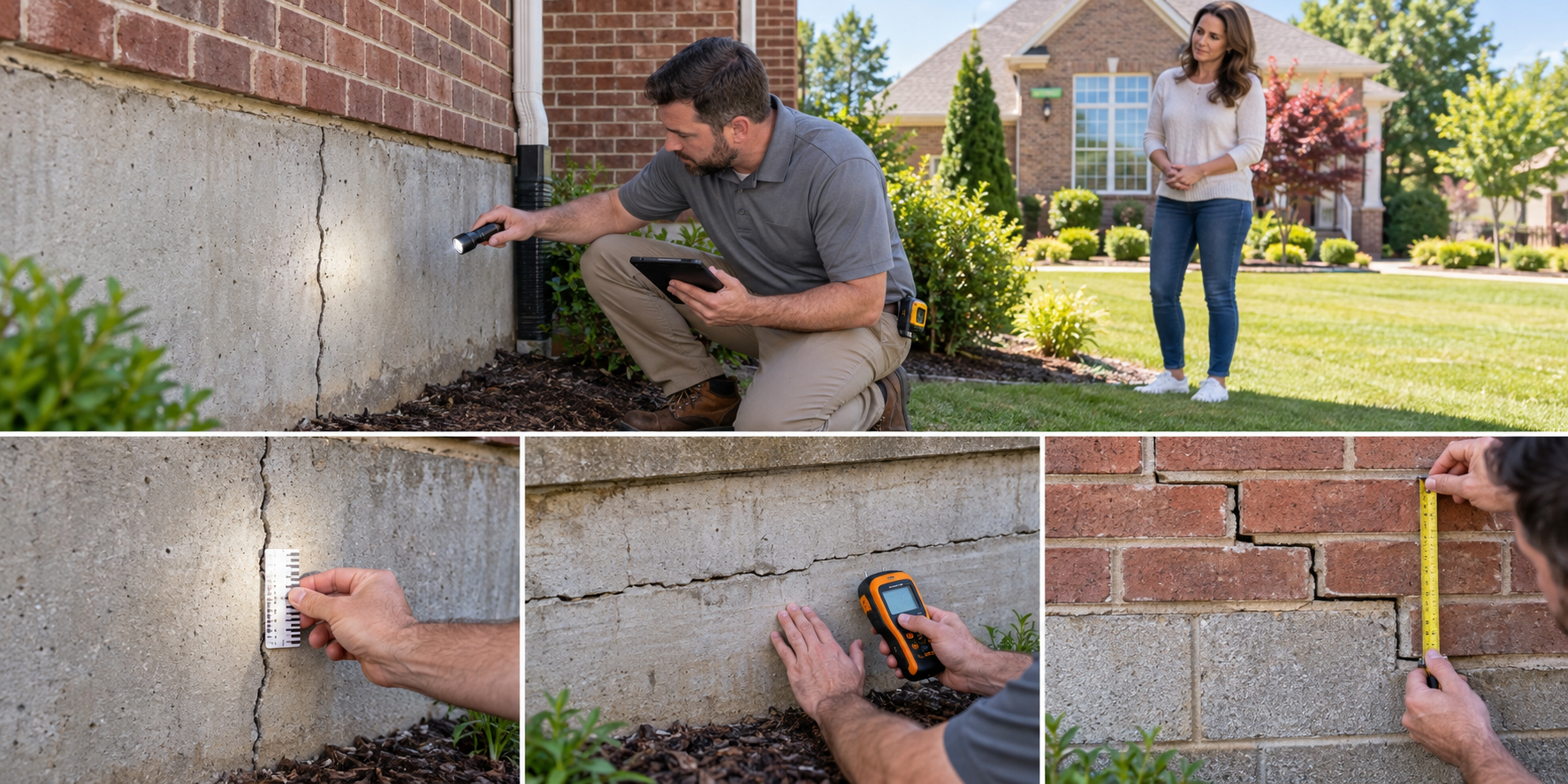
- Bowing or leaning foundation walls
- Repeated cracks that reopen after repair
One symptom does not automatically mean structural failure. Several changing symptoms together provide a stronger reason for professional evaluation.
Should You Fix the Flooring Before Checking the Foundation?
Not if you suspect the floor problem is caused by structural movement. Installing new flooring, leveling a surface, or repairing cosmetic cracks may improve appearance without correcting why the floor became uneven. If movement continues, the new finish may develop the same problems. It is usually better to identify the cause first. That may involve checking the foundation, floor framing, drainage, grading, moisture, and surrounding site conditions. Once the source is understood, repairs can be planned in the right order.
Can an Uneven Floor Get Worse Over Time?
Yes, if the condition causing it is still active. A stable floor may remain unchanged for years. An active settlement problem can gradually increase the slope or create additional symptoms elsewhere. This is why documenting changes can be useful. Take dated photos of cracks, note where doors are sticking, and record whether the floor appears to be changing. You do not need to diagnose the home yourself. The purpose is simply to know whether the condition is stable or progressing.
When Should You Call a Foundation Professional?
Consider professional evaluation if the floor has noticeably changed, several rooms are affected, or other structural warning signs are appearing. You should also pay attention when uneven floors occur with widening cracks, sticking doors, wall separation, or drainage problems around the property. The sooner you understand the cause, the easier it is to decide whether monitoring, drainage correction, framing work, or structural repair is appropriate. Not every uneven floor needs foundation repair. But repeatedly covering symptoms without identifying the cause can delay the repair that actually matters.
Why Choose GK Construction Solutions for Foundation Concerns?
At
GK Construction Solutions, we look beyond the floor itself. Our experience includes concrete construction, excavation, grading, foundation-related work, masonry, and site preparation. That broader construction background helps us evaluate how the structure and surrounding property may be working together. For Nashville properties, our
general contracting and foundation services include evaluating foundation concerns, developing a project plan based on the condition of the property, performing the required work, and providing guidance after repairs. When homeowners contact us about foundation repair in Nashville, we want to understand what is causing the unevenness before recommending a solution. That may mean looking at the foundation itself, but it can also mean checking grading, drainage, surrounding concrete, soil conditions, and other structural symptoms.
Frequently Asked Questions
How Uneven Is Too Uneven for a Floor?
There is no single slope measurement that proves a foundation problem in every home. What matters is how quickly the condition developed, whether it is changing, how much of the house is affected, and whether other structural symptoms are present. A professional evaluation can help distinguish an old stable slope from active movement.
Can Uneven Floors Be Fixed Without Foundation Repair?
Yes, if the cause is unrelated to the foundation. Floor joists, beams, subfloors, moisture damage, or flooring installation can sometimes create unevenness. The correct repair depends on identifying the source first.
Why Is My Floor Uneven in Only One Room?
A single uneven room may indicate a localized framing, subfloor, moisture, or support issue. It could also be located above an area where foundation movement is occurring. Checking adjacent rooms and the structure below can help narrow down the cause.
Do Sloping Floors Mean My House Is Unsafe?
Not automatically. Some older homes have stable floor slopes that have existed for many years. A newer or worsening slope accompanied by cracks, wall movement, or sticking doors deserves closer evaluation.
Can Poor Drainage Really Affect My Foundation?
Yes, drainage can contribute to soil conditions around a foundation. Tennessee health guidance recommends keeping gutters functional and directing the surrounding ground away from the foundation to reduce unnecessary moisture.
Should I Level My Floor Before Selling My House?
First determine why the floor is uneven. Leveling the visible surface without understanding whether structural movement is active could hide an unresolved problem. Knowing the cause helps you decide what type of repair is appropriate.
Final Thoughts
An uneven floor does not automatically mean your Foundation is failing. Floors can slope because of age, framing, moisture, subfloor problems, previous construction, or foundation settlement. What matters most is the pattern. A floor that has remained unchanged for decades tells a different story from one that recently started sloping while cracks, sticking doors, and wall gaps are developing nearby. Look at the entire property, including drainage outside the home. If several symptoms are changing together, identifying the underlying cause is more useful than simply trying to make the floor look level again.
Find Out What Is Causing the Floor to Move
If the floors in your Nashville home are becoming uneven or you are also seeing cracks, sticking doors, or other signs of structural movement,
reach out to GK Construction Solutions. We can evaluate the visible symptoms, foundation, grading, drainage, and surrounding site conditions to help you understand the practical next step.
Follow our social media pages below: