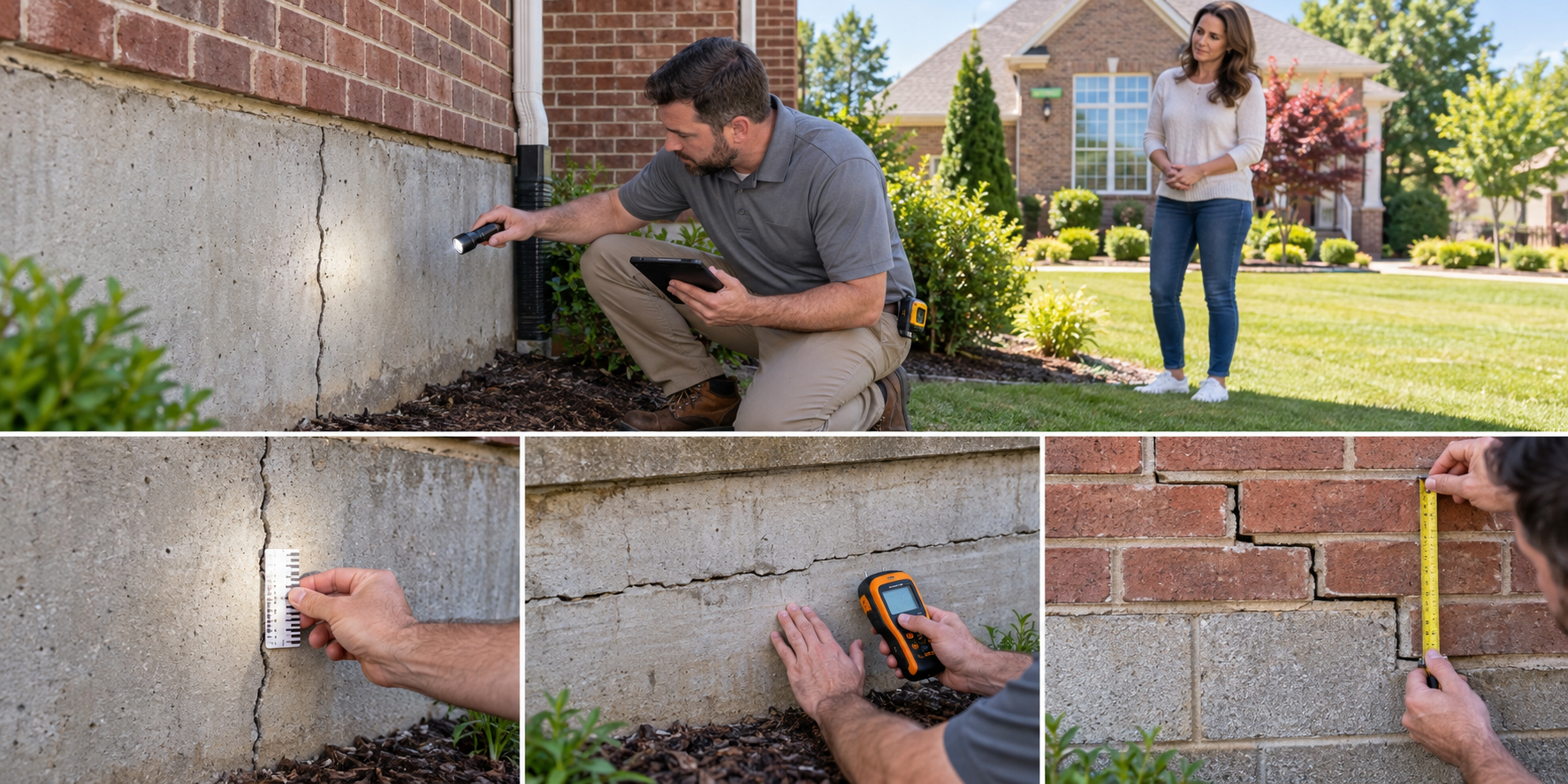
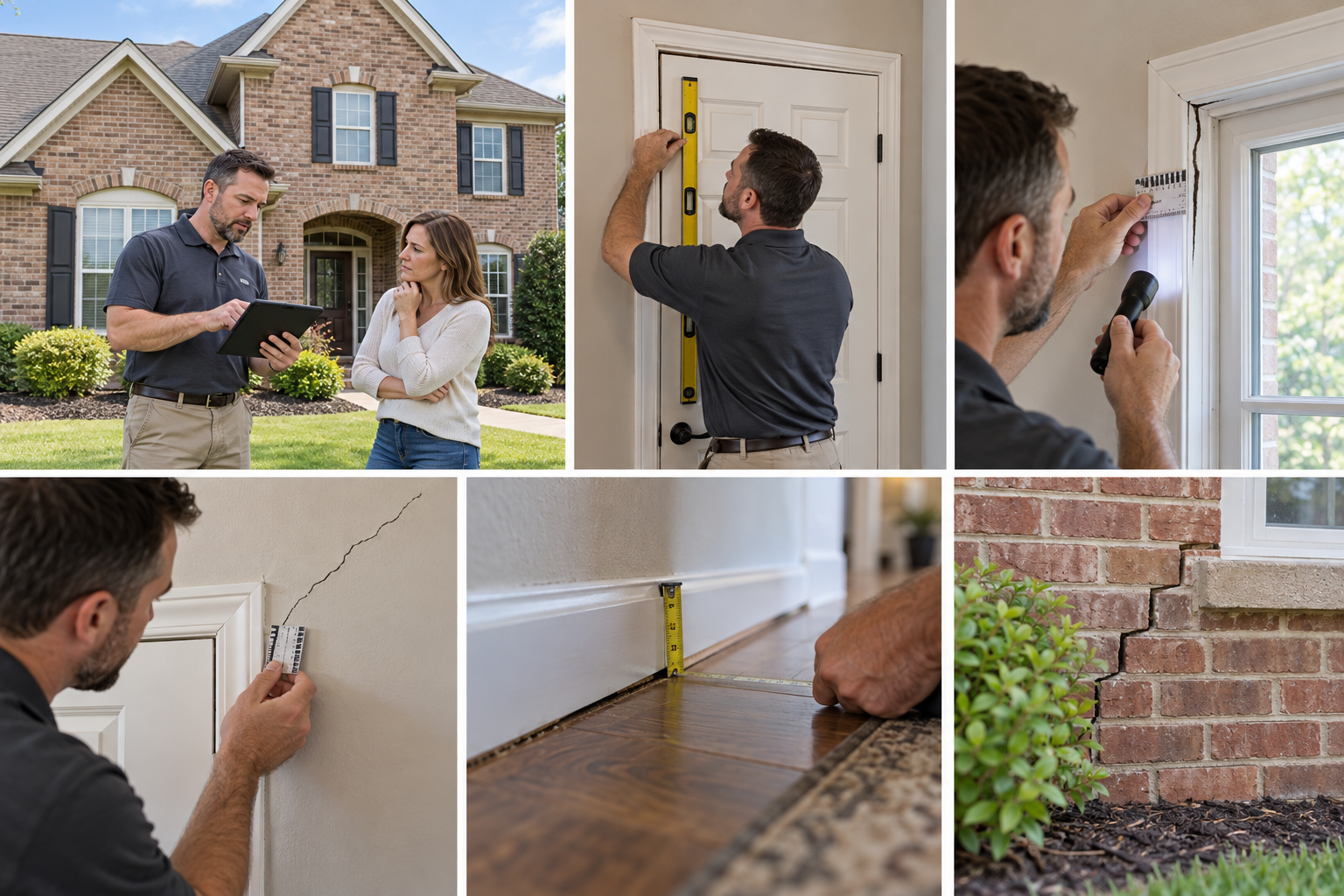
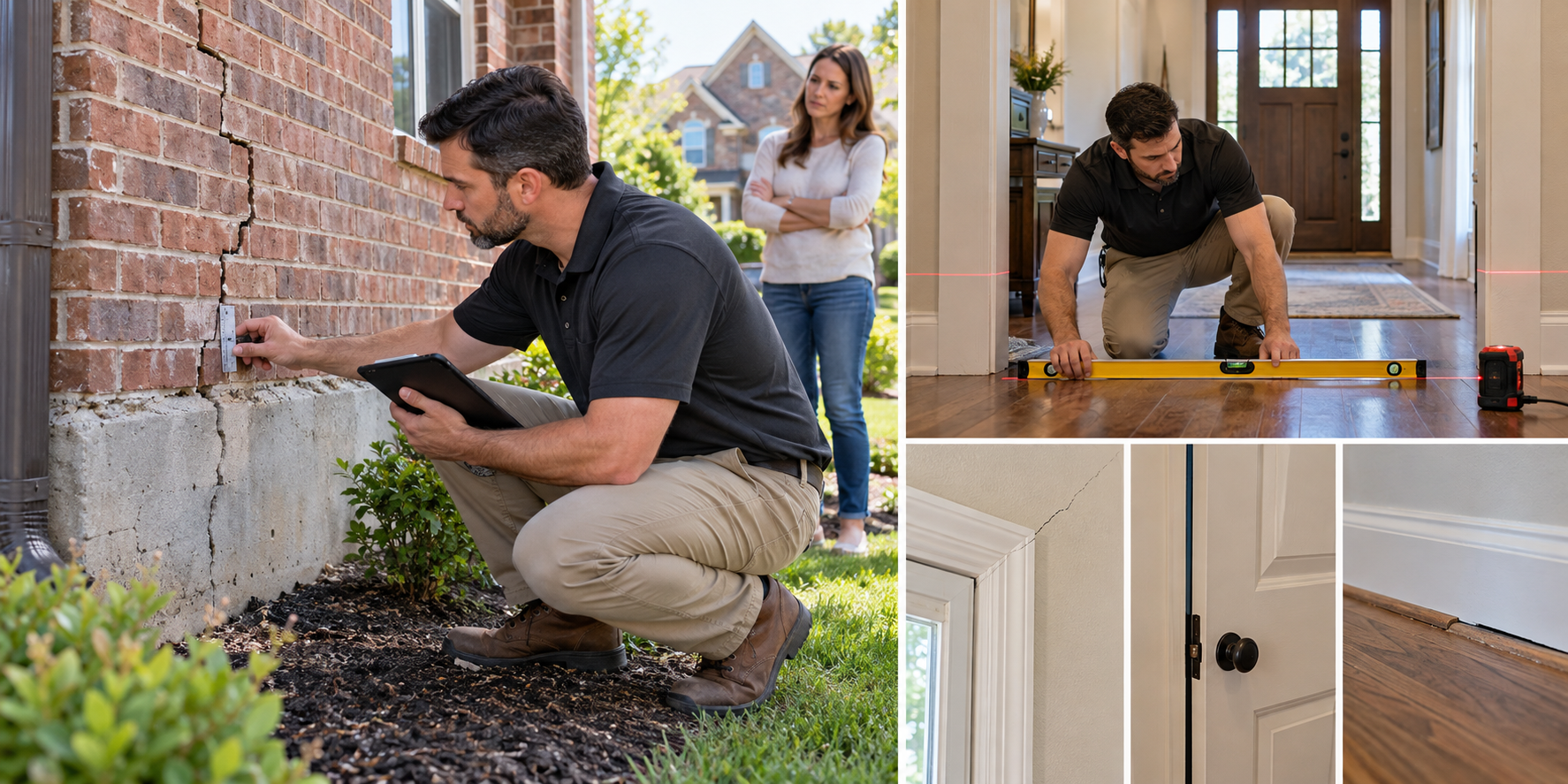
Few home problems create anxiety faster than a new crack in the wall or Foundation.
You may notice a thin line in concrete, a stair-step pattern through brick, or a horizontal crack across a basement wall and immediately wonder whether the house is moving. The difficult part is that cracks do not all mean the same thing.
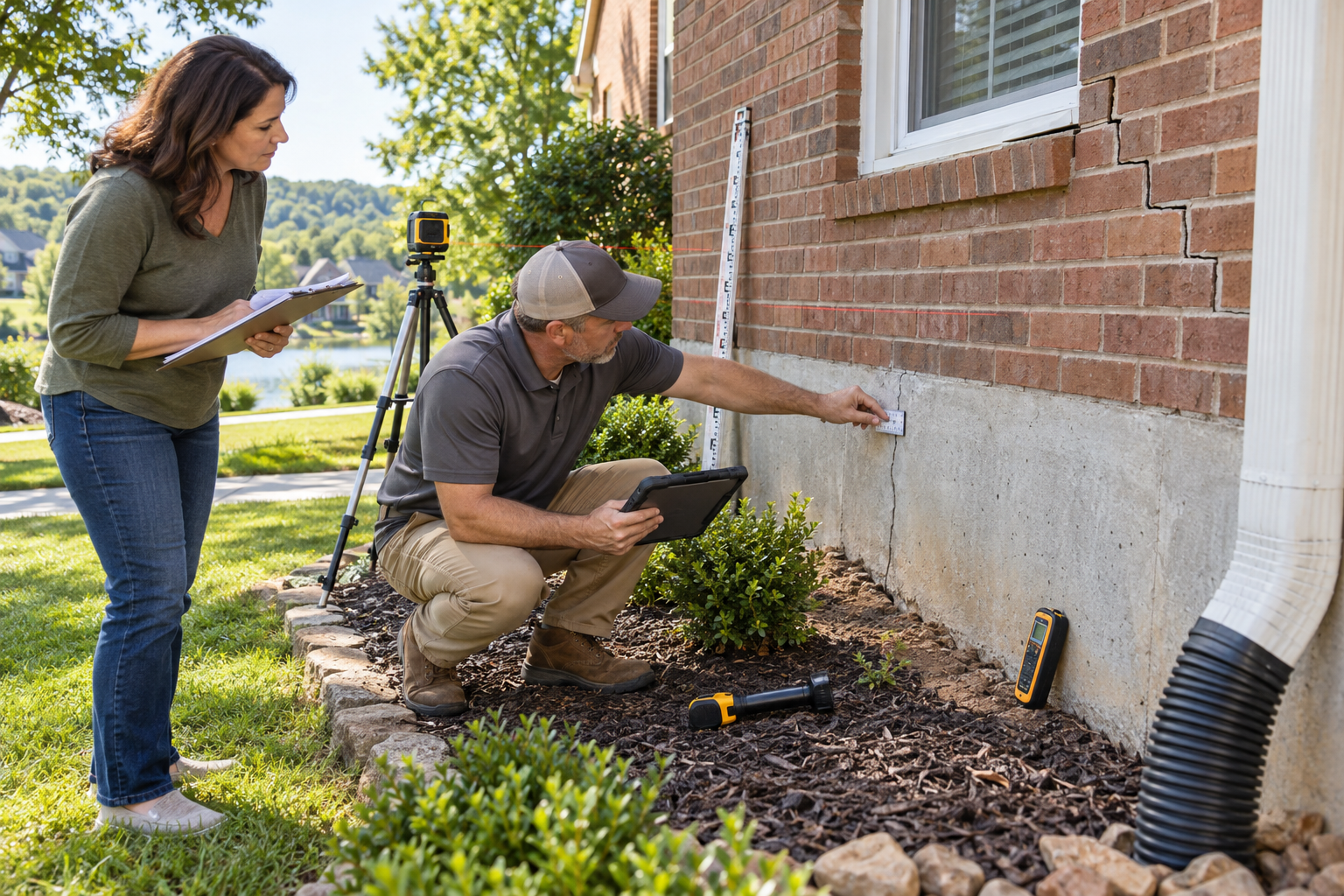
At GK Construction Solutions, we look at the pattern, location, width, movement, moisture, and surrounding symptoms before drawing conclusions. A small stable crack can mean something very different from a widening crack accompanied by uneven floors or sticking doors.
For homeowners researching
foundation repair Murfreesboro TN, understanding the basic crack types can help you know what deserves monitoring and what should be professionally evaluated.
What Do Different Foundation Crack Types Mean?
Different foundation crack types can provide clues about how a home is moving, but a crack should never be diagnosed by direction alone. Vertical cracks may develop from concrete shrinkage or limited settlement and are often less concerning when they remain narrow and stable. Diagonal cracks can be associated with uneven settlement, particularly when one part of the foundation moves differently from another. Stair-step cracks that follow mortar joints in brick or block can also indicate differential movement. Horizontal cracks deserve closer attention because they may occur when soil or water pressure pushes against a foundation wall, especially if the wall is bowing or shifting inward. The U.S. Department of Health and Human Services housing reference manual notes that foundation-wall cracking can occur with settlement and that diagonal cracking is common in foundation walls. The safest approach is to consider the entire pattern, including whether the crack is widening, whether there is visible displacement, and whether other symptoms such as sloping floors, sticking doors, moisture, or wall movement are appearing at the same time.
What Does a Vertical Foundation Crack Mean?
A vertical crack is not automatically a sign of major structural failure. Concrete can shrink as it cures, and some limited settlement can create narrow vertical cracking without seriously affecting the structure. The key question is whether the crack is stable. A thin crack that has remained unchanged for years is different from one that continues widening, allows water through, or appears alongside uneven floors and sticking doors.
Our guide on
foundation settlement versus foundation failure explains why movement patterns and changes over time are often more useful than looking at one crack in isolation. For foundation repair in Murfreesboro, TN, homeowners should pay attention to whether the crack is changing rather than assuming every vertical line requires major repair.
What Does a Horizontal Foundation Crack Mean?
Horizontal cracks generally deserve closer attention. They can develop when pressure from soil or water pushes against a foundation wall from the outside. That does not mean every horizontal crack proves the wall is failing, but the concern increases if the wall is also bowing, leaning, or visibly displaced.
Water around the foundation can make matters worse by changing soil conditions and increasing moisture pressure against basement or foundation walls. The
Tennessee Department of Health recommends maintaining gutters and sloping the ground away from the foundation to help control moisture around the home. If a horizontal crack is getting wider or the wall is moving inward, professional evaluation is a sensible next step.
What Do Stair-Step Cracks Mean?
Stair-step cracks usually follow mortar joints through brick or concrete block. They can develop when one part of the foundation settles differently from another. This is often called differential settlement. A small stair-step crack that remains unchanged may not mean the foundation is failing, but growing cracks, visible displacement, or other symptoms can point to ongoing movement.
GK Construction Solutions' guide on
spotting foundation problems early identifies stair-step cracking, widening gaps, sticking doors, and uneven floors as warning signs worth evaluating together. The pattern matters most when it is changing.
What Does a Diagonal Foundation Crack Mean?
Diagonal cracks can indicate that one area of the foundation is moving differently from another. That can happen when soil support changes beneath part of the home. For example, one corner may settle while the rest of the structure remains relatively stable. The resulting movement can place stress on foundation walls, brick, drywall, doors, and windows.
The
U.S. Department of Health and Human Services housing reference manual notes that foundation-wall cracks are often diagonal and can be associated with settlement. A diagonal crack becomes more concerning if it keeps widening or appears with sloping floors, wall separation, or doors that suddenly stop closing correctly.
Are Hairline Foundation Cracks Normal?
Some hairline cracks can occur without indicating major structural damage. Concrete naturally changes as it cures, dries, and responds to temperature and moisture conditions. However, "hairline" should not automatically be treated as "harmless." Monitor the crack.
Take dated photos, note whether it changes width, and watch for nearby symptoms. If the crack repeatedly reopens after repair or appears alongside other movement, it deserves closer attention. This is where a professional inspection can help separate cosmetic cracking from a deeper structural issue.
Why Does Soil Matter for Murfreesboro Foundations?
Soil conditions can have a major influence on foundation movement. USDA soil records for Rutherford County show that soils around Murfreesboro vary significantly. Some mapped soil series contain substantial clay, while others have slow permeability or shallow limestone conditions. That means one property can behave differently from another, even within the same area.
Moisture changes can also affect soil support over time. Our article on
how Tennessee soil conditions affect home foundations explains why drainage, wet and dry cycles, and soil movement can all contribute to long-term foundation stress. This is one reason foundation repair in Murfreesboro, TN should be based on the actual property rather than a generic crack rule.
Can Poor Drainage Cause Foundation Cracks?
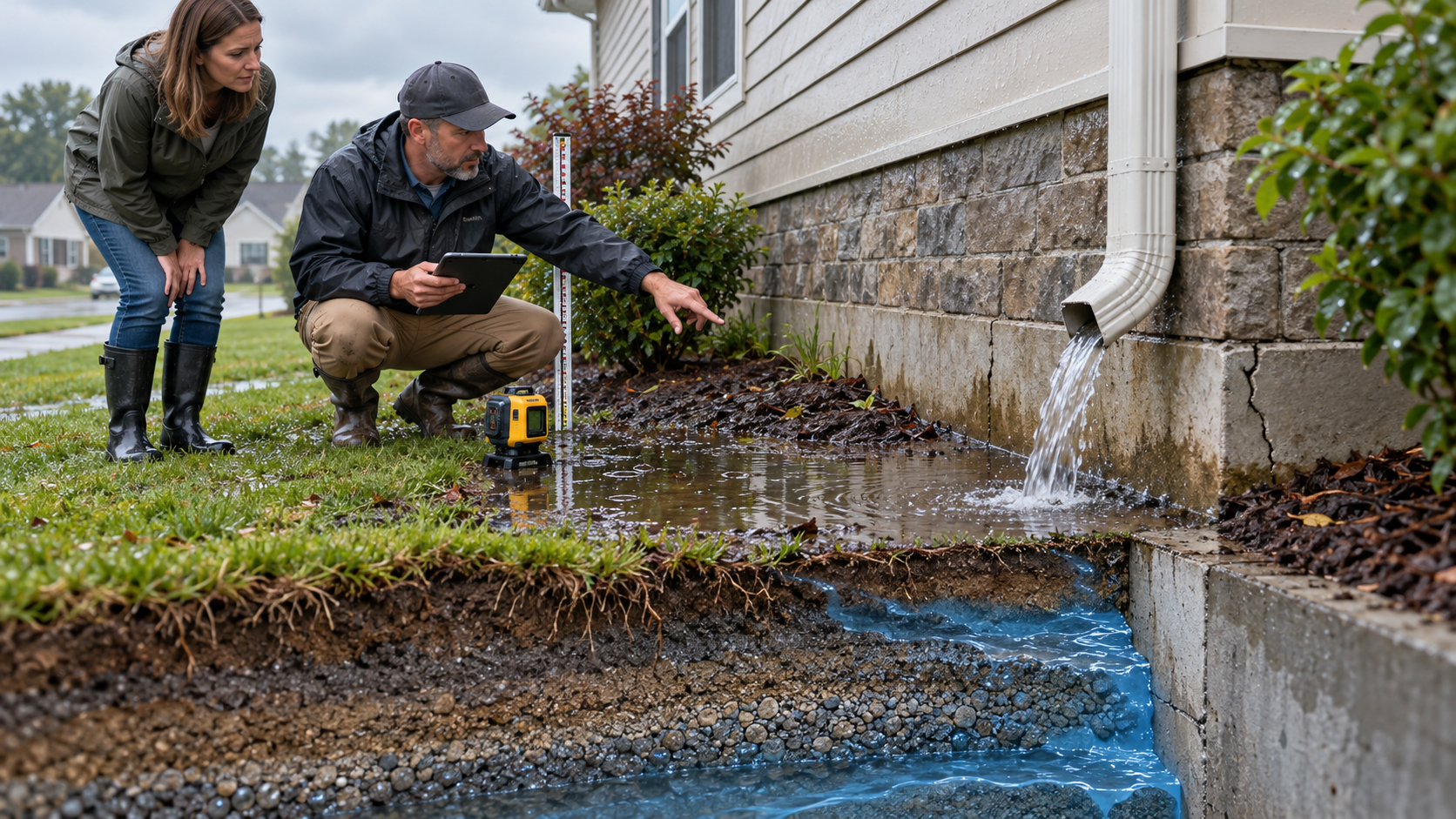
Yes, poor drainage can contribute to conditions that lead to foundation movement. Water collecting near the house can soften some soils, contribute to erosion, or create uneven moisture conditions around the foundation. Downspouts that discharge beside the home and yards that slope toward the structure can both increase moisture near the foundation.
The Tennessee Department of Health recommends directing water away from the home, maintaining gutters, and correcting drainage conditions to help keep foundations, basements, and crawl spaces dry. Tennessee Emergency Management Agency also advises homeowners to keep drainage systems clear and direct water away from structures when watching for ground movement and geologic hazards.
When Is a Foundation Crack Serious?
A crack becomes more concerning when it is changing or appears with other structural symptoms.
Watch for:
- Cracks that keep widening
- Stair-step cracking with displacement
- Horizontal cracking with bowing
- Uneven or sloping floors
- Doors or windows that suddenly stick
- Gaps between walls, ceilings, or floors
- Water entering through the crack
- Repeated cosmetic repairs that reopen
Our article on
the most common foundation repair techniques explains why the repair method should match the actual cause of movement rather than simply cover the crack.
Should You Repair a Foundation Crack Yourself?
Small cosmetic cracks may sometimes be sealed, but that does not mean the cause has been corrected. If movement is continuing, patching the surface can hide the symptom temporarily without stabilizing the foundation. Professional evaluation becomes more important when the crack is widening, horizontal, stair-step shaped, visibly displaced, leaking water, or accompanied by other changes throughout the home. If you are unsure whether the crack is still active, our guide on
what to expect during a foundation repair project can help explain how professional evaluation and repair typically progress.
Why Choose GK Construction Solutions for Foundation Repair?
At
GK Construction Solutions, we look beyond the crack itself. A visible crack may be the result of settlement, changing soil conditions, drainage, foundation-wall pressure, or another structural issue. Understanding the cause comes before deciding on a repair.
Our Murfreesboro foundation work includes evaluating cracking, settlement, uneven floors, moisture-related concerns, and other signs that may indicate movement. Our
Murfreesboro foundation repair service also covers foundations and broader concrete construction for residential and commercial properties. We also consider drainage and surrounding site conditions because water and soil movement can affect how a foundation performs over time. For homeowners looking for foundation repair in Murfreesboro, TN, our goal is to identify what is actually changing and recommend a repair strategy that fits the condition of the home.
Frequently Asked Questions
Is a Vertical Foundation Crack Always Serious?
No. A narrow vertical crack may result from shrinkage or limited settlement and may remain stable for years. The concern increases if the crack widens, shows displacement, leaks water, or appears with other symptoms such as sloping floors or sticking doors. Monitoring the crack over time can help determine whether movement is continuing.
Are Horizontal Foundation Cracks Worse Than Vertical Cracks?
They can be more concerning because horizontal cracks may be associated with lateral pressure on the foundation wall. However, direction alone is not enough to determine severity. A professional should consider crack width, displacement, wall bowing, water conditions, and whether the crack is changing.
Do Stair-Step Cracks Mean My Foundation Is Failing?
Not necessarily. Stair-step cracks can be associated with differential settlement in brick or block walls, but they do not automatically prove complete foundation failure. Their significance depends on whether they are widening, whether the masonry is shifting, and whether other symptoms are appearing elsewhere in the home.
Can Foundation Cracks Let Water Into a Basement?
Yes. Some cracks can become pathways for moisture, particularly when drainage around the home is poor. Water entry does not automatically mean severe structural failure, but the source of moisture should still be addressed. Exterior grading, gutters, downspouts, and crack condition may all need to be evaluated.
Should I Measure a Foundation Crack?
Yes, monitoring can be useful. Take dated photos and note whether the crack changes in width or length. Do not rely on a single measurement to diagnose the foundation, though. Changes in doors, floors, walls, and nearby masonry should also be considered.
When Should I Call a Foundation Professional?
Call when a crack is widening, horizontal, stair-step shaped, visibly displaced, repeatedly reopening, or accompanied by uneven floors, sticking doors, wall separation, or bowing. Multiple symptoms occurring together are more concerning than one small stable crack.
Final Thoughts
A Foundation crack is a clue, not a complete diagnosis. Vertical, horizontal, diagonal, and stair-step cracks can point to different types of movement, but their meaning depends on more than direction alone. Location, width, displacement, moisture, growth, soil conditions, and surrounding symptoms all matter. That is why homeowners should avoid assuming every crack is harmless or, at the other extreme, assuming every crack means the foundation is failing. Watch for changes, pay attention to drainage, and consider the entire home. Understanding what the crack is telling you is the first step toward deciding whether it needs monitoring, a simple repair, or a more complete structural solution.
Get Clarity Before Covering the Crack
If you have noticed foundation cracking, uneven floors, sticking doors, or other signs of movement around your Murfreesboro home,
contact GK Construction Solutions. We can evaluate the visible symptoms, surrounding drainage, and foundation conditions so you can understand what the crack may mean before deciding on the next step.
Follow our social media pages below: