What to Look for in a Commercial Concrete Contractor?

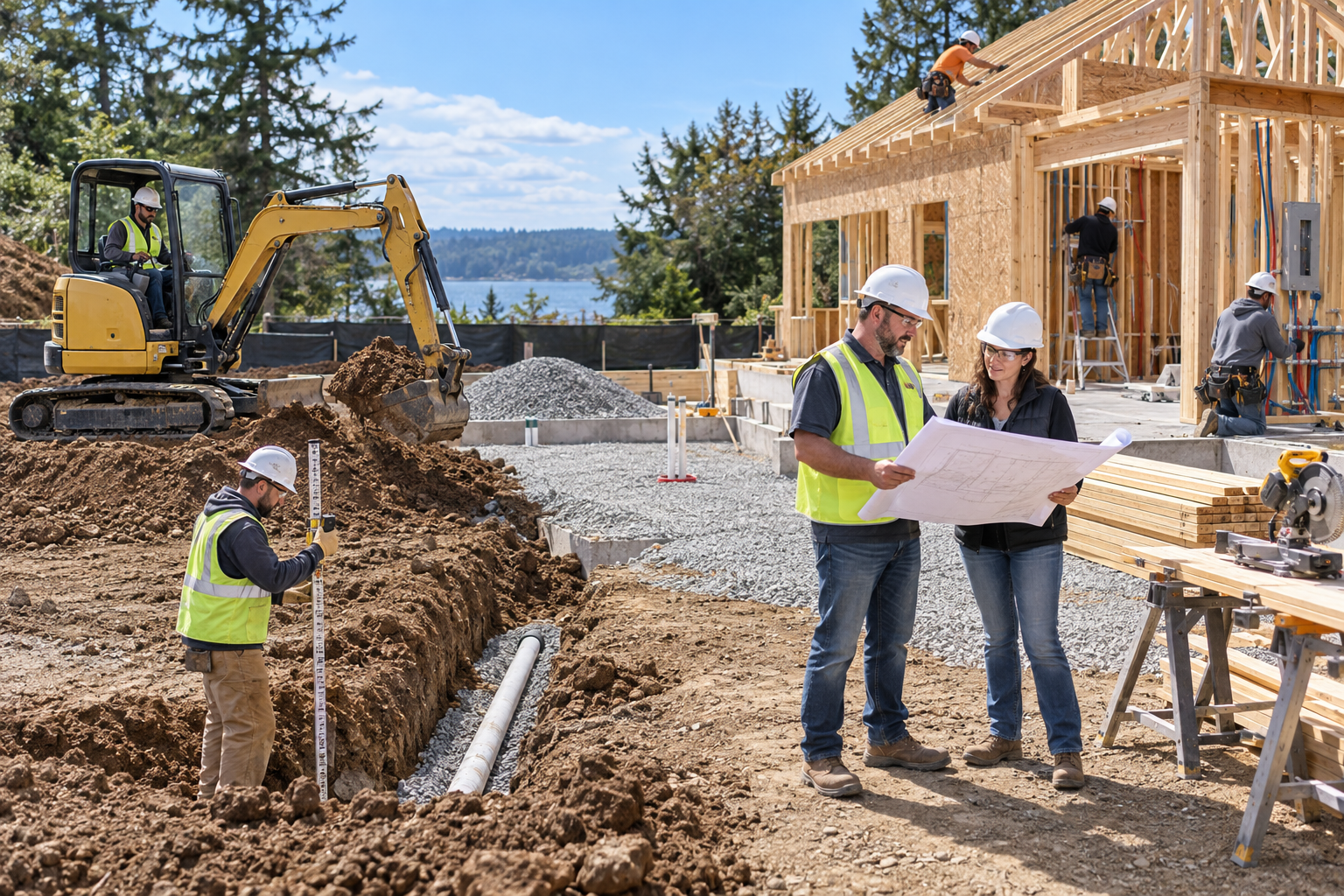
A commercial concrete project can look straightforward on paper. Pour the slab, finish the surface, and move on to the next phase. In reality, concrete often affects almost everything around it. Site elevations, drainage, reinforcing, access, inspections, underground utilities, other trades, and the project schedule all need to line up before concrete placement begins. A mistake at this stage can affect work that comes after it. Choosing the right Commercial Concrete Contractor is therefore about much more than finding someone who can pour concrete. At GK Construction Solutions, we believe commercial clients should understand exactly what a contractor is responsible for before work begins. Businesses comparing general contractors in Nashville, TN should look at relevant experience, licensing, project planning, safety, site preparation, and communication alongside the bid price. The goal is not simply to complete the pour. It is to make sure the concrete work fits the entire construction project.
What Should You Look for in a Commercial Concrete Contractor?
When choosing a Commercial Concrete Contractor, look for relevant commercial experience, appropriate licensing for the project, clear estimates, strong site-preparation knowledge, realistic scheduling, safety procedures, and the ability to coordinate with other trades. Commercial concrete projects can involve foundations, slabs, sidewalks, equipment pads, curbs, loading areas, or other structural and site elements, so the contractor's experience should match the work you actually need. A detailed proposal should explain what is included, such as demolition, excavation, base preparation, reinforcement, concrete placement, finishing, joints, cleanup, and any exclusions. You should also ask how changes are handled if unexpected site conditions appear. In Tennessee, contractor licensing requirements depend on the contractor's role and project value, making license verification an important part of the hiring process. Good communication matters too because concrete work often affects several later construction phases. The strongest contractor is not necessarily the one with the lowest bid, but the one who understands the project, explains the scope clearly, and can coordinate the work safely and efficiently.
Why Does Commercial Concrete Experience Matter?
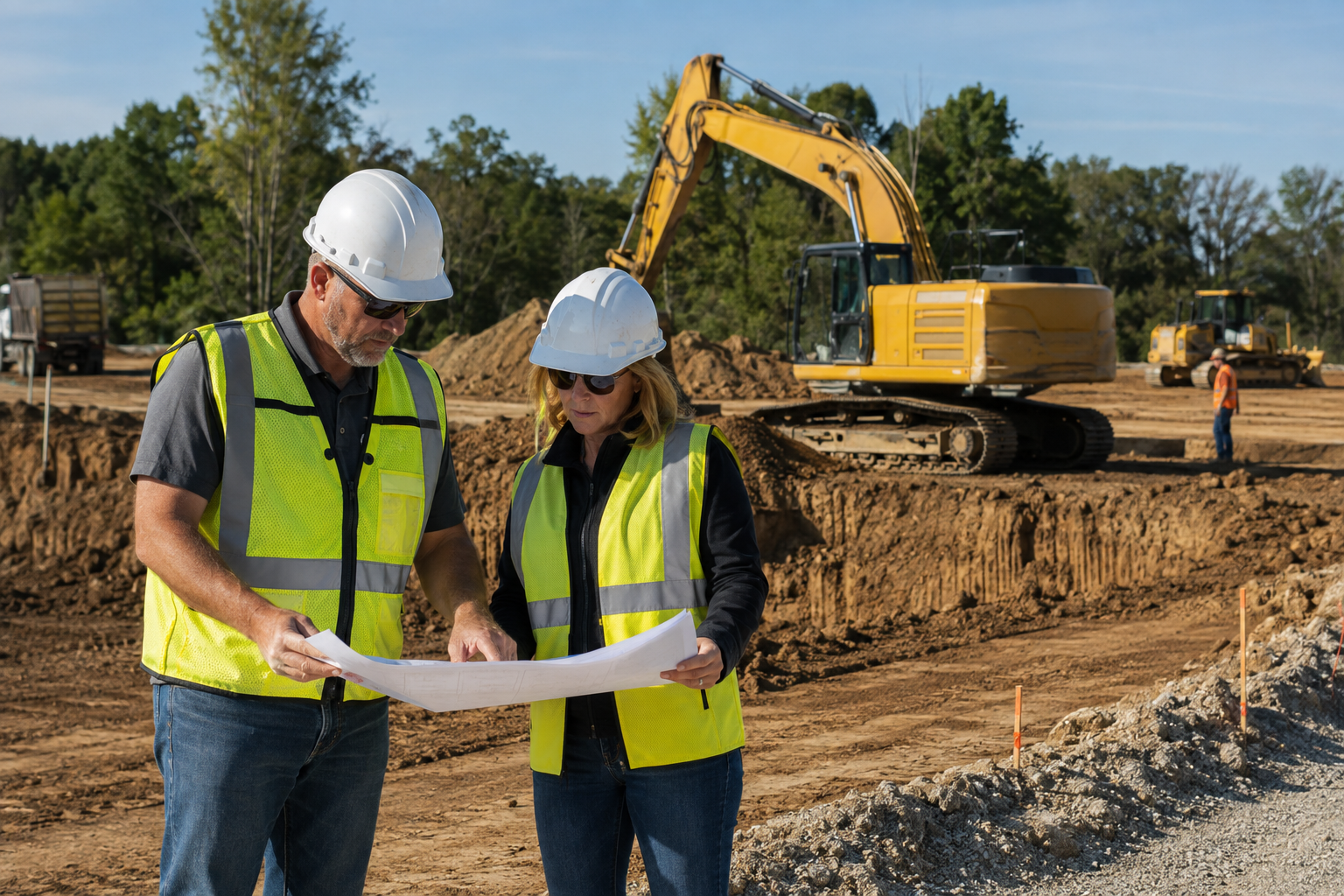
Commercial concrete work is often more complex than a small residential project. A commercial project may involve larger pours, heavier loads, engineered reinforcement, stricter elevations, several trades working in the same area, and deadlines connected to the overall construction schedule. A contractor who has experience with similar commercial projects is more likely to understand these coordination issues. The project type matters too. Experience pouring residential patios does not automatically mean a contractor has the same experience with large commercial slabs, foundations, loading areas, or equipment pads. Before selecting a contractor, ask about work similar in size and scope to your project.
Does a Commercial Concrete Contractor Need a License in Tennessee?
Licensing requirements depend on the contractor's role, trade, and value of the work. According to the Tennessee Board for Licensing Contractors, a contractor's license is generally required before bidding, contracting, offering to perform, or negotiating a price for projects of $25,000 or more when acting as a prime contractor, certain subcontractors, or a construction manager. A prime contractor is generally the contractor who contracts directly with the project owner. Tennessee applies different licensing rules to certain subcontractor trades, so businesses should not assume every subcontractor follows exactly the same threshold. Before awarding commercial work, confirm that any required license is current and appropriate for the contractor's role.
How Do You Verify a Contractor's License?
Contractor licensing should be verified through official state resources rather than relying only on a website, truck logo, or business card. The Tennessee Board for Licensing Contractors provides information that allows property owners and businesses to check licensing status. Confirm the business name and make sure the license is active and suitable for the work being proposed. For companies comparing general contractors, this step helps establish whether a contractor meets applicable state licensing requirements before the project moves forward. License verification is only one part of contractor selection, but it is an important starting point.
What Commercial Concrete Services Should a Contractor Understand?
Commercial concrete work can include many different project types. Depending on the contractor and project, this may include slabs, footings, foundations, sidewalks, curbs, loading areas, concrete paving, equipment pads, retaining structures, or removal and replacement of damaged concrete. A contractor does not need to specialize in every type of concrete work. What matters is whether the company has experience with your specific project. For example, a loading area may need to support very different loads from a pedestrian sidewalk. An equipment pad may require precise dimensions and coordination with mechanical or electrical components. The scope should drive the contractor selection.
Why Is Site Preparation Important in Commercial Concrete Construction?
Concrete performance begins below the finished surface. Site preparation may include excavation, grading, subgrade evaluation, base material, compaction, utility coordination, and establishing the correct elevations.
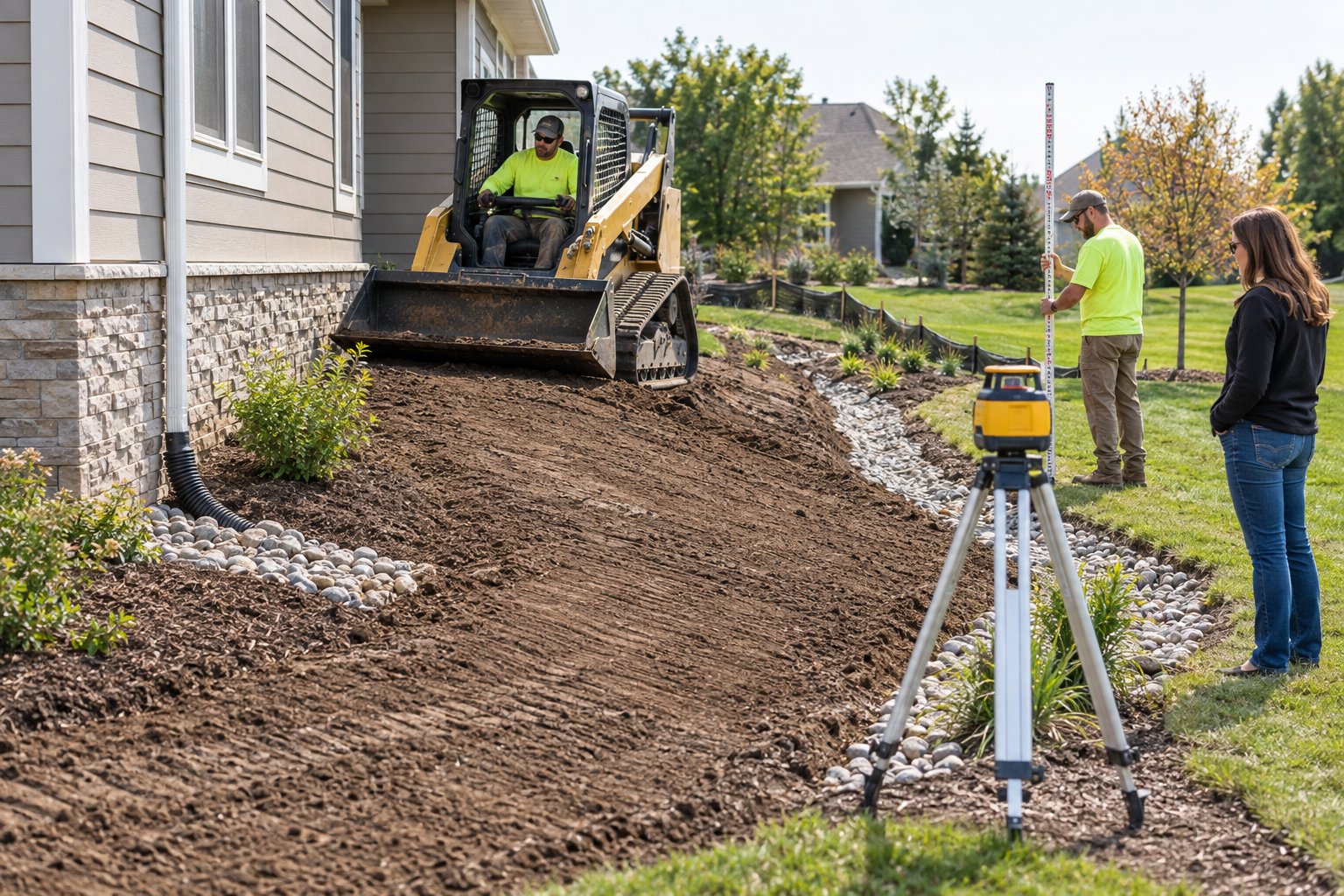
If the ground beneath the slab is poorly prepared, problems can develop even when the concrete itself was mixed and placed correctly. Low spots can also create drainage concerns. Our guide on how proper site grading prevents water damage and foundation issues explains why site elevations and water movement should be considered before hard surfaces are installed. On commercial projects, site preparation should be clearly included or excluded in the proposal so everyone understands who is responsible.
How Important Is Drainage for Commercial Concrete?
Drainage is extremely important because commercial concrete creates large hard surfaces that change how rainfall moves across a property. Slabs, walkways, loading areas, and paving should work with the site's finished grades and drainage system. If water collects in low spots, runs toward a building, or crosses pedestrian areas, the finished project may create problems even if the concrete itself is structurally sound. Contractors should understand the intended elevations and drainage plan before placement begins. Drainage should not be treated as something to figure out after the concrete has already cured.
What Should a Commercial Concrete Estimate Include?
A commercial concrete estimate should clearly define the work being priced. Depending on the project, it may include demolition, excavation, base preparation, forms, reinforcement, concrete specifications, placement, finishing, joints, cleanup, hauling, and disposal. The proposal should also identify exclusions. For example, if underground utility relocation, testing, engineering, or drainage work is not included, that should be clear before the contract is signed. Schedule assumptions can also be important. A detailed scope makes it easier to compare contractors fairly and reduces disagreements later.
How Do You Compare Commercial Concrete Bids?
Compare commercial concrete bids based on scope, not just total price. One proposal may appear cheaper because it excludes demolition, reinforcement, base material, cleanup, or another significant part of the work.
Review quantities, concrete specifications, reinforcement, finish, site preparation, schedule, and exclusions. If two bids are dramatically different, ask why. The contractor should be able to explain what is included and what assumptions were used. A clear explanation is more useful than choosing the lowest number without understanding how it was calculated.
Why Should You Ask About Change Orders?
Commercial construction often reveals conditions that were not obvious before work began. Excavation may uncover unsuitable material, unknown utilities, damaged existing concrete, or site conditions that change the scope.
A contractor should have a clear process for documenting changes. A change order should explain what changed, why additional work is required, and how the change affects cost or schedule. When practical, the additional work should be approved before it proceeds. Clear change-order procedures help both the contractor and the client avoid misunderstandings.
How Important Is Project Scheduling?
Scheduling matters because concrete work often affects several other trades. Foundations may need to be completed before framing or steel work begins. Equipment pads may need to be ready before machinery arrives. Sidewalks and exterior paving may need coordination with landscaping or utility work. A delay in one concrete phase can affect several later activities. Contractors should provide realistic schedules rather than promises that ignore weather, inspections, curing requirements, access, and other construction activities. Good scheduling is partly about communication. When conditions change, everyone affected should understand what happens next.
What Safety Practices Should a Concrete Contractor Follow?
Commercial concrete work includes equipment, reinforcing steel, formwork, wet concrete, excavation, and other jobsite hazards. The U.S. Occupational Safety and Health Administration addresses concrete and masonry construction under 29 CFR 1926 Subpart Q. The requirements cover topics including general concrete construction safety, equipment, cast-in-place concrete, precast work, and masonry operations.
Contractors may also need to follow additional OSHA construction standards depending on the work being performed. Clients should ask how the contractor approaches safety, worker training, site access, equipment, and coordination with other crews. A statement that a contractor "follows OSHA" is not enough by itself. The contractor should demonstrate that safety is part of project planning.
Should You Ask About Insurance?
Yes. Commercial property owners and project managers should request current insurance documentation appropriate to the project. Requirements may differ based on the owner, general contractor, contract, lender, or project risk. Rather than assuming every job requires the same coverage, verify the insurance requirements for your specific project and make sure the contractor can provide current documentation. Insurance should be reviewed before work begins, not after an incident occurs.
Why Does Communication Matter on a Commercial Concrete Project?
Commercial projects involve many moving parts. Concrete contractors may need to coordinate with electricians, plumbers, equipment installers, masons, landscapers, utility crews, inspectors, and the general contractor.
Small communication problems can quickly create larger delays. For example, a missing sleeve or incorrectly located opening can become difficult to correct after concrete is placed. A reliable contractor should communicate changes, schedule issues, access restrictions, and field conditions clearly. Clients should know who their main contact is and how project questions will be handled.
How Do Nashville Commercial Permits Affect Concrete Work?
Commercial construction in Nashville may require building permits, zoning review, plan review, and other approvals depending on the project. According to the Metro Nashville commercial building permit process, when a site is appropriately zoned and construction is taking place, the next step generally involves applying for the applicable building permit. Different projects may require different reviews or Metro agency approvals. The project owner, design professional, contractor, or another responsible party may handle portions of the permitting process depending on the project arrangement. Before concrete work begins, the team should understand which inspections, permits, and approvals apply and who is responsible for obtaining them.
Should Your Concrete Contractor Coordinate With Other Trades?
Yes. Trade coordination is one of the biggest differences between isolated concrete work and larger commercial construction. Concrete may need openings, sleeves, embeds, drains, anchor bolts, or equipment connections that depend on other trades. If these details are missed before placement, corrections can become expensive.
The contractor should review applicable drawings and coordinate key locations and elevations before concrete is poured. This is particularly important for foundations, equipment pads, utility areas, and commercial slabs containing multiple penetrations.
What Are Red Flags When Hiring a Commercial Concrete Contractor?
A vague proposal is one of the biggest warning signs. If the contractor cannot explain what is included, who handles site preparation, how changes are priced, or what the schedule assumes, the project may be difficult to manage.
Other concerns include little experience with comparable projects, reluctance to provide required licensing or insurance documentation, unrealistic schedules, and no discussion of grading or site conditions. Another red flag is pressure to begin immediately without reviewing drawings, access, utilities, or other project requirements. Commercial concrete benefits from planning. A contractor who skips that step may be skipping other important details too.
Is the Cheapest Commercial Concrete Bid Usually the Best?
No. Price is important, but the lowest bid does not automatically provide the best overall value.
A higher proposal may include excavation, better-defined site preparation, reinforcement, cleanup, or other work excluded from the cheaper bid. When comparing general contractors in Nashville, TN, look at the entire scope.
Experience, communication, safety, scheduling, licensing, and coordination can all affect the final result. The goal should be to understand what you are purchasing rather than simply choosing the lowest number on the first page of the estimate.
Why Choose GK Construction Solutions for Commercial Concrete Projects?
At GK Construction Solutions, we understand that commercial concrete is one part of a larger construction process.
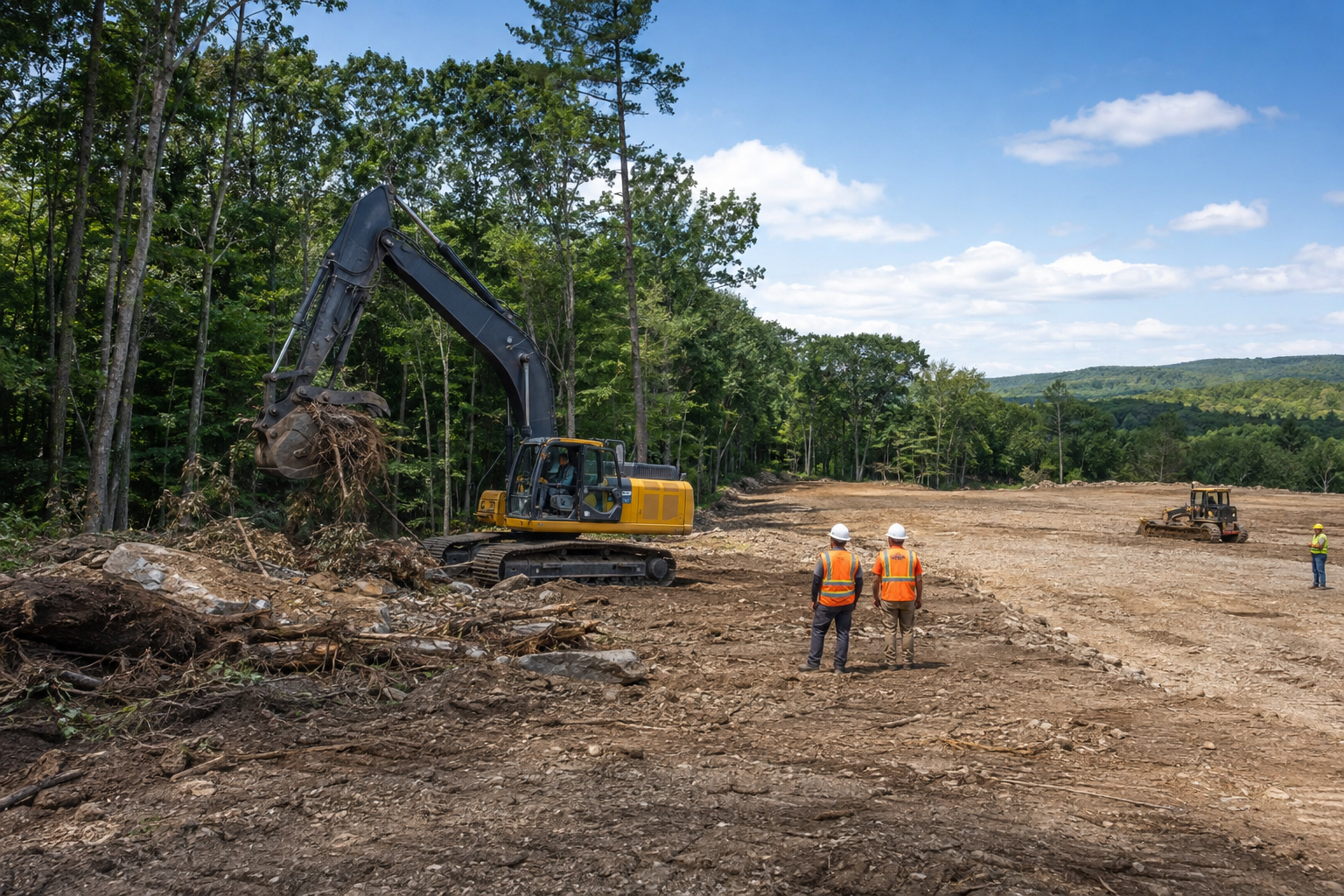
Our work includes concrete construction, excavation, grading, masonry, foundation-related services, land clearing, and other site work. That broader experience allows us to consider how the concrete connects with drainage, elevations, access, surrounding structures, and other parts of the project. We also understand the importance of clear scopes. Before work begins, clients should know what is included, what the site requires, and how concrete work fits into the overall schedule. Businesses researching general contractors in Nashville, TN should expect that level of communication from the beginning. Our goal is to approach commercial concrete work as coordinated construction, not simply as a one-time pour.
Frequently Asked Questions About Commercial Concrete Contractors
What Is the Difference Between a Commercial and Residential Concrete Contractor?
Commercial concrete contractors typically work on larger or more complex projects that may involve engineered plans, heavier loads, multiple trades, inspections, detailed scheduling, and additional project documentation. Residential concrete work may involve patios, driveways, walkways, or smaller foundations. The distinction is not simply project size. Commercial work often requires more coordination and planning. When hiring a contractor, focus on whether the company has completed projects comparable to yours rather than relying only on whether it describes itself as residential or commercial.
How Do I Know if a Concrete Contractor Is Qualified?
Start by checking relevant project experience, licensing where required, insurance documentation, and the detail provided in the proposal. Ask whether the contractor has completed projects with similar concrete types, loads, site conditions, and schedules. References or examples of comparable work can also help. Qualification should include more than technical concrete skills. The contractor should understand site preparation, safety, scheduling, coordination, drainage, and communication because all of these can affect commercial construction.
Should a Commercial Concrete Contractor Provide References?
Yes, relevant references can help you understand how a contractor performs on projects similar to yours. Ask about communication, schedule management, workmanship, changes during construction, and whether the completed scope matched expectations. A reference from a project similar in size and complexity is often more useful than one from a completely different type of job. Photos and project descriptions can also help demonstrate experience, but speaking with previous clients may provide additional insight into how the contractor manages the overall process.
Who Is Responsible for Concrete Inspections?
Responsibility depends on the project and contract structure. Inspections may involve Metro Nashville officials, testing agencies, engineers, architects, the general contractor, or other project representatives. Some work may require testing or verification before concrete placement, while other inspections occur during or after construction. The project team should establish inspection responsibilities early so concrete is not placed before required reviews are completed. Missing an inspection can create delays or require additional work to demonstrate compliance later.
Can a Commercial Concrete Contractor Handle Demolition Too?
Some commercial concrete contractors also handle demolition and removal, but it should be clearly included in the project scope. Demolition can involve breaking existing slabs, hauling material, disposal, excavation, and preparing the exposed site for new construction. Removing old concrete may also reveal unsuitable soils, old utilities, or other conditions that affect the replacement work. Ask whether demolition, disposal, and site preparation are included in the estimate so there are no surprises once the old concrete is removed.
How Early Should I Hire a Commercial Concrete Contractor?
Hire a commercial concrete contractor early enough to allow time for estimating, planning, scheduling, coordination, and any required submittals or approvals. Concrete work often depends on excavation, utilities, inspections, reinforcing, and other trades being ready first. Waiting until the day concrete is needed can create unnecessary pressure and limit scheduling options. Early involvement also gives the contractor an opportunity to identify access, drainage, sequencing, or constructability issues before those problems become expensive field changes.
Final Thoughts
Choosing a Commercial Concrete Contractor in Nashville should involve much more than comparing prices. Relevant commercial experience matters. Licensing should be verified when applicable. Safety, site preparation, drainage, scheduling, and coordination all affect how smoothly the concrete phase fits into the larger project.
The estimate should also be clear enough that you understand what is included and what is not. A low price can quickly become less attractive if critical work was excluded or if unclear change orders appear after construction begins. The best contractor selection process focuses on complete project value. When experience, planning, communication, and scope are considered alongside cost, businesses can make a more informed decision about who should handle their commercial concrete work.
Talk Through the Concrete Scope Before Construction Starts
If you are planning a commercial concrete project in Nashville, contact GK Construction Solutions to discuss the scope. We can review site conditions, concrete requirements, grading, demolition, access, drainage, and scheduling so you have a clearer understanding of what the project may require before construction begins.
Follow our social media pages below: