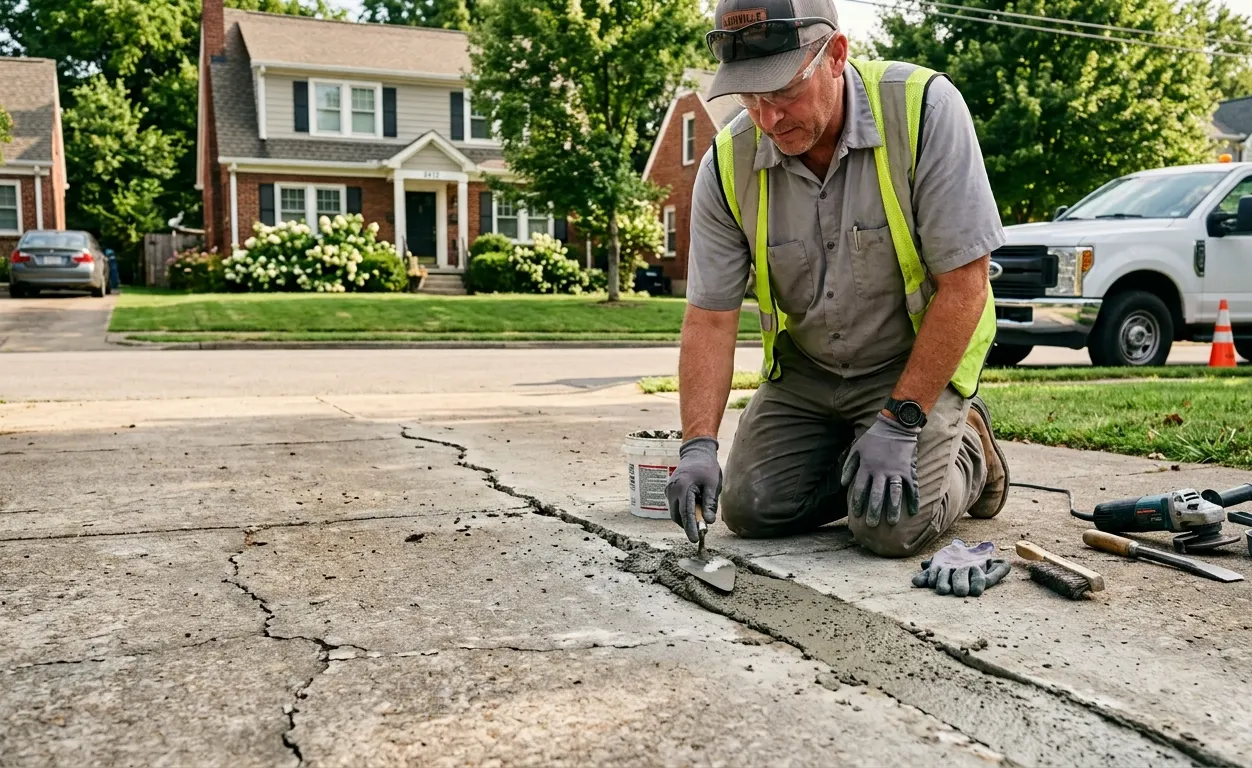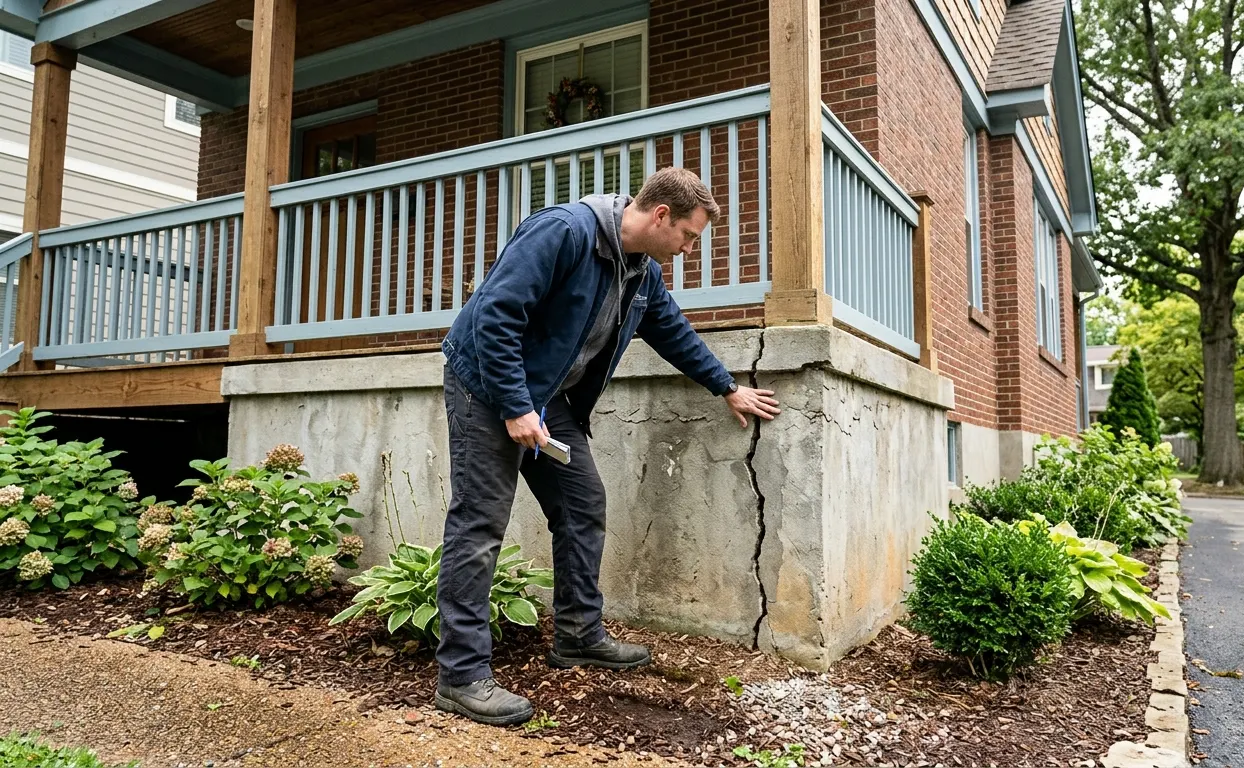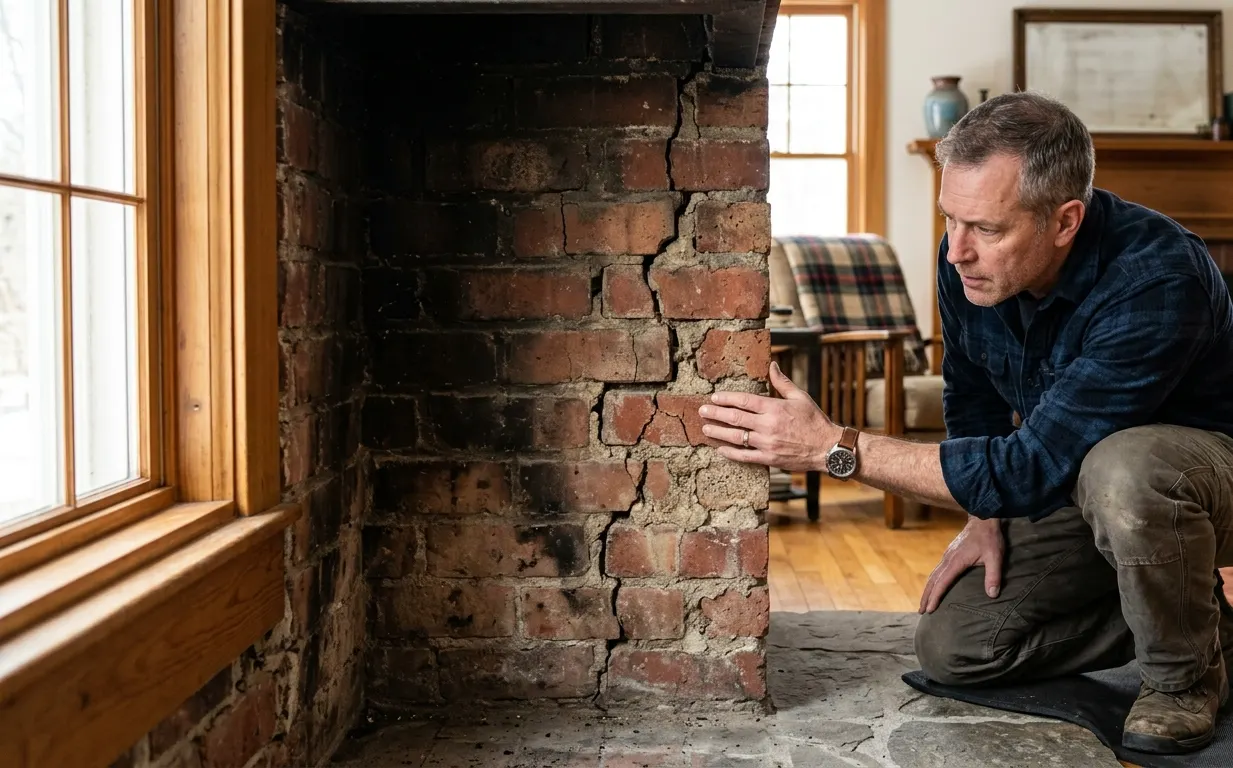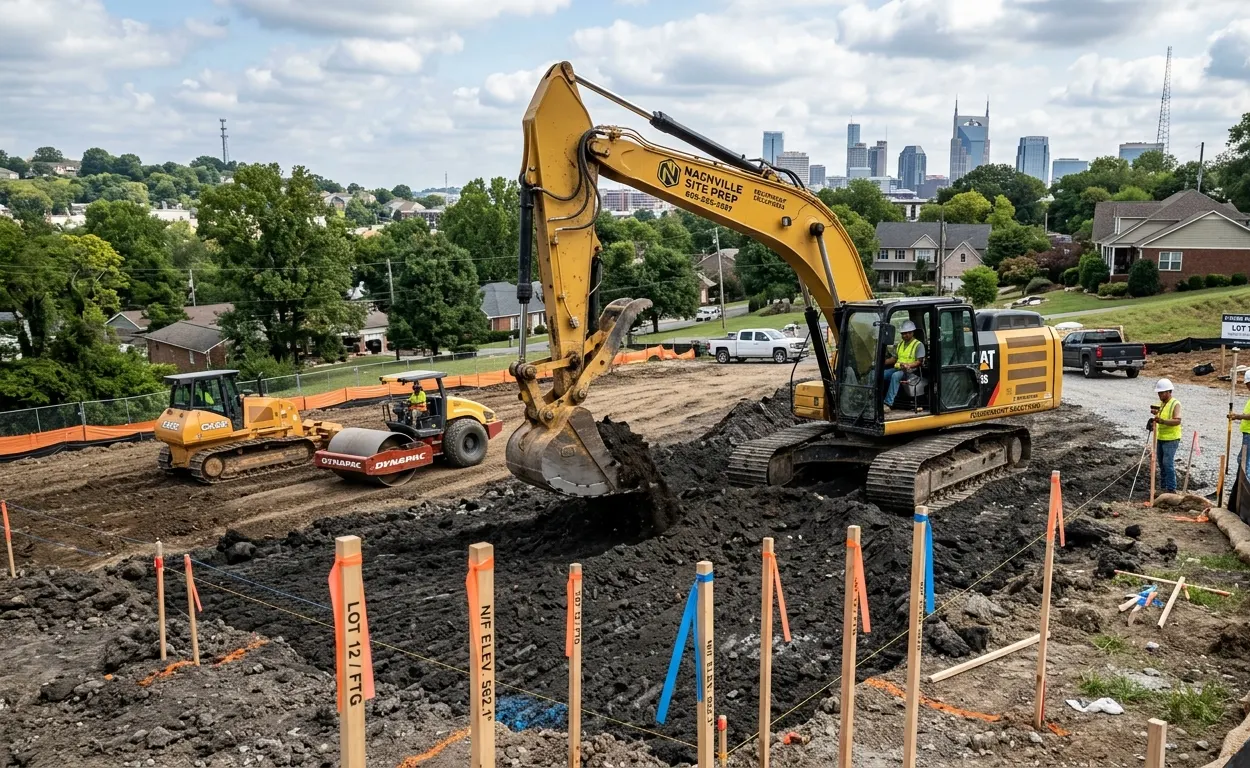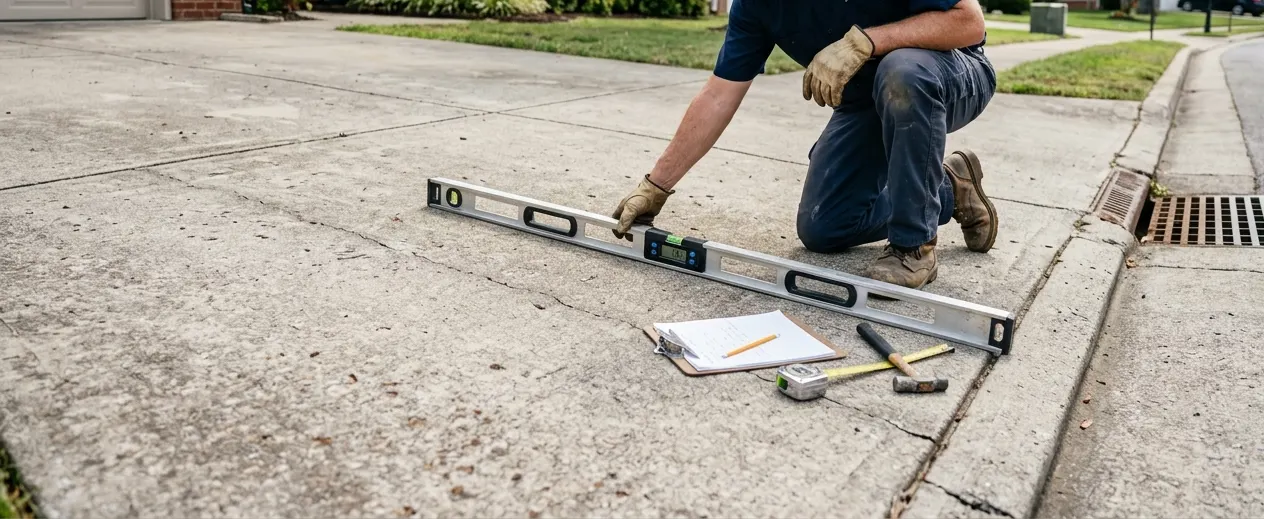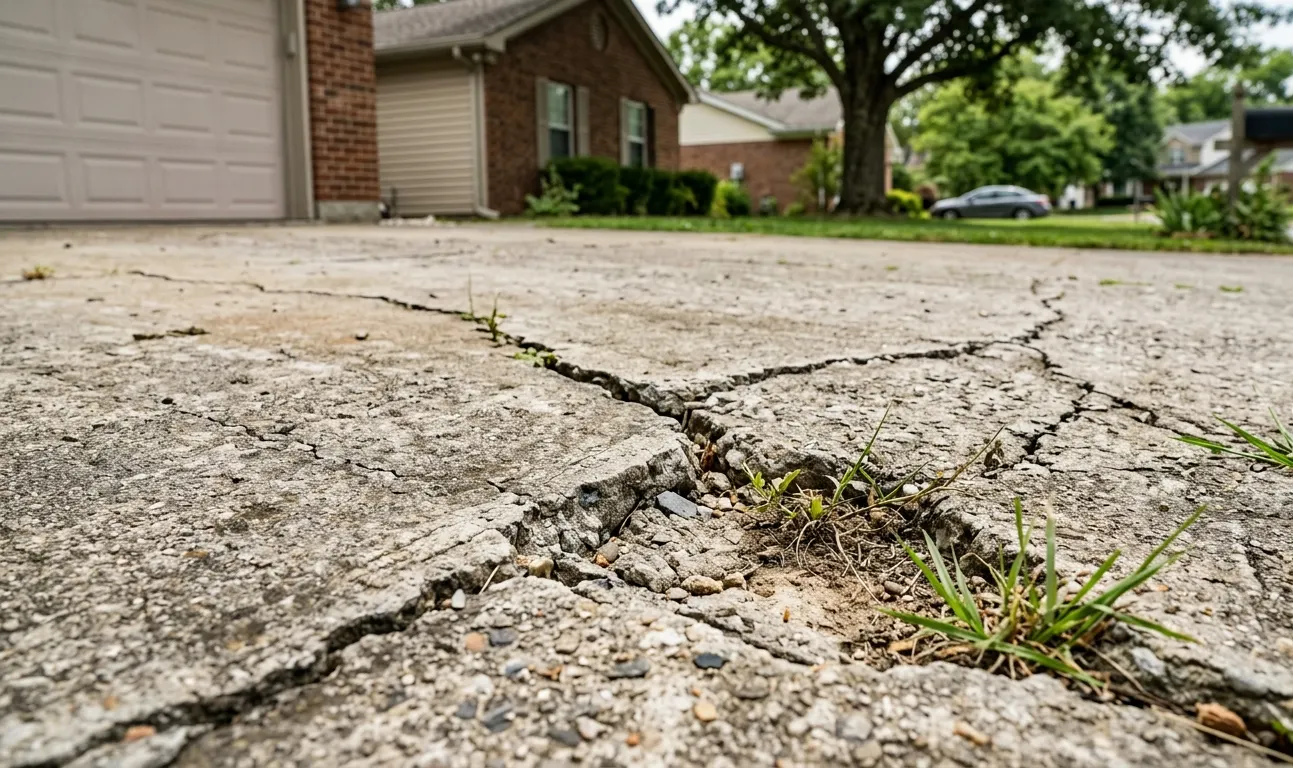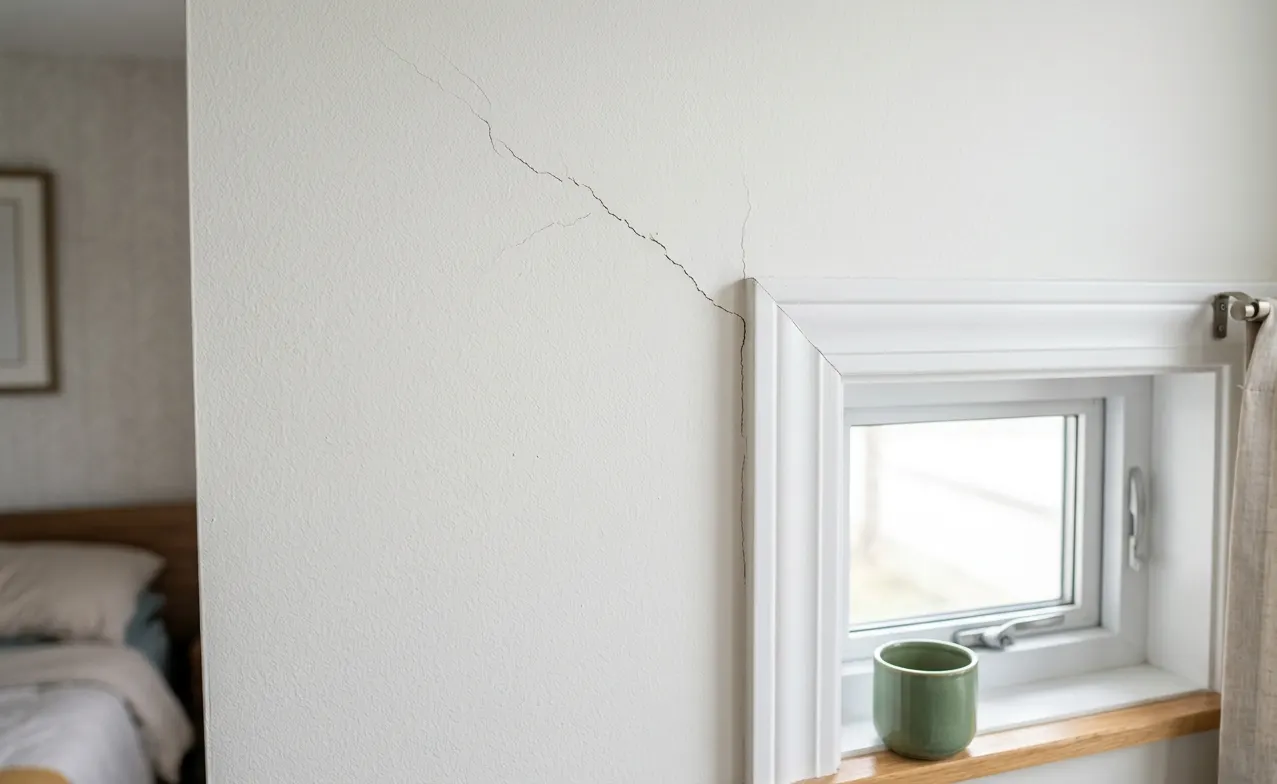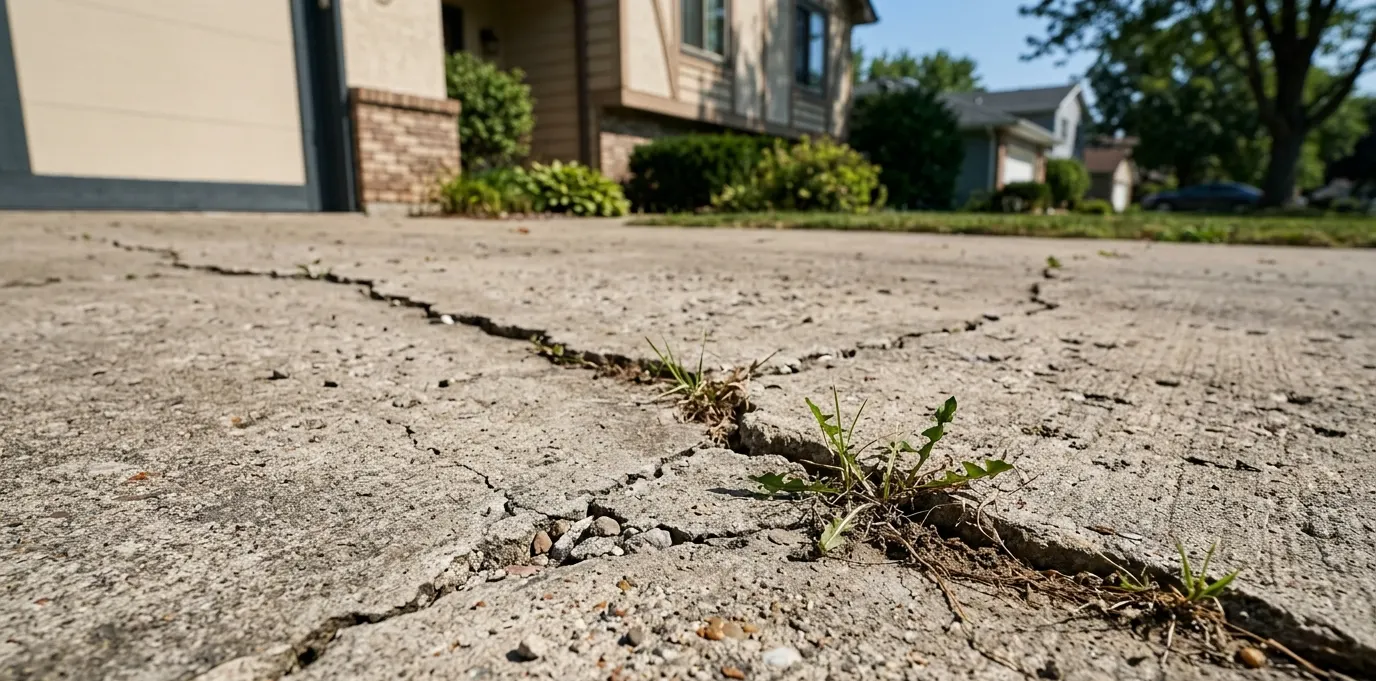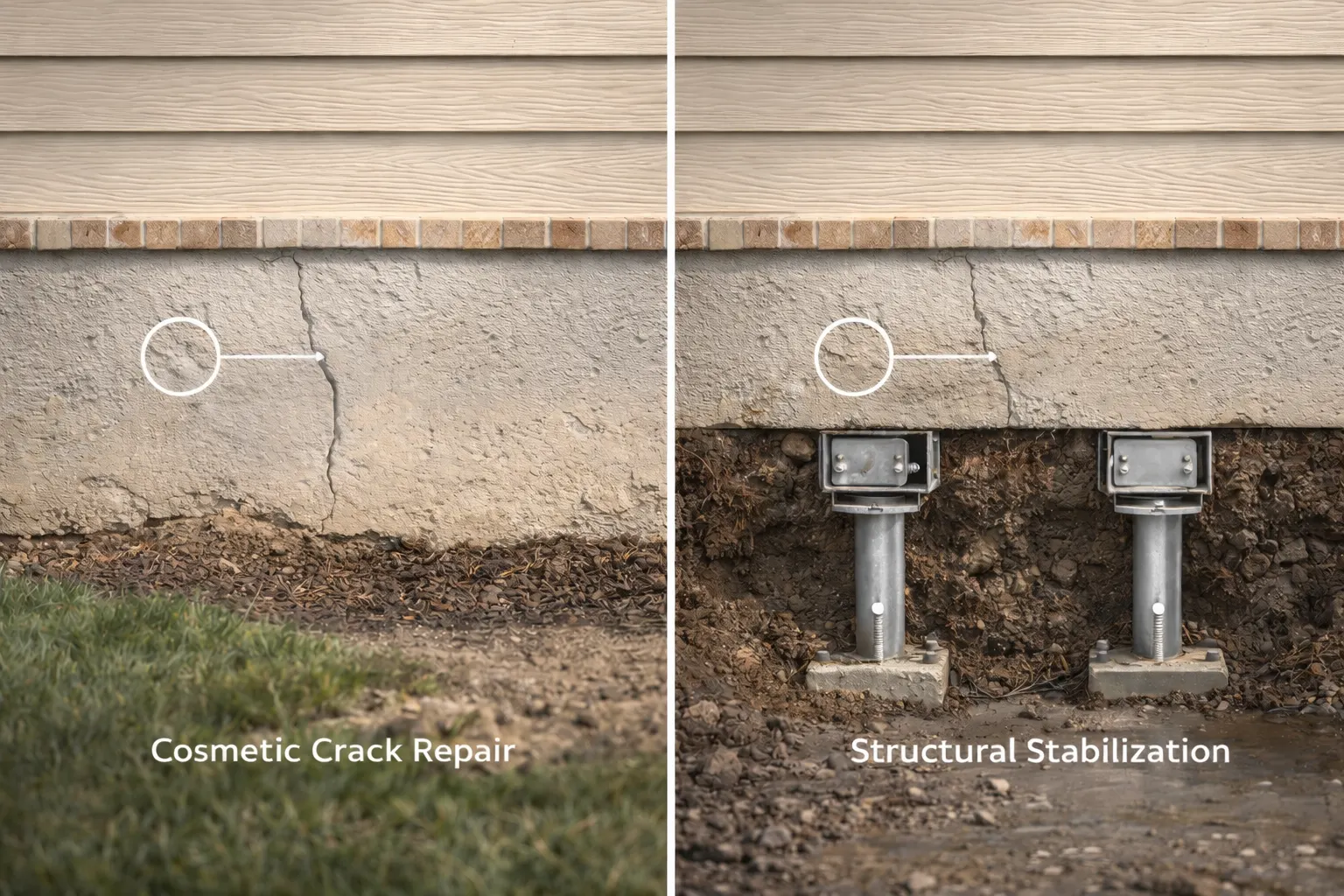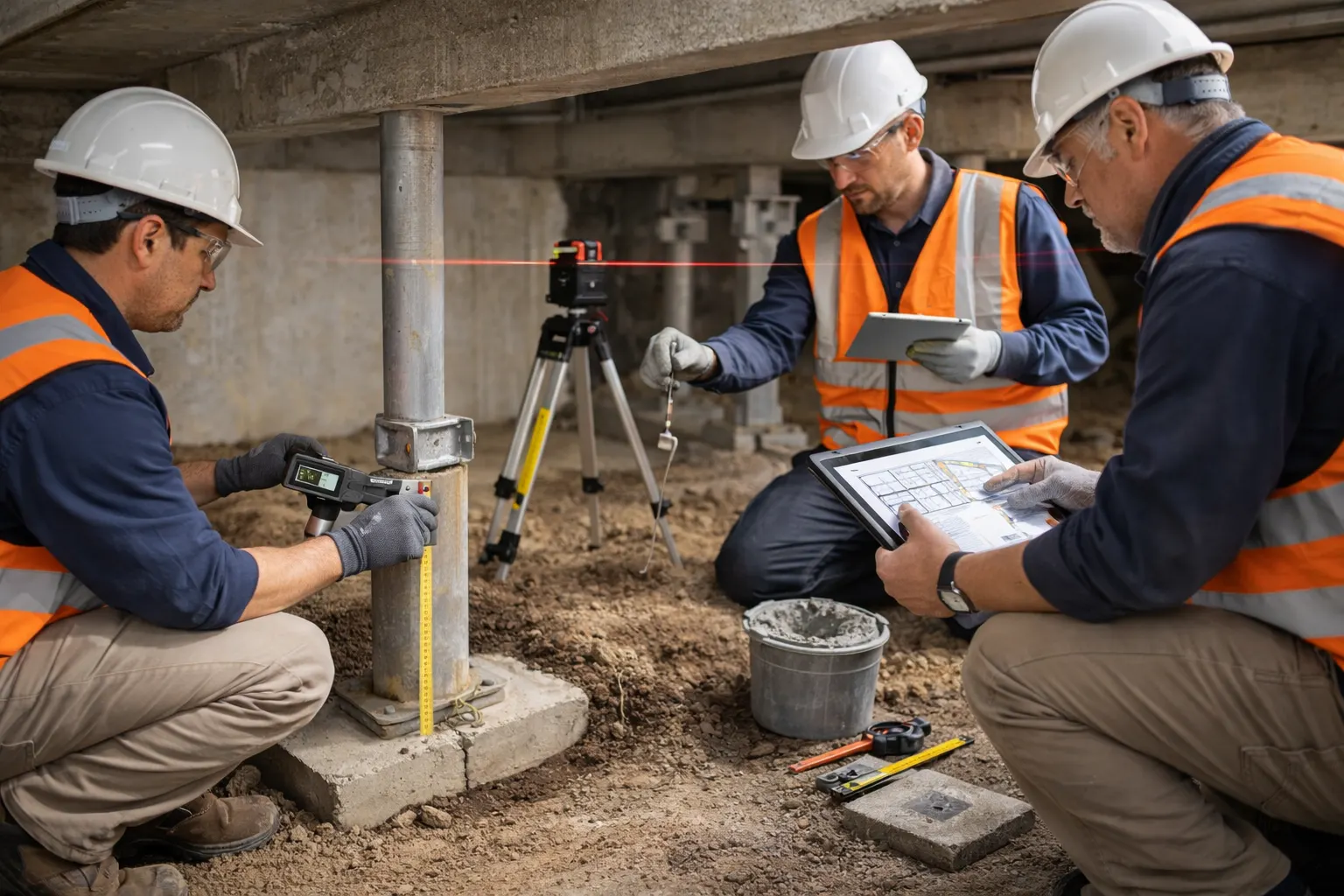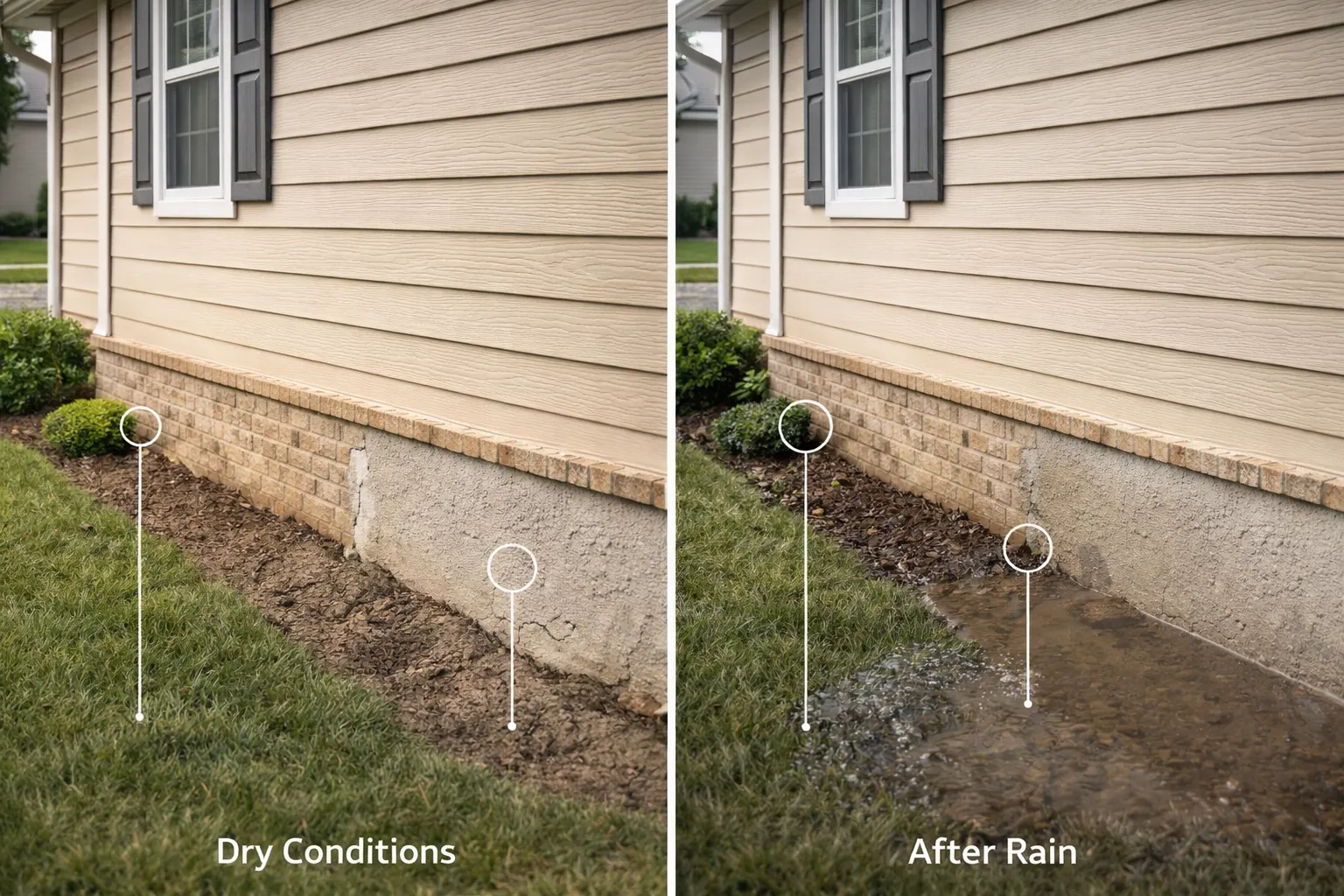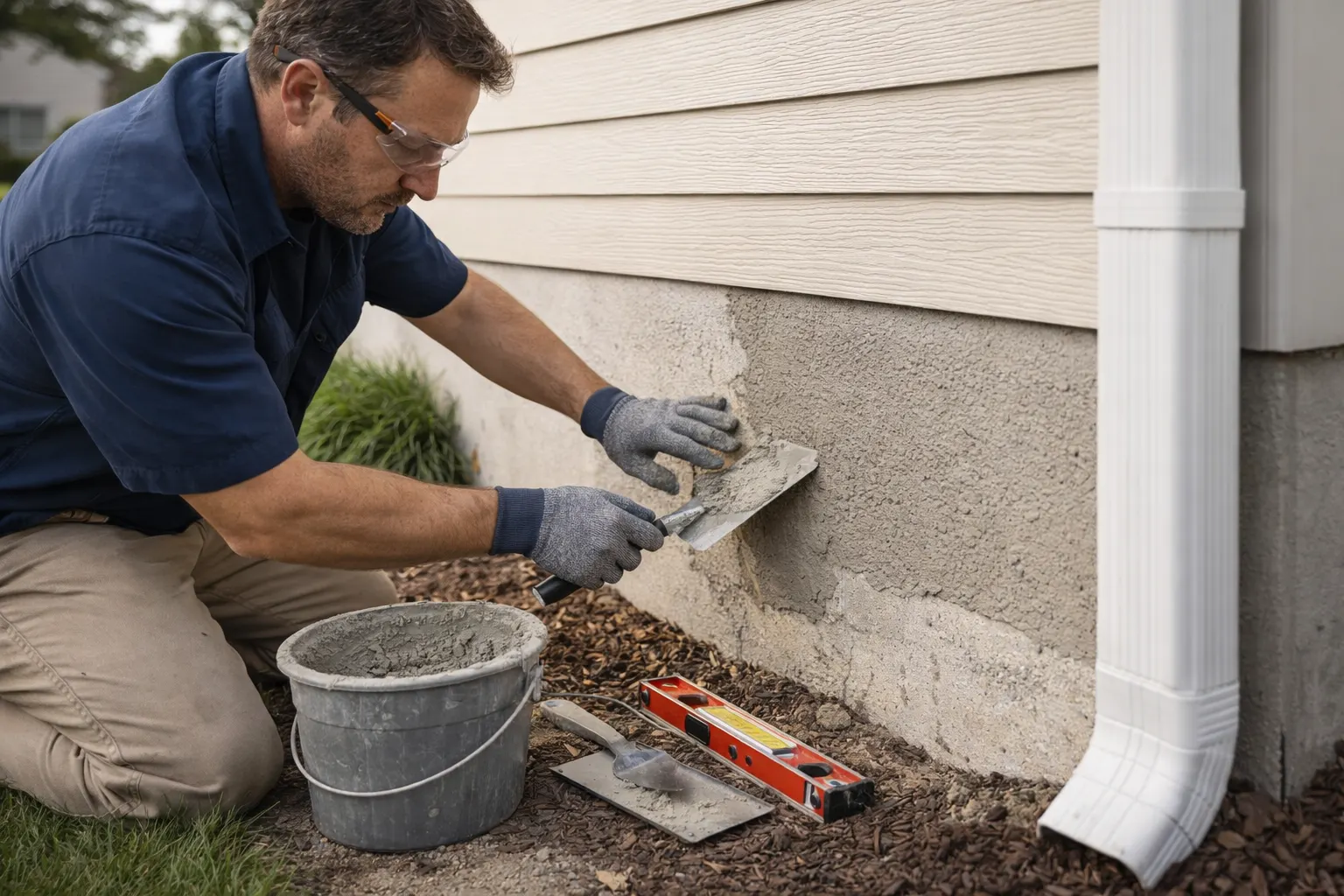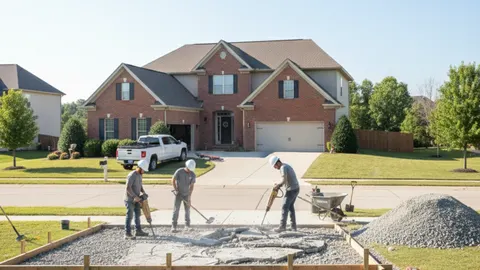
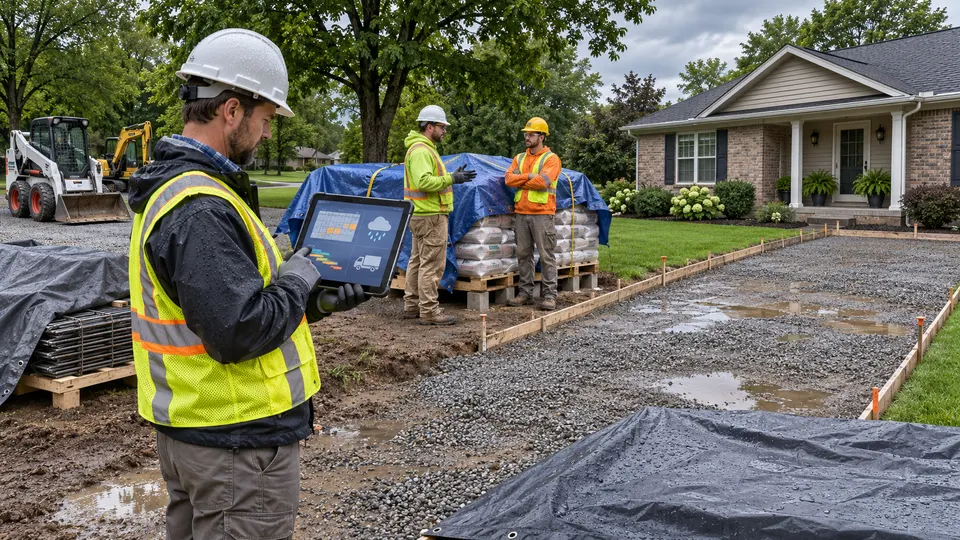
Weather causes more schedule problems here than almost anything else, especially rain on clay soil. After that, the biggest delays usually come from permits and inspections, hitting rock during excavation, material and ready-mix scheduling, and changes made after construction has started.
When we build a schedule, I don’t assume every day on the calendar will be a working day. Middle Tennessee weather changes fast, and the ground doesn’t become workable the moment the rain stops. A project can also slow down because an inspection has to happen before the next phase, or because excavation uncovers something nobody could see from the surface.
At GK Construction Solutions , we’d rather give you a realistic schedule with room for the unknowns than promise an aggressive finish date that only works if nothing goes wrong.
How Does Rain Delay a Construction Project?
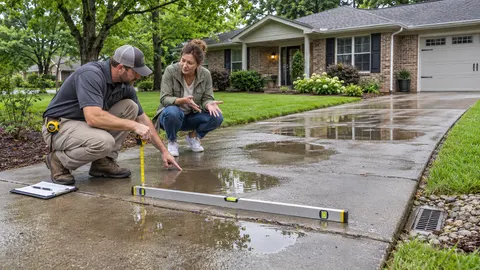
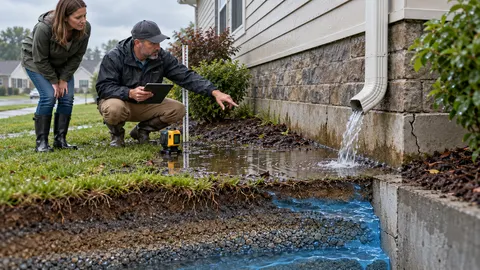
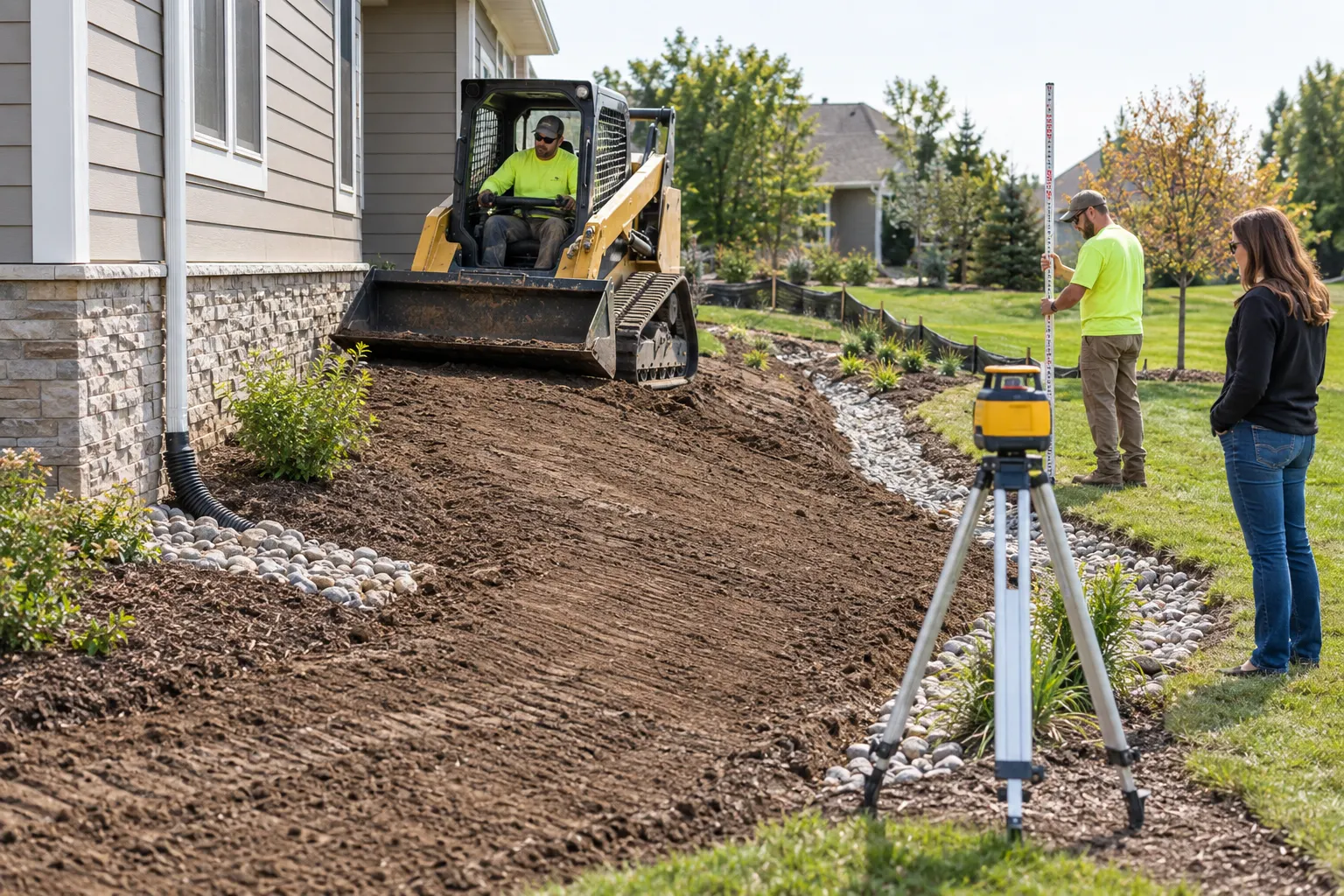
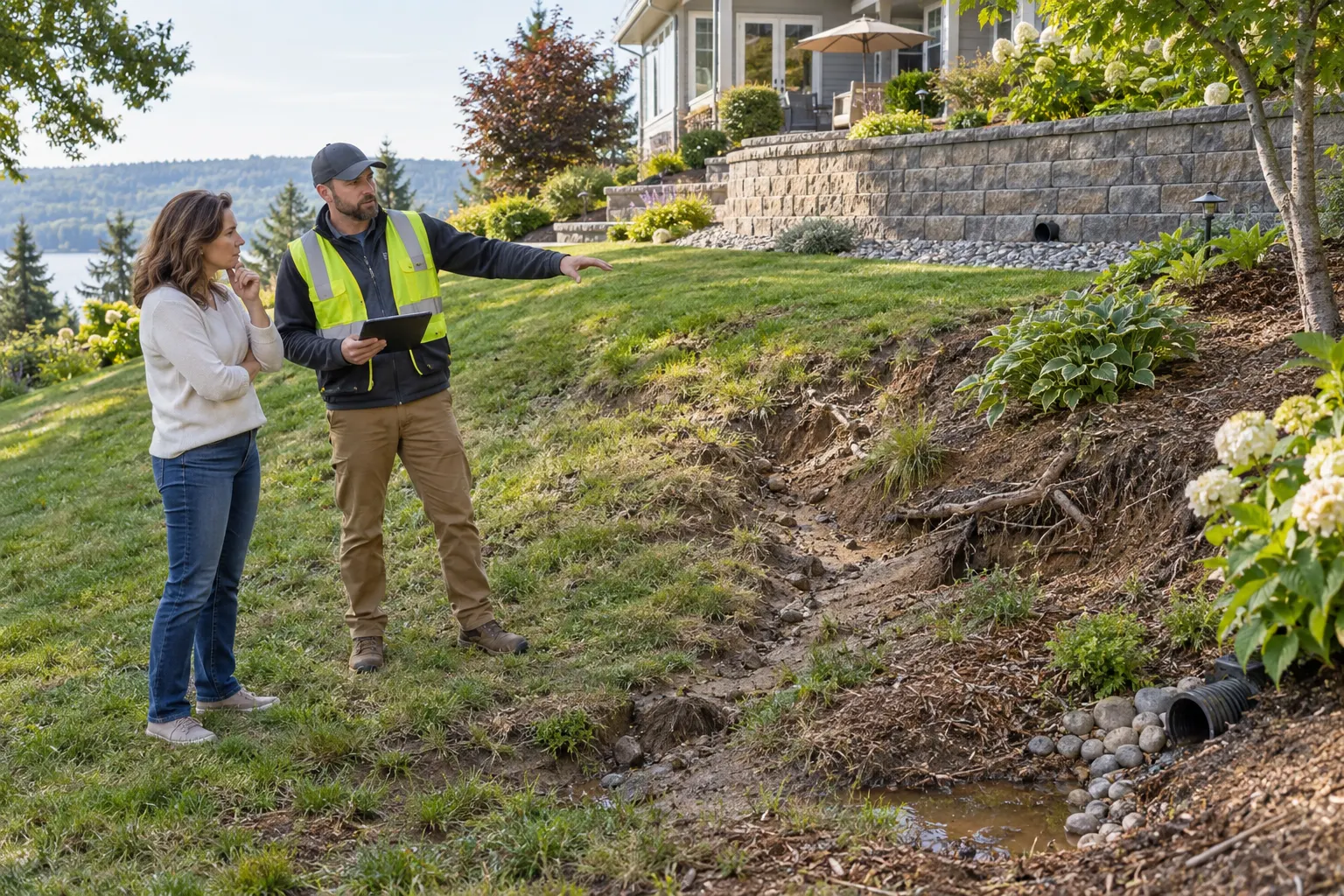
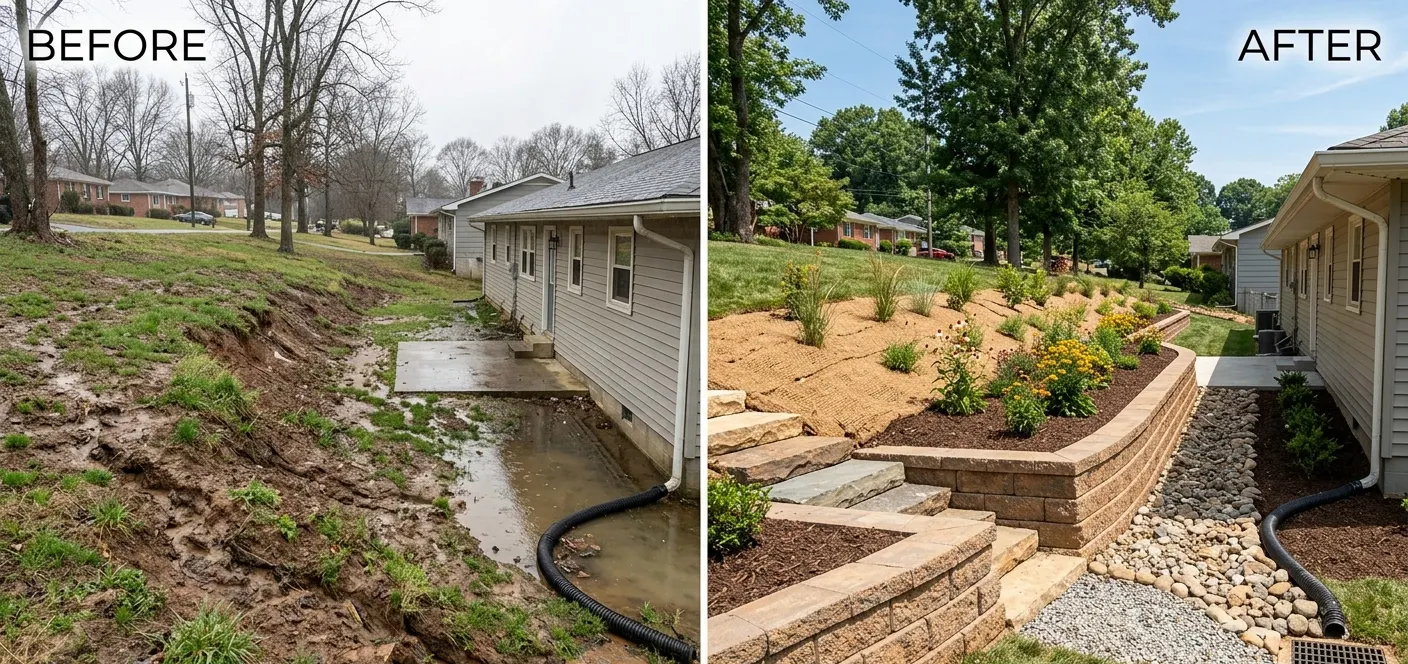
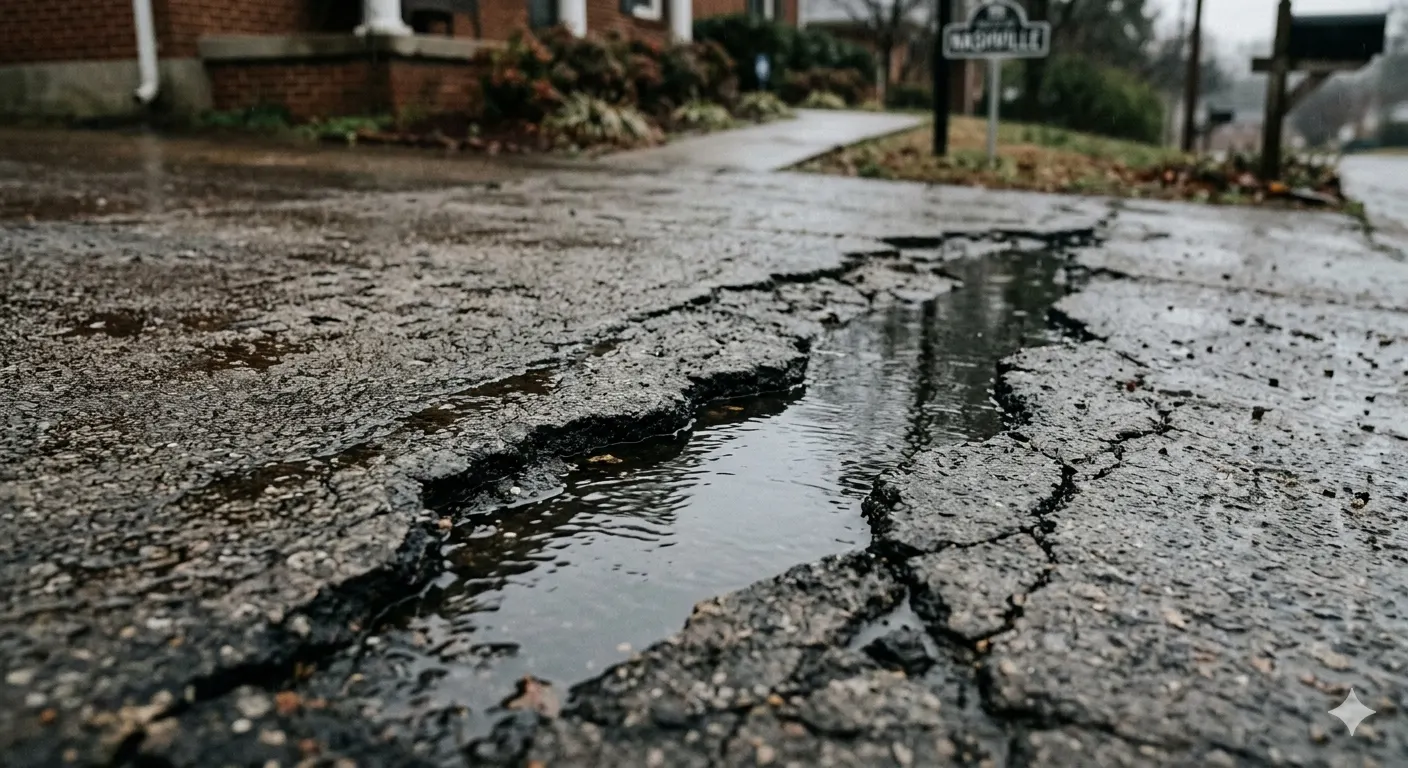
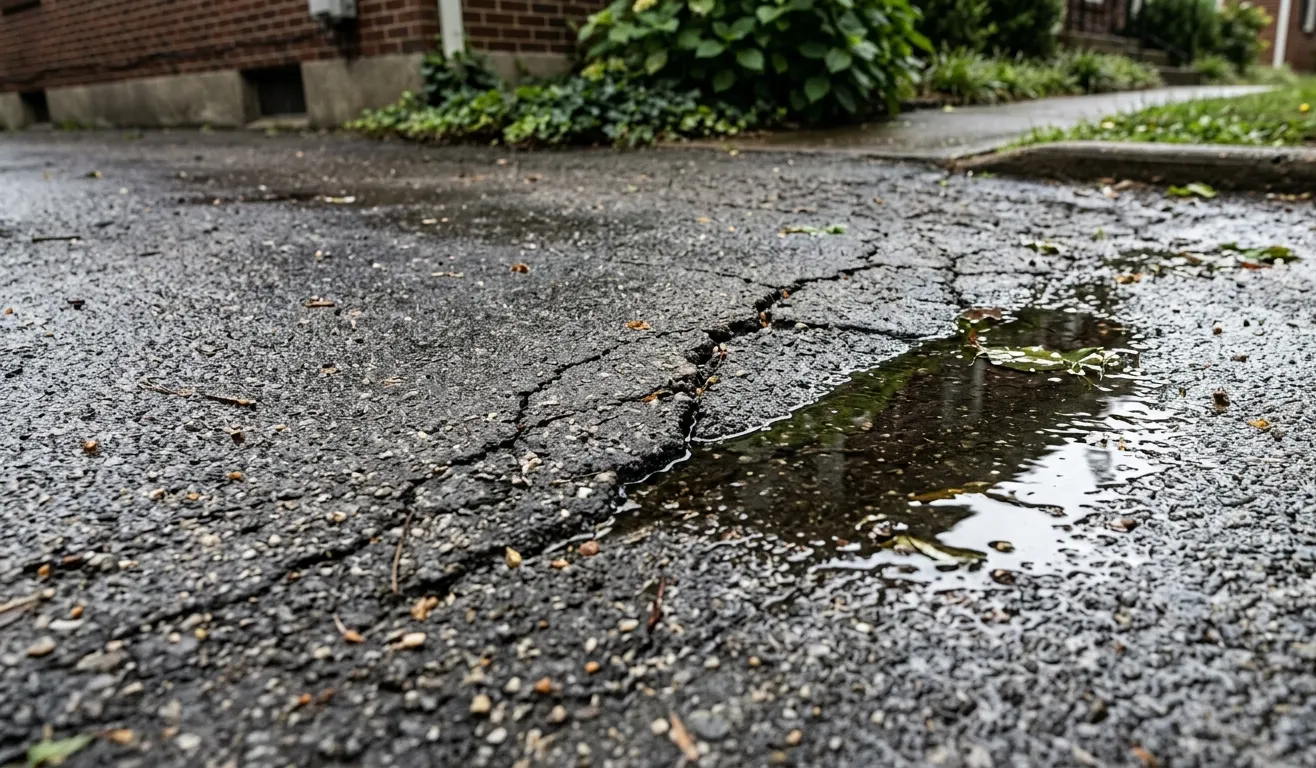
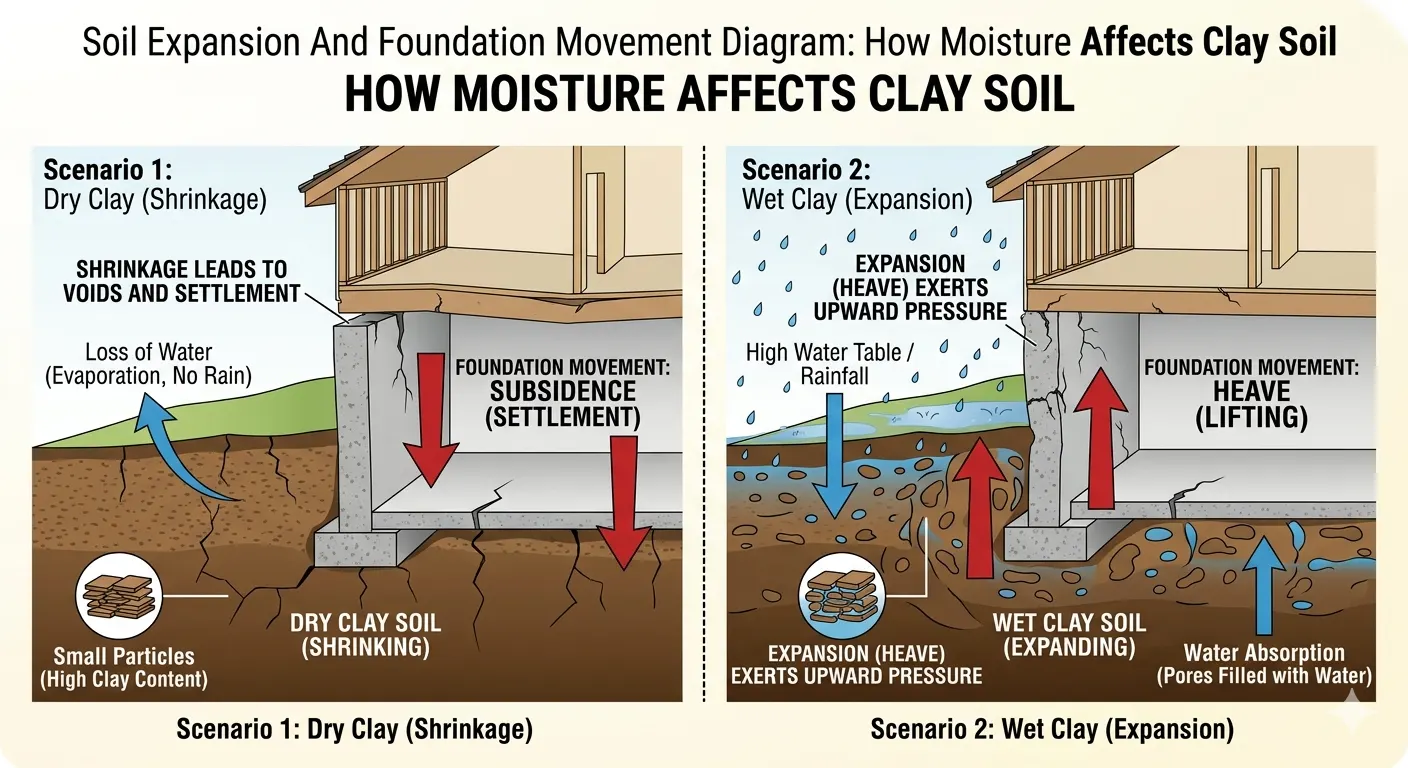
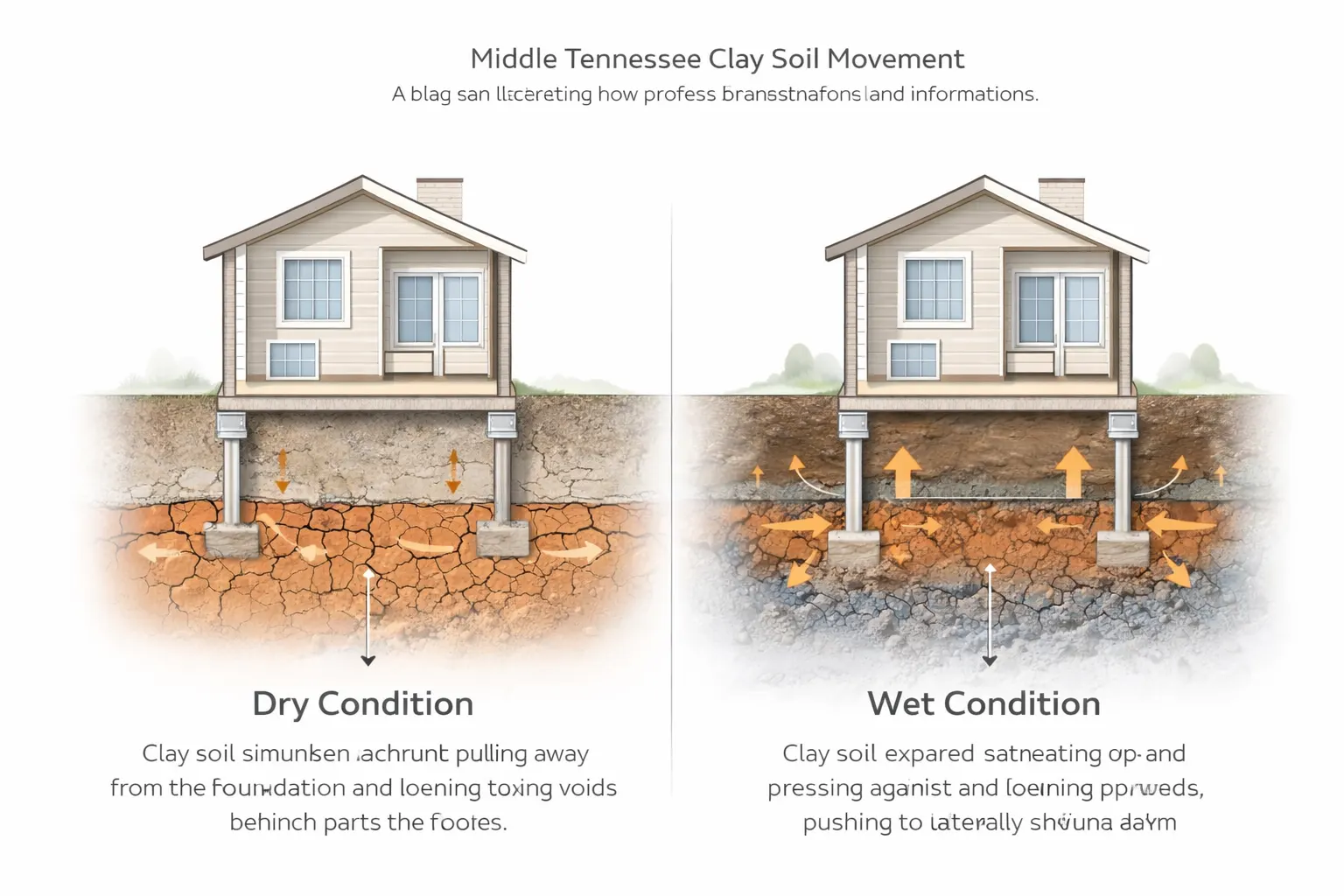
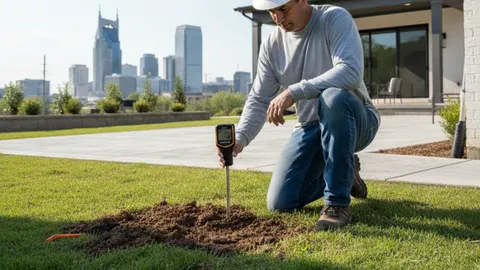
Rain stops excavation, grading, concrete prep, and equipment access, and Middle Tennessee clay often stays too wet to work long after the sky clears. That second part surprises people. If the site gets heavy rain overnight and the sun comes out the next morning, it’s natural to expect the crew to get right back to work. On clay, that’s often not possible.
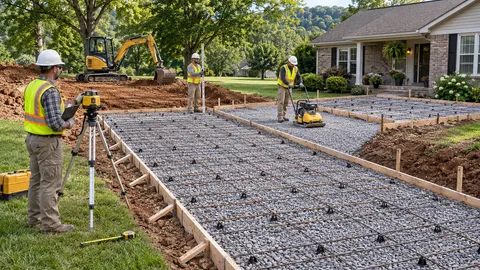
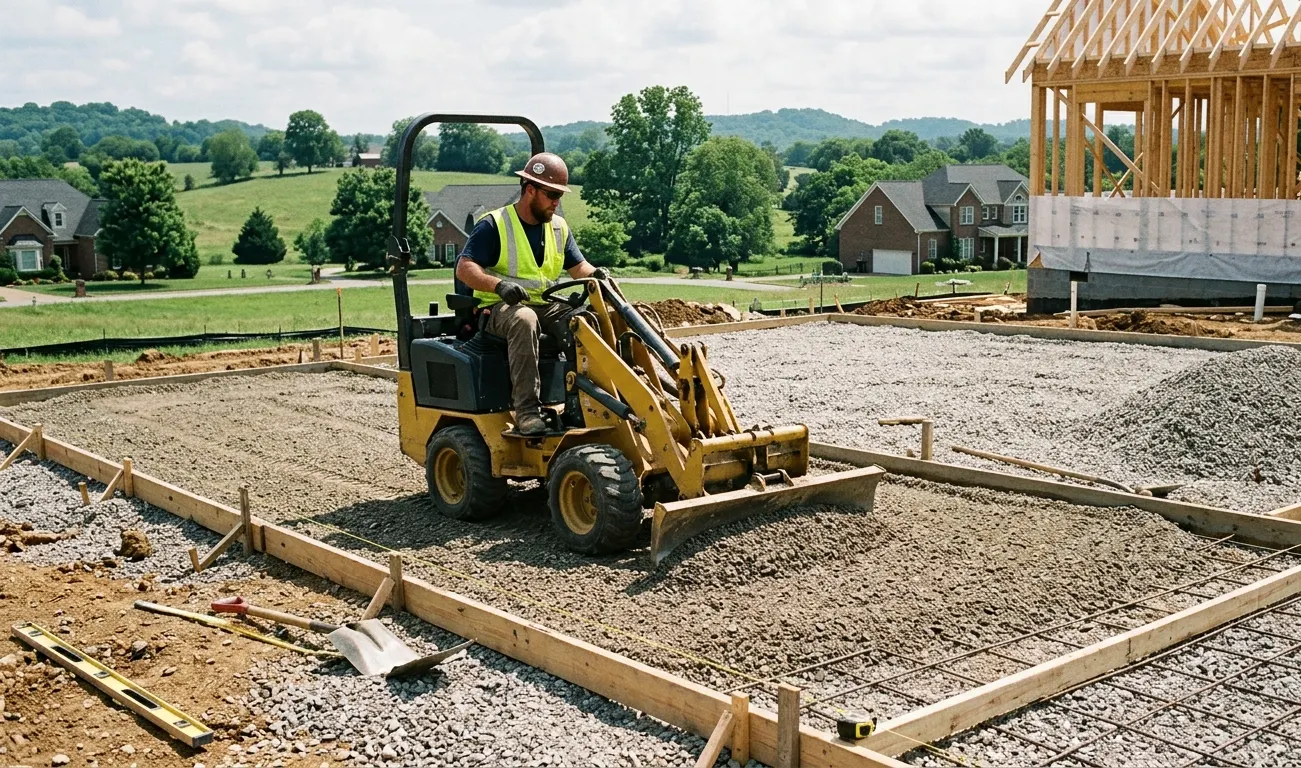
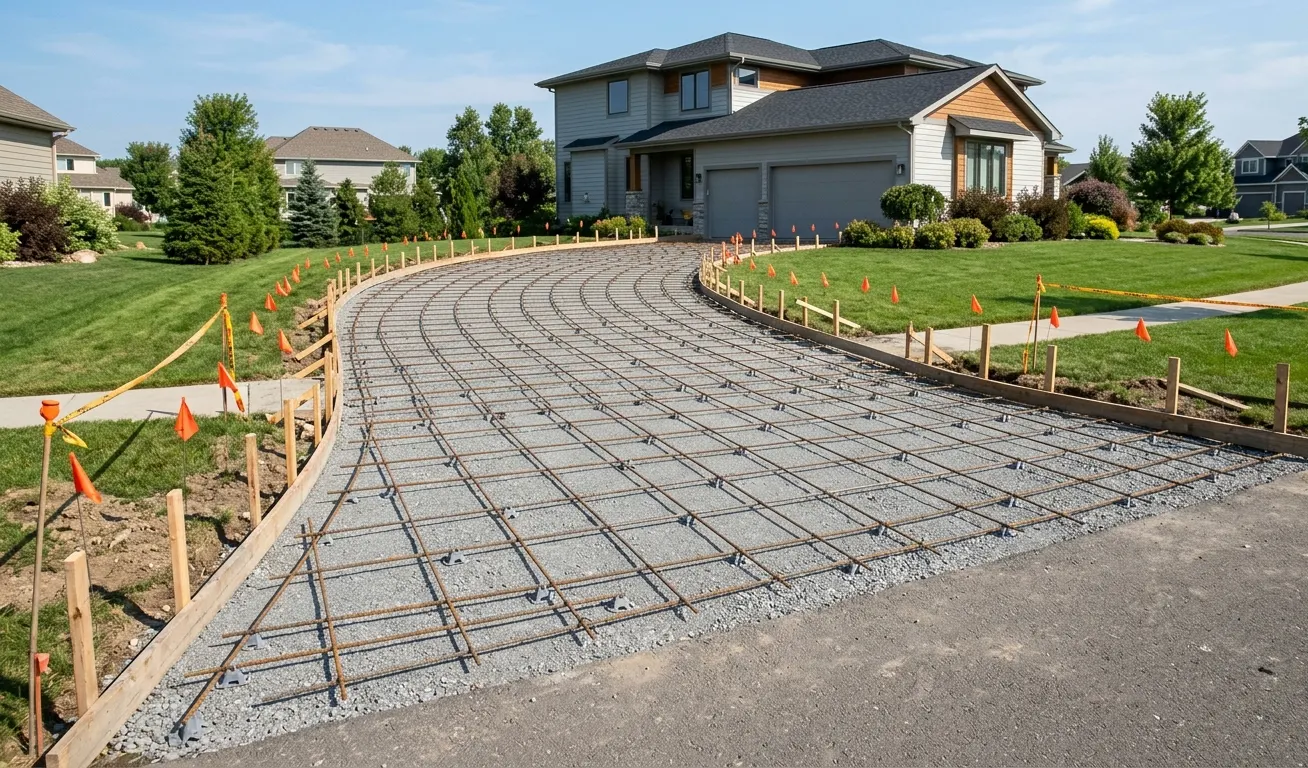
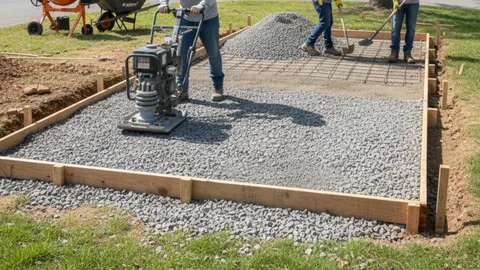
Wet clay turns soft and slick and won’t compact properly. Heavy equipment can rut the site, push around soil that was already graded, and create more work than it finishes. For concrete work, we won’t rush stone base or forms onto saturated, unstable ground. We wait until the soil dries enough to compact the subgrade correctly.
According to the National Weather Service’s Nashville climate data , Nashville averages about 50 inches of precipitation a year, with measurable rain or snow on around 120 days. Work doesn’t stop on every wet day, but it shows why weather is a normal part of the schedule, not a rare event.
On most jobs, we build in about one extra working day per week for weather during late winter and spring, when the ground stays wettest, and less in summer and fall. Bigger excavation and site jobs get more cushion, because they depend on the ground more than a small patio pour does.
How Does Cold Weather Affect Concrete Work?
Cold weather slows concrete work because fresh concrete needs protection when temperatures drop. It’s not only about how cold the air feels while the truck is on site. Concrete gains strength through a chemical curing process, and cold slows that process down. When temperatures get near freezing, we have to think about the temperature of the ground, the concrete, the forms, and the air around them.
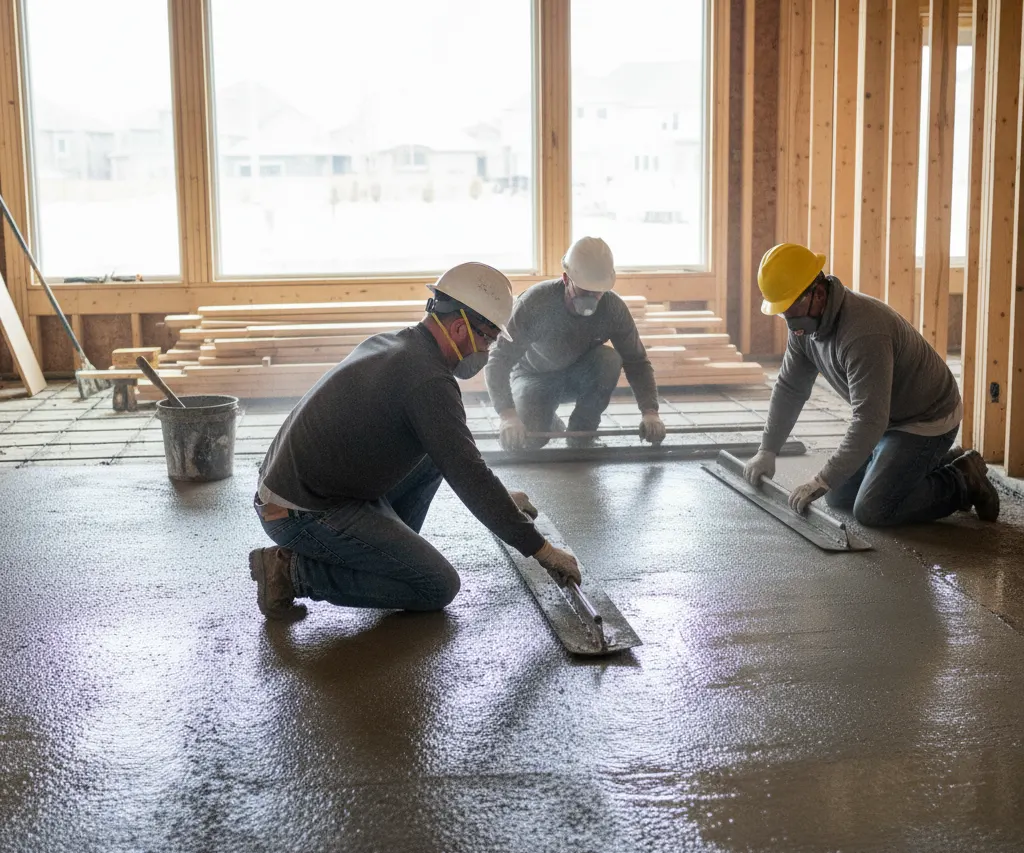
Nashville’s first freeze usually comes in late October or early November, and the last one in late March or early April. Winter concrete work is possible, but it takes more planning than a mild spring day. When a cold-weather pour makes sense, we schedule it for the warmest part of the day, use a warmer or accelerated mix when the conditions call for it, and cover the fresh slab with insulated curing blankets so it holds its heat while it gains strength. We postpone the pour completely if the ground is frozen, or if the forecast keeps temperatures below freezing for the first few days of curing. Concrete should never go onto frozen ground.
Cold weather isn’t an automatic reason to cancel every pour. It just means the fresh concrete has to be protected properly, and how weather affects concrete is why we sometimes move a pour even when the crew is ready to go.
What Happens When Excavation Hits Limestone Rock?
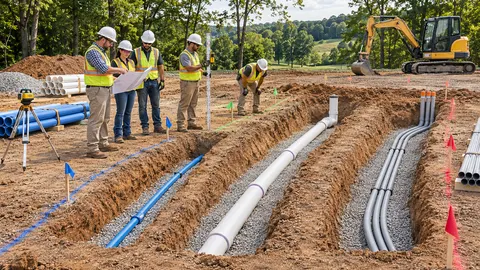
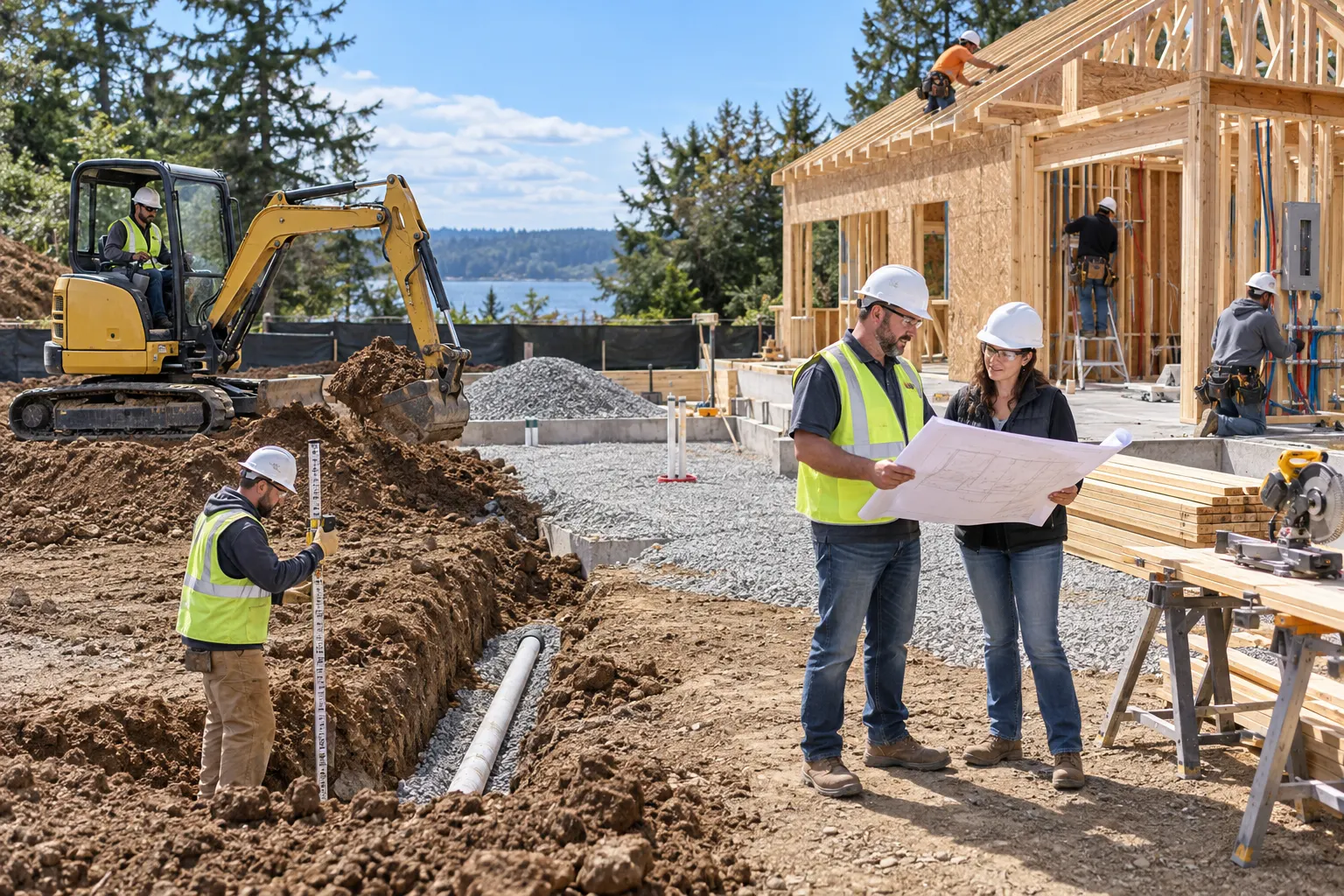
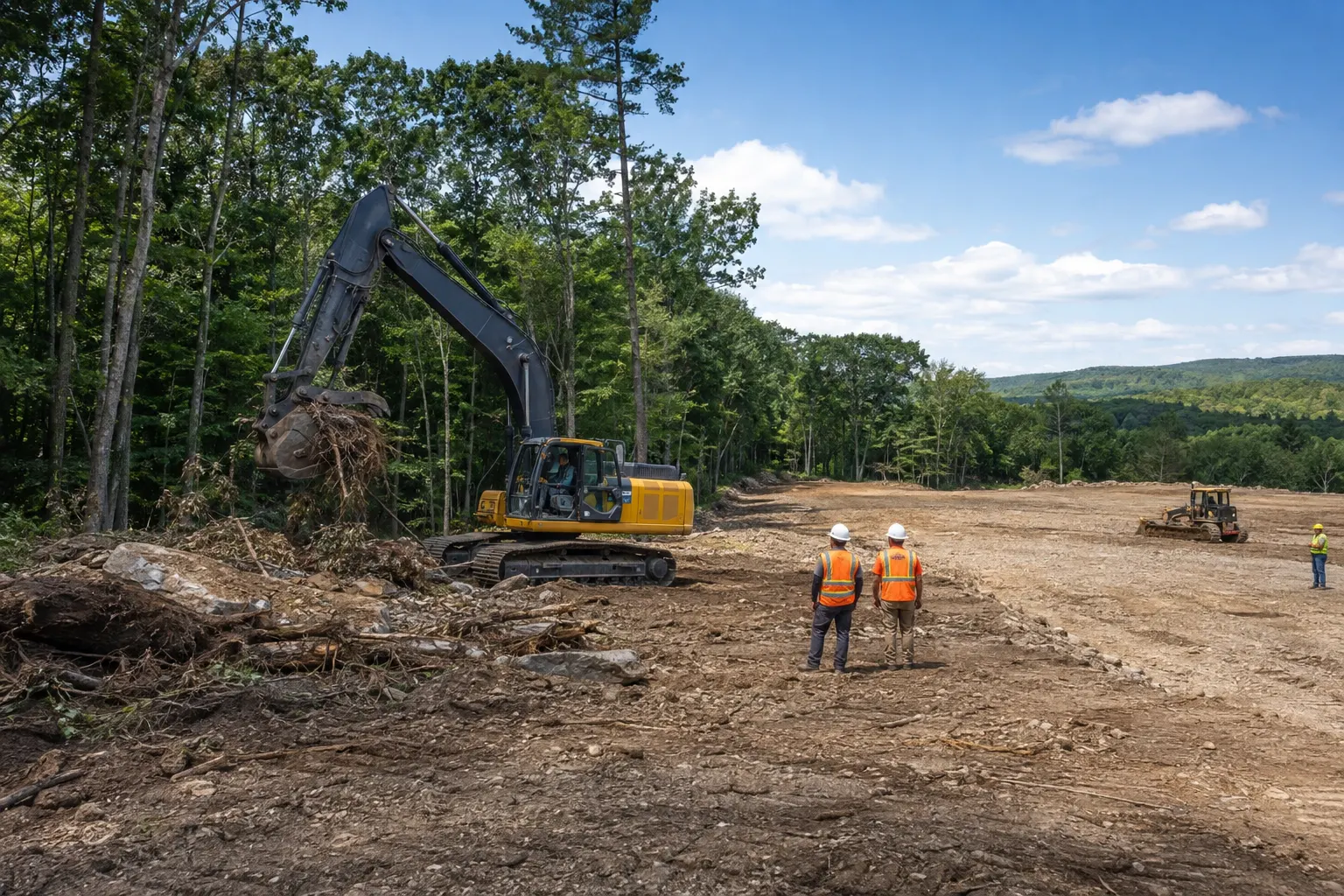
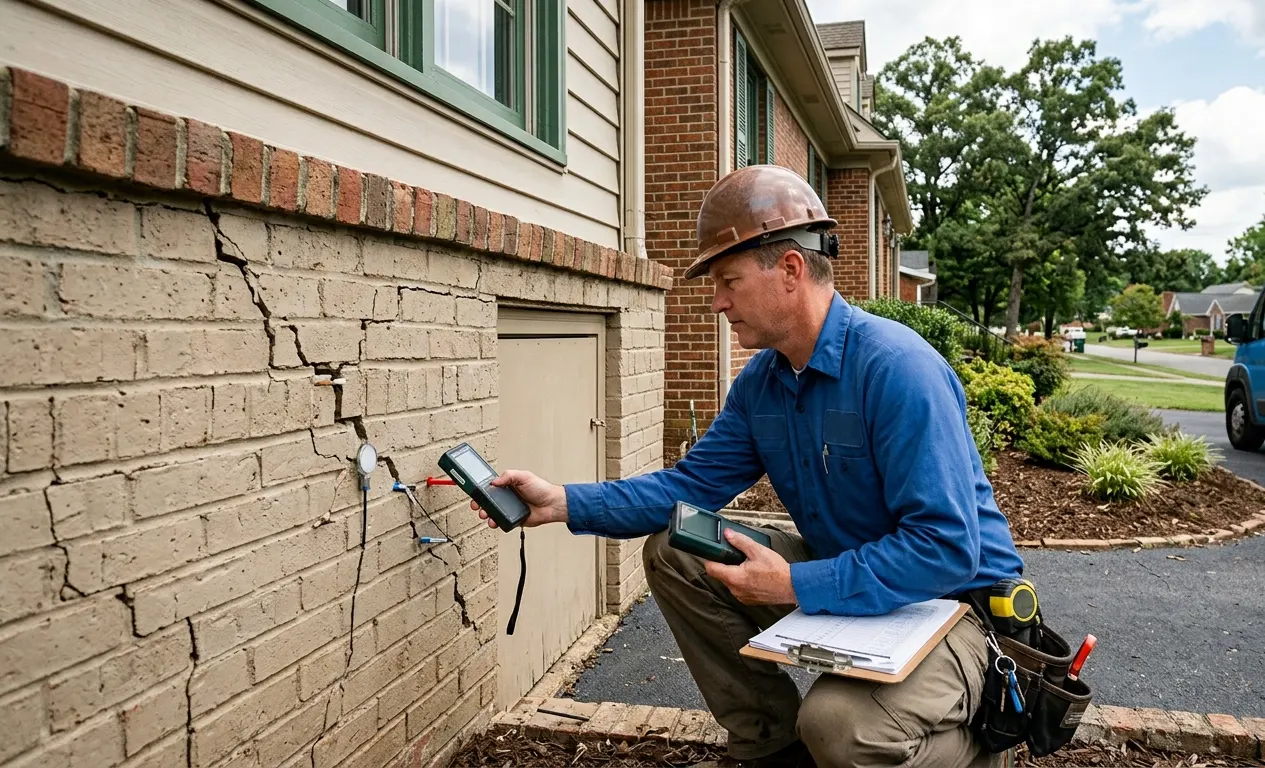
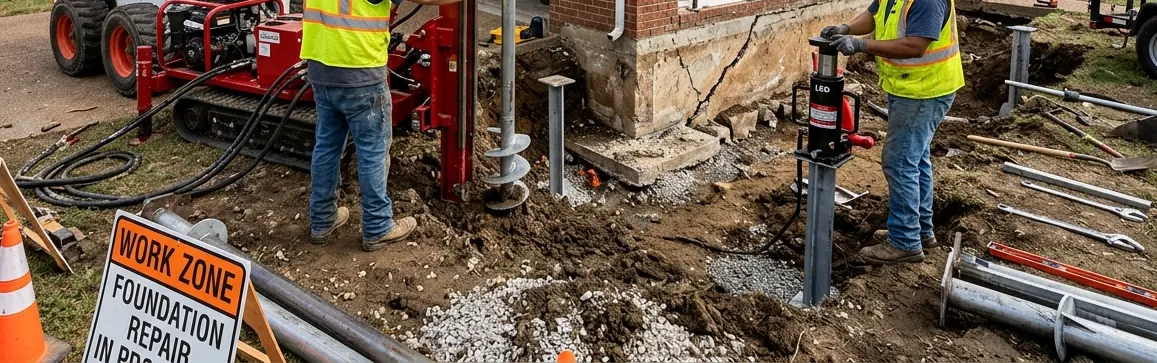
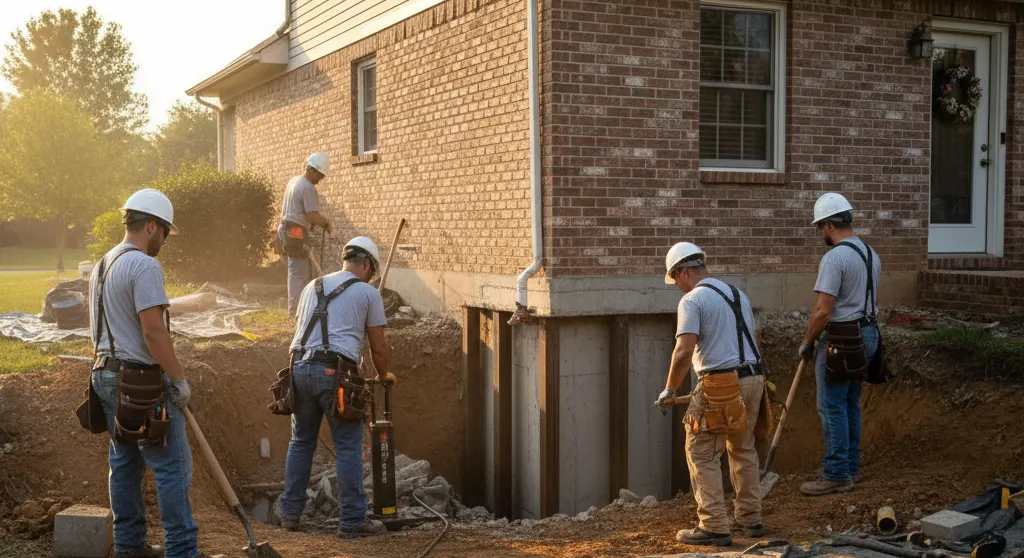
Rock can turn a simple excavation into a slower, more equipment-heavy job. Middle Tennessee sits on a lot of limestone, and you can’t always tell from the surface where a hard layer or a big ledge will show up. A footing, trench, drainage line, or site cut can go smoothly right up until the excavator hits rock. At that point, regular digging may not be enough. The crew may need a hydraulic breaker, bigger equipment, extra excavation time, or a different approach to reach the needed depth.
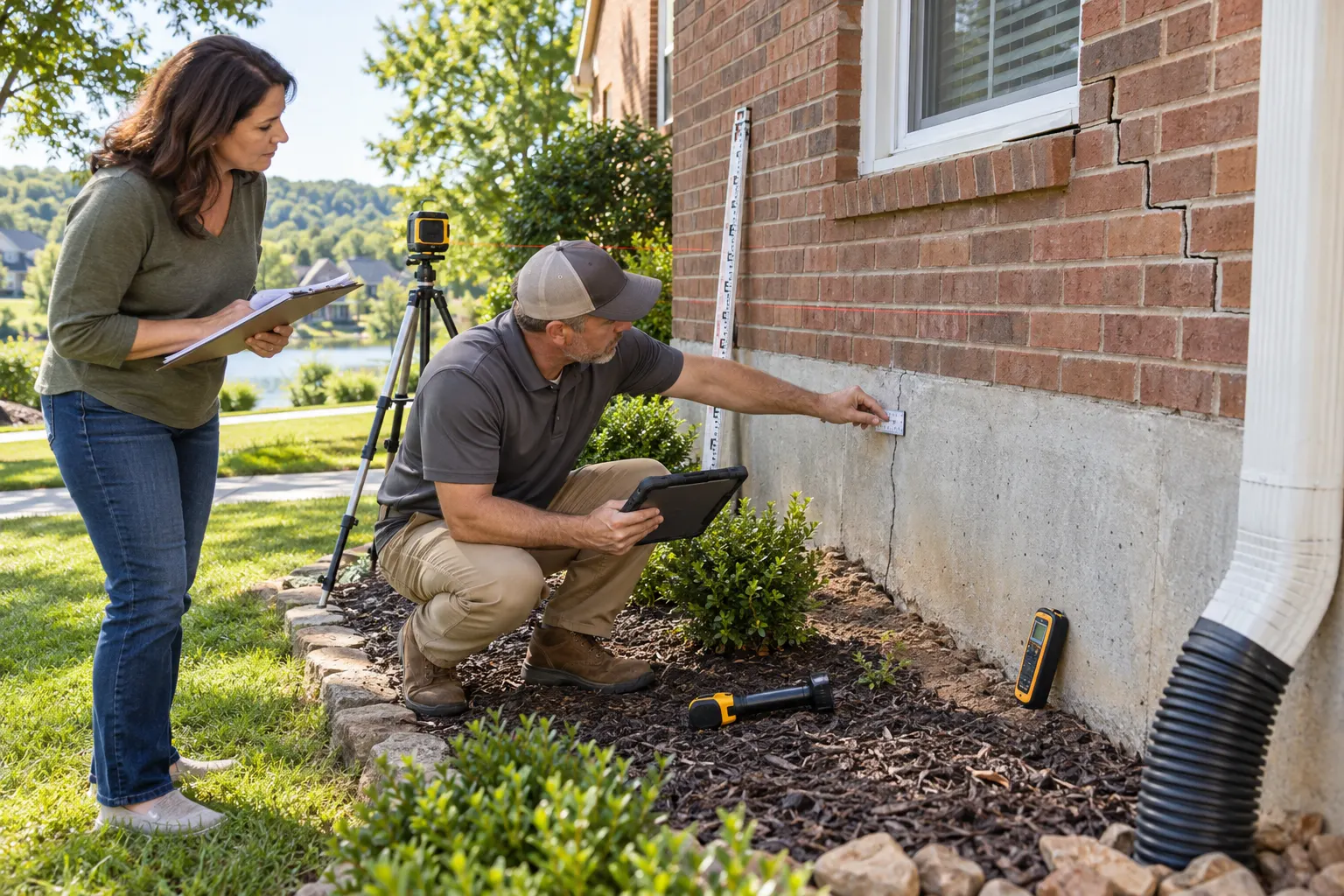
Rock affects cost as well as schedule, because breaking and removing it takes far more labor and machine time than ordinary soil. Here’s a situation we run into regularly. A trench for a drainage line or footing is planned at a set depth, and the first stretch digs easily. Partway down the run, the excavator hits a limestone ledge that wasn’t visible from the surface. What should have been a one-day dig turns into several days of breaking rock, hauling it out and bringing in fill, and the concrete or utility work scheduled behind it has to move back. What matters most is telling you quickly. If we find unexpected rock, you’ll know what we found, what has to change, and how it affects the schedule before the work goes further.
How Can Permits, Inspections and Utility Locates Cause Delays?
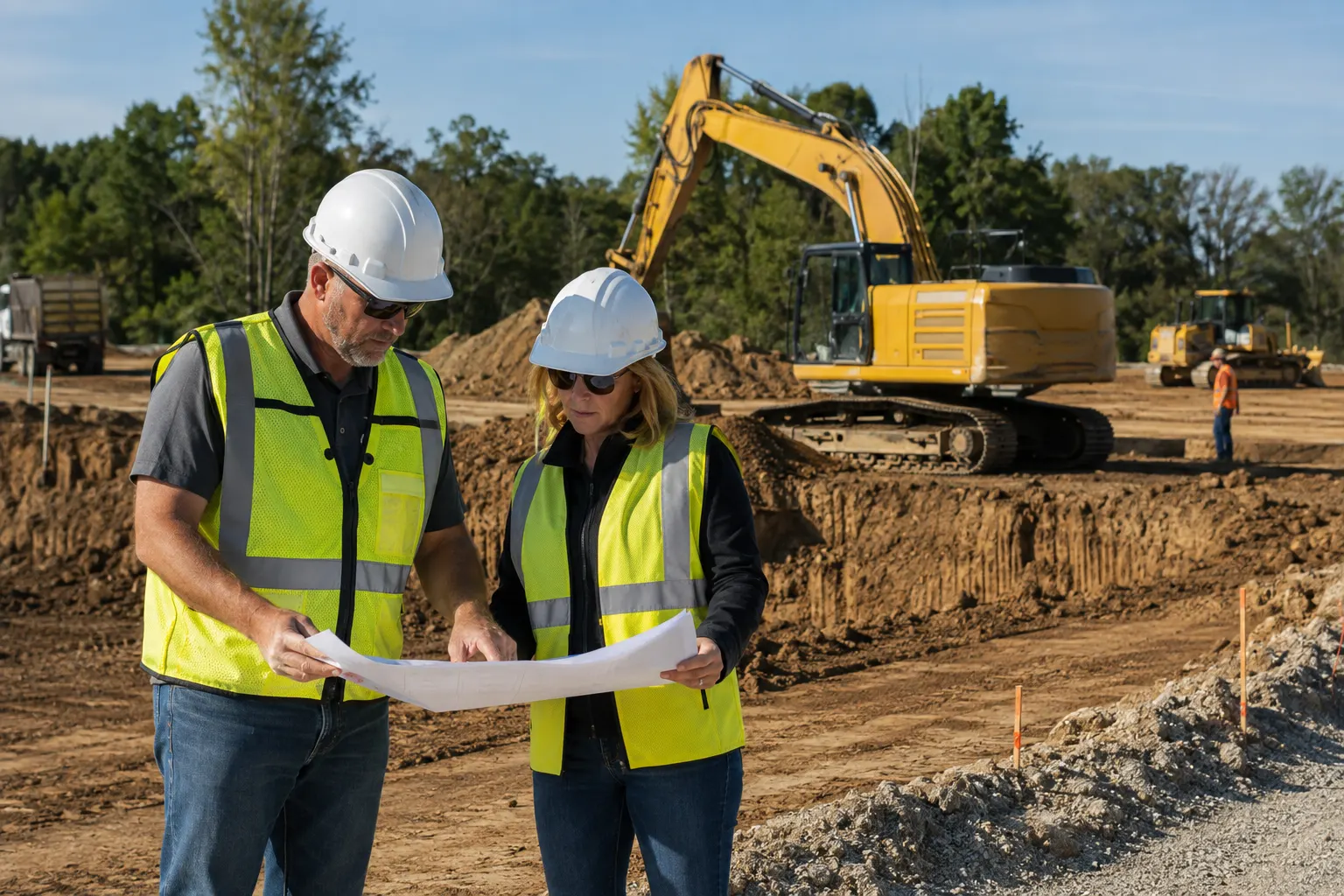
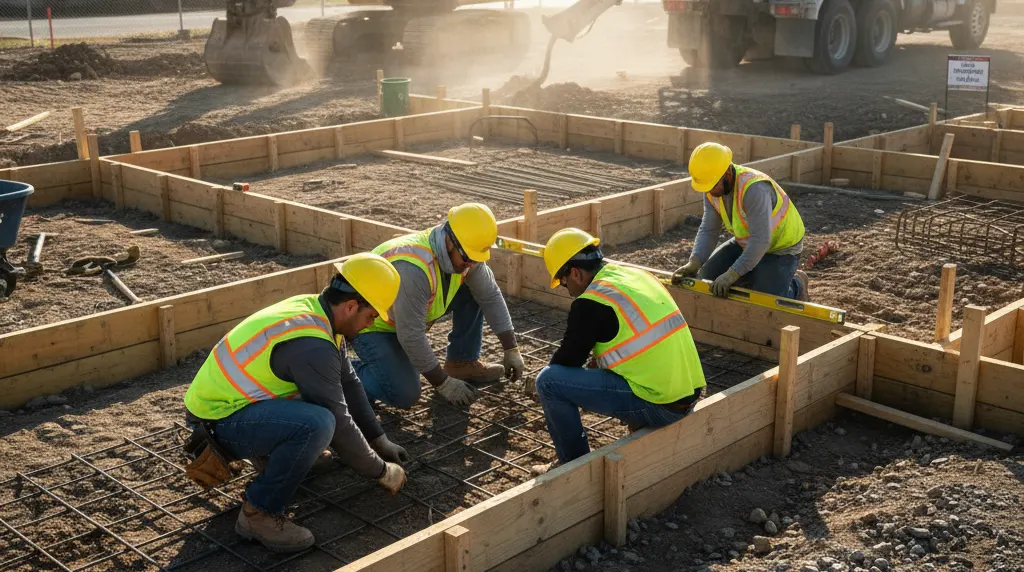
Permits and inspections can delay a project because some work can’t move forward until it’s approved, and that timing is partly outside the contractor’s control. A permit may be needed before construction starts. Later, an inspection may have to happen after excavation, foundation work, reinforcement, or utilities, but before that work gets covered. If the inspector isn’t available when expected, the next trade has to wait.
Utility locates matter too. Before any digging, underground lines have to be marked so the crew knows where gas, electric, water, and communication lines run. We don’t skip that to save a day.
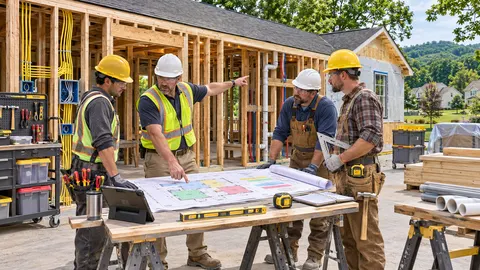
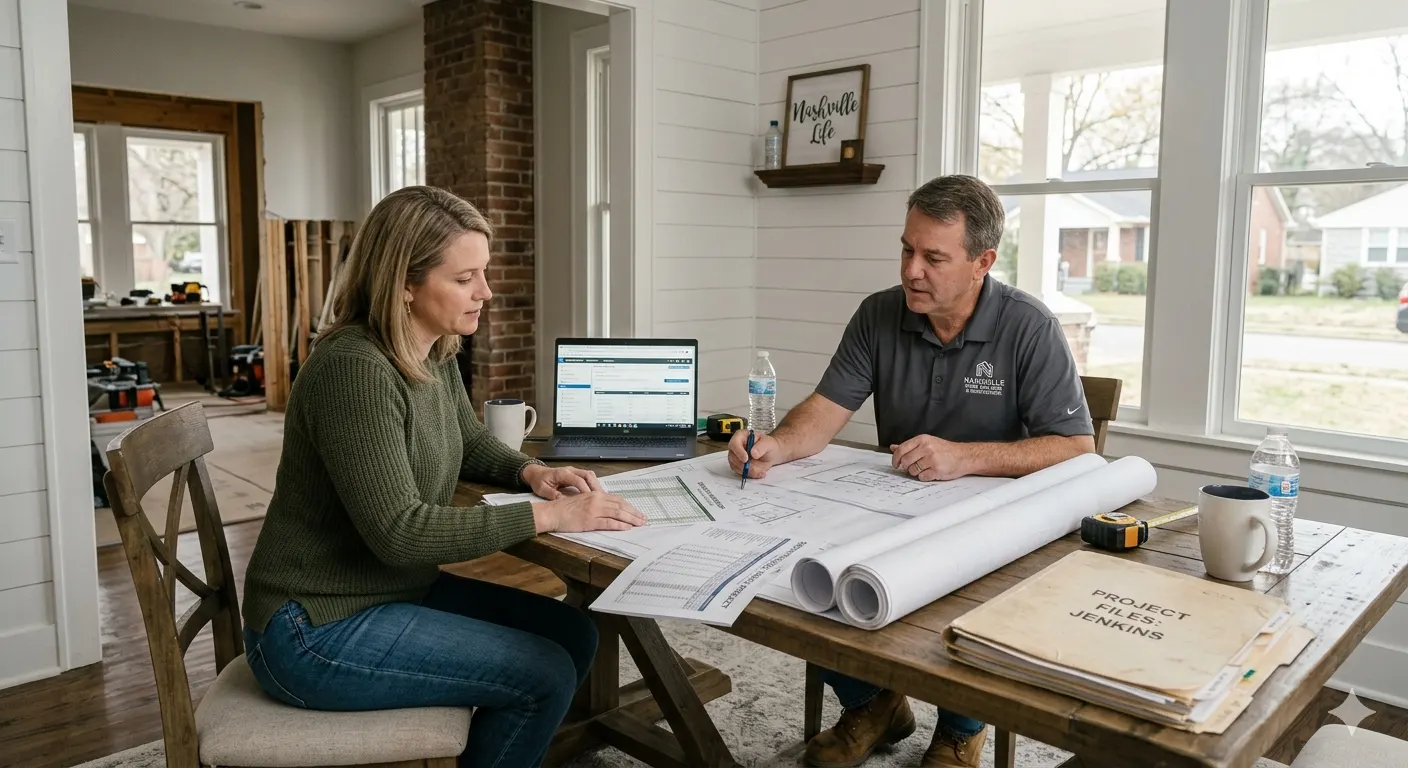
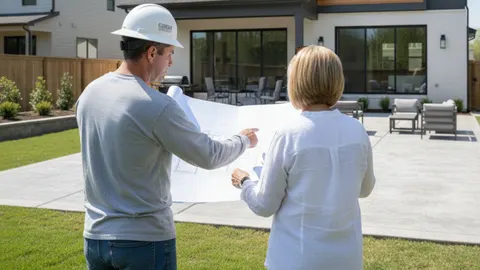
The bigger the project, the more the sequence matters. Our general contracting work includes managing those handoffs, so one delayed inspection doesn’t turn into confusion between several crews.
How Do Material Lead Times and Ready-Mix Scheduling Affect the Timeline?
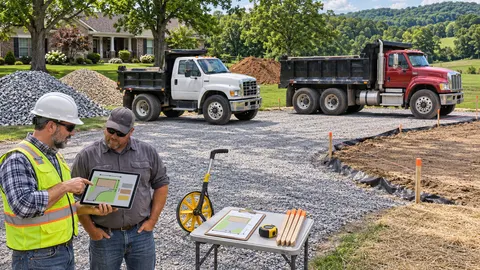
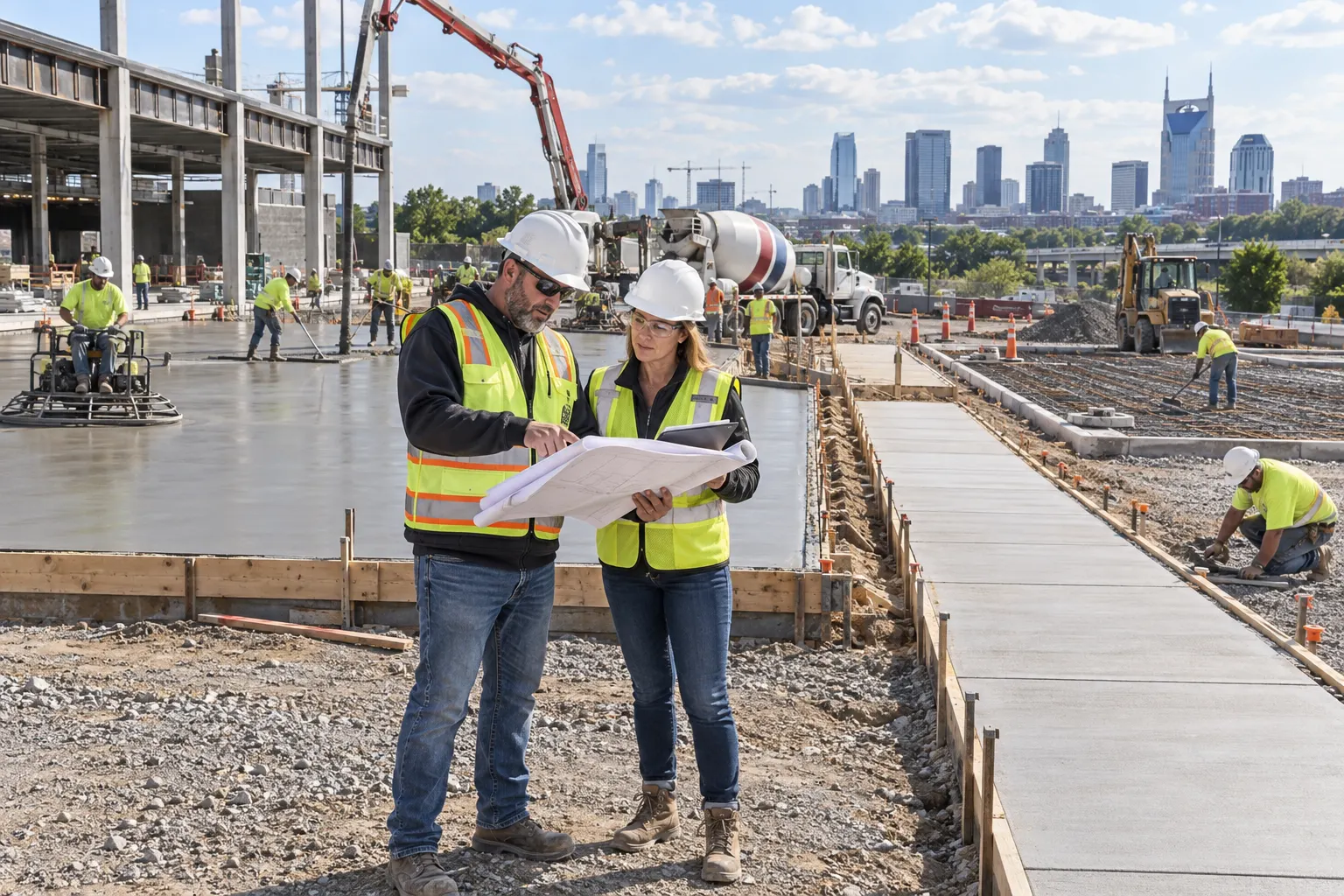
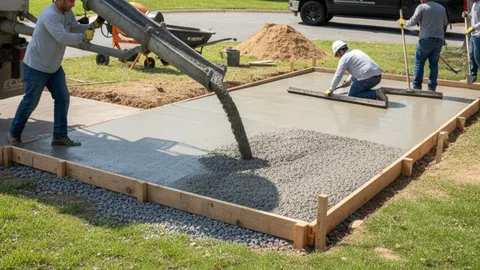
Some delays happen simply because the material or equipment isn’t available on the day you want it. Concrete has its own scheduling limits. Ready-mix trucks have to be reserved, and busy days fill up fast. Large pours may need several trucks arriving in a planned sequence, so one available truck doesn’t solve the problem.
Weather causes a domino effect here too. If several contractors cancel Monday pours because of rain, many of them try to move those same orders to Wednesday or Thursday.
Other materials can take even longer. Special drainage parts, reinforcement, structural materials, and custom items can take days or weeks to arrive, and ordering late can stall work that’s otherwise ready to go. That’s why we identify long-lead items early instead of waiting until the crew needs them tomorrow.
How Do Change Orders Delay a Project?
Changes made after construction starts add time because the schedule and material plan were built around the original scope. Some changes are your decisions: making the patio bigger, moving a wall, adding drainage, changing the finish, or adding work that wasn’t in the original proposal. Others come from the site itself, like poor soil, damaged utilities, buried concrete or rock uncovered during excavation.
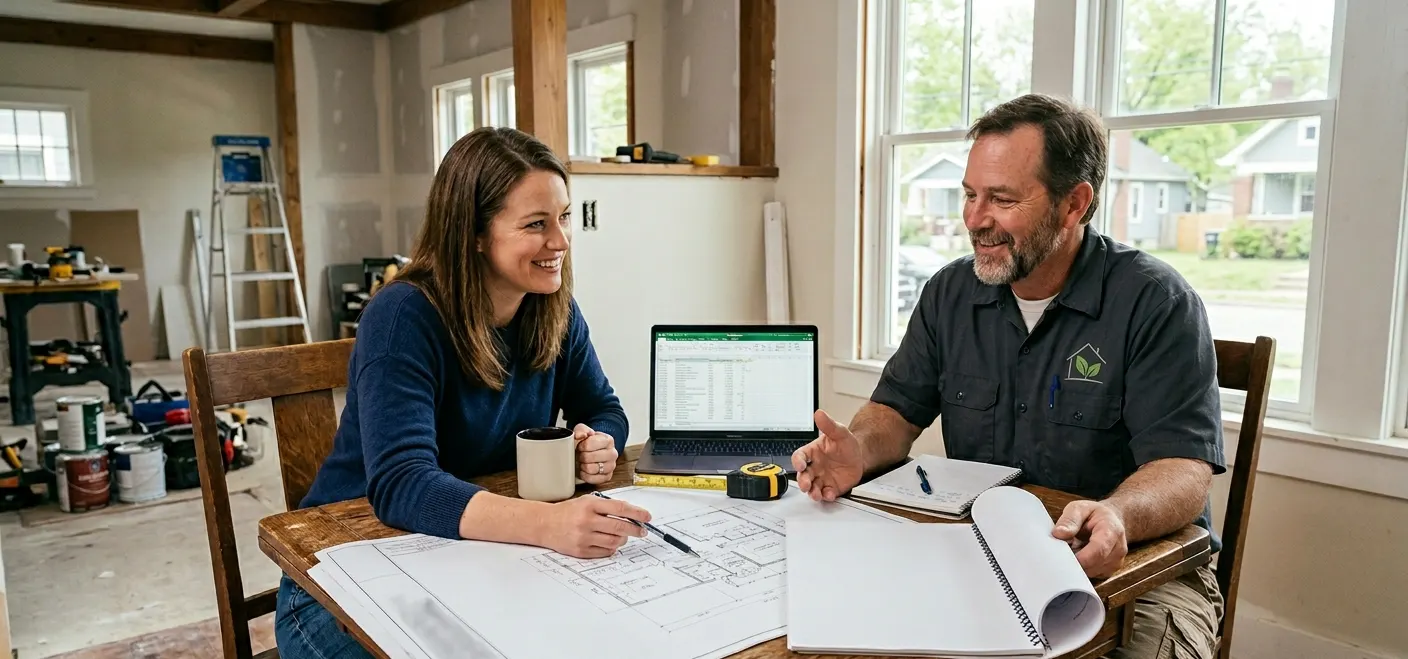
Either way, the effect is similar. New work may need more material, equipment, labor, permits, engineering, or another trade. A small change can often be absorbed without much impact. A major one can shift several phases of the project. If you’re planning a larger build, leave room in both the schedule and the budget for unknowns. It’s the same thinking behind budgeting for a construction project with a contingency built in.
Which Construction Delays Can You Actually Plan Around?
You can’t control the weather or know exactly where rock is buried, but good planning prevents a lot of avoidable delays:
- Submit permits early.
- Request utility locates before excavation is scheduled.
- Order long-lead materials well before they’re needed.
- Clear site access so crews aren’t waiting on parked vehicles, fences or other obstacles.
- Finalize your decisions before work begins. Changing finishes or dimensions is much easier on paper than after the forms, utilities or concrete are in.
Weather takes a different kind of planning. Instead of pretending it won’t rain, we build flexibility into the sequence and avoid stacking every trade back to back with no room between them.
That’s why construction project delays in Middle Tennessee aren’t always a sign of bad project management. Sometimes good management means knowing when not to force work onto a wet or frozen site.
What Is the Best Time of Year to Schedule Concrete or Construction Work?
There’s no single perfect month. Spring and fall usually have comfortable working temperatures, but spring can be wet, and fall weather can turn quickly. Summer brings warmth and long days, but heat and thunderstorms affect concrete placement and crew schedules. Winter work is possible, but cold protection and freeze risk matter more.
For projects with a lot of excavation, the condition of the ground often matters more than the month. A dry stretch in February can be more workable than a soaked week in May.
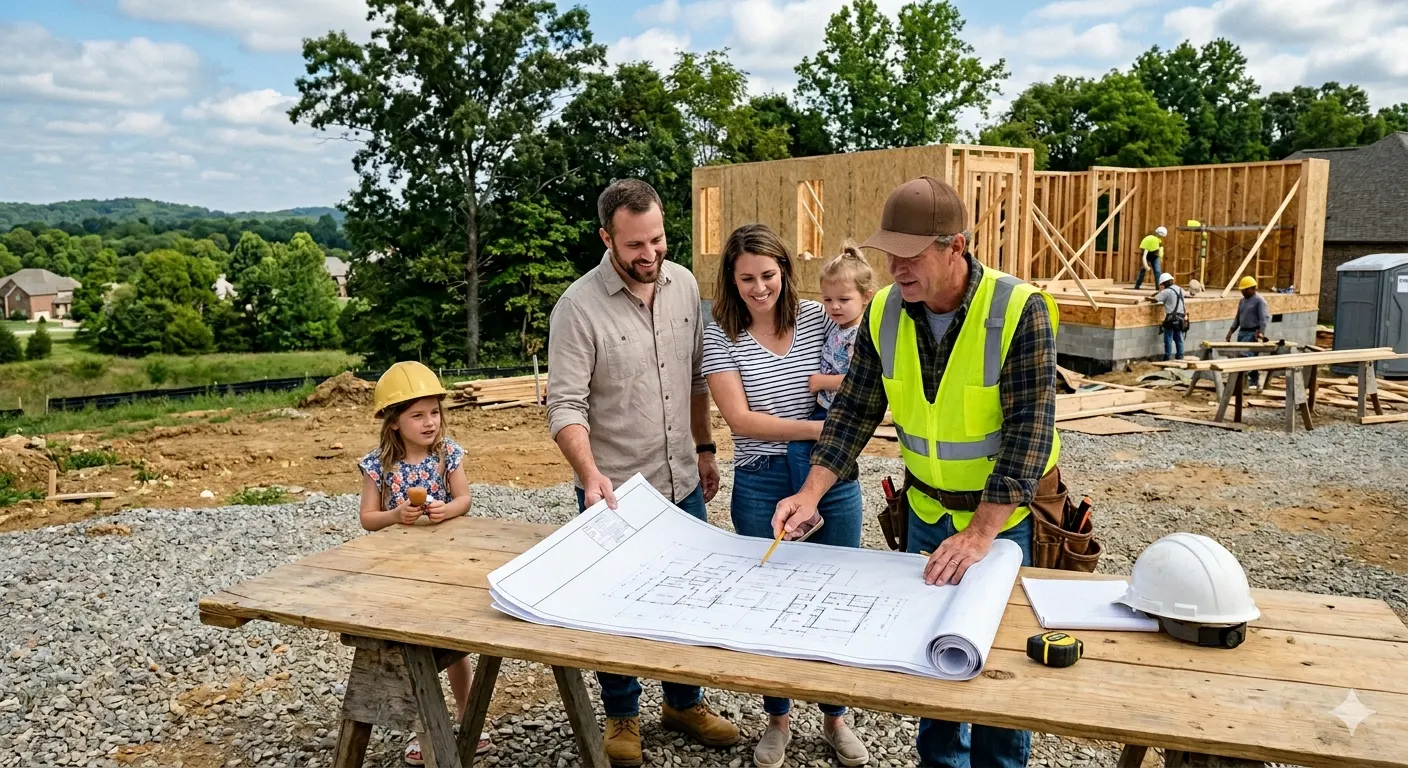
The best approach is to schedule early enough that the project has some flexibility. If you have a hard deadline, like a business opening, an event, a move-in date, or another trade scheduled afterward, tell us up front. That way we can build the sequence around your date instead of finding out about it halfway through.
What Should You Expect When a Project Gets Delayed?
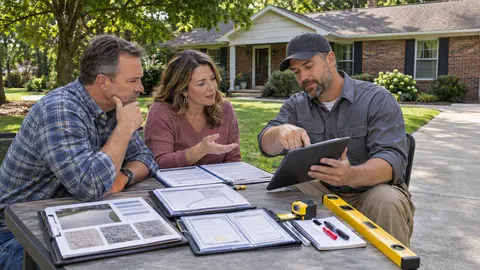
You should expect an explanation, not silence. If rain makes the ground too wet to compact, you should know why the crew is waiting. If excavation hits rock, you should understand how that changes the work. If an inspection or delivery moves, you should know which part of the schedule it affects next. No contractor can promise your project will never be delayed. What we can control is the planning, communication, sequencing, and how quickly we adjust when something changes. That’s the difference between a weather delay and a project that just feels disorganized.
Build a Realistic Schedule From the Start
Construction schedules work best when they leave room for real conditions. Rain, wet clay, cold snaps, limestone, inspections, material availability, and scope changes are all a normal part of building in Middle Tennessee. Some delays can be prevented. Others can only be managed.
When we plan a project, I’d rather give you a realistic path from excavation to completion than a perfect-looking timeline that depends on perfect weather and zero surprises.
If you’re planning concrete, excavation, or general construction work in Nashville, Murfreesboro, or anywhere in Middle Tennessee, contact us for a quote . We’ll look at the site, talk through the sequence, and give you a schedule based on the real conditions and scope of your project.