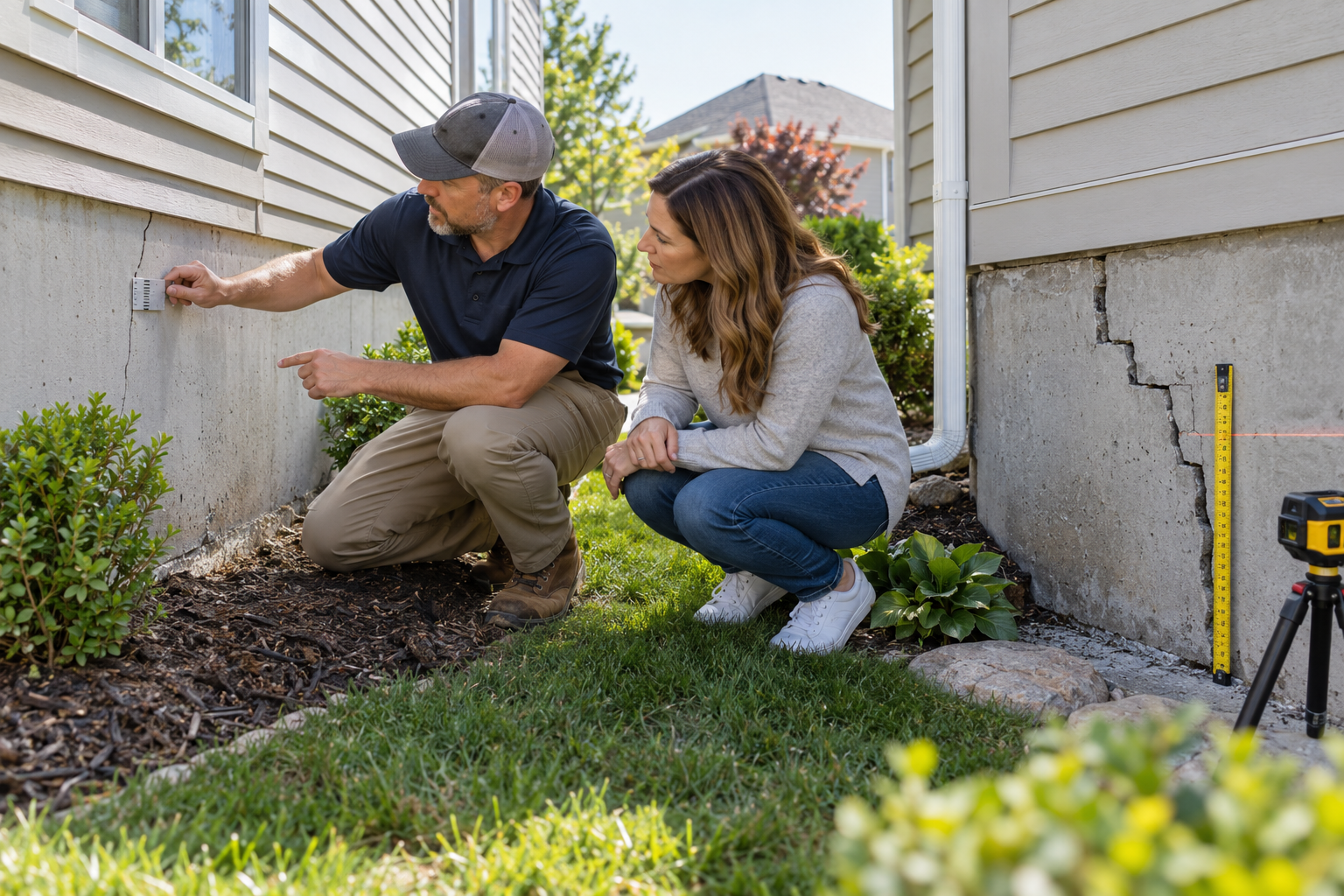
Most homeowners never think about the soil beneath their house, until something starts to feel “off.” Maybe you’ve noticed tiny cracks forming near doorways, or a window that used to glide smoothly now sticks halfway. Doors that don’t latch, floors that feel a bit uneven, or gaps appearing along trim can all leave you wondering:
Is something happening to my foundation?
What many people don’t realize is that the ground under your home is rarely still. Soil expands, contracts, shifts, and settles, and your home moves right along with it. In some cases, that movement is minor and harmless. In others, it slowly damages the structure and eventually leads to serious issues that require professional
foundation repair Nashville homeowners can rely on.
In this guide, we’ll break down how soil movement works, the warning signs to watch for, and what you can do to prevent minor concerns from turning into expensive foundation repair Nashville projects down the road.
What Is Movement in a House Foundation?
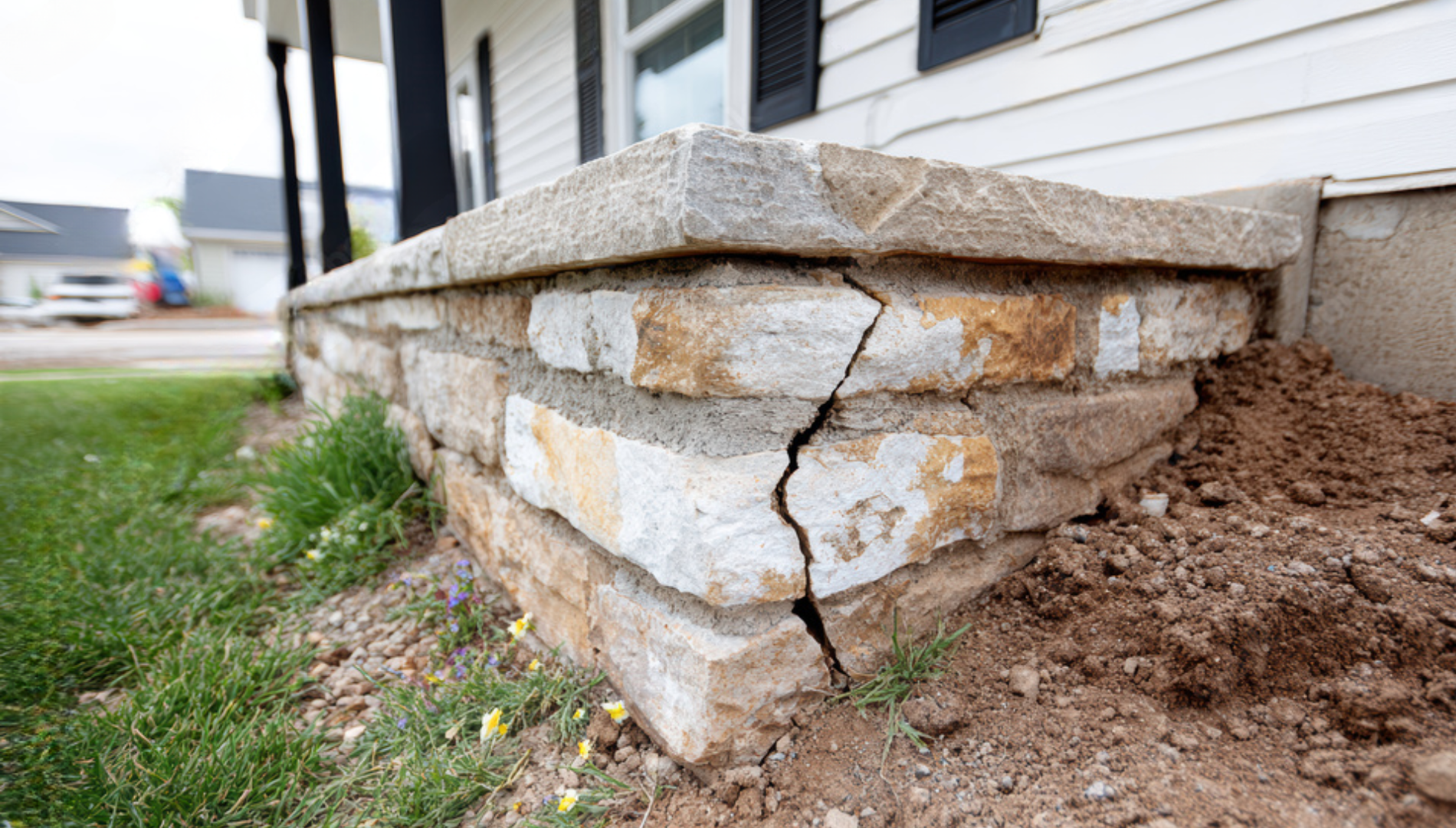
Movement in a house foundation refers to shifting, settling, heaving, or tilting of the foundation as the soil beneath it changes. That movement usually comes from the soil expanding when it absorbs water, contracting when it dries out, or losing strength due to poor compaction or erosion. When the soil sinks, the foundation follows and settles. When the soil swells upward, the foundation can heave. When soil shifts sideways, walls can bow or tilt.
In areas like Middle Tennessee, expansive clay soils are a major culprit. They soak up water during wet seasons and swell, then shrink dramatically during dry spells. That constant expansion and contraction pushes and pulls on your foundation. Over time, it can lead to:
- Cracks in walls, floors, and foundations
- Uneven or sloping floors
- Misaligned doors and windows
- Gaps between walls, ceilings, or baseboards
Industry organizations note that expansive soils cause more structural damage each year than many natural disasters combined. That’s why companies that specialize in foundation repair Nashville services pay close attention to soil type and moisture levels when diagnosing a problem. The movement itself is often subtle at first, but if left unaddressed, it can develop into significant structural stress.
According to the International
Association of Certified Home Inspectors, expansive soils, such as the clay-heavy soil found in Middle Tennessee, cause more structural damage in the United States than floods, earthquakes, and hurricanes combined.
Understanding foundation movement, and taking it seriously early on, can save homeowners from large repairs later.
How Does House Construction Affect the Soil?
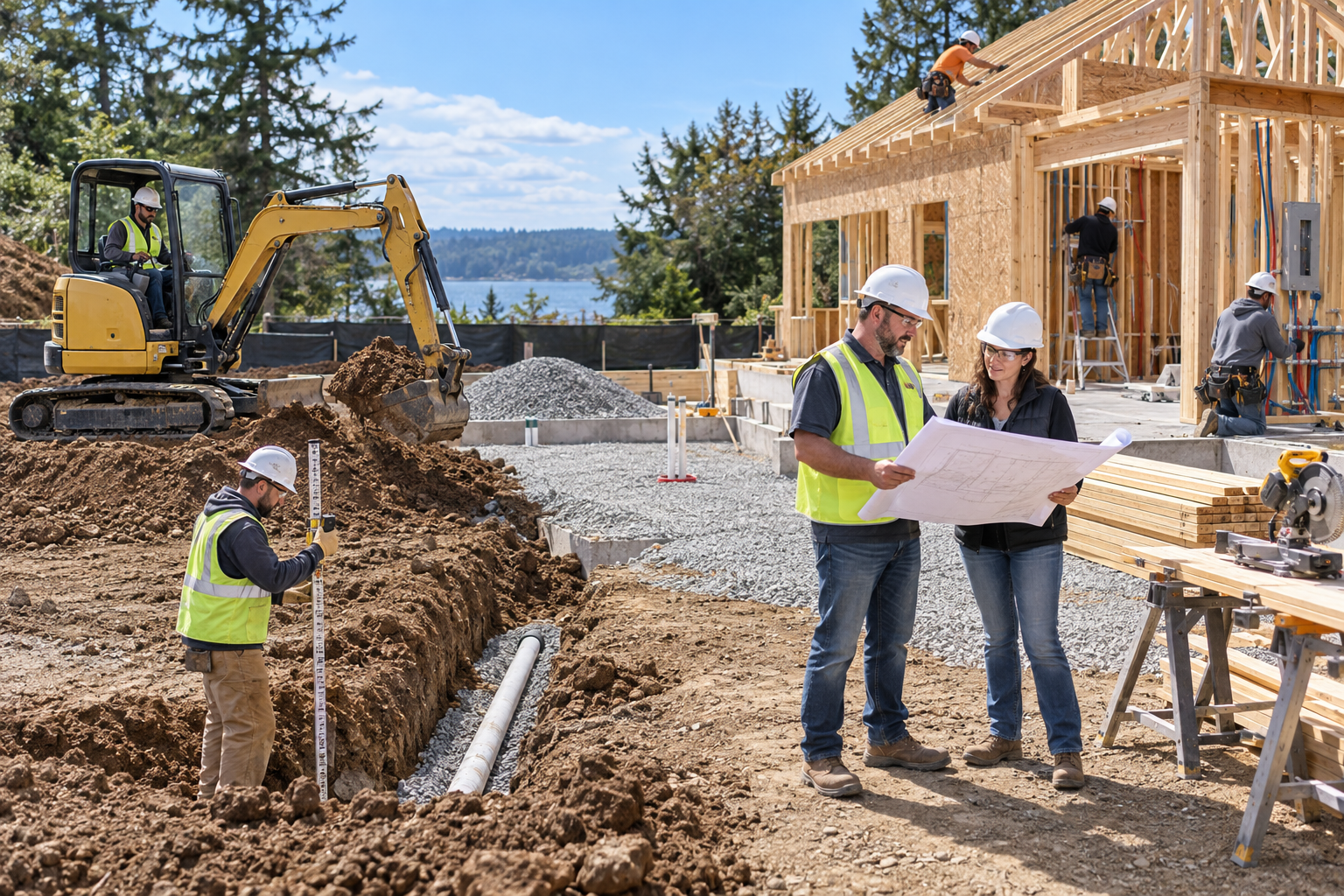
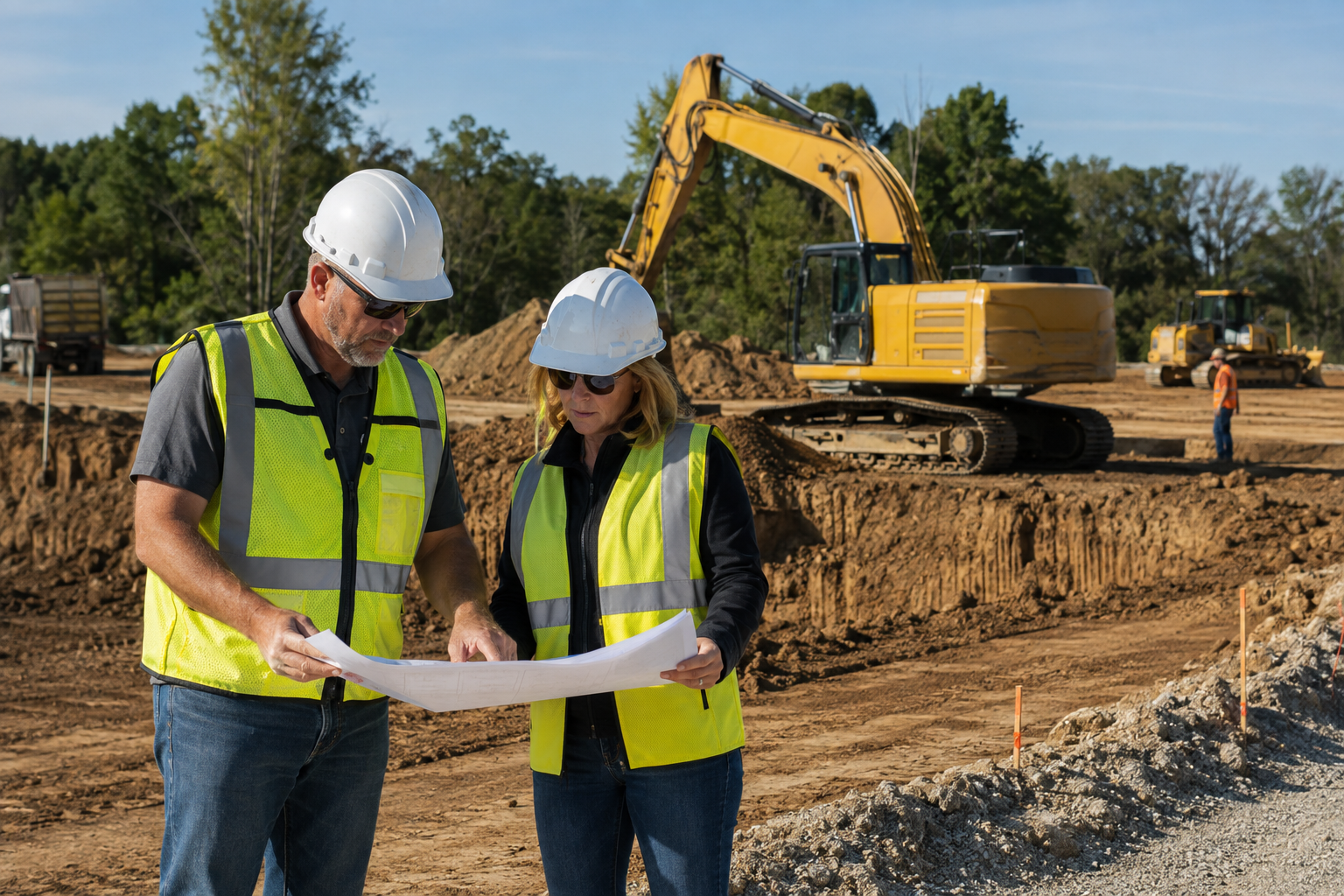
House construction changes the soil in ways that can either support long-term stability or quietly set the stage for problems later. Before a home is built, contractors typically excavate, grade, and compact the soil. If this isn’t done correctly, the soil can settle unevenly once the weight of the home is added.
In many Nashville neighborhoods, homes are built on previously disturbed land or on slopes that required significant cut-and-fill work. When different soil layers are mixed together or the fill isn’t properly compacted, it can create pockets of weakness. Over time, those areas compress more than others, causing parts of the foundation to settle or shift.
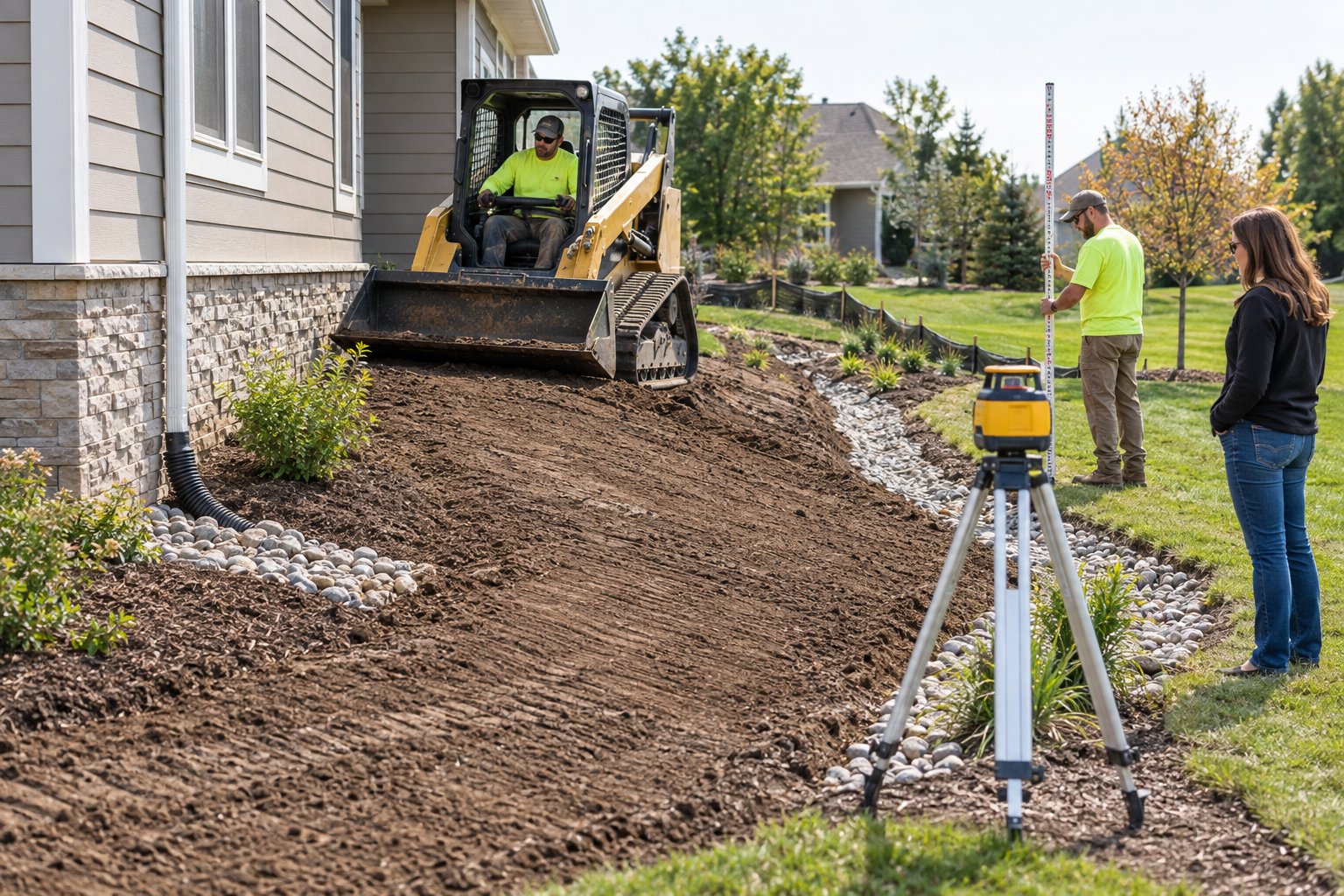
Construction also changes how water flows around your property. If grading directs water toward the foundation instead of away from it, moisture can build up around the footing and soak into clay soils. That leads to swelling, heaving, and long-term movement. On the flip side, soil that dries out too much, due to poor grading, aggressive landscaping, or large trees drawing water away, can contract, leaving voids under the foundation.
Many homeowners don’t realize that decisions made at the building stage can influence whether they’ll eventually need foundation repair Nashville services. If you’re building new or planning an addition, getting professional input early can help ensure your soil is compacted properly, your drainage is well-designed, and your foundation has the best possible starting point.
How to Prevent a Foundation From Shifting
You can’t stop soil from behaving like soil, but you can manage the conditions around your home to keep its movement as predictable and gentle as possible. The main strategies for preventing foundation shifting include:
1. Moisture control around the foundation
Consistent soil moisture is critical. Gutters and downspouts should direct water well away from the foundation, ideally at least several feet. The yard should slope gently away from the home so water doesn’t pool along the perimeter.
2. Using soaker hoses during dry periods
During droughts or long dry spells, clay soil can shrink dramatically. Running soaker hoses at a low, steady rate around your foundation helps maintain more consistent moisture levels, reducing sudden drops or shifts in the soil.
3. Smart landscaping choices
Large trees and thirsty shrubs planted too close to the house can draw moisture out of the soil and contribute to uneven drying. Roots can also displace soil or even push against sections of the foundation. Choosing plants carefully and keeping large trees at a safe distance helps maintain stability.
4. Professional stabilization when needed
If your home is already showing signs of movement, cracks, sloping floors, or sticking doors, professional solutions like pier installation or soil stabilization may be necessary. These methods transfer the weight of your home to deeper, more stable layers of soil or bedrock, reducing the impact of surface-level soil movement.
Preventing foundation movement isn’t about forcing the ground to stop shifting; it’s about creating an environment where that movement is limited, balanced, and manageable. That’s the guiding principle behind much of the foundation repair Nashville specialists perform. Gain clarity by reading
Why Driveway Repair Is More Than Just Cosmetic.
What Kind of Soil Should Be Around a House Foundation?
The best soil to place around a foundation is one that drains well and doesn’t hold excessive moisture. Granular soils, like sand or gravel-based mixtures, allow water to flow through rather than pool and saturate the area. This reduces the intense swelling and shrinking that clay soils can cause.
Clay-rich soil, which is common in Middle Tennessee, retains water like a sponge. When it gets wet, it expands; when it dries out, it contracts. That constant change puts stress on your foundation. By replacing or blending clay soil near your home with better-draining material, you create a more stable zone around the foundation.
Some homeowners unknowingly make things worse by adding topsoil or garden soil right against the house. These soils are great for plants, but they often trap moisture against the foundation. The goal is to create a perimeter where water flows away smoothly—not one that holds onto it.
Contractors experienced in foundation repair Nashville projects often recommend a combination of compacted fill, gravel, and well-graded soil near the foundation. If you’re unsure what you have now, or what you should add, getting a professional opinion can prevent a lot of trouble later.
Why Nashville Homes Are Especially Vulnerable
Nashville’s climate and geology create a perfect storm for soil movement. Our clay-heavy soils respond dramatically to changes in moisture. When storms roll through in spring and fall, the ground absorbs a lot of water, and the clay swells. Then, as summer heat and dry spells arrive, the same soil shrinks as the moisture evaporates.
That repeated swelling and shrinking acts like a slow-motion tug-of-war beneath your home. Over years, the pressure adds up. Homes in older neighborhoods may be built on disturbed or filled soil, which can be even less stable. Properties on hillsides are subject to additional lateral soil movement that can push against foundation walls.
Compared to regions with more stable, sandy soil and milder climate swings, Nashville homeowners must be more proactive about monitoring foundation stability. That’s why foundation repair Nashville services are in steady demand, not just for major repairs, but also for early assessments and preventive work.
Understanding Soil Movement Gives You Control
Soil movement isn’t something most homeowners think about, but it plays one of the largest roles in your home’s long-term health. Once you understand how soil behaves and how closely it’s tied to your foundation, you’re in a much stronger position to protect your property.
In Nashville, with its clay-heavy soil and active weather patterns, foundation protection comes down to smart moisture management, thoughtful landscaping, proper grading, and paying attention to early warning signs. You don’t need to become a soil engineer; you just need to know when something doesn’t look or feel right, and act before it gets worse.
The more you understand about soil behavior, the easier it is to decide when simple maintenance is enough and when it’s time to call in a professional foundation repair Nashville team for a closer look. That knowledge can save you stress, money, and unnecessary damage over the life of your home.
If you’re noticing cracks, sticking doors, uneven floors, or other signs that soil movement might be affecting your home, our team at
GK Construction Solutions is here to help. You can
schedule an inspection or request expert foundation repair Nashville guidance anytime. We’re happy to provide honest assessments, detailed quotes, and long-term solutions to help keep your home stable, secure, and stress-free.
Follow our social media pages below: