Do You Need a Retaining Wall? Signs Your Property May Benefit

Does part of your yard seem to move downhill every time Nashville gets heavy rain? Maybe mulch keeps washing onto the driveway, roots are becoming exposed, or an older wall is starting to lean. These may seem like ordinary landscaping problems, but they can point to larger grading, drainage, or soil-retention issues. A Retaining Wall can help hold soil in place, manage changes in elevation, and create more usable outdoor space when the site calls for one. At GK Construction Solutions, we look at the entire property because drainage, soil, grading, nearby structures, and the way you want to use the space all affect the right solution. Homeowners comparing general contractors in Nashville, TN should also know that not every slope needs a wall. Sometimes grading or drainage improvements may be more appropriate.
How Do You Know If You Need a Retaining Wall?
You may need a Retaining Wall when soil repeatedly washes downhill, a steep grade makes part of your property difficult to use, soil is moving toward a driveway or patio, or an older retaining structure is leaning, bulging, or separating. Retaining walls are designed to support soil where ground elevations differ, making them useful for unstable slopes, raised landscape areas, patios, walkways, and other outdoor spaces. However, a wall should not be treated as a universal fix for standing water or erosion. Poor grading, roof runoff, unstable soil, or drainage problems may also need attention. The right solution depends on the slope, soil conditions, water movement, loads above the wall, nearby structures, and local construction requirements. A site evaluation can help determine whether a retaining wall, drainage improvement, grading work, or a combination of solutions is appropriate.
What Is the Main Purpose of a Retaining Wall?
The main purpose of a retaining wall is to hold soil where the ground changes from one elevation to another. It may support a landscape bed, separate a driveway from a higher yard, stabilize soil beside a walkway, or create a level area for a patio. The wall must also resist pressure from the soil behind it. That pressure can increase when soil becomes saturated, which makes drainage a major part of retaining wall design. A retaining wall can improve appearance, but its structural purpose should always come first.
What Are the Signs Your Yard May Need a Retaining Wall?
Warning signs often appear slowly. You may notice soil collecting at the bottom of a hill, mulch washing out after storms, exposed roots, or small erosion channels. Other properties have slopes that make mowing, landscaping, or building a patio difficult. Existing walls may show leaning, bulging, widening cracks, separating blocks, or soil pushing through gaps. If these symptoms continue to worsen, it is worth having the site evaluated.
Sign 1: Soil Keeps Washing Away After Heavy Rain
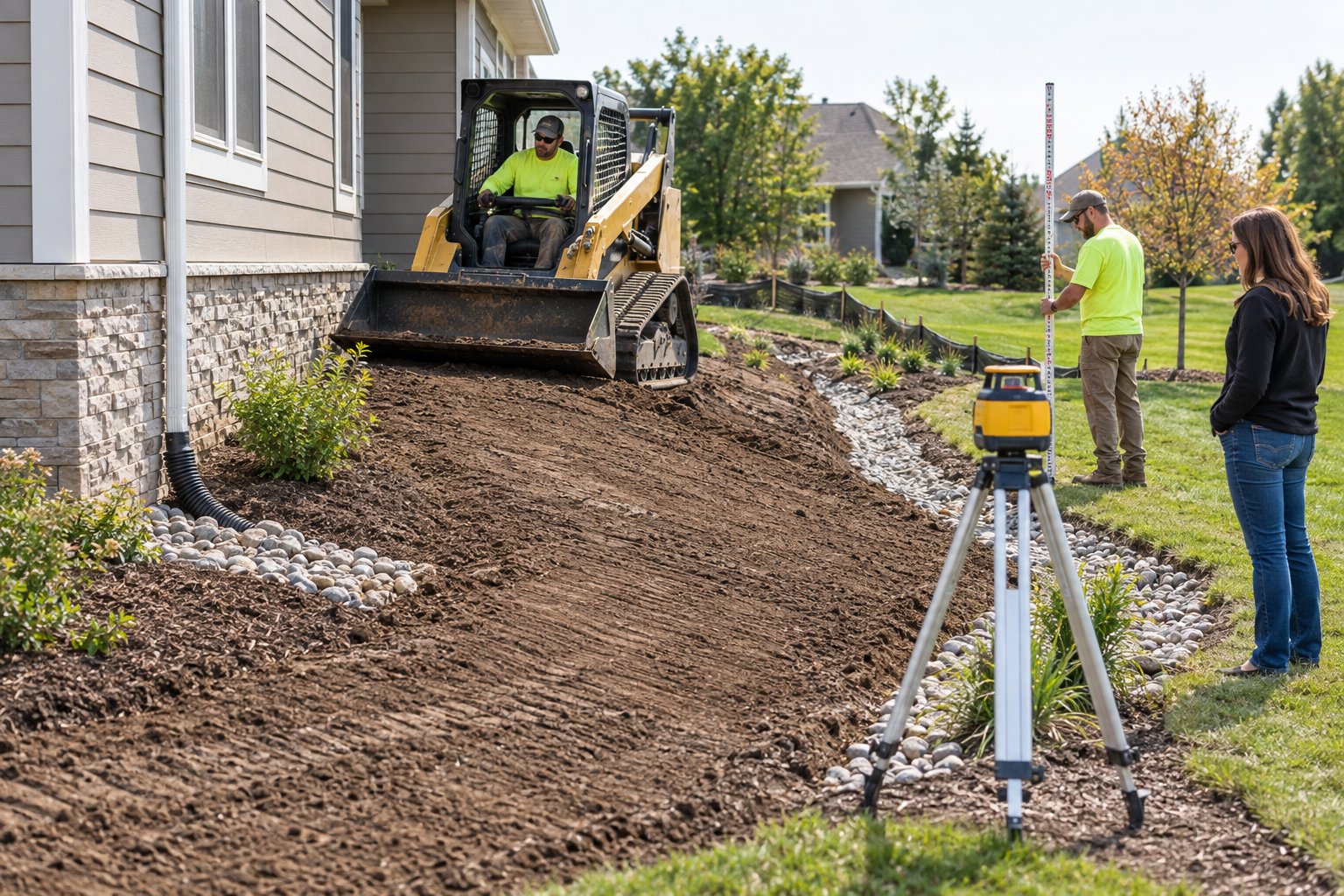
Repeated erosion is one of the clearest signs that a slope needs attention. Water moving downhill can carry soil with it, leaving channels, exposed roots, washed-out mulch, or sediment on patios and driveways. A retaining wall can contribute to yard erosion control by creating a stable change in grade. However, the water source still needs to be addressed. Downspouts, uphill runoff, and poor grading can continue causing problems if they direct too much water toward the wall. This same relationship between moisture and structural stability can affect foundations. Our guide to common causes of foundation damage in Nashville homes explains why soil and water conditions matter around the entire property.
Sign 2: Your Property Has a Steep or Difficult Slope
Not every steep yard needs a retaining wall, but difficult slopes can make parts of the property hard to maintain or use. A properly planned wall may create terraces or flatter areas for lawns, landscaping, walkways, or patios.
However, cutting into a slope changes how soil is supported and how water moves across the property. Wall height, drainage, base preparation, soil conditions, and loads above the wall all need to be considered.
The goal should be to create usable space without creating another drainage or stability problem.
Sign 3: Soil Is Moving Toward a Driveway, Patio, or Foundation
Soil repeatedly collecting on driveways, walkways, or patios can indicate continuing movement farther uphill.
A retaining wall may help separate grades and keep soil away from these surfaces. Problems close to the home deserve additional attention. Soil movement and foundation issues may appear together, but one should not automatically be blamed for the other. If you are also seeing sticking doors, uneven floors, or growing cracks, our guide on when to call a professional for foundation issues explains when a closer structural evaluation may be appropriate.
Sign 4: You Want More Usable Yard Space
A retaining wall can also be part of a planned outdoor improvement. A sloped Nashville backyard may have limited room for a patio, garden, walkway, or seating area. Changing the grade can create a more practical layout.
For example, a wall may support a higher section of the yard while creating a flatter area below for a patio.
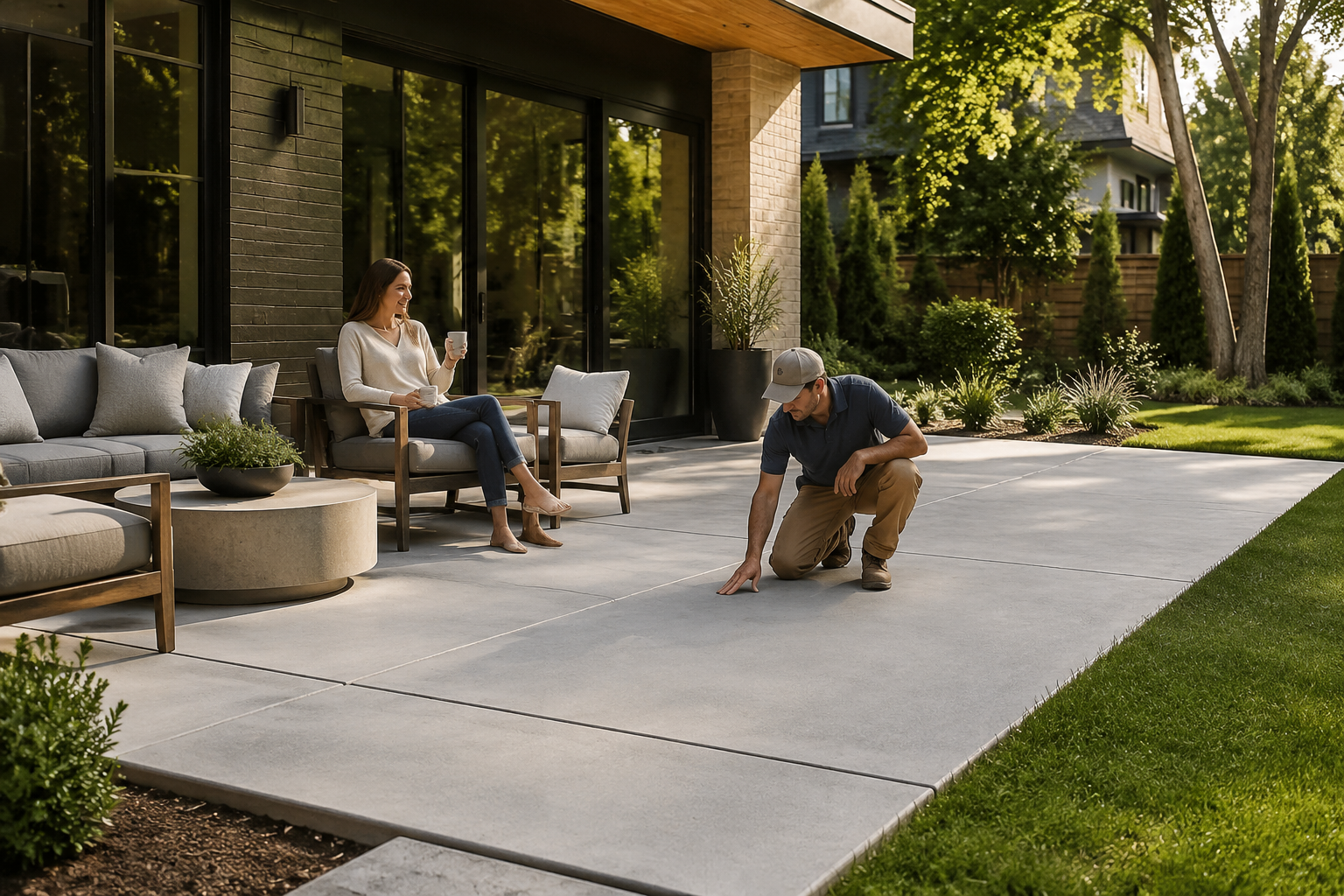
If the wall is part of a larger outdoor project, grades should be planned before hardscape installation begins. Our concrete patio Nashville guide explains why site preparation and layout matter early in the process.
Sign 5: Your Existing Retaining Wall Is Leaning or Cracking
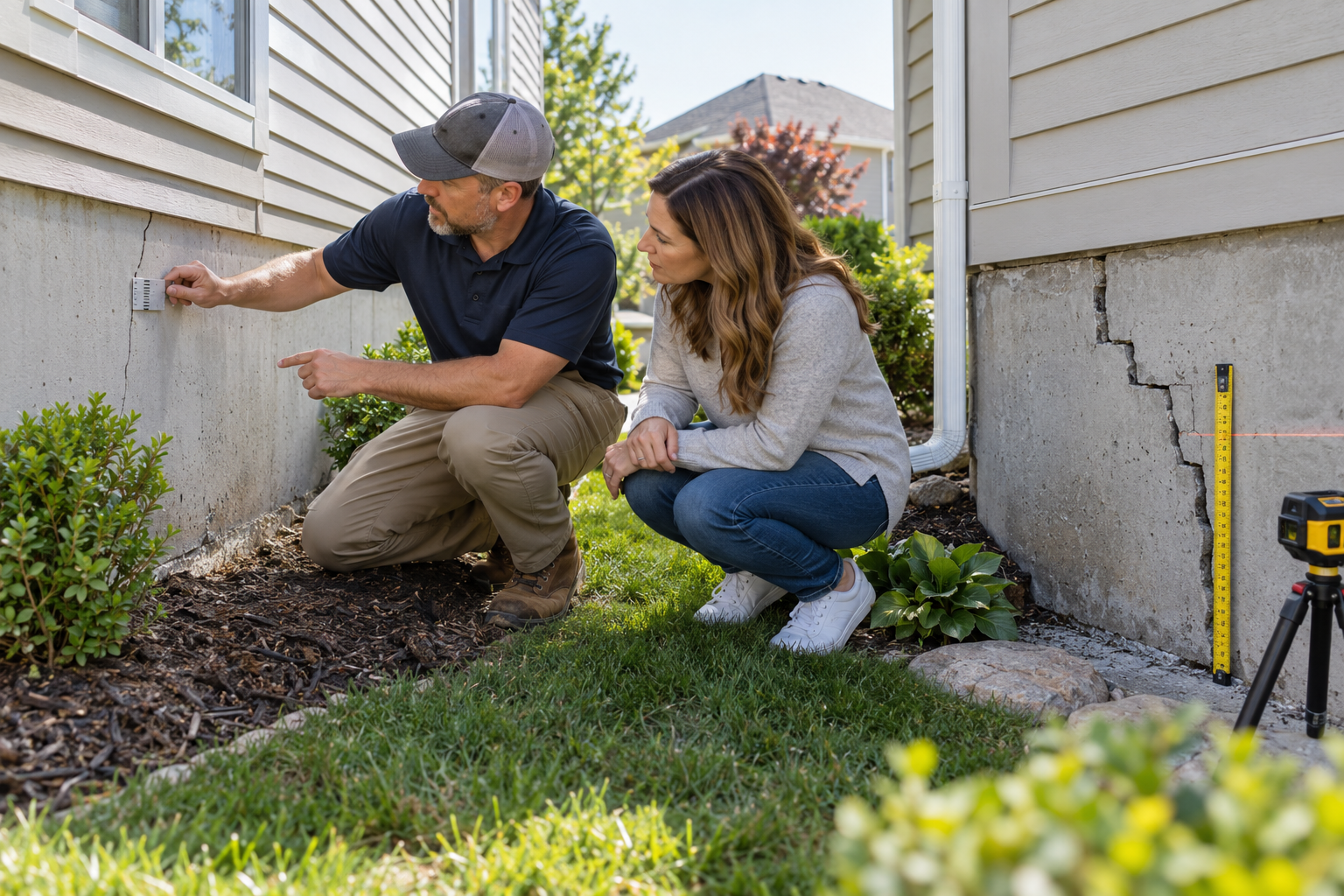
A visibly moving wall deserves attention. Large cracks, bulging, leaning, separated blocks, settlement, or soil spilling through gaps may indicate excessive pressure or structural movement. Water collecting behind the wall is another concern. Poor drainage, weak base preparation, soil movement, or inadequate reinforcement can all contribute to failure. Our guide to retaining walls and their role in property stability explains why the cause of the movement should be identified before deciding how to repair the wall.
What Causes a Retaining Wall to Fail?
Retaining wall failure can come from poor drainage, inadequate base preparation, poor soil compaction, incorrect wall design, excessive loads, erosion, or insufficient reinforcement. Water is especially important because saturated soil can create additional pressure behind the wall. Sometimes a wall also begins having problems after the property changes. A new driveway, patio, structure, or drainage pattern can place different demands on the slope.
Repairs should address the cause rather than only the visible damage.
Why Is Drainage Important Behind a Retaining Wall?
Good retaining wall drainage helps reduce excess water pressure behind the structure.
Depending on the wall and site, drainage may include free-draining aggregate, drainage pipe, filter materials, grading, or outlets. Water entering from uphill must also be considered. A downspout emptying behind the wall can create unnecessary pressure even when the wall includes drainage materials. Drainage should therefore be part of the wall design from the beginning, not an afterthought.
Can a Retaining Wall Help With Drainage Problems?
Sometimes, but a retaining wall is not automatically a drainage solution. If the actual problem is a downspout, poor surface grading, blocked drainage, or concentrated runoff, building a wall alone may not fix it. In some situations, the retaining wall and drainage improvements need to be designed together. The first question should always be where the water is coming from and where it should go.
Can a Retaining Wall Stop Erosion?
Yes, a retaining wall can help reduce erosion when soil is moving down a steep or unsupported grade.
However, runoff still needs to be managed. If water continues flowing aggressively across the slope, erosion may simply shift to another area. Vegetation, grading, drainage, and ground cover may all be part of the final solution.
Does a Retaining Wall Need a Permit in Nashville?
Permit requirements depend on the property and project scope. Metro Nashville's Department of Codes and Building Safety oversees building permits, while drainage, zoning, right-of-way, and other reviews may apply depending on the project. Metro Water Services notes that excavation below finished grade for retaining walls is exempt from its grading-permit requirement, but that does not mean every retaining wall is automatically exempt from all other approvals. Homeowners should confirm project-specific requirements before construction.
How High Can a Retaining Wall Be?
There is no one height rule that applies safely to every project. Height matters, but so do soil type, drainage, slope, reinforcement, nearby structures, and loads above the wall. A shorter wall beside a driveway may require more design consideration than a taller decorative wall with little load behind it. Homeowners should avoid relying on generic online rules and instead verify the requirements for their actual site.
Can You Build a Retaining Wall Yourself?
Small decorative walls may be manageable for experienced homeowners, but larger retaining structures can become complex. Excavation, base preparation, drainage, reinforcement, compaction, utilities, and soil pressure all affect performance. Problems may not appear immediately. A wall can look straight after installation and begin leaning later. This is why homeowners comparing general contractors in nashville tn should ask how a contractor plans to address drainage, soil, grading, and loads instead of focusing only on the wall material.
How Do Nashville Soil and Moisture Conditions Affect Retaining Walls?
Soil moisture affects retaining walls because wet soil can increase pressure and contribute to erosion or movement.
Repeated wet and dry cycles may also affect certain soils over time. Our article on how Nashville soil affects foundations explains why understanding subsurface conditions is important when investigating structural movement. For retaining walls, drainage, excavation, soil, and base preparation should all be considered together.
Should You Repair or Replace an Existing Retaining Wall?
The answer depends on the cause and extent of the damage. Localized problems may sometimes be repairable, while widespread leaning, settlement, poor drainage, or failing base conditions may require more extensive work.
Replacing a few visible blocks will not fix a problem beneath or behind the wall. The cause should be identified before choosing repair or replacement.
How Much Does Retaining Wall Installation Cost?
Cost depends on the site. Length and height matter, but so do materials, excavation, drainage, soil, reinforcement, access, engineering, site preparation, and removal of an existing wall. Two walls of the same size can cost very different amounts depending on property conditions. An on-site evaluation usually provides a more meaningful estimate than a general price per square foot.
What Should You Ask a Contractor Before Building a Retaining Wall?
Ask how drainage will be handled, what base preparation is needed, which wall system fits the site, and whether engineering or permits may be required. You should also understand where water will go after construction and how excavation may affect nearby patios, driveways, foundations, or landscaping. When comparing general contractors, look for someone who can explain why a particular solution is recommended rather than simply quoting a wall height and material.
Why Choose GK Construction Solutions for Retaining Wall Projects?
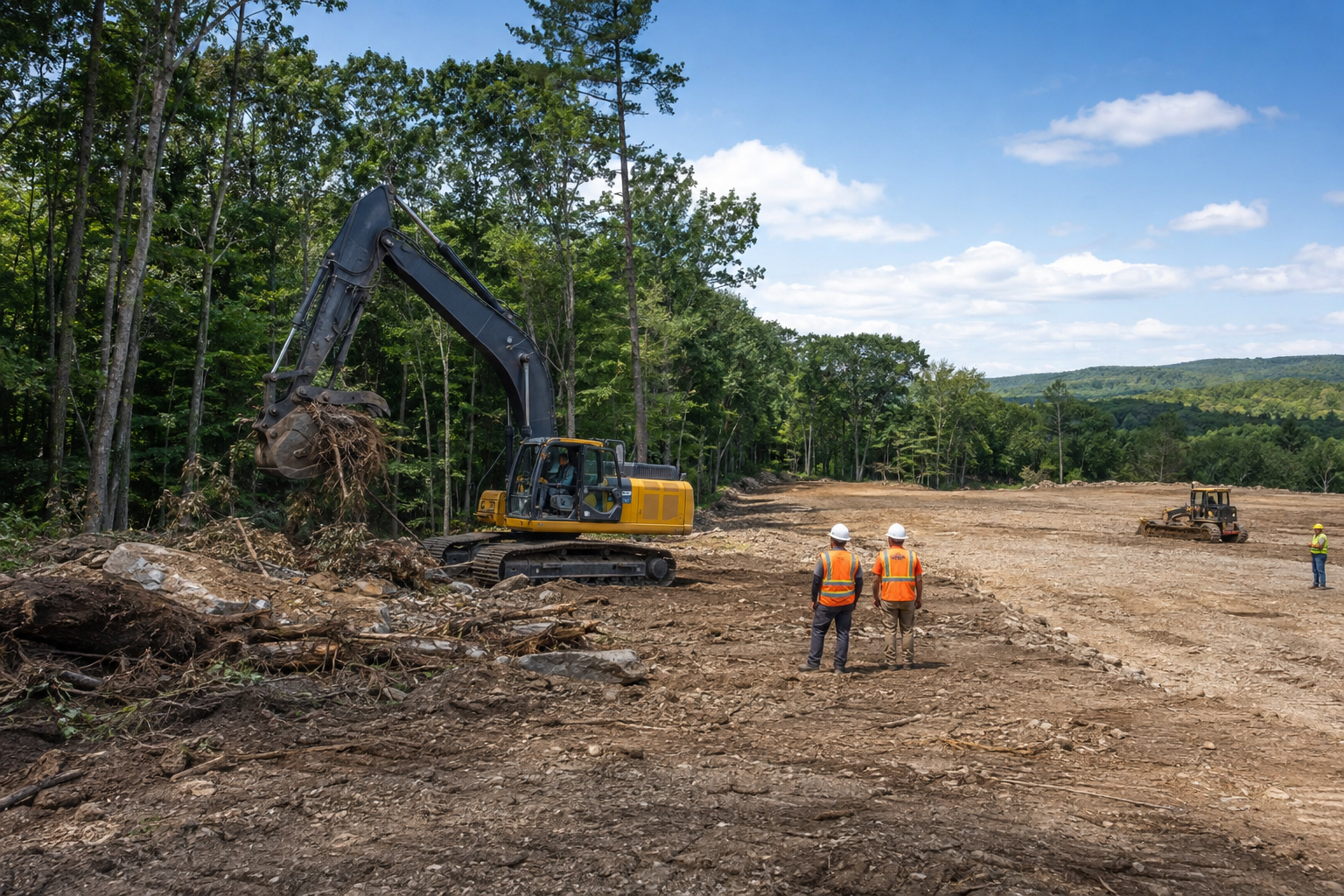
At GK Construction Solutions, we look at retaining walls as part of the entire property. Our work includes concrete construction, excavation, masonry, hardscapes, land clearing, and foundation-related services. That broader experience helps us consider how soil, drainage, grading, concrete surfaces, and nearby structures work together.
If an existing wall is moving, we want to understand why. If a new wall will sit beside a patio or driveway, we consider how those areas interact. We believe homeowners should understand what the wall is expected to accomplish and how drainage and site preparation will support it.
Frequently Asked Questions About Retaining Walls
Do I Need a Retaining Wall for a Slight Slope?
Not necessarily. A slight slope may be manageable through vegetation, grading, drainage, or other erosion-control methods if the soil is stable. A wall becomes more useful when the slope is actively washing away, difficult to maintain, or interfering with a planned patio, walkway, or other improvement.
Can I Put a Retaining Wall Next to My Driveway?
Yes, but the wall should be designed for the soil, drainage, wall height, and loads around the driveway. Vehicle weight and runoff from pavement can place additional demands on the wall, so this location may require more planning than a simple garden wall.
Why Is Water Coming Through My Retaining Wall?
Water usually means moisture is collecting in the soil behind the wall. Some systems allow controlled drainage, but heavy flow, bulging, erosion, or persistent saturation may signal inadequate drainage. Downspouts, irrigation, uphill runoff, or grading should also be checked.
Is a Leaning Retaining Wall Dangerous?
A leaning wall can indicate structural movement and should be evaluated, especially if the lean is increasing. Causes may include poor drainage, settlement, excessive soil pressure, or inadequate reinforcement. The risk depends on the wall's size, location, and what it supports.
Do Retaining Walls Need Weep Holes?
Not always. Some retaining walls use weep holes, while others rely on gravel, drainage pipe, filter materials, or different drainage systems. The goal is to prevent excess water pressure behind the wall, regardless of the method used.
Can Tree Roots Damage a Retaining Wall?
Yes, roots can affect a wall depending on the tree, wall type, distance, and soil conditions. Roots may disturb base material, change drainage, or create pressure. Existing wall movement near large trees should be evaluated before repairs begin.
Final Thoughts
A Retaining Wall can be an effective solution when a Nashville property truly needs soil support. Repeated erosion, difficult slopes, soil moving onto hard surfaces, limited usable yard space, and an older wall that is leaning or bulging are all reasons to look more closely. Drainage is one of the most important factors because a wall must manage both soil pressure and water movement. The right starting point is not choosing a wall color or block style. It is understanding what the slope, soil, and drainage are doing and then choosing the solution that fits the property.
Find Out What Your Property Actually Needs
If erosion, a difficult slope, or an older retaining wall is creating concerns around your Nashville property, reach out to GK Construction Solutions. We can look at the grade, drainage, surrounding structures, and how you want to use the space to help determine whether retaining wall installation or another site solution makes sense.
Follow our social media pages below: