Why Professional Fireplace Masonry Is Worth the Investment
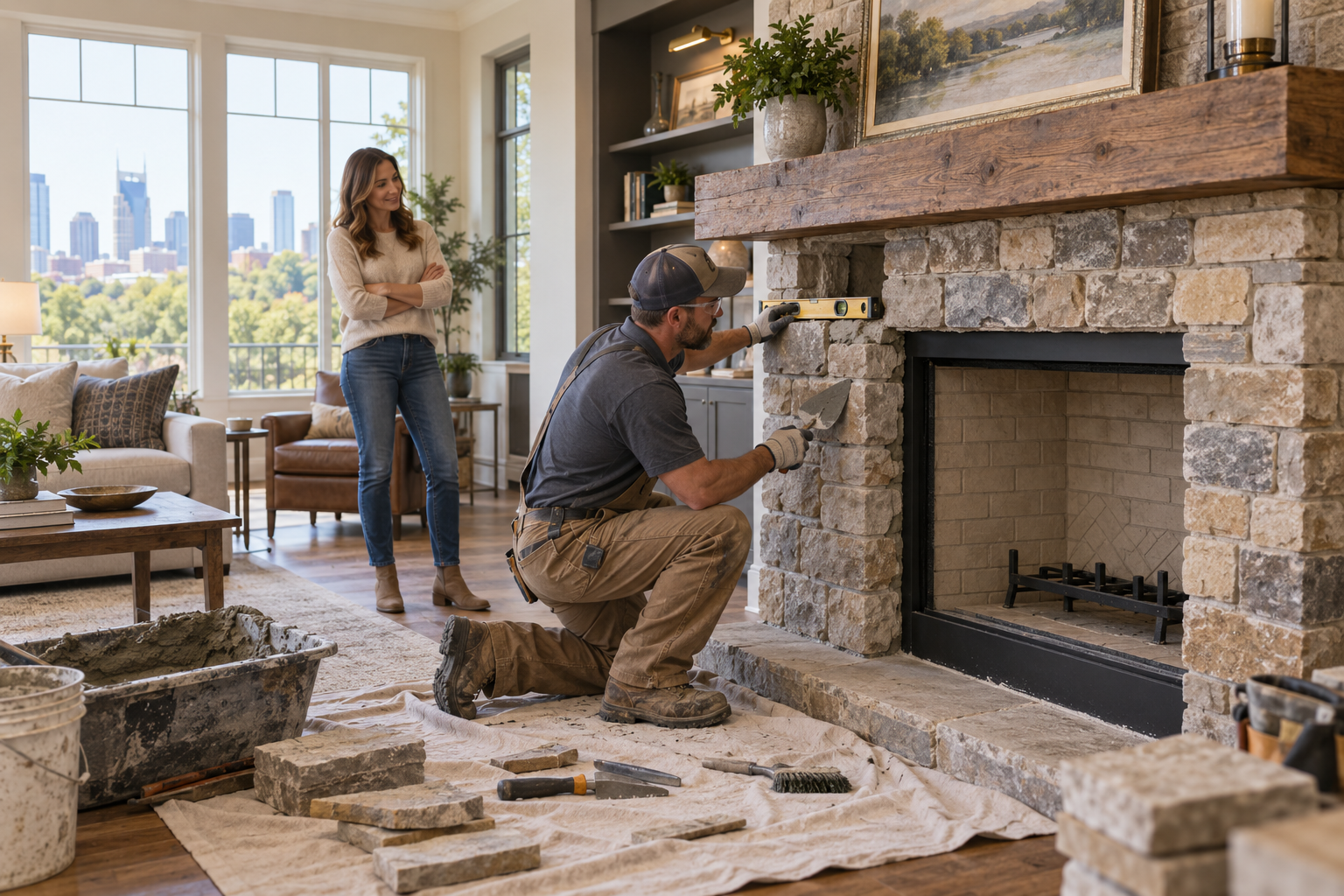
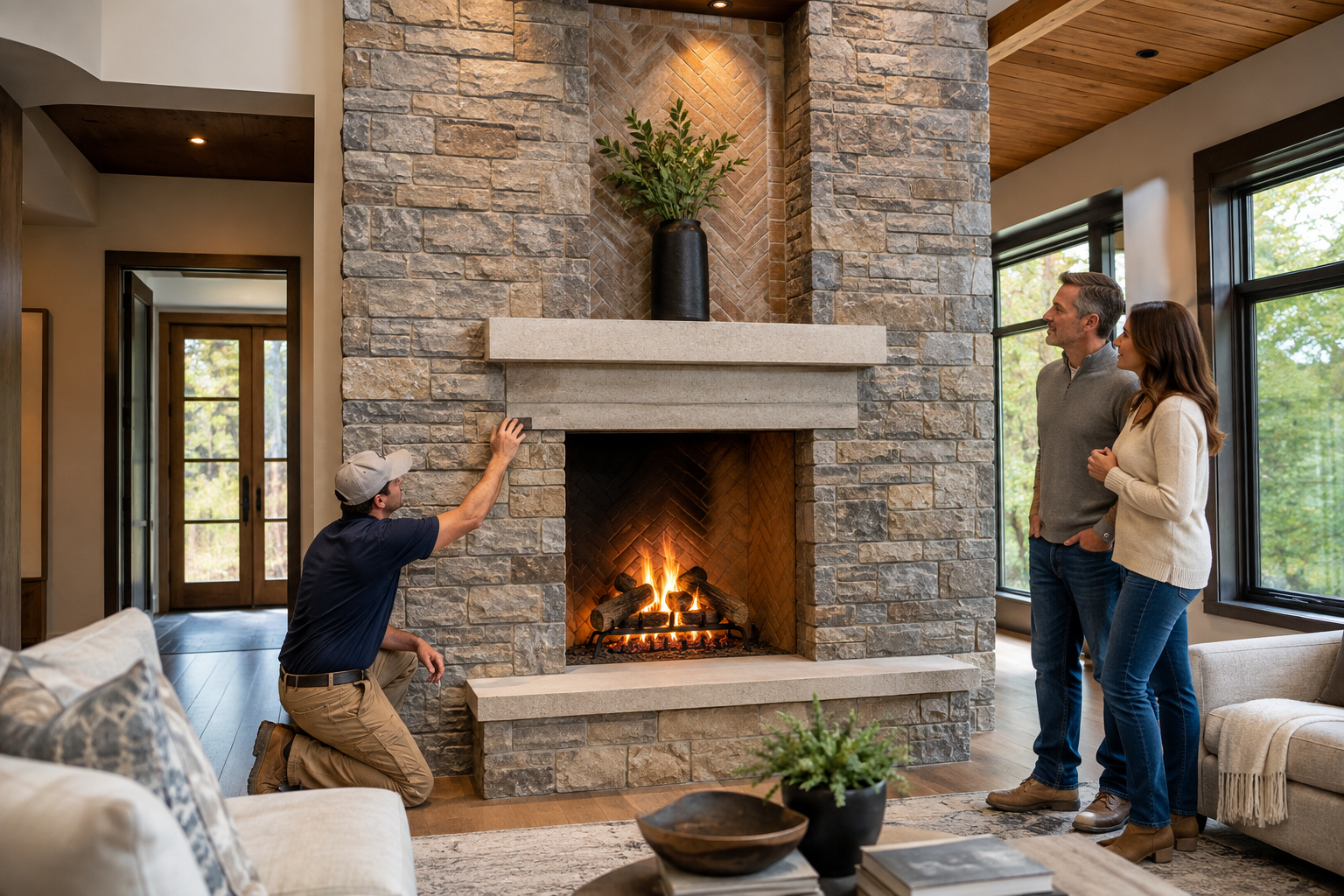
A fireplace may be one of the most attractive features in your home, but what you see from the living room is only part of the story. Brick, stone, mortar, the hearth, firebox, and chimney all have jobs to do. They face repeated heating and cooling, moisture, structural weight, and years of normal use. That makes professional Masonry more than an appearance upgrade. At GK Construction Solutions, we approach fireplace work with the structure as well as the finished look in mind. A well-built Nashville Fireplace should complement the room while using materials and construction methods suited to the conditions around a working fireplace. Professional masonry can also help identify when cracked mortar, loose brick, moisture staining, or chimney deterioration is more than cosmetic.
Why Is Professional Fireplace Masonry Worth the Investment?
Professional fireplace masonry is worth the investment because a fireplace and chimney must handle heat, structural loads, moisture, and repeated expansion and contraction while remaining stable and properly constructed. Unlike ordinary decorative brickwork, certain parts of a fireplace are exposed directly to high temperatures, while exterior chimney masonry faces rain and changing weather conditions. A skilled masonry contractor can evaluate which materials are appropriate for each area, repair deteriorated mortar, replace damaged brick, rebuild unstable sections, and make sure cosmetic work does not simply cover a deeper problem. Proper workmanship can also reduce premature cracking, help control moisture-related deterioration, and create a finished fireplace that fits the surrounding room. Professional masonry does not eliminate the need for regular fireplace and chimney inspections or safe operation. The U.S. Environmental Protection Agency advises homeowners to have wood-burning appliances, chimneys, and vents professionally inspected each year, particularly because chimney cracks and venting problems may allow smoke or heat to reach areas where they should not.
What Is Fireplace Masonry?
Fireplace masonry refers to the brick, stone, mortar, and related masonry components used to build or repair a fireplace and chimney. Depending on the design, that may include the firebox, hearth, surround, chimney structure, and exterior brickwork. These areas do not all perform the same job. The visible surround may be largely decorative, while the firebox is directly exposed to heat. Exterior chimney masonry must also withstand rain and weather.
EPA guidance describes traditional masonry fireplaces as structures generally built on site using brick or stone by a mason. GK Construction Solutions also provides custom Nashville fireplace masonry for homeowners building or remodeling their living spaces.
Why Is Fireplace Masonry Different From Regular Brickwork?
Fireplace masonry faces conditions that many ordinary brick walls do not. Inside the firebox, materials repeatedly heat up and cool down. Different materials expand and contract at different rates, which can place stress on mortar joints and masonry units. The chimney also has a structural role while helping vent combustion gases out of the building. Exterior sections are exposed to weather at the same time. Because of those demands, the materials and repair method need to match the location. A mortar that is suitable for decorative exterior brickwork is not automatically appropriate for every heat-exposed area inside a fireplace.
What Are the Signs Fireplace Masonry Needs Repair?
Common warning signs include cracked or missing mortar, loose bricks, spalling brick surfaces, gaps between masonry units, water staining, white mineral deposits, and sections of masonry that appear to be leaning or separating. Inside the fireplace, damaged joints or cracked firebox masonry may also deserve evaluation.
Not every small crack means the fireplace is structurally unsafe. What matters is where the damage is located, whether it is growing, and whether other symptoms are appearing. Pieces of mortar falling out, loose bricks, or repeated repairs that fail are stronger reasons to investigate the underlying condition.
Are Cracks in Fireplace Masonry Dangerous?
Some cracks are cosmetic, but cracks in structural or heat-exposed areas should not automatically be ignored. Their significance depends on location, size, movement, and what is happening around them. A small surface crack in decorative masonry is very different from loose firebox brick, widening chimney cracks, or masonry that has shifted out of alignment. EPA guidance notes that chimney cracks can allow smoke into a home or expose chimney components to temperatures that could contribute to a fire hazard. If cracking is growing or appears alongside loose masonry, water damage, or smoke problems, professional evaluation is the safer approach.
Why Does Heat Cause Fireplace Masonry to Crack?
Heat causes materials to expand, and cooling causes them to contract. A fireplace repeats this cycle every time it is used. Over years, those temperature changes can stress brick and mortar, especially if materials are not suited to the location or if joints are already deteriorated. The firebox experiences the strongest direct heat exposure. That is one reason professional repair matters. The goal is not just to make a crack disappear visually. The repair material also needs to suit the conditions where it will be used.
Why Is the Firebox Important?
The firebox is the part of the fireplace where the fire actually burns. Because it is exposed directly to intense heat, it requires materials appropriate for that environment. Cracks, missing joints, or loose masonry inside the firebox should be evaluated differently from a cosmetic issue on an exterior surround. Homeowners considering repairs to a Nashville Fireplace should make sure the contractor understands whether the work involves decorative masonry, heat-exposed masonry, or both. Using the correct material in the correct location is an important part of a lasting repair.
What Is the Difference Between Repointing and Rebuilding Fireplace Masonry?
Repointing replaces deteriorated mortar between masonry units while leaving sound brick or stone in place. Rebuilding is more extensive. It involves removing damaged or unstable masonry and reconstructing part or all of the affected section. Repointing may work when the bricks remain solid, but mortar joints have deteriorated. Rebuilding may be more appropriate when bricks are severely damaged, masonry has shifted, or the underlying structure is no longer stable. A good contractor should explain why one repair is being recommended rather than automatically choosing the more extensive option.
How Does Moisture Damage Chimney Masonry?
Moisture is one of the most common challenges for exterior masonry. Rain can enter open mortar joints or damaged brick surfaces. As moisture moves through masonry, it may contribute to staining, mortar deterioration, spalling, and other damage. White deposits on masonry, commonly called efflorescence, may indicate that moisture has moved through the material and left mineral salts behind as it evaporated. Cleaning the stain alone does not necessarily solve the source of moisture. The chimney cap, flashing, mortar joints, brick condition, and surrounding construction may all need to be considered.
Can You Repair Fireplace Masonry Yourself?
Minor cosmetic work may look manageable, but fireplace and chimney repairs can involve conditions that are difficult to judge from appearance alone. Professional evaluation is more appropriate when bricks are loose, the firebox is significantly cracked, masonry is shifting, water is entering the chimney, or smoke is appearing where it should not. The U.S. Consumer Product Safety Commission recommends having home heating systems, including chimneys and vents, inspected and serviced annually by a trained service technician. It also recommends opening the fireplace damper before lighting a fire and keeping it open until the ashes are cool.
Does Fireplace Masonry Affect Home Safety?
Yes, damaged masonry can affect fireplace safety depending on where the problem is located. Loose or unstable chimney masonry can become a structural concern. Cracks in venting areas may allow smoke or heat to move where they should not. Safe fireplace use also involves proper venting. The CPSC recommends carbon monoxide alarms on every level of the home and outside sleeping areas because carbon monoxide is colorless and odorless.
Professional masonry is only one part of fireplace safety. Routine chimney inspection, proper burning practices, and working smoke and carbon monoxide alarms remain important.
Do Fireplace Repairs Need a Permit in Nashville?
It depends on the scope of the work. Metro Nashville's residential permit guidance states that installing fireplaces requires a building permit. It also specifically lists new or enlarged brick fireplaces, new chimney flues or liners, and chimney repairs involving more than 25 percent of the chimney as permit-required work. Minor chimney repairs may fall within normal maintenance and may not require the same permit. Metro Nashville currently uses the 2024 International Residential Code and other 2024 model codes with local amendments for applicable work. Because repair scopes vary, homeowners should confirm permit requirements with Metro Codes before significant rebuilding or alteration.
Is Brick or Stone Better for a Fireplace?
Neither material is automatically better. Brick can provide a traditional appearance and is commonly used for both fireplaces and chimneys. Stone can create a more natural or custom look. The better choice depends on the fireplace design, structural requirements, location, heat exposure, surrounding finishes, and budget. Material selection should also distinguish between decorative surfaces and parts of the fireplace exposed directly to heat. Appearance matters, but suitability for the intended location comes first.
Should You Repair Fireplace Masonry Before Remodeling the Room?
Usually, yes, if the fireplace is staying as part of the finished room. Repairing structural or moisture problems first helps avoid installing new flooring, paint, built-ins, or other finishes around unresolved masonry damage.
For example, if moisture is entering through the chimney, repainting the room will not solve the underlying problem. Similarly, a new mantel will not correct loose brick or deteriorated mortar. Completing the necessary masonry work first gives the rest of the renovation a more dependable starting point.
How Much Does Fireplace Masonry Repair Cost?
Fireplace masonry costs vary widely because a small repointing repair is very different from rebuilding part of a chimney. Cost factors can include the number of damaged bricks, chimney height, access, scaffolding, firebox condition, mortar deterioration, water damage, material matching, and whether structural rebuilding is required. The best estimate comes after the contractor has seen the actual condition. A low price for patching mortar may not be meaningful if the bricks themselves are loose or moisture continues entering behind the repair.
What Should You Ask a Masonry Contractor Before Fireplace Work?
Ask whether the contractor has experience specifically with fireplaces and chimneys, not just decorative masonry. You should understand whether the repair is cosmetic or structural, which materials will be used, what areas are included, and whether moisture problems are being addressed. Permit responsibility should also be clear if the work is extensive enough to require Metro approval. Finally, ask what happens if additional deterioration becomes visible once damaged mortar or masonry is removed. A clear scope before construction begins can prevent confusion later.
Why Choose GK Construction Solutions for Fireplace Masonry?
At GK Construction Solutions, we provide masonry and broader construction services, allowing us to look beyond the surface appearance of fireplace brickwork. Our Nashville Fireplace work includes custom brick fireplace construction as part of residential building and remodeling projects. We consider the firebox, chimney, surrounding masonry, and finished appearance as connected parts of the overall structure. That broader construction perspective matters when cracking may involve structural movement or when masonry work connects with other parts of a renovation. We also believe homeowners should understand what is being repaired and why. Whether the project involves new fireplace masonry, deteriorated mortar, damaged brick, or a larger rebuild, our goal is to create a clear scope before work begins.
Frequently Asked Questions About Fireplace Masonry
Can Cracked Fireplace Mortar Be Repaired?
Yes, cracked fireplace mortar can often be repaired when the surrounding brick or stone is still sound. The repair method depends on where the damaged mortar is located. Decorative joints and areas directly exposed to fire may require different materials and techniques. If the mortar continues cracking after previous repairs, the contractor should determine whether heat movement, moisture, or structural shifting is contributing to the problem instead of simply filling the joint again.
Why Are Bricks Falling Apart on My Chimney?
Bricks can deteriorate because of long-term moisture exposure, weathering, unsuitable materials, or repeated expansion and contraction. When the face of the brick begins flaking or breaking away, the problem is often described as spalling. Replacing badly damaged bricks may be necessary, but the source of moisture should also be investigated. Otherwise, new masonry may eventually experience the same problem.
Can You Replace Individual Fireplace Bricks?
Yes, individual bricks can sometimes be replaced when the surrounding masonry remains stable. This approach may make sense when damage is localized rather than widespread. Material matching is important when the repaired brick will remain visible. If several bricks are loose, the wall is moving, or mortar is deteriorated across a large area, a broader repair may be more appropriate than replacing isolated units.
Is Fireplace Repointing the Same as Tuckpointing?
Not exactly. Repointing generally means removing deteriorated mortar and replacing it with new mortar to restore the joints. Tuckpointing can refer to a more decorative technique used to create the appearance of narrow, precise mortar lines. In everyday conversation, the terms are sometimes used interchangeably. For fireplace repair, the more important question is whether the existing masonry and joints are sound and whether the replacement mortar suits the location.
Should I Repair a Fireplace Before Using It?
If the fireplace has loose masonry, significant firebox cracks, missing mortar, chimney movement, or smoke escaping into the home, it should be evaluated before regular use. EPA guidance recommends professional annual inspection of wood-burning appliances, chimneys, and vents. Small cosmetic imperfections may not prevent safe operation, but significant damage should not be judged only by appearance.
Can Water Damage a Fireplace Even if I Rarely Use It?
Yes. Exterior chimney masonry remains exposed to rain and weather whether the fireplace is used every night or never used at all. Water can enter deteriorated mortar joints or damaged masonry and contribute to staining, spalling, and further deterioration. A fireplace that is rarely used may therefore still need chimney maintenance and inspection. Lack of use does not protect exterior masonry from moisture.
Final Thoughts
Professional Masonry is worth considering because a fireplace is more than a decorative collection of bricks. It has to handle heat, structural loads, moisture, venting, and changing temperatures while remaining part of the home's finished design. Cracked mortar, loose brick, water staining, or deteriorated chimney masonry should be evaluated based on the cause and location of the damage rather than simply covered with a cosmetic repair. Professional work can help determine whether repointing is enough or whether damaged sections need rebuilding. Regular fireplace and chimney inspection remains important as well, particularly for wood-burning systems. A well-planned Nashville Fireplace should look good, but the masonry behind that appearance also needs to perform properly.
Have the Masonry Checked Before Small Damage Becomes a Bigger Repair
If your fireplace has cracked mortar, loose bricks, water staining, or masonry that is beginning to deteriorate, schedule an evaluation with GK Construction Solutions. We can look at the visible damage, surrounding masonry, moisture conditions, and overall construction so you can better understand what type of repair may be appropriate.
Follow our social media pages below: