How much does a dump truck hold? It depends on the truck and on what you’re putting in it. A typical tandem-axle dump truck holds roughly 10 to 16 cubic yards, but heavy material like stone, wet clay, or broken concrete can hit the truck’s legal weight limit long before the bed is full.
That’s why I don’t like estimating loads by looking at a pile and guessing.
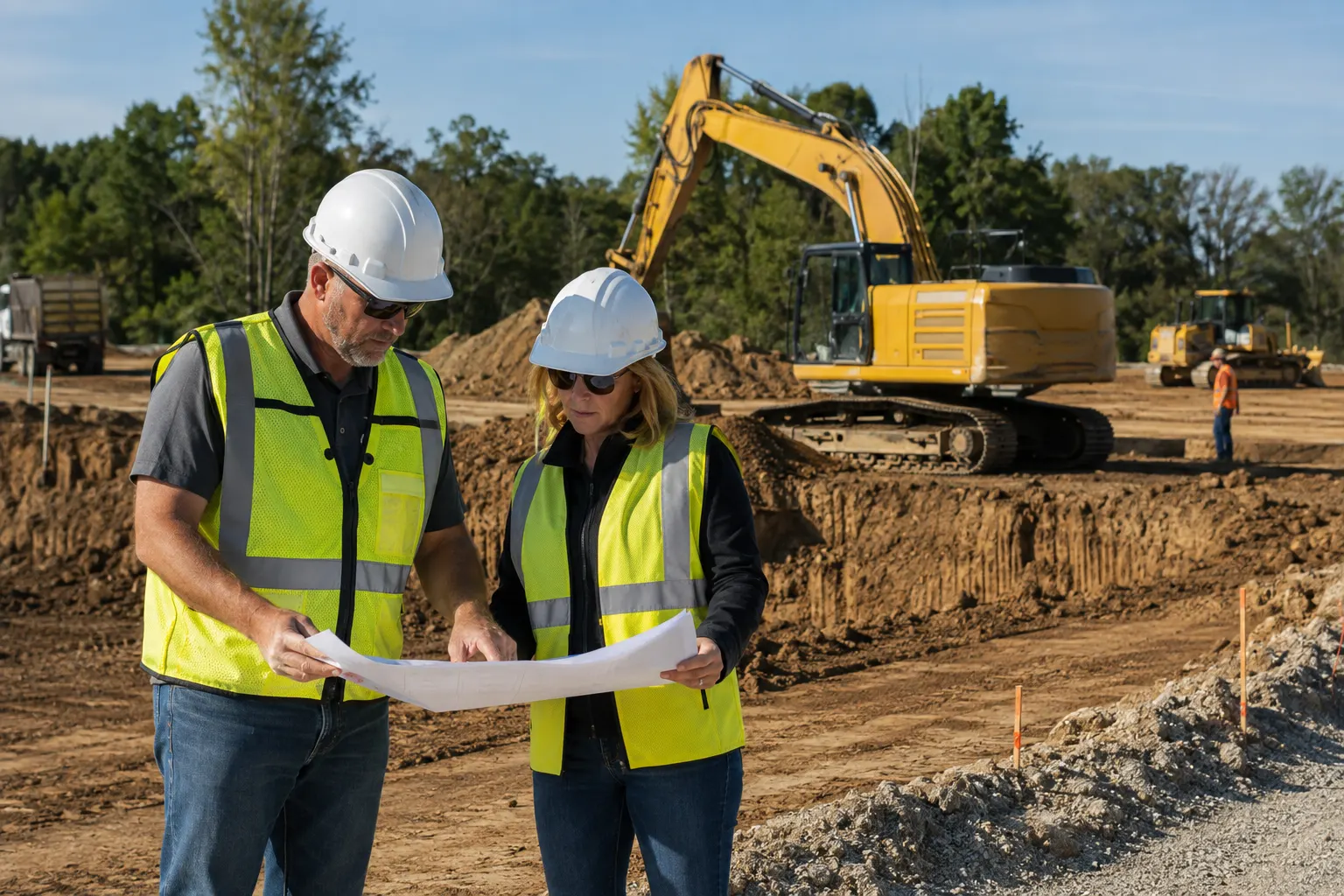
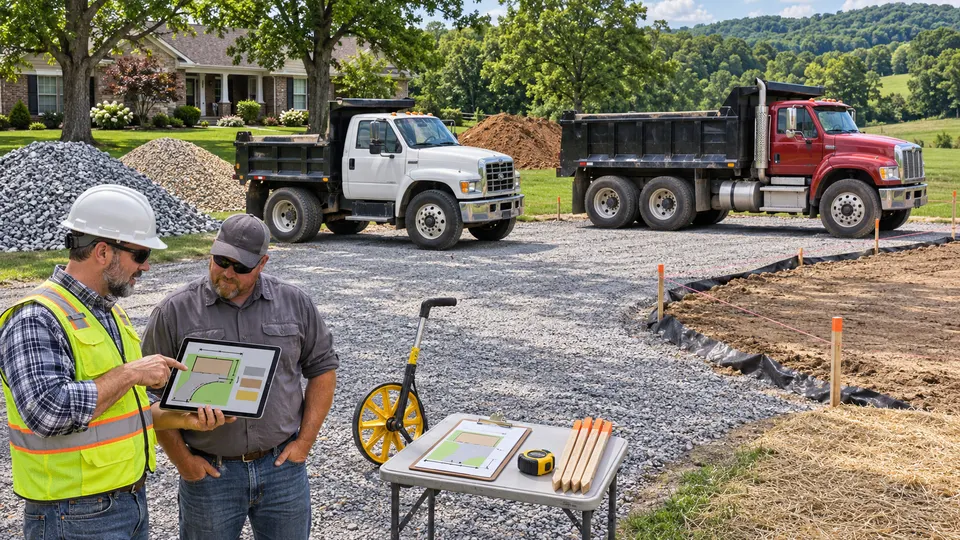
Before we decide how many loads a job needs at GK Construction Solutions , we look at the material, how much of it you need, how far it has to travel, and whether the truck can safely reach the spot where it’ll be dumped.
How Much Does Each Dump Truck Size Hold?
The right truck depends on both volume and weight. Two materials that take up the same number of cubic yards can weigh very different amounts.
Here are typical ranges for common dump truck sizes:
- Single-axle: about 5 to 8 cubic yards, with a typical legal load of 6 to 8 tons.
- Tandem-axle: about 10 to 16 cubic yards, with a typical legal load of 13 to 15 tons.
- Tri-axle: about 16 to 18 cubic yards, with a typical legal load of 18 to 20 tons.
These are general ranges, not guarantees. Bed sizes, truck weights, and legal limits vary from one truck to the next, so we’ll tell you the exact truck and load size for your job when we quote it.
That’s because “how much does a dump truck hold” is really two questions. How much space is in the bed? And how much weight can that truck legally and safely carry? For light material, space is usually the limit. For dense stone, wet dirt or demolition debris, weight usually runs out first.
How Do You Work Out How Much Material You Need?
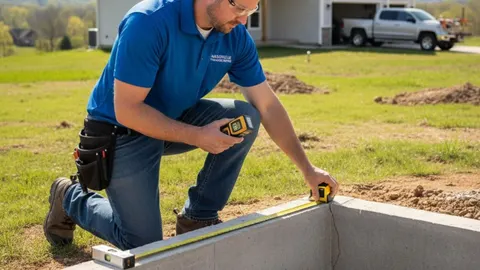
For a rectangular area, the math is simple:
Length × width × depth (all in feet) ÷ 27 = cubic yards
The 27 comes from the fact that one cubic yard holds 27 cubic feet.
Say you’re putting gravel on an area 40 feet long and 12 feet wide, at a finished depth of 4 inches:
- Convert the depth to feet: 4 inches ÷ 12 = 0.333 feet
- Multiply: 40 × 12 × 0.333 = about 160 cubic feet
- Divide by 27: 160 ÷ 27 = about 5.9 cubic yards
So the finished area needs roughly 6 cubic yards, before you allow for compaction, waste, or uneven ground.
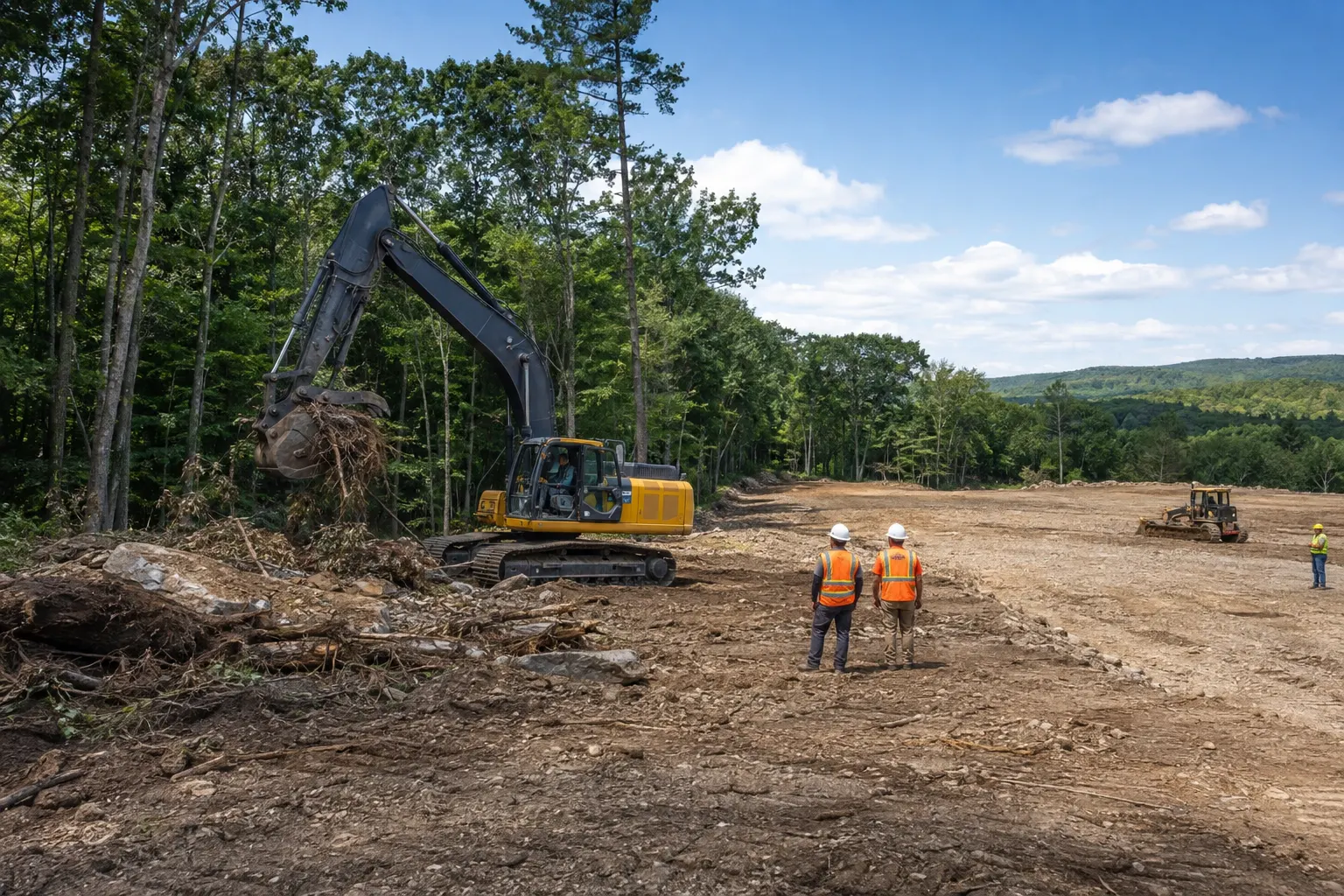
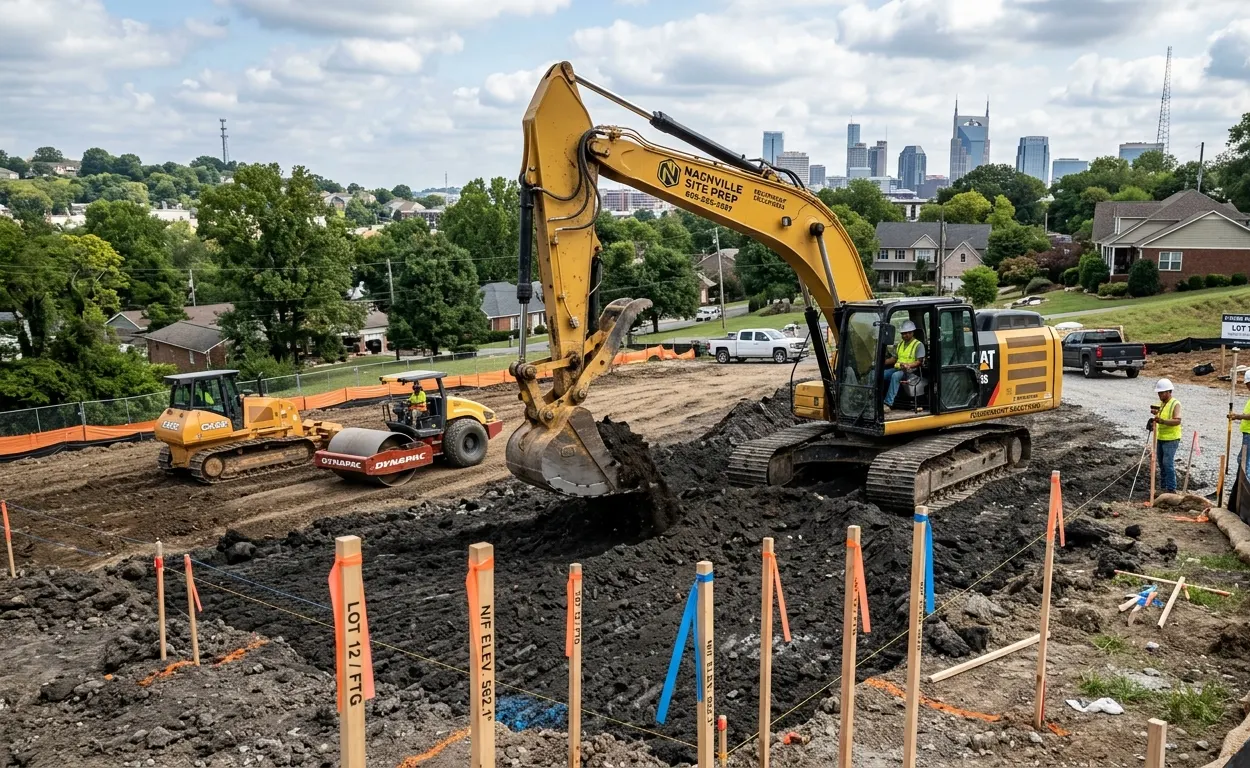
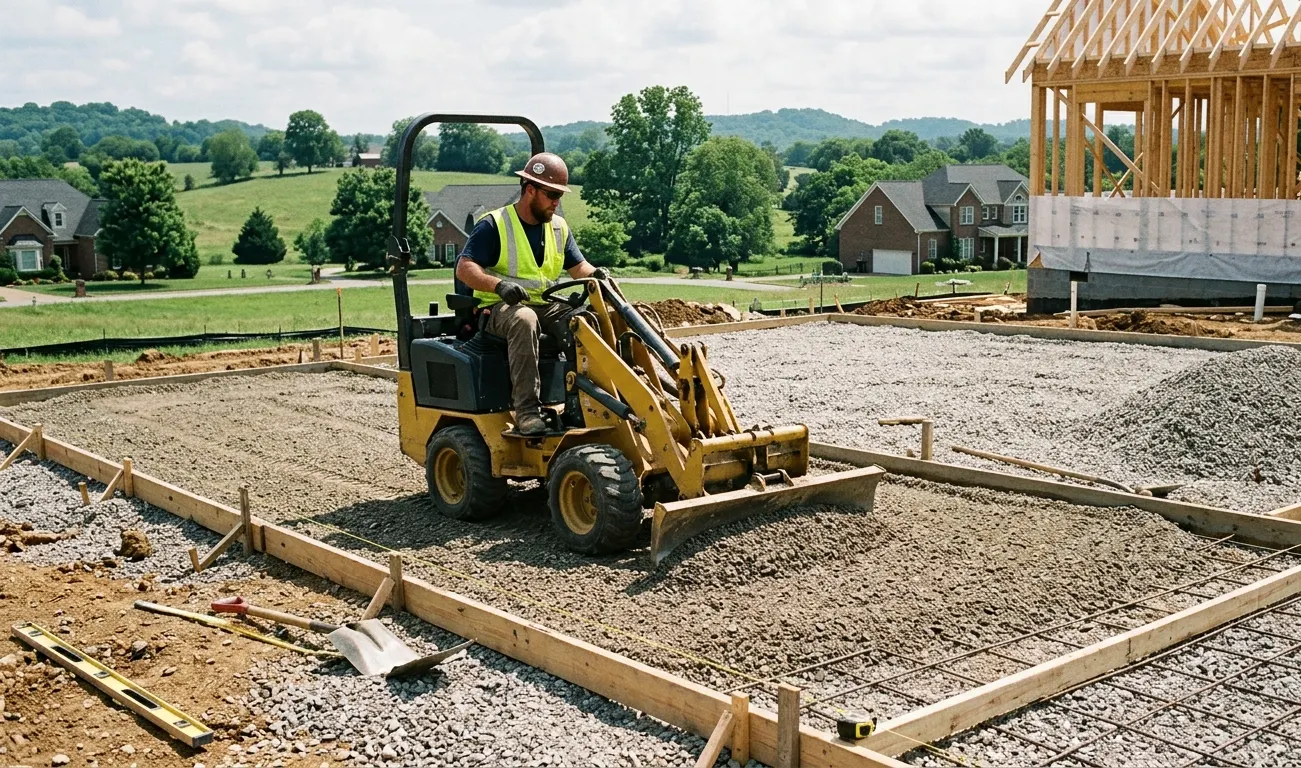
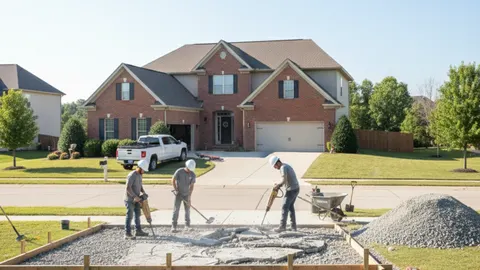
That number is a starting point. It doesn’t tell you how many truckloads to order, because the material itself still matters. If you’re preparing a site for construction, the amount coming out and going in can also change once digging starts. Land clearing before construction often turns up poor soil, roots, buried debris, or grade changes that weren’t obvious beforehand.
Why Does Weight Matter as Much as Volume?
A truck bed can look half empty and still be near its legal limit when the material is heavy.
Stone and wet soil are good examples. Dry, loose topsoil is lighter than wet clay. Crushed stone is far denser than mulch. Broken concrete and demolition rubble get heavy fast. Moisture changes the math too. A pile of dirt after a dry week weighs noticeably less than the same pile after a heavy rain, which is why hauling wet excavation material often takes more loads than someone expected when they only counted cubic yards.
When we plan hauling and deliveries, we need to know what the material is, not just how big the pile looks. And don’t assume a truck can always be filled to the top. Axle weight and payload limits still apply even when there’s empty space in the bed.
How Much Extra Material Should You Order?
For most gravel and fill jobs, ordering exactly the calculated amount will leave you short.
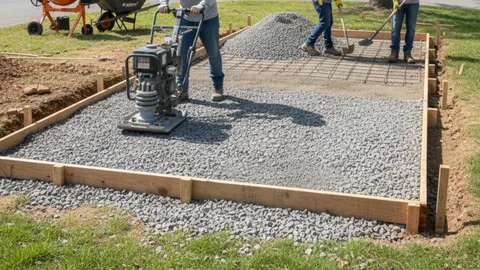
Material settles and compacts. A gravel base that has to finish at a certain depth takes more loose material than the finished dimensions suggest. Add in variations in dig depth, uneven subgrade, spillage, grading adjustments, and material left behind in the truck or staging area, and the shortfall adds up.
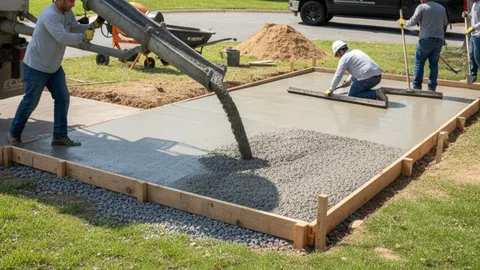
A common rule of thumb is to add about 10 to 15 percent for gravel and compacted fill. Topsoil and loose fill behave differently, so there’s no single percentage that fits everything. For site work and concrete prep, we calculate the finished section first and then adjust for the specific material going in.
Ordering a little extra is usually cheaper than paying for a separate trip to cover a small shortage. But over-ordering by several yards creates its own problem, because you then have to store the extra somewhere or pay to haul it away.
What’s Different About Hauling Material Away?
Haul-away work starts with what’s coming out of the site, not what’s going in.
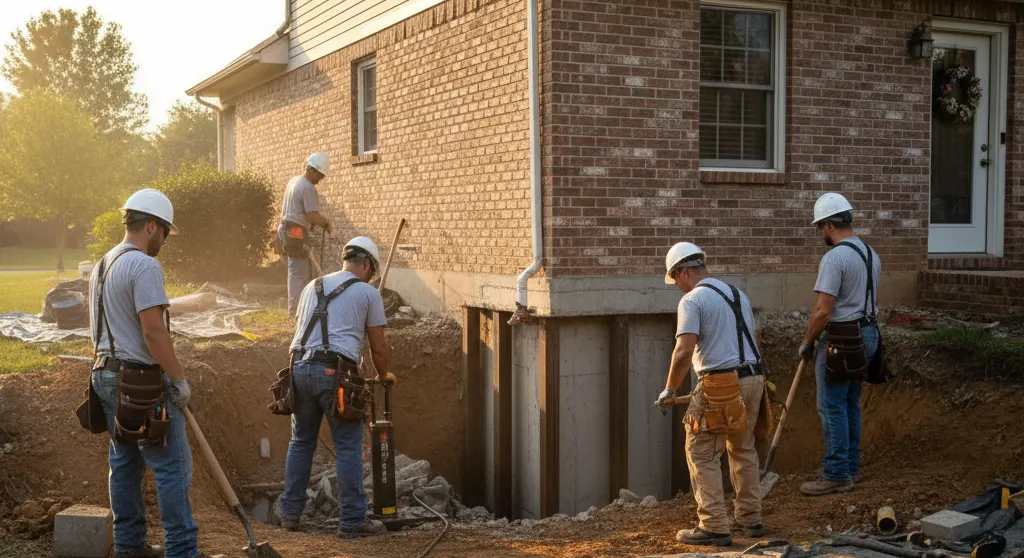
Excavation can produce dirt, clay, rock, roots, broken concrete, asphalt, demolition debris, or a mix of all of them, and the volume grows once it’s dug up. Soil packed tightly in the ground loosens when it’s excavated, so the pile takes up more truck space than the hole suggests. Demolition works the same way. A concrete slab looks compact in place, but broken up, it turns into irregular chunks with a lot of empty space between them.
We also need to know where each material can legally go. The U.S. Environmental Protection Agency notes that construction and demolition materials like concrete and asphalt can often be recycled, with concrete crushed into aggregate and asphalt reused in new paving. That means clean loads and mixed construction debris are often handled differently. We haul soil, rock, construction debris, demolition rubble, and storm debris, but where a load can go always depends on what’s in it, so tell us up front exactly what you need removed.
How Do Delivery and Haul-Away Loads Differ?
Delivery is usually easier to plan, because we know what’s being loaded and can order a set amount. Haul-away is less predictable. You might estimate “about two loads” of dirt, but wet clay under the visible pile or buried concrete mixed into it can change that quickly. Photos and measurements help, but for bigger jobs, an on-site look is better. On excavation jobs, we coordinate hauling as part of the work, so separate crews aren’t waiting on each other. The goal is to keep material moving, so the site doesn’t fill up with dirt piles or sit idle waiting for trucks.
What Should You Have Ready on Delivery Day?
The truck needs a safe way in and a safe place to dump. Before delivery, check:
- Access width: gates, driveways and entrances need to be wide enough for the truck.
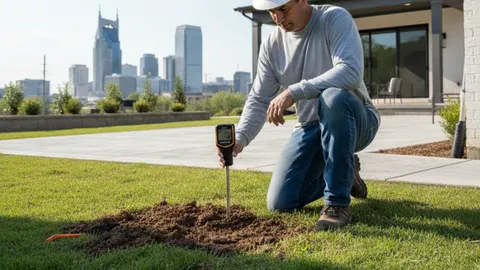
- Ground firmness: a loaded truck can sink into soft yards, wet clay or freshly disturbed soil.
- Overhead clearance: look for power lines, tree limbs and roof overhangs.
- Dump location: decide exactly where you want the material before the truck arrives.
- Turning room: the driver needs space to pull in, position, dump and leave safely.
- Slope: a dump truck shouldn’t raise its bed on steep or very uneven ground.
- People and vehicles: keep the dump area clear.
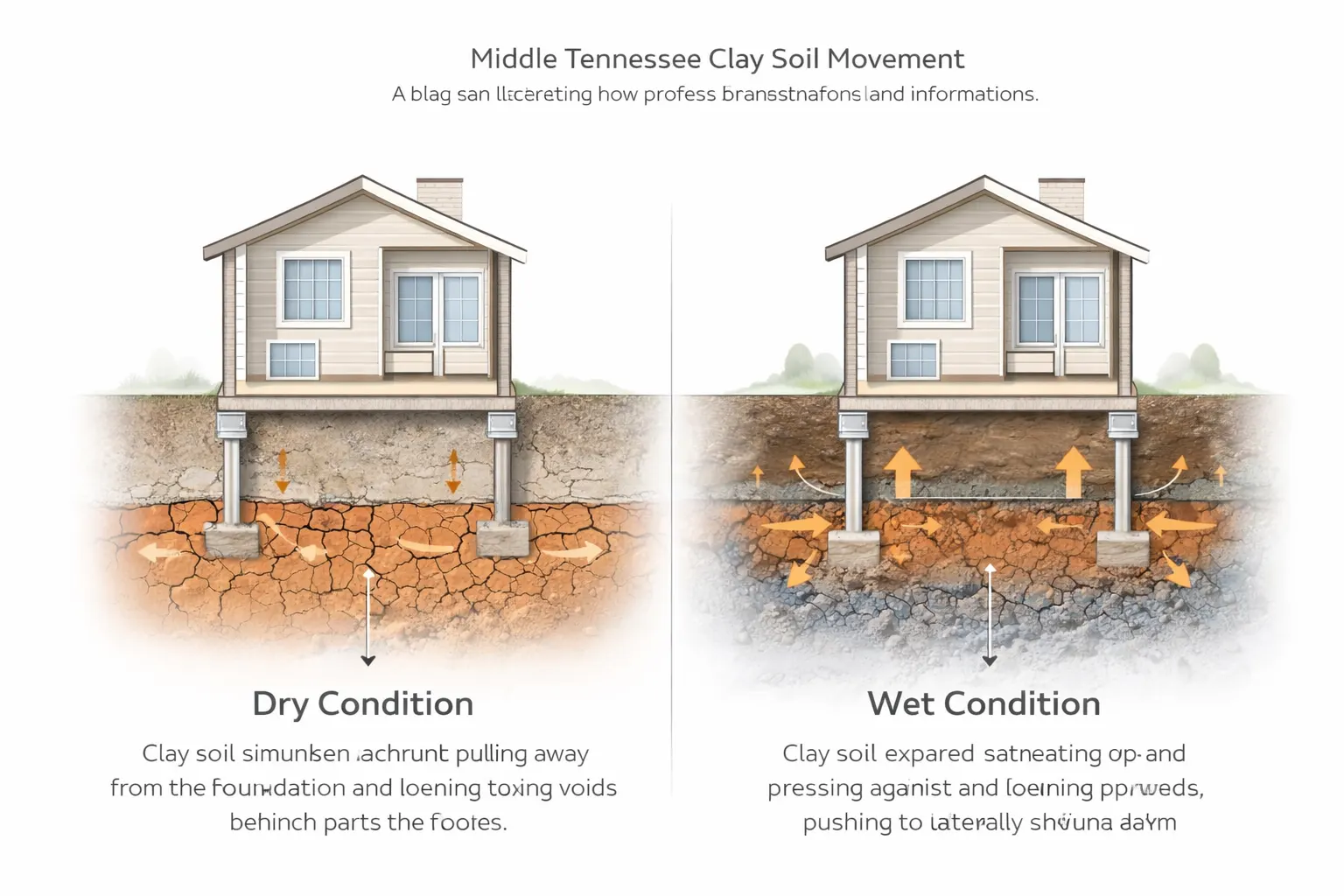
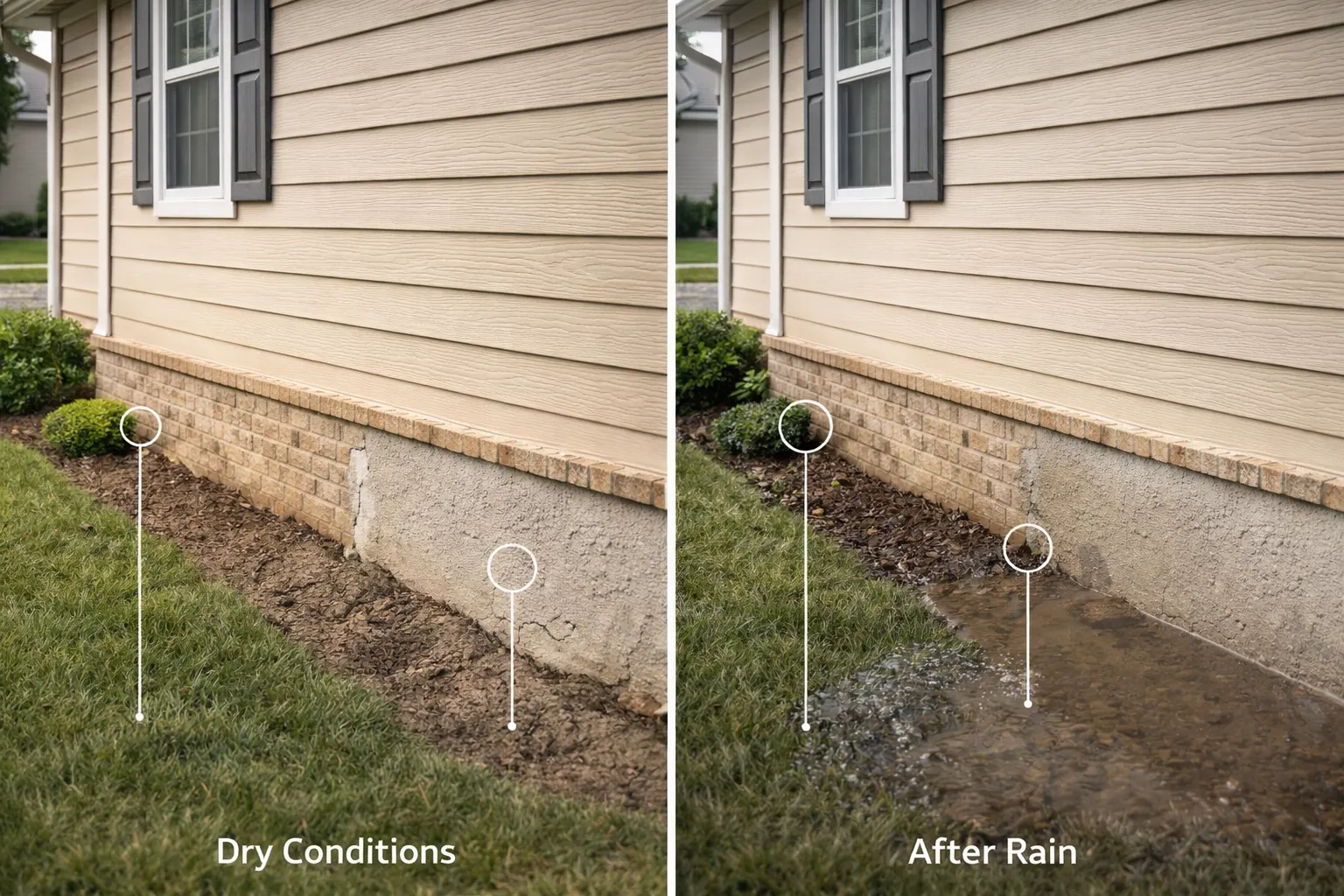
Overhead clearance deserves extra attention, because the bed rises high when it dumps. A spot that looks clear with the bed down may not be safe once it starts lifting. Wet weather matters too. Middle Tennessee clay gets very soft after rain, and a loaded dump truck puts a lot of weight on a small area. If the ground won’t safely hold the truck, we’ll pick another dump spot.
How Many Loads Do You Actually Need?
Start with the cubic yards you need, then compare that number with both the bed capacity and the legal weight limit of the truck hauling your specific material. Say your project needs 18 cubic yards of crushed stone. It’s tempting to divide 18 by a tandem truck’s bed size and call it two loads. But crushed stone weighs roughly 1.4 tons per cubic yard, so 18 yards comes to about 25 tons. If the truck’s legal limit is around 14 tons, that’s two loads by weight even though the yards might fit, and a slightly bigger order could push it to three. Wet clay works the same way on the haul-away side.
That’s why the question of how much a dump truck holds can’t be answered accurately without knowing both the truck and the material.
Do Dump Truck Companies Have Minimum Loads or Delivery Areas?
Policies vary. Some companies charge by the load, some by the amount of material and the hauling distance, and others have minimum orders or set service areas. The distance between the material source, your site, and the disposal location also affects how efficiently a truck can make repeat trips. On small projects, delivery logistics can matter almost as much as the material itself.
The easiest way to find out is to call with your address, the material, and the rough amount. We’ll tell you what makes sense for your job.
Get the Material and Truck Size Right Before You Order
Ordering bulk material is easier when you work from measurements instead of eyeballing a pile. Calculate the cubic yards first. Then factor in density, moisture, compaction, waste and the truck’s actual weight limit. The same goes for material leaving the site. Dirt, broken concrete, stone and demolition debris each change how many loads the job takes. If you need gravel, topsoil, fill or aggregate delivered, or material hauled away anywhere in Middle Tennessee, check out our dump truck services or contact us to book a load or get a hauling quote. Tell us what material you have, roughly how much needs to move, and what access is like, and we’ll plan the right truck and number of trips.