Excavating Companies vs General Contractors: Who Should You Hire?
You know your project needs digging, grading, land clearing, or site preparation. The harder question is who should actually handle it. Do you call one of the local Excavating Companies, or does the project need a general contractor who can manage excavation along with concrete, drainage, foundations, and other construction work? At GK Construction Solutions, we see why this can be confusing. Excavation contractors and general contractors often work on the same projects, but their responsibilities are not always the same. Someone searching for Excavating Companies Nashville TN may only need land cleared and graded. Another property owner may need excavation followed immediately by foundation construction, retaining walls, utilities, or concrete.
The right choice depends on what happens after the digging is finished.
What Is the Difference Between Excavating Companies and General Contractors?
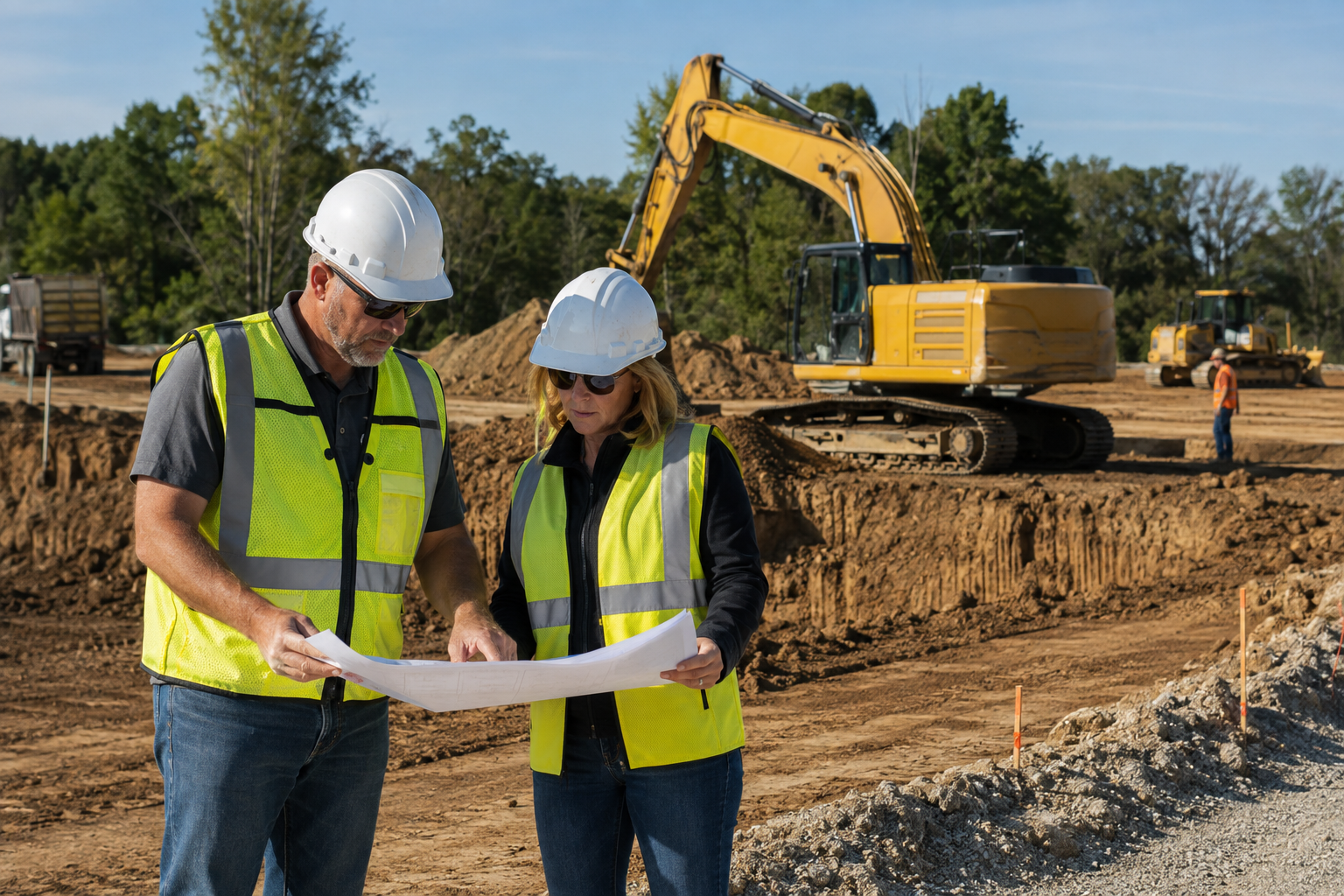
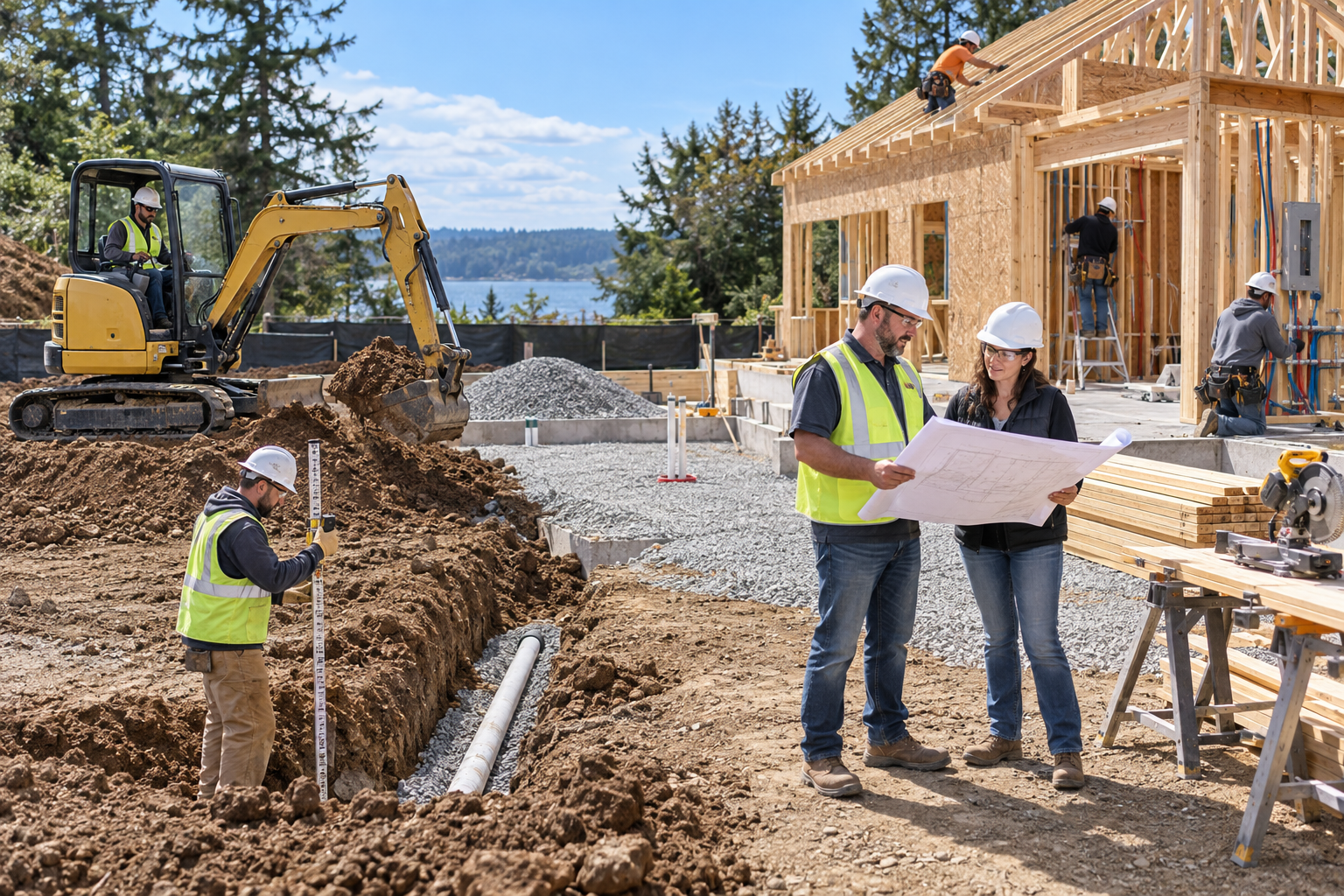
Excavating Companies primarily focus on earthwork and site preparation, while general contractors typically coordinate a broader construction project involving excavation and other trades. An excavation contractor may clear land, remove soil, dig trenches, prepare foundation areas, establish grades, backfill excavations, or prepare a site for concrete and drainage work. A general contractor may oversee those same excavation activities while also coordinating concrete crews, utilities, masonry, foundations, inspections, scheduling, and other parts of construction. Some companies perform excavation themselves, while others subcontract the earthwork to a specialized excavation contractor. Neither option is automatically better. A stand-alone grading or trenching project may only require an excavation company, while a project involving several connected scopes may benefit from having one general contractor responsible for overall coordination. Before hiring anyone, define what needs to be excavated, what the finished elevations should be, where excess soil will go, how drainage will work, and what construction begins after excavation is complete.
What Does an Excavating Company Do?
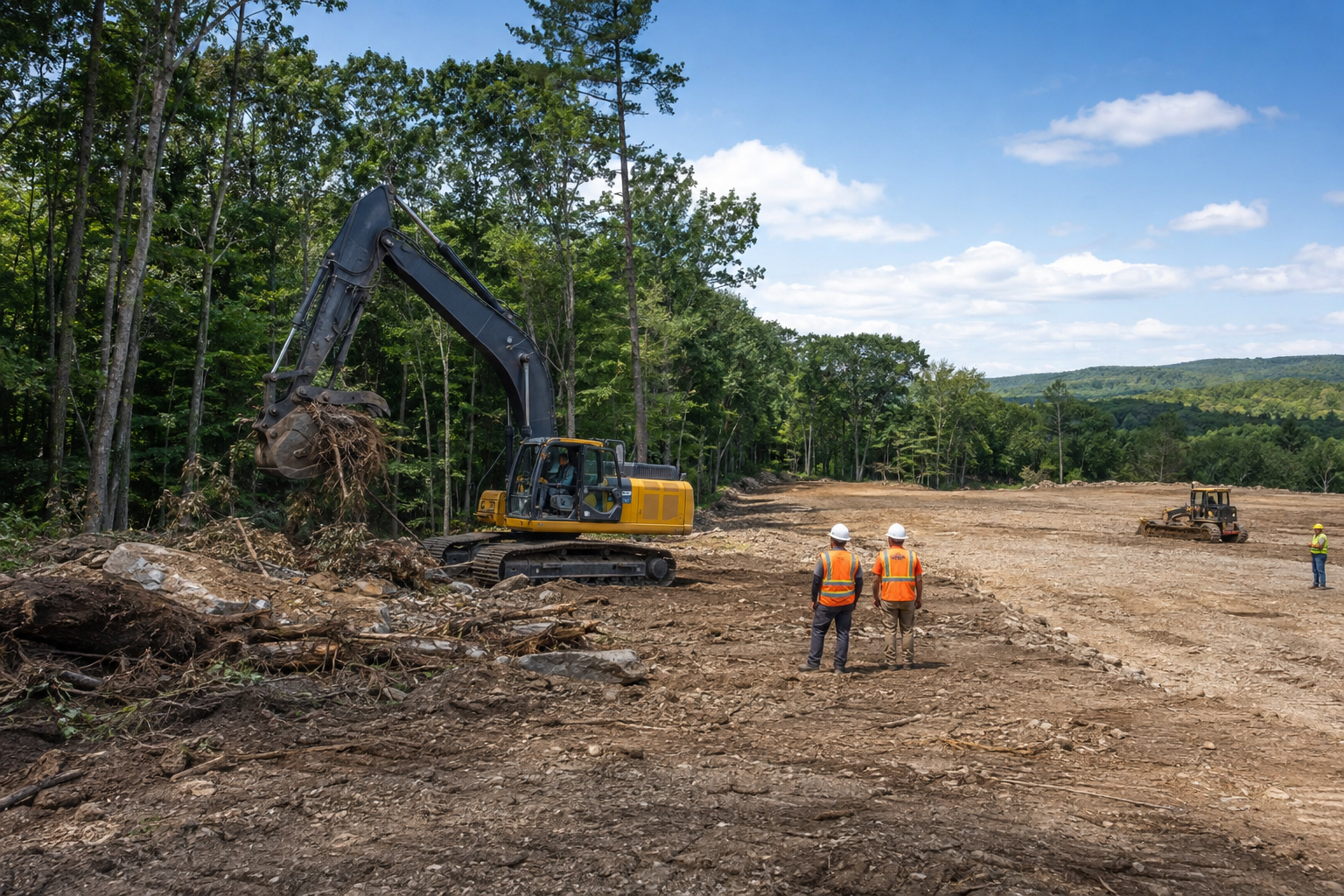
An excavation company moves and shapes soil so a property is ready for construction or another planned use. Typical work can include land clearing, digging, trenching, grading, foundation excavation, backfilling, drainage preparation, soil removal, and preparing areas for concrete. Some contractors may also handle demolition or hauling. The exact service mix varies, so it is important to ask what is actually included rather than assuming every excavation company performs the same work. For example, one contractor may excavate a foundation and stop there. Another may also prepare the base, manage fill material, grade the surrounding site, and coordinate the next construction phase.
What Does a General Contractor Do?
A general contractor typically takes responsibility for coordinating a larger construction scope. That may involve scheduling subcontractors, reviewing construction plans, coordinating inspections, managing site access, communicating with the owner, and making sure different phases happen in the correct order. If excavation is only the first step of a larger project, a general contractor may coordinate the excavation together with foundations, concrete, utilities, masonry, drainage, and other trades. Homeowners or businesses planning work that goes beyond earthmoving can learn more about working with general contractors in Nashville, TN.
When Should You Hire an Excavation Contractor?
An excavation contractor can be a good fit when most of the project involves earthwork. That may include clearing a lot, removing soil, grading land, digging drainage trenches, preparing a building pad, excavating for a foundation, or creating access for another contractor. For someone comparing Excavating Companies, the key question is whether the excavation itself is the main project or simply one phase of something larger. If another contractor already has responsibility for the finished structure, hiring a specialized excavation company may work well.
When Should You Hire a General Contractor Instead?
A general contractor may make more sense when excavation connects directly to several other construction activities. Imagine a project that requires clearing land, excavating for a foundation, installing concrete footings, building retaining walls, managing drainage, and constructing a new slab. Hiring separate companies for every phase can create more coordination work for the property owner. A general contractor can provide one point of communication and coordinate the sequence between trades. This can be especially helpful when elevations, drainage, structural dimensions, and schedules must match across several phases.
Can a General Contractor Also Handle Excavation?
Yes, some general contractors have the equipment and crews to perform excavation directly, while others coordinate excavation subcontractors. Neither approach is automatically better. What matters is who is responsible for the work and how the excavation connects to the rest of the project. If excavation is subcontracted, the general contractor should still understand the required elevations, dimensions, schedule, and site conditions. Property owners should know who their main point of contact is if a problem develops.
Is Site Grading the Same as Excavation?
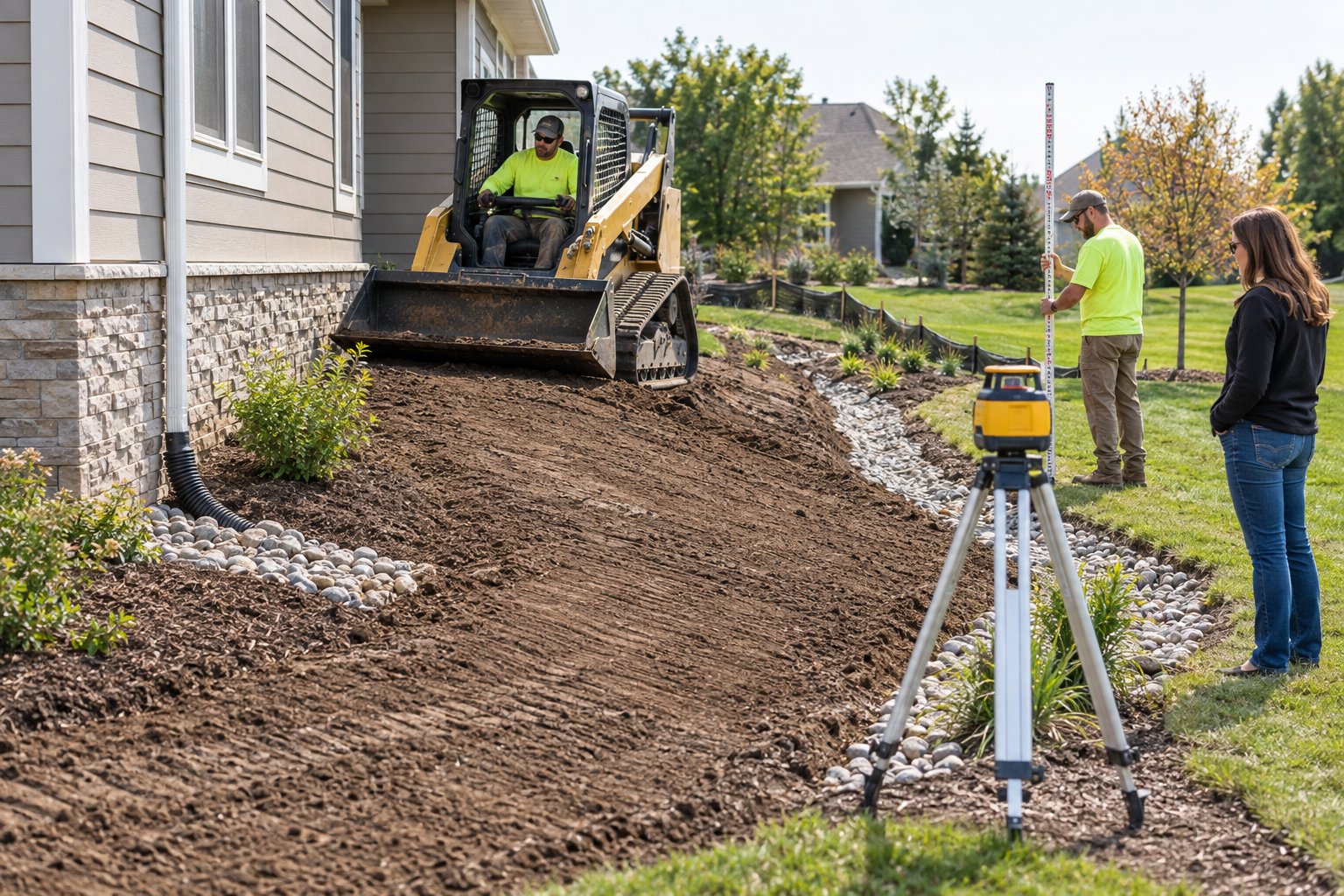
No. Excavation and grading are related, but they are not identical. Excavation generally involves removing, digging, or relocating soil. Grading shapes the finished elevations and slopes of the property. A contractor might excavate several feet of soil to prepare a building area and then grade the surrounding property so surface runoff moves toward appropriate drainage paths. Many projects require both. Proper grading becomes especially important around buildings because poor drainage can direct water toward foundations. Our guide on how proper site grading prevents water damage and foundation issues explains why finished elevations should be planned before site work is complete.
Who Should Handle Foundation Excavation?
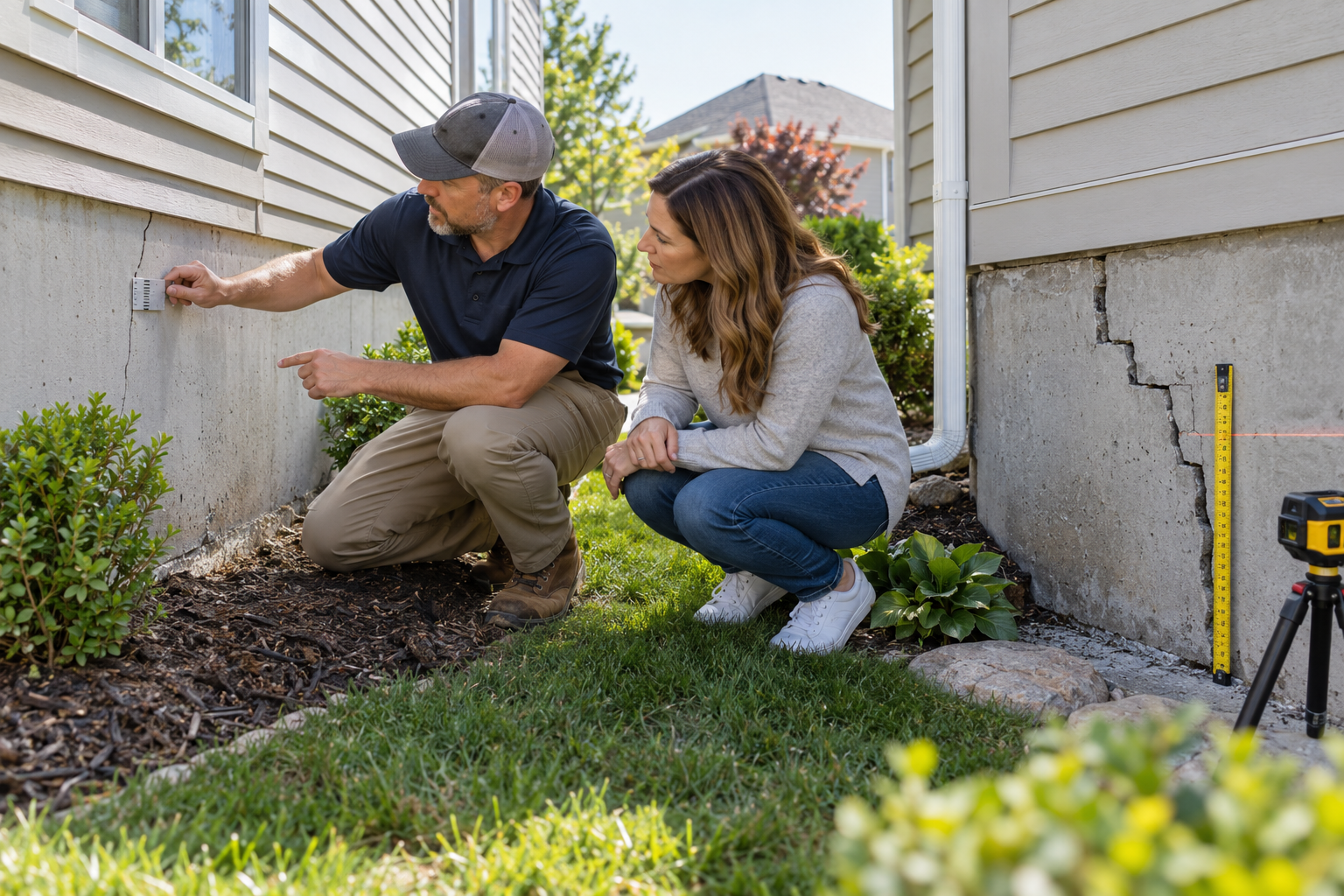
Foundation excavation should be handled by a contractor who can work accurately from the construction requirements and coordinate with the crew building the foundation. Depth, width, elevations, soil conditions, access, and the location of footings all matter. Over-excavating or digging to incorrect elevations can create additional work before foundation construction begins. When the same contractor is coordinating both excavation and foundation work, communication between phases may be simpler. If separate companies are involved, responsibilities and dimensions should be clearly established before digging begins.
Who Should Handle Drainage and Grading Problems?
An excavation contractor may be the right choice when the work is mainly trenching, regrading, creating swales, or moving soil. A broader construction contractor may be more useful when drainage interacts with foundations, patios, retaining walls, concrete, or other structures. The important step is identifying the actual source of the water problem. Digging a trench or changing the grade without understanding where runoff should go can move water from one problem area to another. Our article on retaining walls and property stability explains how drainage, slopes, and soil movement can work together.
Who Should You Hire for a Retaining Wall Project?
A retaining wall often requires more than excavation. The project may involve digging, base preparation, drainage, backfill, wall construction, reinforcement, grading, and sometimes concrete or masonry.
Because those phases are closely connected, a contractor capable of coordinating the complete wall system can simplify the project. The excavation needs to match the wall design, and the finished grading needs to work with the drainage behind and around the wall. Hiring someone only to dig without a clear plan for what comes next can create unnecessary handoffs.
Who Should Handle Excavation Before Concrete Work?
The excavation should be coordinated with whoever is responsible for the finished concrete. A patio, commercial slab, foundation, sidewalk, or equipment pad needs a properly prepared area at the correct elevation.
Excavation depth may depend on the concrete thickness, base material, reinforcement, drainage, and finished grade. For patio projects, our concrete patio Nashville page explains how site preparation comes before forming and concrete placement. The important point is that digging and concrete design should not be treated as unrelated steps.
Do Excavating Contractors Need a License in Tennessee?
Tennessee licensing depends on the contractor's role, project value, and type of work. The Tennessee Board for Licensing Contractors states that a contractor's license is generally required before bidding, contracting, offering to engage, or negotiating a price for projects of $25,000 or more when acting as a prime contractor, certain subcontractors, or a construction manager. A prime contractor is generally the contractor dealing directly with the owner. The state's classification system also lists BC-28 Excavation as a building construction category. Licensing rules can differ for subcontractors and specific trades, so property owners should verify requirements for the actual contract rather than assuming every excavation project follows one rule.
Why Is Utility Location Important Before Excavation?
Underground utilities should be identified before digging begins. The Tennessee Public Utility Commission states that Tennessee law requires notification to 811 before excavation or demolition, including projects involving grading and excavation. Contacting Tennessee 811 allows participating utility operators to mark the approximate location of underground facilities before work begins. This can help prevent damage to gas, electric, communications, and other buried utility infrastructure. Private lines may require additional locating depending on the property and utility ownership. Utility coordination should happen before excavation starts, not after equipment is already on site.
Does Excavation Require a Permit in Nashville?
Not every excavation project automatically requires the same permit, but significant land disturbance may fall under Metro Nashville's grading and stormwater requirements. Metro Water Services defines grading broadly to include activities that change site elevations, strip ground cover, cut or fill soil, or otherwise disturb land. Its current guidance outlines permit thresholds and exemptions based on factors such as disturbed area, volume of material, slope, drainage impact, and project type. Even some activities that are exempt from a grading permit must still comply with applicable erosion and stormwater requirements. Large projects or work in flood-prone areas can involve additional reviews, so permit responsibility should be confirmed before excavation begins.
What Should an Excavation Estimate Include?
A useful excavation estimate should explain what happens before, during, and after the digging. Depending on the project, the scope may cover clearing, excavation, equipment, hauling, disposal, fill material, backfilling, compaction, grading, drainage work, and restoration. Ask what happens to excess soil. Material that cannot remain on the property may need to be hauled away, which can affect cost. Also ask how unexpected conditions will be handled. Rock, unsuitable soil, buried debris, old concrete, groundwater, or unknown structures can change the amount of work required after excavation begins.
What Underground Problems Can Affect Excavation?
Not everything below the surface is visible before construction starts. Excavation may reveal rock, buried concrete, old foundations, debris, unsuitable fill, water, undocumented drainage systems, or private utilities. That is why an estimate should explain how unforeseen conditions are handled. A contractor should not promise that nothing unexpected will be discovered. Instead, the project should have a clear process for evaluating changed conditions and explaining any cost or schedule impact before additional work moves forward.
Should You Hire One Contractor for Excavation and Construction?
Sometimes. Using one contractor for excavation and the work that follows can reduce handoffs and simplify accountability. The excavation crew can prepare the site according to the requirements of the foundation, concrete slab, retaining wall, or other construction that follows. There may also be fewer questions about who is responsible if elevations or drainage do not match the finished work. However, a specialized excavation contractor can still be an excellent choice for a stand-alone earthwork project. The best approach depends on how many construction phases need to be coordinated.
Is an Excavating Company Cheaper Than a General Contractor?
Not necessarily because the two contractors may be pricing completely different scopes. An excavation company might quote only clearing, digging, grading, and hauling. A general contractor's proposal might include excavation plus concrete, drainage, utilities, project management, scheduling, or other construction. Comparing the totals without comparing the scope can therefore be misleading. Equipment access, soil conditions, rock, disposal requirements, project size, and the amount of material being moved can also have a major effect on excavation cost. Compare what each contractor is actually responsible for, not just the final number.
What Are Red Flags When Hiring Excavating Companies?
A vague estimate should make you ask more questions. The contractor should be able to explain what will be excavated, where excess material will go, whether backfilling and grading are included, and what finished elevations are expected. Other concerns include ignoring utility locating, failing to discuss drainage, refusing to provide required licensing or insurance information, and beginning work without understanding what construction follows the excavation. A contractor should also be realistic about unknown underground conditions. Promises that excavation will encounter absolutely no surprises are difficult to support before the ground is opened.
Why Choose GK Construction Solutions for Excavation and Construction?
At GK Construction Solutions, we understand that excavation is often the beginning of a project rather than the finished product. Our services include excavation and land clearing, concrete construction, utilities, masonry, hardscapes, grading-related site work, and other construction services. That broader scope allows us to consider what happens after the soil is moved, not simply how quickly it can be excavated. For customers comparing Excavating Companies Nashville TN, that can be valuable when excavation connects directly to foundations, concrete, retaining walls, drainage, or other construction. We look at site access, elevations, drainage, soil movement, and the finished project together. Our goal is to help clients understand the complete scope so the excavation supports what is being built next.
Frequently Asked Questions About Excavating Companies and General Contractors
Do Excavating Companies Build Foundations?
Some do, but many excavation companies focus only on preparing the site for a separate foundation contractor. Excavation for a foundation involves digging to the required dimensions and elevations, while constructing the foundation may involve footings, reinforcement, forms, concrete, masonry, waterproofing, or other work. If one company offers both services, ask exactly what is included. If separate contractors are being used, make sure the excavation requirements are coordinated with the foundation plans before digging begins.
Can an Excavation Contractor Grade My Yard?
Yes, many excavation contractors also provide grading because both services involve moving and shaping soil. Grading should have a clear purpose, such as establishing finished elevations, improving drainage, preparing a building area, or correcting problematic slopes. Simply making a yard look flatter is not enough if the new grade directs water toward a house or neighboring property. The contractor should understand where water currently travels and where it should go after the work is complete.
Who Do I Hire to Level Land Before Building?
An excavation or site-work contractor can often perform the physical clearing and grading needed before construction. However, if the grading is part of a larger building project, having the general contractor coordinate the work may help make sure elevations match the foundation, utilities, drainage, and finished site plan. The important issue is not simply making the ground level. The building area must be prepared according to the construction requirements, and surrounding grades still need to direct water appropriately.
Can Excavating Companies Remove Concrete?
Some excavation companies can remove concrete when demolition is part of their equipment and service capabilities. An excavator can be useful for breaking, lifting, and loading old slabs or other concrete, but the contractor still needs a plan for hauling and disposal. If replacement concrete will be installed afterward, the underlying soil and base should also be evaluated once the old material is removed. Confirm whether demolition, hauling, disposal, excavation, and new site preparation are all included in the estimate.
Who Is Responsible for Utility Locates Before Digging?
Responsibility should be clearly established before excavation begins, but Tennessee requires notification to 811 before excavation or demolition. Tennessee 811 coordinates with participating utility operators so underground facilities can be marked before digging. However, not every privately owned underground line is necessarily covered by the public locate process. Contractors and property owners should determine whether additional private locating is necessary for irrigation, private electrical lines, or other site-specific systems.
How Do I Know Whether I Need Excavation or Grading?
You need excavation when significant soil must be removed, dug out, relocated, or replaced, while grading focuses on shaping the finished ground elevations and slopes. A foundation hole is excavation. Reshaping the yard afterward so water drains correctly is grading. Many construction projects require both. The excavation creates room for the structure, while grading helps integrate the finished construction into the surrounding property. A contractor should explain which operations your project requires and how one phase affects the next.
Final Thoughts
Excavating Companies and general contractors often work side by side, but they do not always serve the same role. A stand-alone earthmoving, trenching, or grading project may be well suited to a specialized excavation contractor. A project involving excavation followed by concrete, foundations, retaining walls, utilities, or other construction may benefit from broader general-contractor coordination. Neither choice is automatically better. The decision should be based on the complete project scope, required licensing, utility coordination, drainage, finished elevations, and who will be responsible for the work after digging ends. Before hiring based solely on who owns an excavator, decide what the completed project needs to look like.
Start With the Scope, Not the Contractor Label
If your Nashville project involves excavation and you are unsure whether you need stand-alone site work or a broader construction team, contact GK Construction Solutions. We can discuss what needs to be excavated, what construction comes next, and how grading, drainage, concrete, utilities, or structural work may connect to the project.
Follow our social media pages below: