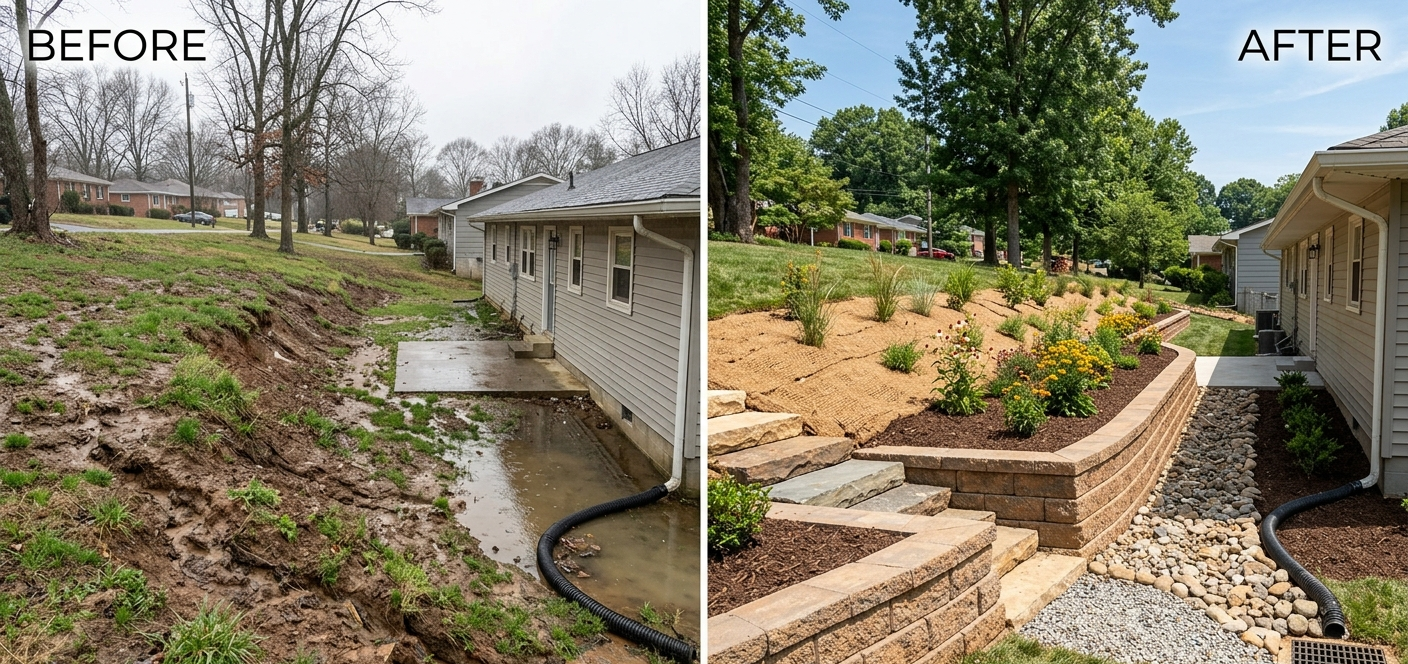
Most homeowners do not think about retaining walls until they notice a problem. It may start with soil washing away after a heavy rainstorm, water pooling near the house, or sections of the yard appearing less level than before. What often seems like a landscaping concern can actually be connected to larger issues involving drainage, erosion, and structural stability.
For homeowners researching
foundation repair Nashville services, understanding the relationship between retaining walls and property stability is important. Retaining walls do much more than improve curb appeal. They help control soil movement, manage water flow, reduce erosion, and protect nearby structures. When properly designed, retaining walls can be an important part of a long-term strategy for protecting both the landscape and the foundation.
What Is The Role Of A Retaining Wall?
A retaining wall is designed to hold back soil and stabilize areas where changes in elevation create challenges. Sloped landscapes, hillsides, drainage paths, and elevated planting areas often require structural support to prevent soil movement. Without that support, gravity, rainfall, and erosion can gradually alter the landscape and potentially affect nearby structures.
Retaining walls help distribute soil pressure and create stable surfaces where land might otherwise shift. This makes them valuable for homeowners dealing with erosion, drainage concerns, or uneven terrain. In many retaining wall construction projects in Nashville, the wall serves both practical and aesthetic purposes by improving usability while protecting the property.
According to the
Federal Highway Administration, retaining structures are designed to resist lateral earth pressures and stabilize soil conditions that might otherwise lead to slope failures or structural concerns. This highlights why retaining walls are often viewed as structural solutions rather than simple landscape features.
At GK Construction Solutions, we often compare a retaining wall to a house's frame. The frame is not always the first thing people notice, but it provides critical support that keeps everything stable. Retaining walls perform a similar function outdoors by helping maintain the integrity of the surrounding landscape. For homeowners considering foundation repair Nashville solutions, retaining walls may help address conditions that contribute to foundation stress before those concerns become more severe.
What Is The Stability Of A Retaining Wall?
Retaining wall stability refers to the wall's ability to resist pressure from soil, water, gravity, and environmental conditions without shifting, leaning, cracking, or failing. A stable retaining wall is not simply about appearance. It involves engineering, drainage, material selection, and proper installation.
Several factors influence retaining wall stability. Soil composition, slope angle, wall height, drainage conditions, and foundation preparation all play important roles. This is why retaining wall construction in Nashville projects requires careful planning rather than relying solely on aesthetics.
One of the most significant threats to retaining wall performance is water pressure. When water becomes trapped behind a wall, hydrostatic pressure builds and pushes outward against the structure. Over time, this pressure can contribute to cracking, bowing, or complete failure if drainage is not properly addressed.
At GK Construction Solutions, we often explain hydrostatic pressure by comparing it to a water-filled container. The more water that accumulates, the greater the force pushing against the sides. Retaining walls experience similar pressure when drainage systems are inadequate.
Proper drainage often includes gravel backfill, perforated drain pipes, drainage fabric, and carefully planned water management systems. These components help improve long-term performance and support broader property drainage solutions Nashville homeowners often need. For homeowners concerned about foundation repair Nashville issues, retaining wall stability can directly influence the health of nearby structures by helping control water and soil movement.
What Are The 4 Types Of Retaining Walls?
Several retaining wall systems are commonly used depending on site conditions, engineering requirements, and project goals. Understanding the differences can help homeowners make more informed decisions when evaluating retaining wall construction options in Nashville.
Gravity retaining walls rely primarily on their own weight to resist soil pressure. These walls are often constructed using stone, large concrete blocks, or masonry materials. Because of their mass, they work well for smaller slopes and landscape applications.
Cantilever retaining walls use reinforced concrete and engineered design to support larger soil loads. These systems are often found in commercial or heavily loaded structural applications where additional strength is required. Anchored retaining walls incorporate cables, rods, or anchors that extend deep into stable soil behind the wall. These systems provide additional support in challenging site conditions where standard wall designs may not be sufficient.
Segmental retaining walls remain one of the most popular residential solutions. These interlocking block systems offer durability, flexibility, and attractive appearance while supporting a wide range of landscape designs. Many retaining wall construction projects in Nashville utilize segmental systems because they perform well in residential environments.
At
GK Construction Solutions, we help homeowners evaluate which wall system best fits their property conditions. The ideal solution depends on drainage requirements, soil conditions, slope severity, and long-term project objectives. For homeowners exploring foundation repair Nashville concerns, choosing the right retaining wall system can play a meaningful role in improving overall property stability.
What Are The Properties Of A Retaining Wall?
A successful retaining wall possesses several important characteristics that contribute to performance and longevity. While appearance matters, structural properties ultimately determine how effectively the wall performs over time.
Strength is one of the most important characteristics. The wall must withstand soil pressure without cracking, shifting, or deforming. Stability is equally important because environmental conditions change continuously throughout the year.
Drainage capability often determines whether a wall succeeds or fails. Water management remains one of the most critical factors affecting long-term performance. Proper drainage helps reduce pressure while protecting both the wall and surrounding structures.
Durability is another essential property. Retaining walls must withstand temperature changes, moisture exposure, soil movement, and long-term environmental stresses. Materials and construction methods should be selected with these conditions in mind.
At GK Construction Solutions, we often explain that retaining walls function similarly to foundations. Much of their performance depends on what exists below the surface. Proper excavation, preparation, drainage, and reinforcement frequently matter more than the visible wall itself. These structural characteristics become especially important when retaining walls are integrated into broader property drainage solutions Nashville homeowners use to manage runoff and improve site conditions.
How Retaining Walls Support Foundation Stability
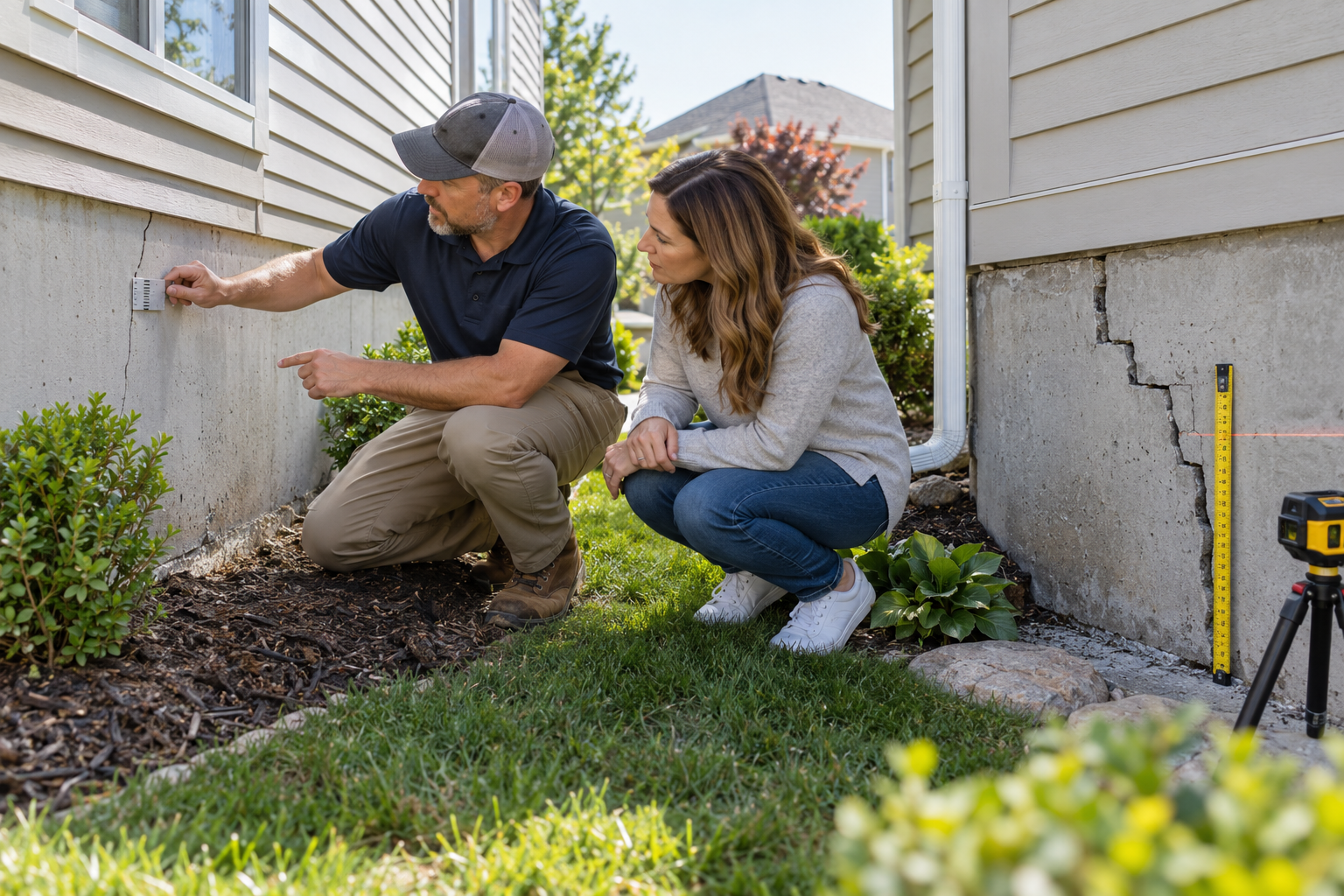
Many homeowners are surprised to learn how closely retaining walls and foundations are connected. Water movement and soil instability are two common factors that contribute to foundation-related concerns. When soil shifts, erodes, expands, or becomes oversaturated, additional stress can be placed on nearby structures.
Retaining walls help address these challenges by stabilizing slopes, controlling runoff, reducing erosion, and directing water away from vulnerable areas. These improvements often contribute to healthier site conditions that support foundation performance.
For homeowners pursuing foundation repair in Nashville, retaining walls may be part of a larger stabilization strategy. While a retaining wall does not replace structural foundation repair services in Tennessee when damage already exists, it can help address contributing factors that increase foundation stress.
At GK Construction Solutions, we have worked with homeowners who initially believed they had only landscaping concerns. Further evaluation revealed drainage issues and soil movement affecting long-term structural conditions. In many of these cases, retaining walls became an important component of the overall solution. Foundation protection is often most effective when it focuses on prevention. Managing soil and water movement today can help reduce the likelihood of more expensive repairs later.
Common Signs Your Property May Need A Retaining Wall
Several warning signs may indicate that a retaining wall could improve property stability. While not every issue requires a wall, these conditions often warrant professional evaluation.
Common indicators include:
- Soil erosion after rainfall
- Water pooling near structures
- Sloping or shifting landscape areas
- Exposed tree roots
- Cracks in patios or walkways
- Uneven yard surfaces
- Drainage concerns near foundations
- Loss of usable outdoor space
Homeowners sometimes dismiss these symptoms as normal changes in the landscape. However, they may signal ongoing soil movement or drainage challenges that could worsen over time.
At GK Construction Solutions, we encourage property owners to address concerns early whenever possible. Smaller stabilization projects are often easier and more cost-effective than extensive repairs after years of continued erosion or settlement. Many homeowners exploring foundation repair Nashville options discover that correcting drainage and slope issues plays a significant role in improving long-term property performance. To learn more, you can read
Concrete Resurfacing vs Replacement: Which Is Better?
Why Local Expertise Matters In Middle Tennessee
Middle Tennessee presents unique challenges due to rolling terrain, varied soil compositions, seasonal weather patterns, and changing drainage conditions. A solution that works well on one property may not be appropriate for another, only a few miles away.
Retaining wall construction in Nashville projects often requires site-specific planning because local conditions vary considerably. Soil behavior, runoff patterns, and elevation changes all influence design requirements.
At GK Construction Solutions, we understand how local environmental conditions affect both retaining walls and foundations. Our experience with structural foundation repair and stabilization projects across Tennessee helps us evaluate how different factors interact over time.
Local expertise also helps homeowners navigate permitting requirements, construction considerations, and long-term maintenance expectations. Understanding the relationship among retaining walls, drainage systems, and foundations enables more comprehensive solutions. Property owners considering foundation repair and other improvements in Nashville often benefit from working with professionals who understand the unique conditions throughout Middle Tennessee.
Why Property Drainage Should Never Be Ignored
Many foundation concerns begin with water. Even a well-built foundation can experience problems if drainage issues persist year after year. Water that collects near structures can contribute to soil movement, settlement, erosion, and hydrostatic pressure.
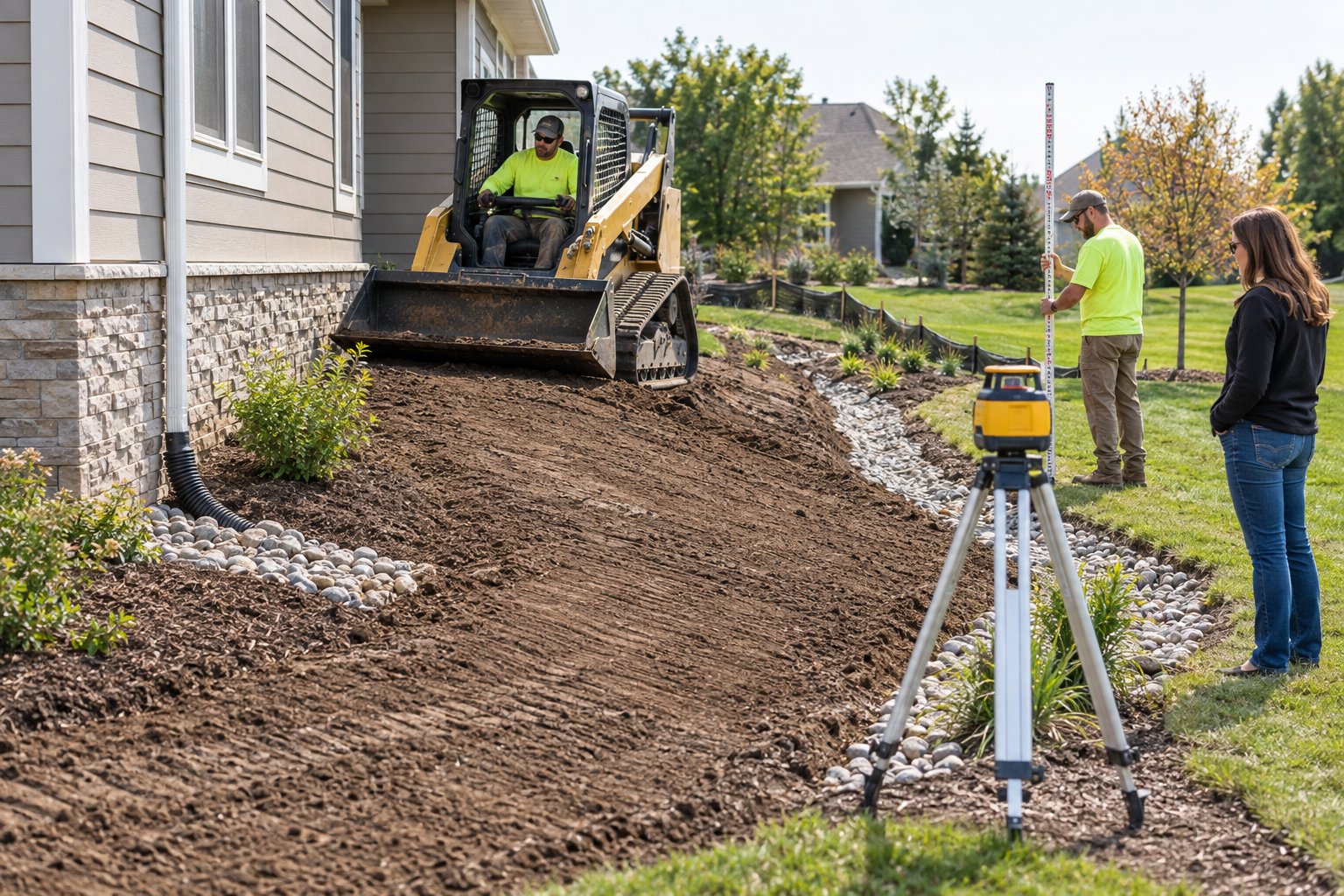
Property drainage solutions that Nashville homeowners often implement include grading improvements, retaining walls, drainage systems, and runoff management strategies. These measures help direct water away from vulnerable areas while protecting the surrounding landscape.
We frequently explain that water follows the path of least resistance. If proper drainage systems are not in place, water will often find its own path, sometimes creating problems along the way. Addressing drainage proactively supports both landscape stability and structural health. For many homeowners, combining property drainage solutions with retaining wall installation provides a more complete approach to long-term property protection.
Final Thoughts
Retaining walls are far more than decorative landscape features. They help stabilize soil, manage drainage, prevent erosion, and support overall property performance. When designed and installed properly, retaining walls contribute to both landscape functionality and long-term structural stability.
For homeowners researching foundation repair Nashville services, understanding the role retaining walls play in soil and water management can help prevent small issues from becoming costly repairs. Addressing drainage, slope stability, and erosion concerns early often provides meaningful long-term benefits.
At GK Construction Solutions, we believe effective solutions begin with identifying the root cause of a problem rather than simply treating symptoms. Whether you are considering retaining wall construction in Nashville, property drainage solutions in Nashville, improvements, or structural foundation repair in Tennessee, our team is committed to delivering practical solutions built for long-term performance.
To learn more, visit https://www.gkconstructionsolutions.com/.
Contact us today to discuss your property and explore options designed to improve stability, drainage, and overall structural health.
Follow our social media pages below: