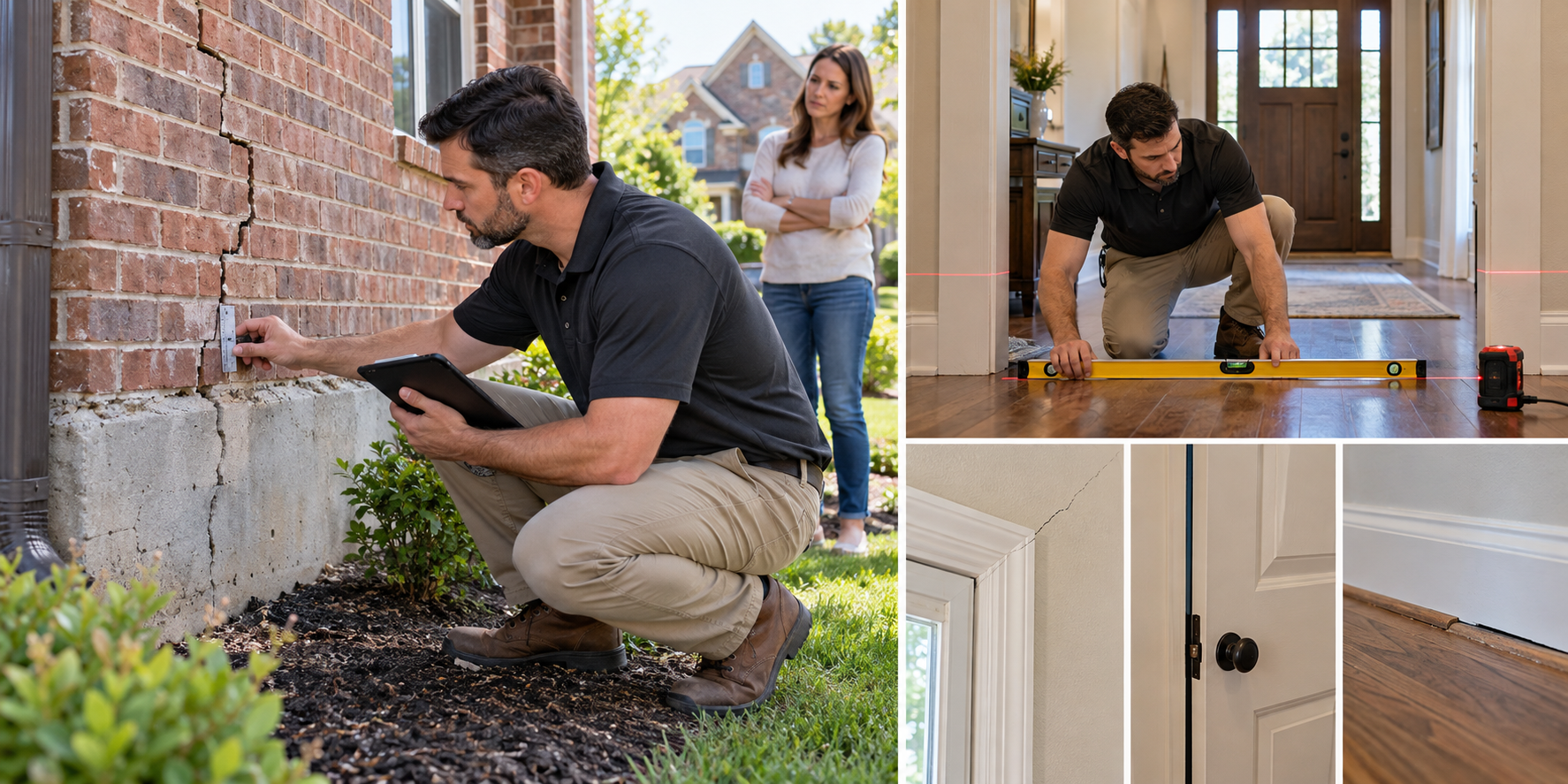
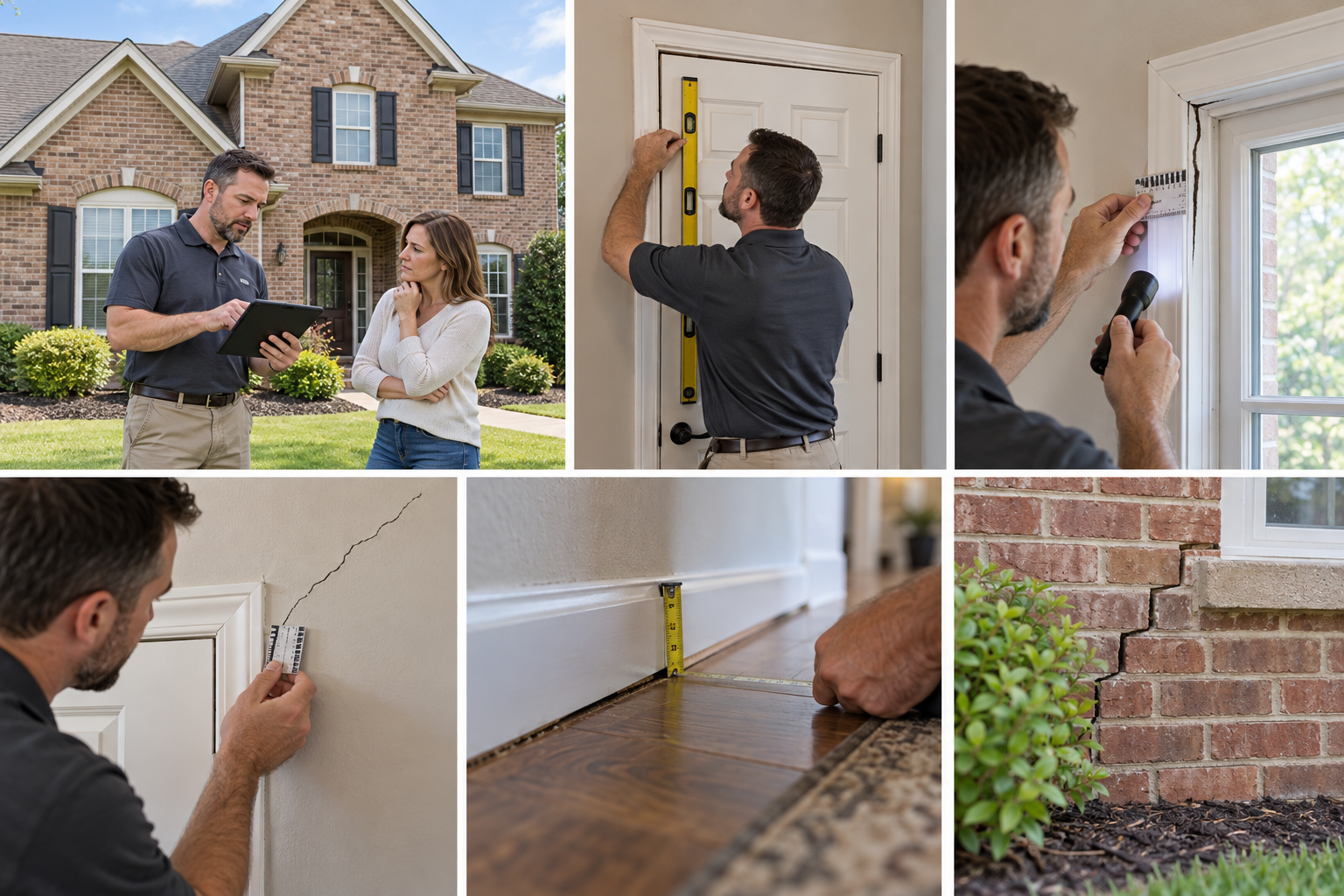
A small crack above a doorway can be easy to ignore. So can a window that suddenly sticks or a floor that feels slightly uneven. The problem is knowing when those changes are normal settling and when your Foundation may be telling you something more serious is happening. At GK Construction Solutions, we encourage Nashville homeowners to look for patterns rather than panic over one isolated symptom. A small crack that stays unchanged for years can mean something very different from several cracks that keep widening, floors that continue sloping, or doors that become harder to close. For homeowners researching
foundation repair in Nashville, the most important question is not whether the house has moved at all. It is whether the movement appears stable or continues affecting multiple parts of the structure.
How Do You Know if Foundation Settling Is Serious?
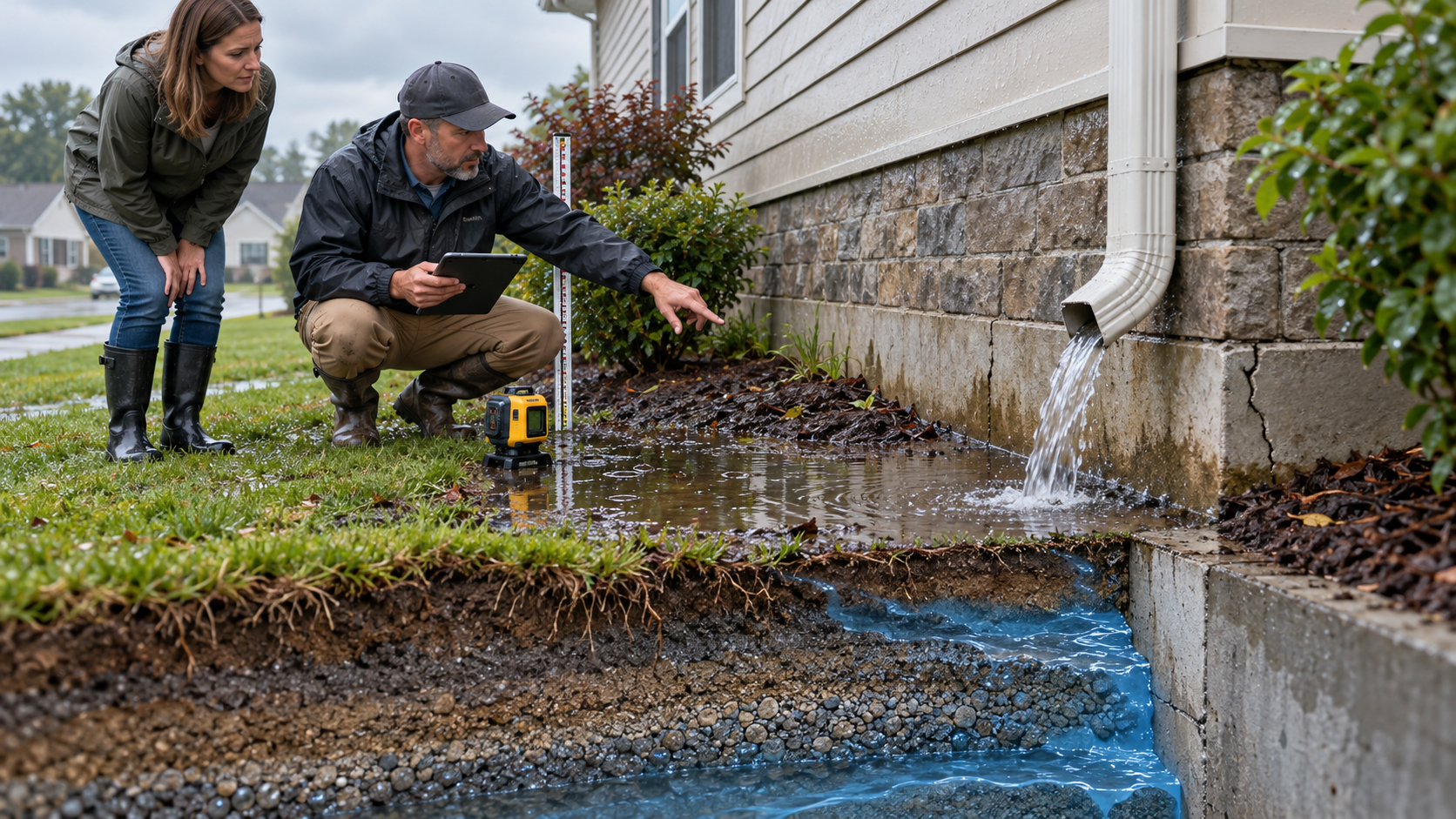
Foundation settling may be more serious when the movement is uneven, continues over time, or begins affecting several parts of the home at once. Small cosmetic cracks can develop as building materials and supporting soil adjust, but warning signs deserve closer attention when cracks widen, floors slope noticeably, doors and windows suddenly stick, walls separate from ceilings, masonry develops stair-step cracks, or foundation walls begin bowing. GK Construction Solutions explains that the difference between ordinary settlement and foundation failure often comes down to whether the movement has stabilized or is still progressing. A crack by itself does not prove the foundation is failing, but changing cracks combined with other symptoms can indicate that one part of the structure is moving differently from another. Drainage also matters. The Tennessee Department of Health recommends keeping rainwater away from foundation walls by maintaining gutters and sloping the ground away from the home. If several warning signs appear together, a professional evaluation can help determine whether the issue is cosmetic, drainage-related, or structural.
1. Foundation Cracks Keep Getting Wider
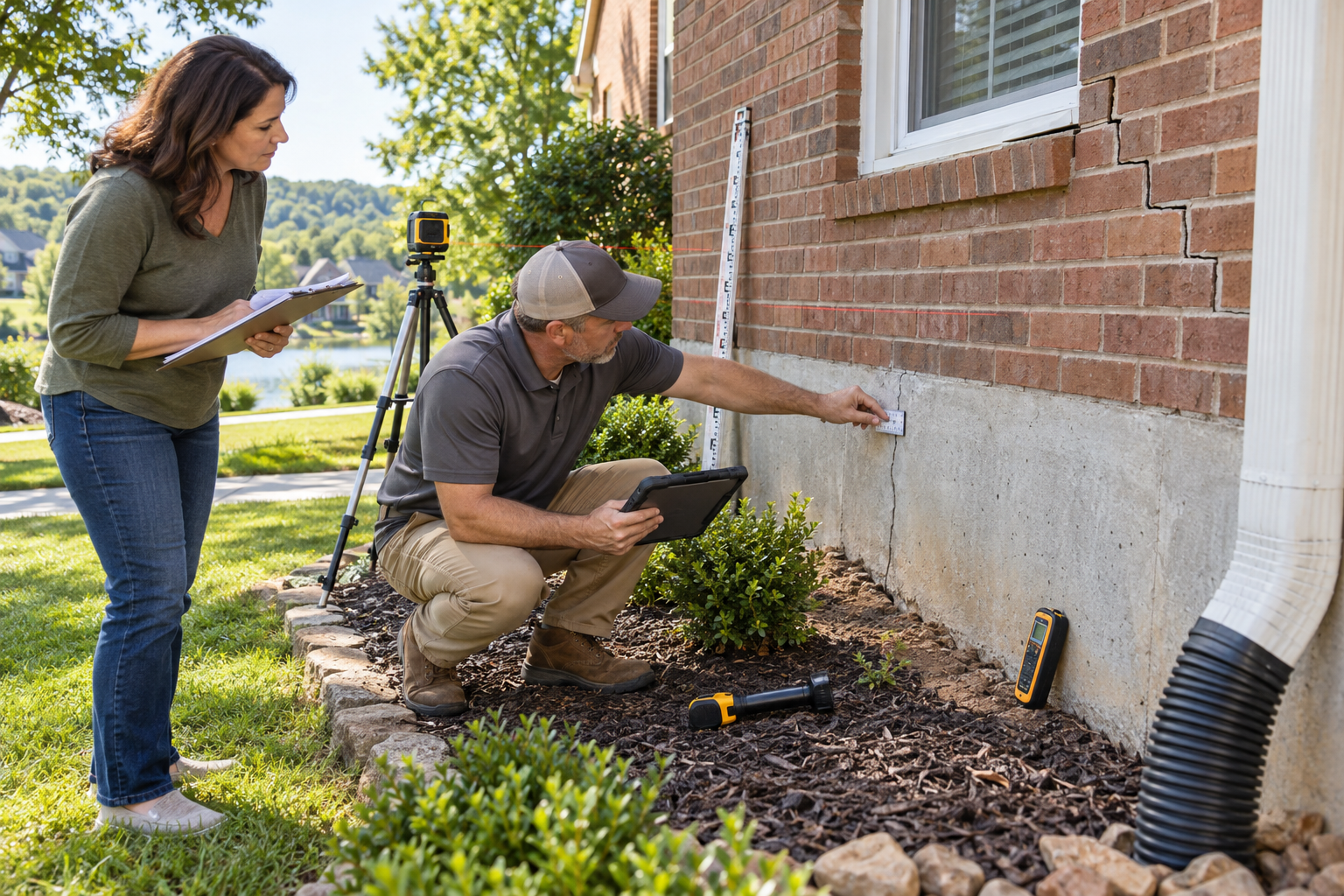
A crack that changes over time deserves more attention than one that remains stable. Hairline cracks can sometimes develop from normal shrinkage or limited settlement. The concern increases when a crack becomes wider, longer, or begins showing visible displacement. Diagonal and stair-step cracks can be particularly useful clues because they may indicate uneven movement. Our guide to
foundation settlement versus foundation failure explains that progressive cracking, wall separation, and uneven movement are more concerning than small cosmetic cracks that stop changing. For foundation repair Nashville, homeowners should pay attention to change over time rather than judging a crack only by how it looks on the day it appears.
2. Floors Are Becoming Uneven or Sloped
A floor that feels slightly different in one area does not automatically mean the foundation is failing. However, noticeable sloping, sinking, or new low spots can indicate that support beneath part of the home has changed. The concern becomes stronger if the floor continues moving or if the unevenness appears alongside wall cracks, sticking doors, or gaps around trim. GK Construction Solutions identifies uneven floors as one of the warning signs that can appear when foundation movement becomes more significant. If you place a level on the floor and notice a change over time, documenting it can help show whether the condition is stable or progressing.
3. Doors and Windows Suddenly Start Sticking
One tight door may simply need adjustment. Several doors or windows suddenly becoming difficult to open can tell a different story. When one part of a home settles differently from another, frames can shift out of square. That can make doors scrape, windows bind, or gaps develop around frames. GK Construction Solutions notes that suddenly sticking doors and windows can accompany foundation settlement and other structural movement. Pay particular attention if the problem is new and continues getting worse.
4. Walls Are Separating From Floors or Ceilings
Gaps where walls meet ceilings, floors, cabinets, or trim can be another sign that different parts of the structure are moving at different rates. Small cosmetic gaps can occur for several reasons, but widening separation deserves attention when it appears with other foundation symptoms. You may also notice cracks above doors, cracks extending from windows, or trim pulling away from walls. These changes can indicate that the framing is responding to movement lower in the structure. Our article on
why foundation issues should never be ignored discusses how small warning signs can become more noticeable when underlying movement continues.
5. Exterior Brick or Block Shows Stair-Step Cracks
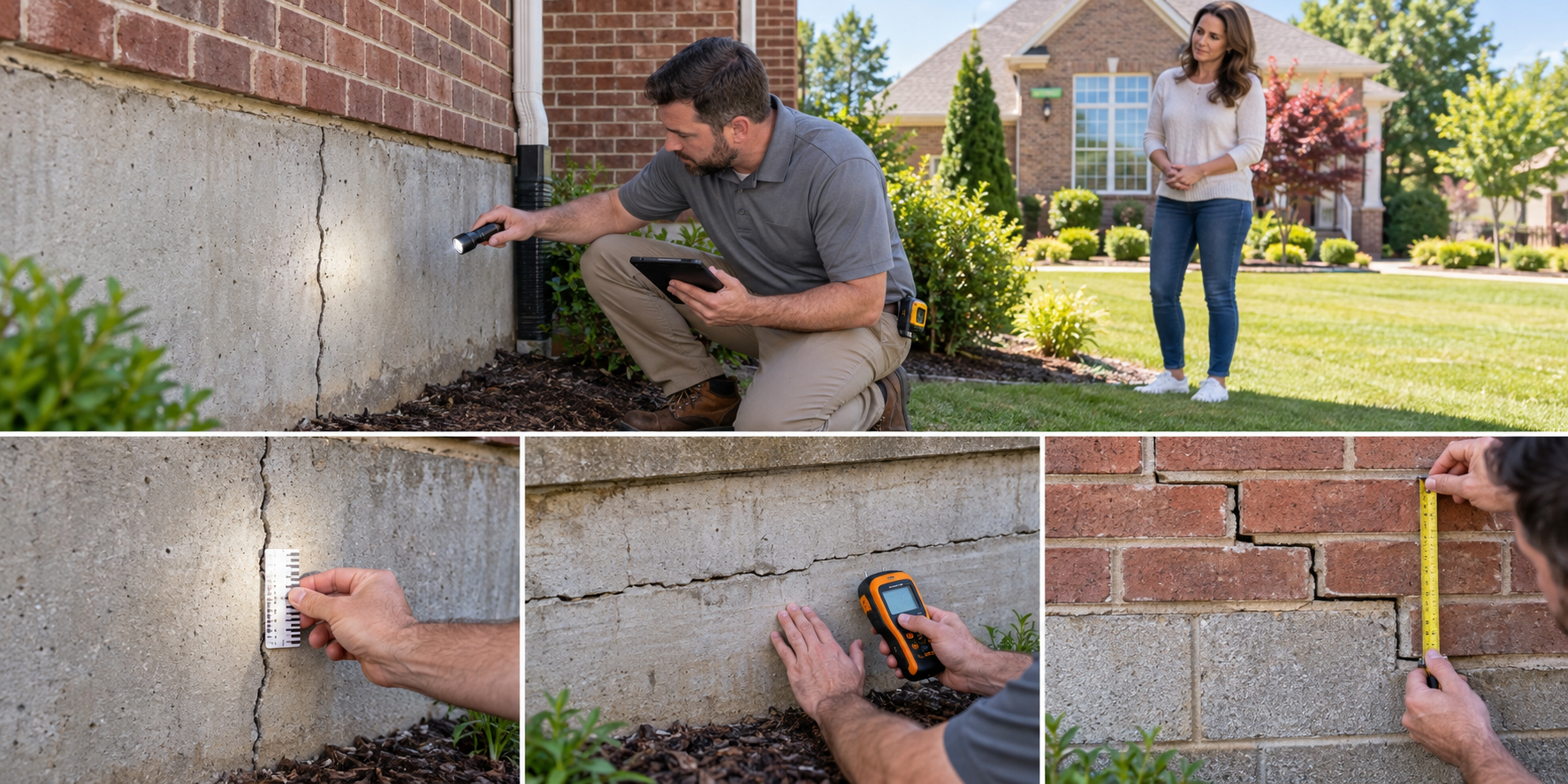
Stair-step cracks follow the mortar joints between bricks or concrete blocks. These cracks can develop when one section of the foundation moves more than another. A small, stable crack may not mean major structural failure, but a crack that continues widening, shows displacement, or appears alongside uneven floors deserves closer evaluation. This type of uneven movement is often called differential settlement. For homeowners considering foundation repair Nashville, stair-step cracking is most useful when viewed together with other symptoms rather than treated as proof of a specific diagnosis on its own.
6. Foundation Walls Are Bowing or Leaning
Bowing or leaning foundation walls should not be treated like ordinary cosmetic cracking. Movement in a basement or foundation wall can develop when outside pressure exceeds what the wall is handling normally. Water and soil conditions may contribute to that pressure. The
Tennessee Department of Health advises homeowners to keep rainwater away from basement and foundation walls and recommends maintaining gutters, improving grading, and considering drainage solutions where water collects. If a foundation wall appears to be shifting inward, leaning, or developing horizontal cracking, professional evaluation is appropriate. Surface patching alone does not explain why the wall moved.
7. Several Foundation Warning Signs Appear at the Same Time
One isolated symptom may have a simple explanation. Several symptoms developing together are harder to dismiss. For example, a homeowner may notice a diagonal crack, two sticking doors, a sloping floor, and a growing gap near the ceiling over the same period. That pattern provides more information than any one symptom alone. GK Construction Solutions' guide on
when to call a professional for foundation issues recommends paying closer attention when structural changes worsen over time or appear in multiple areas of the home. This is often the point where a professional foundation evaluation becomes more useful than simply patching cracks individually.
What Causes Foundation Problems in Nashville Homes?
Foundation movement can result from several conditions. Soil changes are one factor. Moisture can also affect the ground supporting the home. Poor drainage may allow water to collect around the foundation, while erosion can remove supporting soil from certain areas. GK Construction Solutions' article on
how Nashville soil affects foundations discusses how clay-rich soils and local geology can influence foundation performance. Drainage should also be part of the evaluation. The Tennessee Department of Health specifically recommends maintaining gutters and sloping ground away from foundations to reduce moisture near basement and foundation walls. Our guide to
proper site grading and foundation protection explains why directing surface water away from the home can be an important part of managing foundation-related concerns.
Can Normal Foundation Settling Stop on Its Own?
Yes, some minor settlement may stabilize. Homes and supporting soils can adjust over time, and limited cosmetic cracking does not automatically mean structural failure. The key is whether the movement stops. A crack that remains unchanged for a long period is generally less concerning than one that continues opening. The same principle applies to floors, doors, windows, and wall gaps. Monitoring can help. Take dated photographs of visible cracks and note changes in doors, floors, or wall alignment. If several symptoms keep progressing, professional evaluation is more useful than continued observation alone.
Should You Repair Foundation Cracks Yourself?
Small cosmetic cracks can sometimes be sealed, but sealing a crack does not necessarily address why it developed. If the foundation is still moving, the crack may reopen. That is why the cause matters. Before repairing drywall, masonry, or concrete repeatedly, determine whether the damage is stable. If the issue involves widening cracks, bowing walls, noticeable settlement, or several symptoms together, the foundation itself should be evaluated first.
Why Choose GK Construction Solutions for Foundation Concerns?
At
GK Construction Solutions, we look at more than the visible crack. Our approach considers how the foundation, surrounding soil, drainage, grading, concrete, and structural components work together. Our
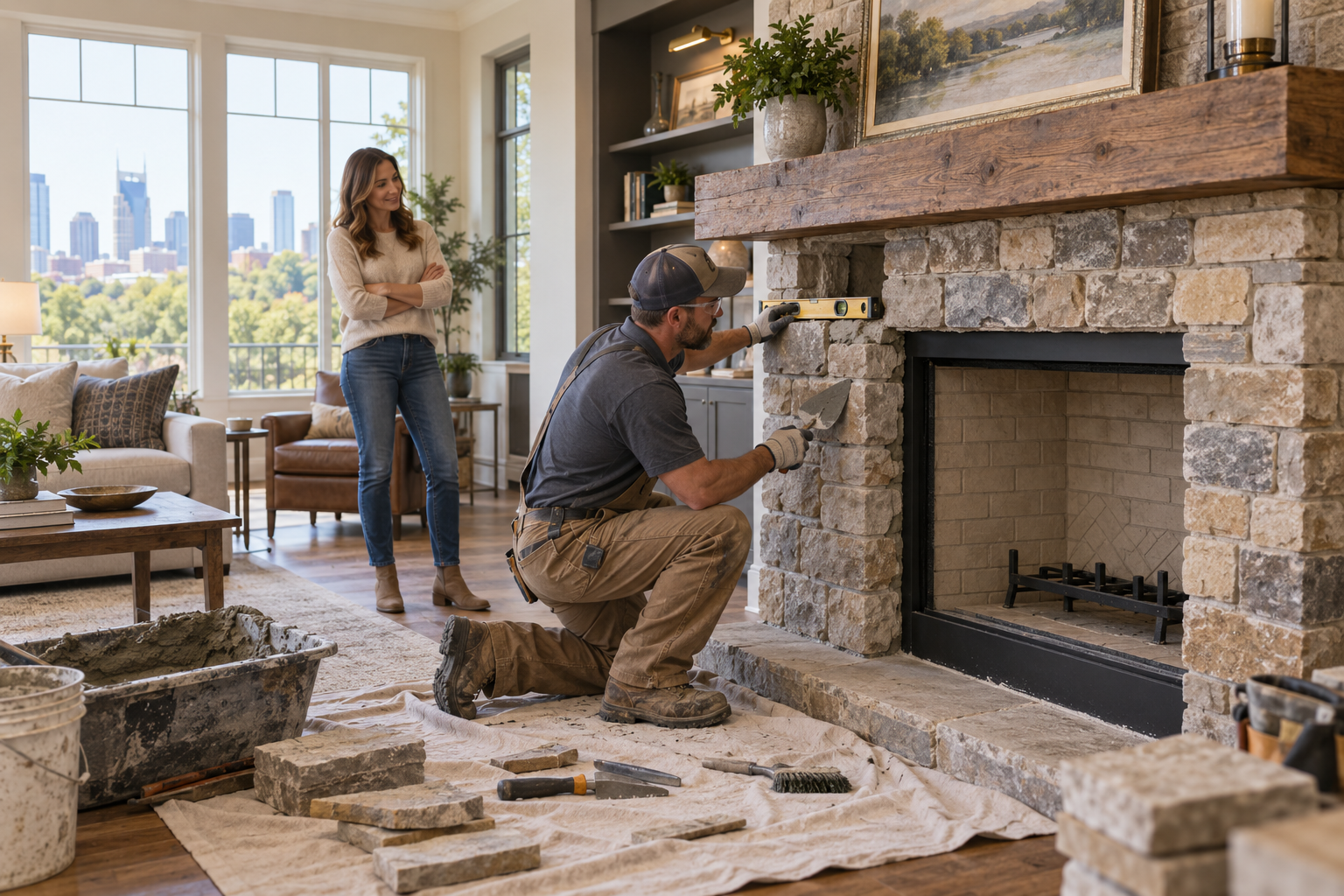
Nashville construction and foundation repair services include evaluating the extent of foundation problems, developing a project plan, completing repair work, and providing guidance after the project. We also bring broader experience in concrete construction, excavation, grading, and site work. That matters because foundation symptoms can be connected to conditions outside the foundation itself. For homeowners searching for foundation repair in Nashville, our goal is to identify what is changing, understand the likely contributing conditions, and recommend work based on the actual property rather than assuming every crack needs the same repair.
Frequently Asked Questions
How Much Foundation Settling Is Normal?
There is no single amount that is considered normal for every house. Minor movement that develops and then stabilizes may be less concerning than uneven movement that continues. Pay attention to whether cracks are widening, floors are becoming more uneven, or other symptoms are appearing at the same time.
What Foundation Cracks Are Most Concerning?
Cracks that continue widening, show displacement, or appear with structural changes deserve attention. Horizontal cracks in foundation walls and stair-step cracks in masonry may be more concerning when they accompany bowing, settlement, or other movement. Direction alone should not be used to diagnose the problem.
Can Poor Drainage Damage a Foundation?
Poor drainage can contribute to conditions that affect foundations. Water collecting beside a home may change soil moisture, contribute to erosion, or increase moisture around foundation walls. Tennessee health guidance recommends maintaining gutters and directing ground slope away from foundations.
Are Sticking Doors Always a Foundation Problem?
No. Doors can stick because of humidity, worn hinges, or normal frame movement. The issue becomes more significant when several doors suddenly begin sticking, and other symptoms such as cracks or uneven floors develop at the same time.
Should I Buy a Home With Foundation Cracks?
A foundation crack does not automatically make a home unsafe or unsuitable to purchase. The important questions are what caused the crack, whether movement is active, and whether repairs are needed. A qualified inspection can provide more information before you make a decision.
When Should I Call a Foundation Contractor?
Consider calling when cracks are widening, floors are increasingly uneven, walls are separating, foundation walls are bowing, or several symptoms appear together. A professional evaluation can help determine whether the issue is normal settling, drainage-related movement, or a more significant structural concern.
Final Thoughts
A changing Foundation rarely gives homeowners just one clue. The most useful warning signs are patterns. Widening cracks, sloping floors, sticking doors, wall separation, stair-step masonry cracks, bowing foundation walls, and multiple symptoms developing together can all indicate that movement deserves closer attention. Normal settling may stabilize. More serious movement often continues changing. That is why documenting what you see and paying attention to drainage around the home can be useful before cosmetic repairs hide the evidence. The goal is not to assume every crack means major damage. It is to recognize when the signs are no longer behaving like simple settling.
Get Answers Before the Signs Become Harder to Ignore
If cracks are growing, floors feel increasingly uneven, or several foundation warning signs are appearing around your Nashville home,
reach out to GK Construction Solutions. We can evaluate the visible damage, surrounding site conditions, and foundation concerns and help you understand the practical next step.
Follow our social media pages below: